

Mount Hakkoda Volcano Trekking Guide: Exploring Japan’s Rugged Volcanic Peaks and Alpine Wilderness
Mount Hakkoda, is a complex of dormant volcanos in Japan’s Tohoku region, offers demanding trekking through rugged volcanic terrain, alpine marshlands, and scenic peaks. Known for its heavy snowfall and unique snow monsters, it combines geological intrigue with cultural hot springs and panoramic views.
Quick Volcano Snapshot
| Attribute | Value |
|---|---|
| Volcano type | Complex volcano |
| Elevation | 1,585 meters |
| Location | Aomori Prefecture, Tohoku, Japan |
| Activity status | Dormant |
| Trekking difficulty | Demanding |
| Typical trek duration | 4 to 6 hours (varies by route) |
| Altitude gain | Approximately 700 meters |
| Terrain type | Volcanic rock, alpine marshlands, forested slopes, steep stairs |
| Best season | June to October for hiking; December to May for snow activities |
| Temperature range | Summer: 10°C to 20°C; Winter: -10°C to -20°C |
| Permit requirement | No special permits required; park fees may apply |
The Experience of Hiking Mount Hakkoda
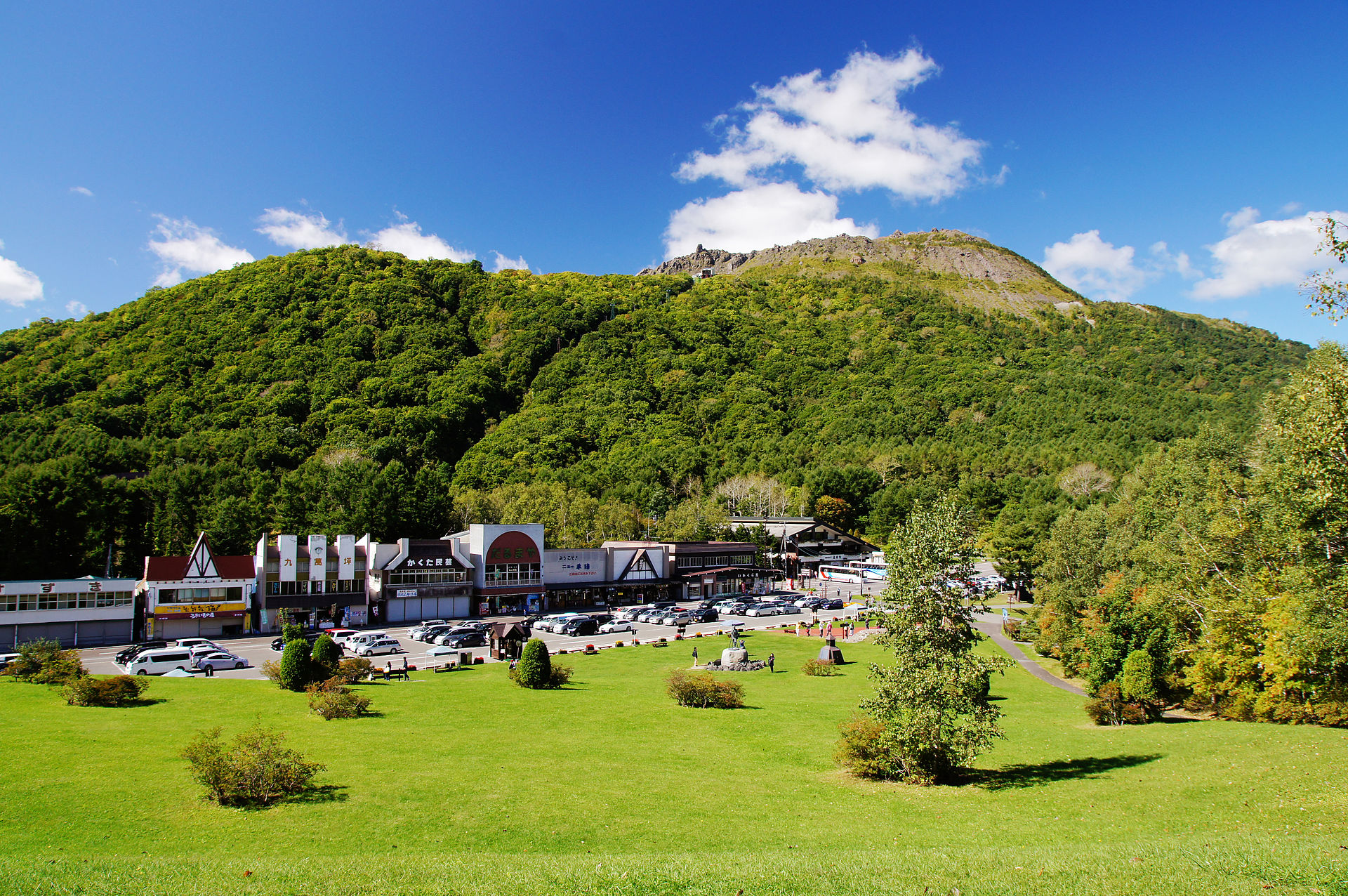
Approaching Mount Hakkoda, hikers are greeted by a dramatic volcanic landscape shaped by ancient eruptions and sculpted by seasonal extremes. The rugged peaks rise sharply above dense forests and alpine marshlands, offering a striking contrast between barren volcanic rock and lush greenery. Trekking here is an immersive journey into Japan’s volcanic heart, where the power of nature is palpable. The ascent challenges with steep slopes and rocky paths, but rewards with panoramic views of Aomori Bay and the surrounding mountain ranges. Reaching the crater and summit, hikers encounter a serene volcanic environment, punctuated by the scent of sulfur and the whisper of mountain winds. The experience is both humbling and exhilarating, a true adventure for volcano enthusiasts.

Geological Background of Mount Hakkoda
Mount Hakkoda is a complex volcano consisting of multiple peaks, formed through a series of volcanic activities that shaped the Tohoku region’s landscape. Its highest peak, Mt. Odake, rises to 1,585 meters and features a mortar-shaped explosion crater, a testament to its explosive past. The volcanic activity here is currently dormant, but the terrain still bears the marks of past eruptions, including lava flows and fumarolic areas with sulfur deposits. The mountain’s geology includes volcanic minerals and unique formations such as high-altitude marshlands and rugged ridges. These features create a diverse environment that supports alpine flora and fauna, while also presenting a challenging terrain for hikers. The volcanic soils and fumaroles contribute to the region’s famous hot springs, linking geology with cultural traditions.
Terrain and Hiking Experience on Mount Hakkoda
Hiking Mount Hakkoda is a demanding adventure that tests endurance and rewards with spectacular natural beauty. The terrain varies widely, from dense coniferous forests at lower elevations to alpine marshlands and rocky volcanic ridges near the summit. Trails often include steep ascents with loose volcanic scree and rugged stairs, especially on routes descending through the Kenashitai marshlands. The volcanic rock can be sharp and uneven, requiring sturdy hiking boots and careful footing. In summer, hikers traverse lush greenery dotted with alpine flowers, while autumn brings vibrant foliage that colors the landscape in fiery reds and golds. The upper slopes are exposed, where wind and sudden weather changes can challenge even experienced trekkers. The Hakkoda Ropeway provides access to the summit area of Mt. Tamoyachi, allowing hikers to start from high elevation and explore circular trails around volcanic peaks and marshes. Wildlife sightings include Japanese macaques and various bird species, adding to the wilderness experience. The trail network is well-marked, but the demanding terrain and altitude gain require good physical fitness and preparation. Water sources are scarce on the trails, so carrying sufficient hydration is essential. The combination of volcanic terrain, alpine ecosystems, and seasonal weather shifts creates a dynamic hiking environment that is both challenging and deeply rewarding.

What Makes the Mount Hakkoda Trek Unique
Mount Hakkoda stands out for its combination of volcanic ruggedness and seasonal contrasts. The mountain is famous for its heavy winter snowfall, which transforms the landscape into a surreal world of ‘snow monsters’—trees encrusted with thick rime ice that attract photographers and winter adventurers alike. The volcanic terrain includes high-altitude marshlands and fumarolic zones, offering a rare glimpse into Japan’s volcanic processes. The presence of the Hakkoda Ropeway allows access to alpine environments that would otherwise require strenuous climbs, making it possible to experience volcanic peaks and marshes in a single day. The trek also integrates cultural elements, such as the sulfuric hot springs of Sukayu Onsen, where hikers can relax after demanding ascents. The diverse flora, from dense cedar forests to alpine flowers, and the chance to see wildlife like Japanese macaques, enrich the trekking experience. This blend of geological, ecological, and cultural features makes Mount Hakkoda a distinctive destination for volcano trekking enthusiasts.

Summit and Crater Experience on Mount Hakkoda
Reaching the summit of Mount Hakkoda, particularly Mt. Odake, offers a profound encounter with Japan’s volcanic landscape. The crater at the summit is a broad, mortar-shaped depression, a silent witness to past eruptions. From here, hikers enjoy sweeping 360-degree views encompassing the southern Hakkoda peaks, Aomori Bay, and even the runway of Aomori Airport on clear days. The air carries a faint sulfuric scent from nearby fumaroles, and the ground may feel warm in places, hinting at the mountain’s volcanic heart. The summit shrine adds a cultural touchstone, blending spiritual reverence with natural grandeur. The exposed crater rim can be windy and chilly, demanding appropriate clothing. The panoramic vistas and the sense of standing atop a dormant volcano create a memorable and humbling experience, connecting trekkers with the raw power and beauty of the Earth.
Best Time to Trek Mount Hakkoda
The optimal trekking season on Mount Hakkoda spans from June to October, when trails are mostly free of snow and the alpine flora is in full bloom. Early summer brings fresh greenery and wildflowers, while autumn offers spectacular foliage, especially from late September to mid-October. Weather during these months is generally stable, though sudden changes can occur at higher elevations. Winter trekking is not recommended without specialized equipment due to heavy snowfall and extreme cold, but the area is popular for backcountry skiing and snowboarding from December through May. The Hakkoda Ropeway operates year-round but may close temporarily during strong winds in winter. Spring can still have lingering snow near the summit, so hikers should check conditions before setting out. Avoiding the peak winter months for hiking ensures safer and more comfortable trekking conditions.
Trekking Routes and Trail Options on Mount Hakkoda
Mount Hakkoda offers a variety of trekking routes catering to different skill levels, with the most popular trails concentrated in the northern volcanic group. The Hakkoda Ropeway provides a convenient starting point, lifting hikers to the summit area of Mt. Tamoyachi in about 10 minutes. From there, a circular trail of 45 to 60 minutes leads around the peak and a nearby marshland, suitable for a short hike or warm-up. For more challenging treks, the Hakkoda Odake Course ascends Mt. Odake, the highest peak at 1,585 meters. This strenuous route involves steep climbs, rocky terrain, and can take 4 to 6 hours round trip depending on pace. The trail passes through alpine marshlands and volcanic ridges, offering panoramic views. Descents can be made via the Kenashitai marshlands, featuring steep stairs and lush vegetation. Another popular route starts from Sukayu Onsen, ascending via the Sennindai route and descending through Kenashitai, allowing hikers to experience hot springs after the trek. The Gourd Line trail from the ropeway station offers an intermediate-level hike through forests, streams, and waterfalls. While most northern trails are well-maintained and marked, the southern Hakkoda peaks are less developed and recommended only for experienced hikers due to rough paths and dense vegetation. Guided tours are available for those seeking expert navigation and deeper insights into the area.
Difficulty Assessment of Mount Hakkoda Trek
Mount Hakkoda is classified as a demanding volcano trek. The terrain includes steep volcanic slopes, loose scree, rocky ridges, and alpine marshlands that require careful footing. Altitude gain of approximately 700 meters and summit elevation of 1,585 meters can challenge hikers not acclimated to mountain conditions. The trails demand good physical fitness, endurance, and some experience with rugged terrain. While technical climbing gear is not necessary, trekking poles and sturdy boots with good grip are essential. Weather can change rapidly, adding to the challenge. The presence of steep stairs and exposed ridges requires caution, especially in wet or windy conditions. Overall, the trek suits experienced hikers comfortable with moderate to strenuous mountain hikes rather than beginners.
Essential Gear for Mount Hakkoda Volcano Trekking
Trekking Mount Hakkoda requires gear suited to demanding volcanic terrain and variable weather. Essential items include sturdy hiking boots with strong grip for rocky and loose scree surfaces, and trekking poles to aid balance on steep ascents and descents. Layered clothing is important to adapt to temperature shifts, including a windproof and waterproof jacket. A hat and sun protection are necessary due to exposed alpine sections with little shade. Carry sufficient water and high-energy snacks, as facilities are limited on trails. A headlamp is recommended for early starts or late finishes. In colder seasons or shoulder months, crampons and gaiters may be needed for snow patches. A basic first aid kit, map or GPS device, and a whistle for emergencies enhance safety. For those sensitive to volcanic gases, a lightweight respirator or mask can be useful near fumarolic areas. Finally, a camera is encouraged to capture the stunning volcanic landscapes and seasonal phenomena.
Safety and Volcanic Hazards on Mount Hakkoda
While Mount Hakkoda is dormant, hikers should remain aware of volcanic hazards and mountain safety. The terrain includes unstable volcanic scree and loose rocks, increasing the risk of slips and falls. Crater edges and ridges can be exposed and windy, requiring caution to avoid accidents. Fumarolic zones emit sulfurous gases that can irritate the respiratory system; hikers sensitive to gases should limit exposure and consider masks. Sudden weather changes, including fog, rain, and strong winds, are common at higher elevations and can reduce visibility and trail safety. Winter conditions bring heavy snowfall and avalanche risk, making hiking dangerous without proper equipment and experience. The mountain is monitored by local authorities, and hikers should heed official warnings and trail closures. Carrying a map, informing others of your itinerary, and hiking with companions improve safety. Emergency shelters exist near some trails, but self-sufficiency is essential. Respecting the natural environment and staying on marked trails helps preserve fragile alpine ecosystems and reduces hazards.
Permits, Guides, and Logistics for Mount Hakkoda Trekking
Mount Hakkoda does not require special permits for hiking, but visitors should be aware of park regulations and seasonal trail closures. The area is part of Towada-Hachimantai National Park, and while entry is generally free, some facilities like ropeway access and onsen baths charge fees. The Hakkoda Ropeway, operated year-round, is a key logistical asset, transporting hikers to the summit area of Mt. Tamoyachi in about 10 minutes. Tickets can be purchased at the base station near the Hakkoda Ropeway bus stop, accessible by regular buses from Aomori City. For those seeking guided experiences, reputable operators include the Hakkoda Guide Club, Unfamiliar Japan Tours, and Le Grand Adventure Tours. These companies offer hiking and backcountry skiing tours, providing expert guidance, safety equipment, and local knowledge. Guided tours are recommended for challenging routes or winter conditions. Accommodation logistics center around Sukayu Onsen, a historic hot spring ryokan serving as a popular base for hikers. Other onsen and guesthouses are scattered along the southern and northern mountain roads. Public transport options are limited, so planning transfers and bus schedules in advance is essential. Hikers should prepare for limited facilities on trails, carrying sufficient water, food, and emergency supplies. Checking weather forecasts and ropeway operating status before departure is advised to avoid disruptions.
Where to Stay and Nearby Bases for Mount Hakkoda Trekking
Accommodation options near Mount Hakkoda cater to hikers seeking comfort and traditional Japanese hospitality. The most renowned base is Sukayu Onsen, a historic ryokan famous for its sulfuric hot spring baths and atmospheric mixed-gender wooden baths separated by a white line. Staying here offers direct access to hiking trails starting from the onsen, including routes ascending Mt. Odake. Sukayu Onsen provides traditional tatami rooms, hearty meals, and a relaxing environment ideal for recovery after demanding treks. Other onsen ryokans such as Yachi Onsen and Motoyu Sarukura Onsen lie along the southern mountain road, offering peaceful settings and therapeutic waters. For those preferring modern amenities, Aomori City, about an hour’s bus ride away, offers a range of hotels and guesthouses with convenient transport links. The Hakkoda Ropeway base station area has limited lodging but is well connected by bus. Many accommodations provide shuttle services or coordinate with local transport. During winter, ski resorts around the northern Hakkoda range offer lodges and inns catering to backcountry skiers. Booking in advance is recommended, especially during peak autumn foliage and winter snow seasons. The combination of volcanic trekking and onsen relaxation makes the area a unique destination for multi-day adventures.