
Mount Matebian Volcano Trekking Guide: Conquer Timor-Leste’s Sacred Second Highest Peak
Mount Matebian, Timor-Leste’s second highest mountain at 2,376 meters, offers a demanding and culturally rich volcano trekking experience. This guide covers the geology, terrain, routes, safety, permits, and accommodations for an unforgettable ascent of this sacred stratovolcano.
Quick Volcano Snapshot
| Attribute | Value |
|---|---|
| Volcano type | Stratovolcano |
| Elevation | 2,376 m |
| Location | Baucau District, Timor-Leste |
| Activity status | Dormant |
| Trekking difficulty | Demanding |
| Typical trek duration | 1-3 days |
| Altitude gain | Approx. 1,100 m |
| Terrain type | Grassy slopes, limestone outcrops, rocky and rugged terrain |
| Best season | August to October |
| Temperature range | 10°C to 25°C |
| Permit requirement | Local guide required; no formal permit but guided tours recommended |
The Experience of Hiking Mount Matebian
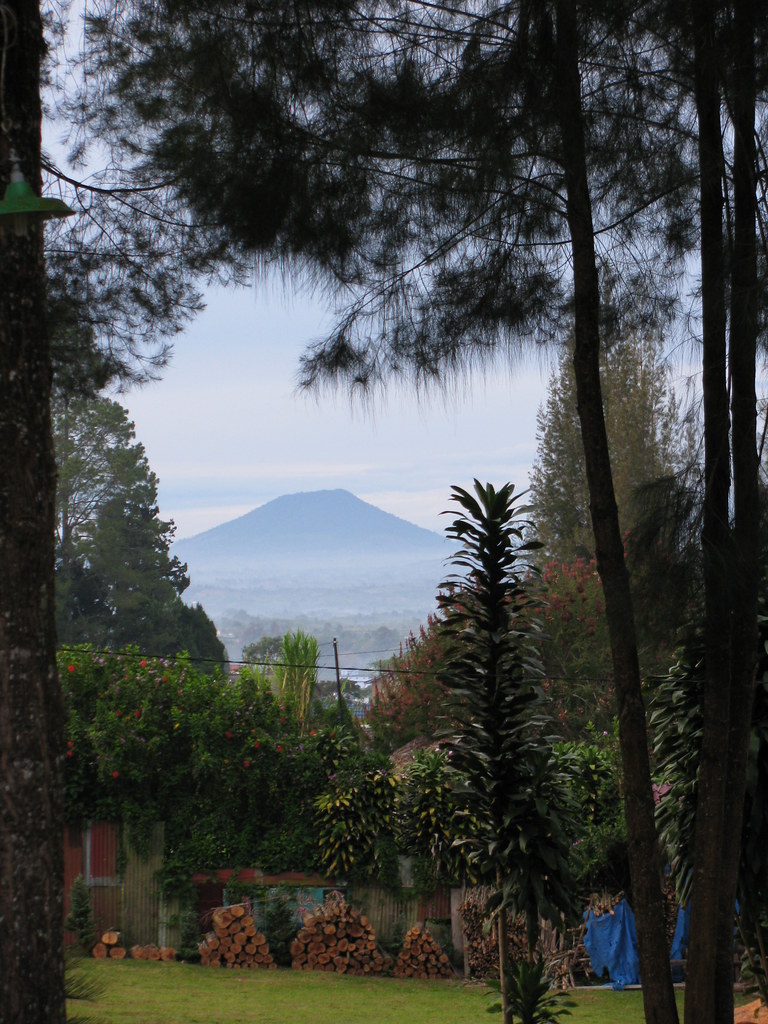
Approaching Mount Matebian, the landscape unfolds into a dramatic tapestry of rugged limestone peaks and lush green valleys. The mountain’s sacred aura is palpable, steeped in local legend as the resting place of ancestral spirits. Trekking here is a journey through time and culture, where every step on the steep slopes brings you closer to panoramic views of Timor-Leste’s coastline and hinterlands. The contrast between the dense vegetation of the lower hills and the stark rocky summit creates a striking visual and emotional experience. Reaching the summit, hikers are greeted by a solemn statue of Jesus Christ, a symbol of protection and reverence, marking the culmination of a physically demanding but spiritually rewarding ascent.
Geological Background of Mount Matebian
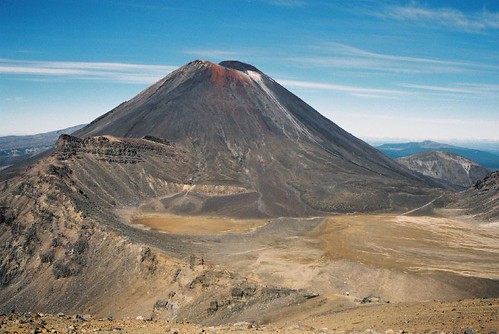
Mount Matebian is a stratovolcano formed primarily of limestone and volcanic materials, rising to 2,376 meters in Timor-Leste’s Baucau District. Its rugged massif features two main peaks: Mane (the male peak) and Feto (the female peak), with Mane being the higher summit. The mountain’s geology is characterized by extensive limestone outcrops and rocky ridges, shaped by tectonic uplift and erosion rather than recent volcanic activity. Although dormant, the area bears the marks of its volcanic past, with steep slopes and rocky terrain that challenge trekkers. The mountain’s formation is intertwined with the island’s complex geological history, involving subduction and uplift processes that created its dramatic topography. Fumaroles or active volcanic features are absent, but the mountain’s limestone cliffs and caves hold historical significance, having served as refuges during wartime.
Terrain and Hiking Experience on Mount Matebian
The trek up Mount Matebian is a demanding adventure that tests both physical endurance and mental resolve. The trail begins on a dirt road that quickly transitions into narrow dirt paths winding through rural villages and agricultural terraces. Hikers traverse grassy slopes dotted with sparse trees and dense shrubbery, gradually ascending into more rugged terrain. As the elevation increases, the path becomes steeper and rockier, requiring careful footing and occasional scrambling over large boulders and limestone outcrops. The terrain is uneven and can be slippery, especially after rain, making sturdy hiking boots essential. The ascent involves an altitude gain of approximately 1,100 meters, with little shade along the way, exposing trekkers to intense sun and variable wind conditions. The air thins as you climb, and temperature fluctuations are common, with cooler, misty conditions near the summit. The trail’s ruggedness and lack of clear markings necessitate a local guide familiar with the mountain’s many intersecting paths. The descent retraces the ascent route, demanding caution due to loose scree and slippery rocks. Despite the physical challenges, the hike rewards trekkers with breathtaking views of Timor-Leste’s diverse landscapes, from coastal reefs to verdant valleys, and a profound connection to the mountain’s cultural heritage.
What Makes the Mount Matebian Trek Unique
Mount Matebian stands out for its profound cultural significance and challenging terrain. Known as the ‘Mountain of Souls,’ it is a sacred site where local Timorese believe ancestral spirits reside. The summit features a statue of Jesus Christ, erected in 1993, symbolizing protection and reverence. The mountain’s history as a refuge during the Indonesian occupation adds a layer of solemnity and resilience to the trek. Unlike more frequented volcanoes, Matebian offers a raw and authentic experience with minimal tourist infrastructure, allowing hikers to immerse themselves in untouched nature and local traditions. The rugged limestone formations, panoramic coastal views, and the spiritual atmosphere create a trekking experience that is both physically demanding and emotionally enriching.
Summit and Crater Experience on Mount Matebian
Reaching the summit of Mount Matebian is a moment of awe and reflection. The rocky peak is crowned by a large statue of Jesus Christ, standing on a built-up platform, which serves as a pilgrimage site for locals. From this vantage point, clear days reveal sweeping panoramas stretching to the northern and southern coasts of Timor-Leste. The summit’s limestone outcrops provide a dramatic foreground to the vast sky and distant ocean views. The air is often cool and misty, adding a mystical quality to the experience. Unlike active volcanoes, there is no crater activity, but the mountain’s spiritual significance and historical context imbue the summit with a unique atmosphere. The silence is punctuated only by the wind and the occasional call of birds, inviting hikers to pause and absorb the mountain’s powerful presence.
Best Time to Trek Mount Matebian
The optimal trekking season for Mount Matebian is from August to October, when the weather is generally dry and cloud cover is minimal. These months offer the clearest views and safer trail conditions, as the steep and rocky paths can become treacherous during the rainy season. Guides may refuse to lead treks if heavy rain or low cloud cover is forecasted, emphasizing the importance of planning your hike during the dry season. Temperatures range from cool mornings around 10°C to warmer afternoons near 25°C, with significant temperature drops near the summit. Avoid the wet season, typically from November to April, when trails are slippery and access roads can be impassable. Religious pilgrimages often occur in May and October, adding cultural interest but also increased local activity on the mountain.
Routes and Trail Options for Mount Matebian
The primary route to Mount Matebian’s summit starts from the village of Waiboro, located near the town of Baguia. Trekkers typically begin with a 1 to 1.5-hour drive from Baguia to the trailhead via steep and rough roads. The ascent from Waiboro involves a steep climb of approximately 1,100 meters in elevation over 3 to 5 hours. The trail is unmarked and rugged, requiring a local guide to navigate the intersecting paths and avoid getting lost. Some trekkers opt for a three-day itinerary, camping overnight in mountain villages such as Uaiboro, which lies at about 1,200 meters elevation, allowing for a more gradual ascent and cultural immersion. Alternatively, experienced hikers may complete the summit in a demanding day hike, returning the same way. The descent follows the ascent route and requires caution due to loose scree and slippery rocks. There are no formal alternative routes, but local guides may suggest variations to explore nearby villages or viewpoints. Guided tours are highly recommended for safety and cultural insight.
Difficulty Assessment of Mount Matebian Trek
Mount Matebian is classified as a demanding volcano trek. The steep elevation gain of around 1,100 meters, combined with rugged, rocky terrain and limited trail markings, requires good physical fitness and hiking experience. The lack of shade and exposure to sun and wind add to the challenge. Scrambling over boulders and navigating slippery limestone outcrops demand sure-footedness and caution. Altitude effects are moderate but noticeable near the summit. The trek is not technical mountaineering but is significantly more challenging than beginner or moderate volcano hikes. Proper preparation, acclimatization, and the use of a local guide are essential for a safe and successful ascent.
Essential Gear for Trekking Mount Matebian
Key gear for Mount Matebian includes sturdy hiking boots with excellent grip to handle rocky and slippery terrain. Trekking poles are highly recommended to aid balance on steep ascents and descents. Lightweight, breathable clothing with sun protection is essential due to limited shade. A windproof jacket is advisable for cooler summit conditions. Carry sufficient water and snacks, as there are no facilities on the trail. A headlamp is useful for early starts or late finishes. A basic first aid kit and blister care supplies are important. While volcanic gases are not a concern here, a hat and sunscreen are necessary to protect against strong tropical sun. GPS or a map is helpful but not a substitute for a knowledgeable local guide.
Safety and Volcanic Hazards on Mount Matebian
Mount Matebian is a dormant stratovolcano with no recent volcanic activity, so volcanic hazards such as eruptions or gas emissions are not a concern. However, the mountain’s rugged terrain presents significant safety challenges. Steep, loose scree and slippery limestone rocks increase the risk of falls and injuries. Weather can change rapidly, with mist and rain making paths treacherous. The lack of marked trails means hikers can easily become disoriented without a local guide. There are no emergency services on the mountain, so preparation and caution are paramount. Respect for the mountain’s cultural significance is also important; hikers should maintain quiet and avoid disturbing sacred sites. Local guides are familiar with the terrain and weather patterns and provide critical safety support.
Permits, Guides, and Logistics for Mount Matebian Trek
While there is no formal permit system for climbing Mount Matebian, hiring a local guide is essential due to the mountain’s unmarked and complex trail network. Guides provide navigation, cultural interpretation, and safety support. Tour operators such as Eco Discovery Timor-Leste and Dive, Trek & Camp Tours offer organized 3-day packages including transportation, accommodation, guiding services, and meals. These tours typically cost around US$485 per person based on small group sizes. Independent trekkers can arrange guides locally in Baguia or Waiboro villages, but prior coordination is advised. Access to the trailhead involves a 4WD vehicle due to rough roads, with a 1 to 1.5-hour drive from Baguia. Public transport options to Baguia exist but are limited and less reliable. Accommodation logistics usually involve overnight stays in Baguia, where guesthouses such as Rabilai Guesthouse provide basic rooms and meals. Trekkers should plan for early starts to avoid afternoon weather changes and carry sufficient supplies, as there are no facilities on the mountain. Booking tours well in advance is recommended, especially during the dry season from August to October, when demand peaks.
Where to Stay and Nearby Bases for Mount Matebian Trek
Baguia serves as the primary base for Mount Matebian treks, located approximately 43 kilometers from the north coast town of Laga and accessible by rough dirt roads. Accommodation options in Baguia are limited but welcoming, with Rabilai Guesthouse being the most notable. This guesthouse offers six simple rooms, some with basic ensuite bathrooms, and communal facilities. Guests enjoy home-cooked meals prepared by the owners, Sr. Martino and Sra. Adelaide, who provide warm hospitality and local insights. The guesthouse is conveniently located near the Baguia Church and can arrange local guides for the mountain ascent. For trekkers seeking a more immersive experience, overnight stays in mountain villages like Uaiboro are possible, offering a glimpse into traditional Timorese life. Nearby towns such as Baucau provide additional lodging and amenities, including hotels and restaurants, and serve as a transit point for reaching Baguia. Due to the remote location and limited infrastructure, booking accommodations and guides ahead of time is advisable to ensure availability and a smooth trekking experience.