
Mount Soputan Volcano Trekking Guide: Conquer North Sulawesi’s Active Stratovolcano
Mount Soputan, an active stratovolcano in North Sulawesi, Indonesia, offers a demanding yet rewarding trekking experience through diverse volcanic terrain, dense forests, and panoramic crater views. This guide covers geology, routes, safety, permits, and accommodations for adventurous volcano hikers.
Quick Volcano Snapshot
| Attribute | Value |
|---|---|
| Volcano type | Stratovolcano |
| Elevation | 1,784 meters |
| Location | North Sulawesi, Indonesia |
| Activity status | Active |
| Trekking difficulty | Demanding |
| Typical trek duration | 5 to 7 hours (one way) |
| Altitude gain | Approximately 1,000 meters |
| Terrain type | Volcanic ash slopes, lava fields, pine forests, rocky terrain |
| Best season | Dry season (May to September) |
| Temperature range | 10°C to 25°C |
| Permit requirement | Required; permits arranged via local tour operators |
Introduction: The Experience of Hiking Mount Soputan
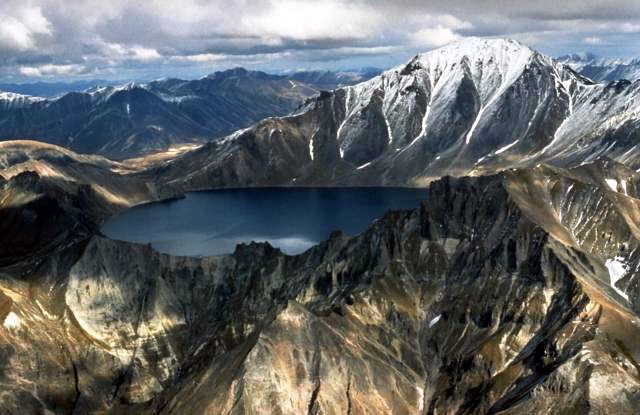
Approaching Mount Soputan, the landscape unfolds with raw volcanic power and lush tropical greenery. The trail leads through open plantations and dense pine forests, contrasting sharply with the barren, black volcanic sands near the summit. The air carries the sharp scent of sulfur, a reminder of the volcano’s active nature. As you ascend, the terrain shifts from soft ash to rugged lava rock, demanding focus and stamina. Reaching the crater rim, the panorama reveals steaming fumaroles and expansive views of North Sulawesi’s coastline, evoking a profound connection to Earth’s fiery heart.
Geological Background of Mount Soputan
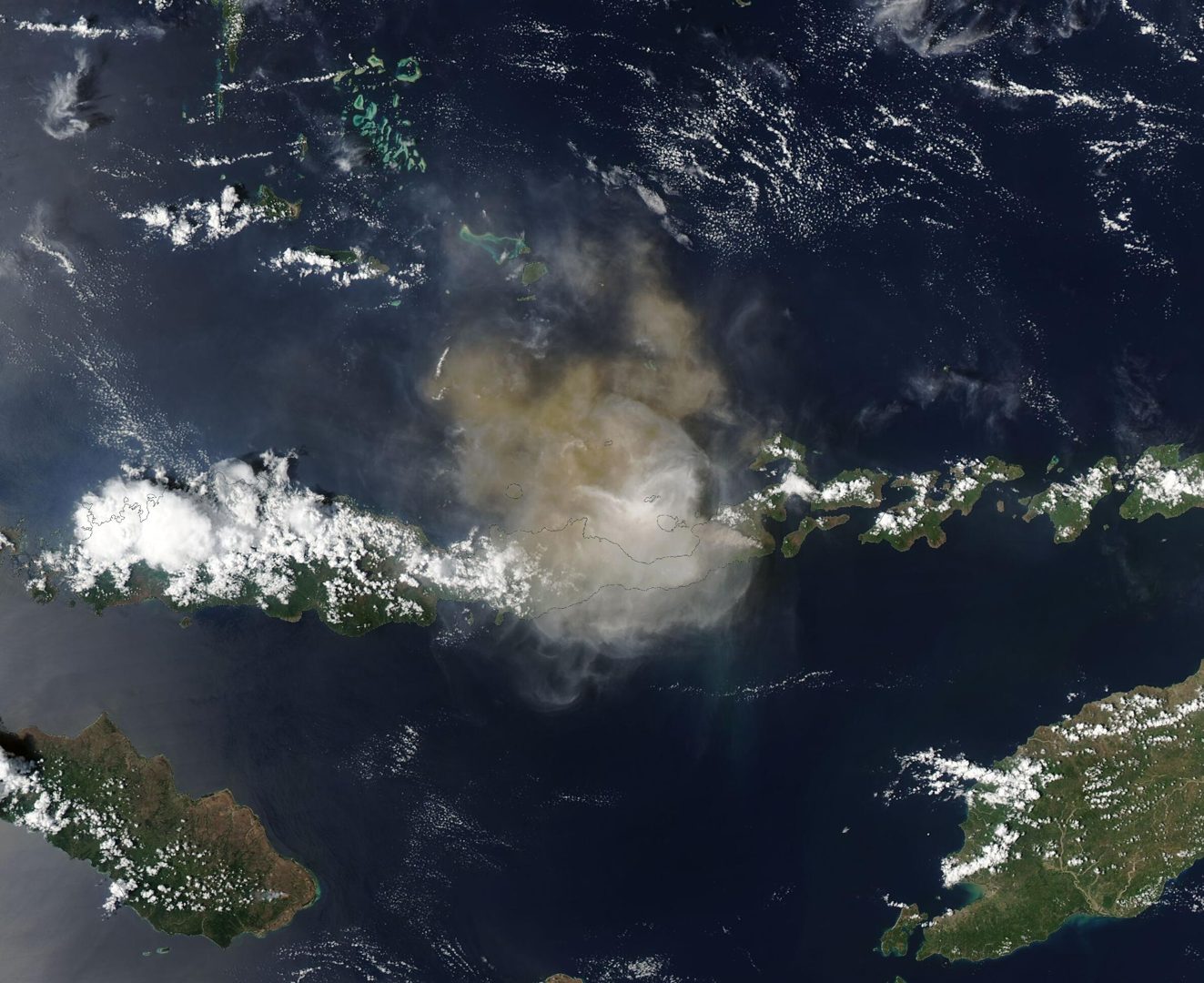
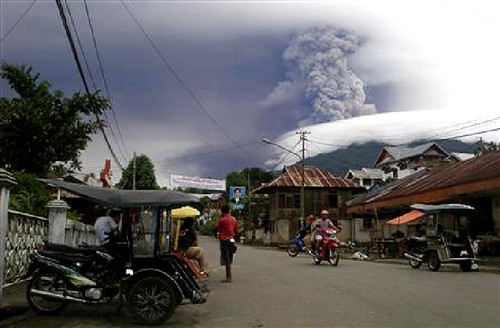
Mount Soputan is a stratovolcano located on the southern rim of the Tondano caldera in North Sulawesi, Indonesia. Formed by successive layers of andesite and basalt lava flows and volcanic ash, it stands approximately 1,784 meters tall. Its geological youth is evident in the sparse vegetation on its cone, shaped by frequent eruptions. Soputan’s eruptions are typically short-lived but intense, occurring almost annually in recent decades. The volcano features two peaks: the older, vegetated ‘induk’ (mother) peak and the younger, active ‘anak’ (child) peak. The crater emits sulfurous gases and fumaroles, with deposits of sulfur and unique volcanic minerals enriching the landscape. These geological features make Soputan a dynamic natural laboratory and a compelling destination for volcano enthusiasts.
The Volcano Trek: Terrain and Hiking Experience
The trek up Mount Soputan is a demanding journey through varied volcanic terrain that challenges even experienced hikers. Starting at approximately 800 meters elevation near Pinabetengan village, the trail initially passes through open fields and agricultural plantations, offering wide views of the surrounding landscape including Tondano Lake and distant peaks like Gunung Klabat. After about an hour, hikers enter a dispersed pine forest where the path narrows and steepens. The forest becomes denser as you ascend, with the ground often covered in volcanic ash, especially after recent eruptions, making footing unstable and requiring careful steps. Fallen trees and uneven roots add to the challenge.
Midway through the forest, the trail includes a landslide section where hikers must use a rope for support to navigate the eroded slope safely. Shortly after, the path transforms into a shallow streambed, requiring wading through water while inhaling the strong sulfur scent that signals proximity to volcanic activity. A man-made cement pool here collects sulfur-rich water, which is unsafe to drink.
Beyond the stream, the trail climbs steeply to a flat clearing known as the basecamp at around 1,326 meters. This pine forest clearing is a common camping spot for multi-day trekkers. From basecamp, the volcano’s smoking cone appears deceptively close but remains about 4 kilometers away. The trail continues over black volcanic sand and rocky slopes, exposed to intense sun with no shade, demanding sun protection and hydration.
The final ascent involves steep, slippery slopes of volcanic sand and loose rock. The summit area has two peaks: the ‘anak’ peak, which is more accessible, and the true summit ‘induk,’ which may be unsafe or inaccessible due to volcanic activity and rockfall hazards. The terrain here is rugged and requires sure-footedness and caution. Throughout the hike, trekkers experience significant altitude gain, variable temperatures, and occasional strong winds near the summit, all contributing to the trek’s demanding nature. The diverse terrain—from farmland to dense forest, river crossings, and volcanic scree—makes this a comprehensive and exhilarating volcano hiking experience.
What Makes the Mount Soputan Trek Unique
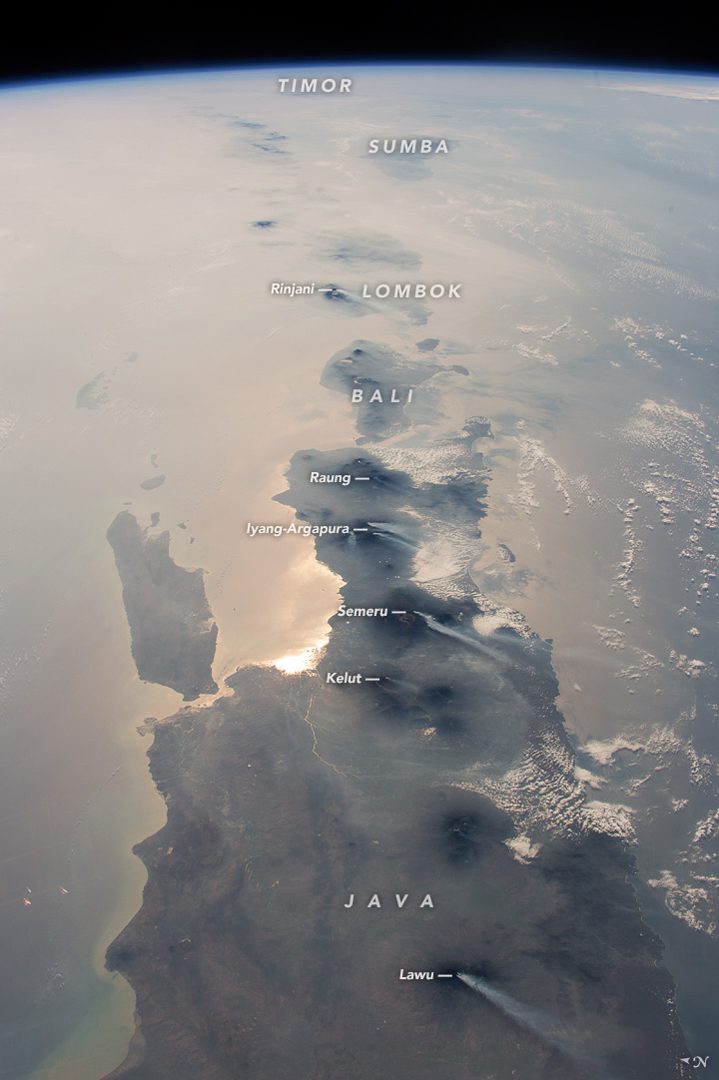
Mount Soputan stands out for its status as one of Sulawesi’s most active volcanoes, offering trekkers the rare opportunity to witness volcanic activity up close. The volcano’s dual peaks provide contrasting experiences: the older, vegetated summit and the younger, steaming cone. The trail’s passage through diverse ecosystems—from tropical plantations and pine forests to barren volcanic sands—creates a dynamic hiking environment. Unique flora such as wild berries and edelweiss flowers add botanical interest, while sightings of exotic wildlife like macaques and hornbills enrich the journey. The sulfurous fumaroles and steaming vents near the crater create a dramatic sensory experience, with sights, smells, and sounds that evoke the planet’s primal forces. The panoramic views from the summit encompass the Tondano caldera and North Sulawesi’s coastline, making this trek a compelling blend of natural beauty and geological wonder.
Summit and Crater Experience
Reaching the summit area of Mount Soputan is a moment of intense reward and awe. From the vantage point, hikers witness the active crater emitting plumes of sulfurous gas that swirl against the sky. The air is thick with the sharp scent of sulfur, and the ground beneath radiates residual heat from fumaroles. The sound of escaping gases adds an eerie soundtrack to the scene. The panoramic vista stretches across the Tondano caldera, neighboring volcanoes like Lokon and Klabat, and the distant North Sulawesi coastline. The stark contrast between the barren volcanic cone and the lush landscapes below underscores the volcano’s raw power. The summit’s exposed terrain demands caution, especially near the true peak, which may be closed due to safety concerns. Many hikers opt for the slightly lower ‘anak’ peak, which still offers breathtaking views and a profound sense of standing on the edge of an active volcano.
Best Time to Trek Mount Soputan
The optimal period for trekking Mount Soputan is during the dry season, from May to September, when rainfall is minimal and trail conditions are more stable. During this time, the risk of slippery slopes and stream flooding decreases, making the ascent safer and more enjoyable. Early morning starts are recommended to avoid the midday heat and to experience spectacular sunrises from the summit. Due to the volcano’s active status, trekkers should monitor volcanic activity reports and heed any closures or warnings issued by local authorities. Avoiding the rainy season is crucial, as heavy rains can trigger landslides and increase the difficulty of navigating the volcanic terrain. Planning your trek with a reputable local guide ensures up-to-date safety information and the best timing for your adventure.
Trekking Routes and Trail Options on Mount Soputan
The primary and most established route to Mount Soputan’s summit begins at Pinabetengan village, situated at approximately 800 meters elevation on the volcano’s eastern flank. This route is favored for its accessibility and well-marked trail, which passes through farmland, pine forests, and volcanic terrain. The trailhead is reachable by road from nearby towns such as Tomohon and Manado, with a drive of about 1 to 2 hours.
An alternative route starts from Tombatu village, slightly shorter but less commonly used. Both routes converge near the basecamp area at around 1,326 meters, where hikers often camp if undertaking a multi-day ascent.
The Pinabetengan route typically takes between 5 to 7 hours to reach the summit, depending on fitness and pace. Most guided tours ascend to the ‘Aeseput’ point, about 200 meters below the true summit, due to safety concerns related to volcanic activity and rockfall near the peak. From basecamp, the trail continues over black volcanic sand and steep slopes to the summit area, where hikers can choose between the ‘anak’ (child) peak and the ‘induk’ (mother) peak, the latter sometimes inaccessible.
Guided options are widely available through local operators, offering safety briefings, logistical support, and insights into the volcano’s geology and ecology. Self-guided trekking is possible but not recommended due to the challenging terrain and active volcanic hazards. The trail features varied terrain, including stream crossings, landslide sections requiring rope assistance, and exposed volcanic sand slopes, demanding good physical condition and proper equipment.
Difficulty Assessment of Mount Soputan Trek
Mount Soputan is classified as a demanding volcano trek. The trail involves significant altitude gain of approximately 1,000 meters over steep and varied terrain. Hikers must navigate loose volcanic ash, slippery lava rocks, and exposed slopes with little shade. The presence of stream crossings and landslide-prone sections adds technical challenges requiring sure-footedness and sometimes rope assistance.
Altitude effects are moderate given the summit’s elevation of 1,784 meters, but the physical exertion combined with the rugged terrain requires good cardiovascular fitness and stamina. The final ascent to the summit can be steep and slippery, with potential rockfall hazards due to the volcano’s active status.
This trek is best suited for experienced hikers comfortable with moderate to difficult mountain trails. Beginners should consider guided tours that provide support and safety oversight. Overall, the trek demands preparation, proper gear, and respect for the volcano’s dynamic environment.
Essential Volcano Trekking Gear for Mount Soputan
Successful trekking on Mount Soputan requires gear tailored to active volcanic terrain and tropical mountain conditions. Essential items include sturdy hiking boots with excellent grip and ankle support to handle loose volcanic ash and rocky slopes. Trekking poles are highly recommended to aid balance and reduce strain on steep ascents and descents.
Volcanic ash gaiters help protect boots and lower legs from fine ash and debris. A windproof and waterproof jacket is necessary to guard against sudden weather changes common in tropical mountains. Due to sulfurous gases near the crater, a lightweight gas mask or respirator can enhance comfort and safety.
Sun protection is critical as higher slopes offer no shade; bring sunscreen, sunglasses, and a wide-brimmed hat. A headlamp is useful for early morning or late evening starts. Hydration systems or water bottles with sufficient capacity are essential, as water sources along the trail are unsafe to drink. Trail snacks and energy bars help maintain stamina. Finally, a basic first aid kit and emergency whistle are prudent safety additions.
Safety and Volcanic Hazards on Mount Soputan
Mount Soputan’s active status presents specific hazards that require careful attention. Volcanic gases, primarily sulfur dioxide, can cause respiratory irritation; hikers should monitor air quality and consider using gas masks near fumaroles. The crater rim and summit areas are unstable, with loose rocks and frequent rockfalls, especially during or after eruptions or seismic activity.
Landslide-prone sections on the trail demand caution, and ropes are installed in some areas to assist safe passage. Sudden weather changes, including heavy rain and strong winds, can increase risks by making slopes slippery and reducing visibility.
The volcano is monitored by Indonesian geological agencies, which issue warnings and restrict access during heightened activity. Trekkers must heed all official advisories and only attempt the climb with experienced local guides who understand current conditions. Emergency plans and communication devices are recommended. Prior physical preparation and proper gear significantly reduce risks, ensuring a safer trekking experience.
Permits, Guides, and Logistics for Mount Soputan Trekking
Trekking Mount Soputan requires obtaining permits issued by local authorities to ensure safety and environmental protection. These permits are typically arranged through licensed tour operators or local guides. Independent trekking without permits is discouraged due to the volcano’s active status and safety regulations.
Several reputable tour operators specialize in Mount Soputan trekking, including Indopremier Tour, Jotje Lala Tours and Travel, Wandernesia, Veronika’s Adventure, and Azimuth Adventure Travel Ltd. These companies provide comprehensive packages that include permits, professional guides, transportation from Manado or Tomohon, equipment rental, and accommodation arrangements.
Permit costs vary but generally range from $10 to $30 per person, often included in tour prices. Guided tours cost approximately $120 to $150 per person for day trips, with multi-day options available. Guides are certified and knowledgeable about volcanic activity, trail conditions, and emergency procedures.
Logistically, the trek starts from Pinabetengan or Tombatu villages, accessible by a 1 to 2-hour drive from Manado, the nearest major city with an international airport. Transportation is usually provided by tour operators. Hikers should plan for early morning departures to maximize daylight and avoid afternoon weather hazards.
Accommodation options near the trailheads include guesthouses and homestays in Tombatu and Tomohon, with basic to mid-range amenities. Some trekkers opt to camp at the basecamp on the volcano for multi-day ascents. It is essential to coordinate logistics with tour operators to ensure permits, guides, and transport are secured well in advance, especially during peak trekking seasons.
Where to Stay and Nearby Bases for Mount Soputan Trekking
Accommodations for Mount Soputan trekkers are primarily located in nearby towns such as Tomohon, Tombatu, and Manado. Tomohon, about an hour’s drive from the trailhead at Pinabetengan, offers several comfortable hotels and guesthouses, including the Lokon Boutique Hotel and Highland Resort, which provide modern amenities and easy access to the volcano.
Tombatu village, closer to the basecamp, features local homestays and guesthouses that offer authentic cultural experiences and basic facilities. Staying here allows early starts and immersion in the local community but requires advance booking due to limited capacity.
Manado, the provincial capital located approximately 55 to 60 kilometers from Mount Soputan, serves as the main gateway for international and domestic travelers. It offers a wide range of accommodations from budget hostels to upscale hotels such as the Four Points by Sheraton Manado and the Sintesa Peninsula Hotel. Staying in Manado provides access to transportation services, tour operators, and urban comforts before and after the trek.
For multi-day trekking, camping is possible at the basecamp situated at 1,326 meters elevation on the volcano. The basecamp offers a flat clearing suitable for tents, though facilities are minimal. Trekkers should bring their own camping gear and supplies.
Overall, planning accommodations in Tomohon or Manado combined with guided transport to the trailhead offers the best balance of comfort and convenience for Mount Soputan expeditions.