
Trekking Khangar Volcano: Exploring Kamchatka’s Dormant Stratovolcano with Crater Lake
Khangar is a dormant stratovolcano located in the central Kamchatka Peninsula, Russia. Featuring gentle slopes and a unique crater lake filling its 2 km-wide caldera, Khangar offers a moderate trekking challenge through pristine volcanic landscapes. This guide covers the geological background, detailed hiking terrain, routes, safety, permits, and accommodation options for an unforgettable volcano trekking experience in Kamchatka.
Quick Volcano Snapshot
| Attribute | Value |
|---|---|
| Volcano type | Stratovolcano |
| Elevation | 1,967 m (6,453 ft) |
| Location | Kamchatka Peninsula, Russia |
| Activity status | Dormant |
| Trekking difficulty | Moderate |
| Typical trek duration | 1-2 days |
| Altitude gain | Approximately 600-700 m |
| Terrain type | Gentle volcanic slopes, crater lake, volcanic rock and ash |
| Best season | June to September |
| Temperature range | 10°C to 20°C (50°F to 68°F) in summer |
| Permit requirement | Required for Kamchatka Volcanoes Nature Park |
The Experience of Hiking Khangar Volcano
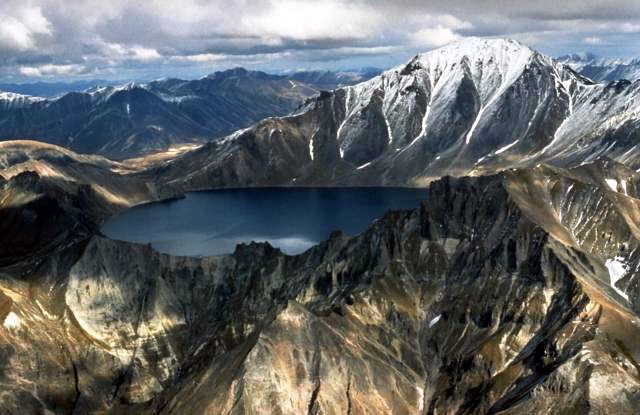
Approaching Khangar Volcano, trekkers are greeted by a serene yet powerful landscape. The gentle slopes of this dormant stratovolcano contrast with the rugged volcanic terrain typical of Kamchatka. As you ascend, the vast 2 km-wide caldera filled by a tranquil crater lake comes into view, a rare and captivating sight. The silence around the crater is profound, broken only by the whisper of the wind and the occasional call of distant wildlife. Hiking Khangar offers a unique blend of geological wonder and peaceful wilderness, culminating in the emotional reward of standing beside a pristine volcanic lake surrounded by untouched nature.
Geological Background of Khangar Volcano
Khangar is a stratovolcano situated in the central part of the Kamchatka Peninsula, forming the southernmost peak of the Sredinny Range. Its volcanic structure was shaped by multiple eruptive phases, with the last known eruption occurring around 1500 AD. The volcano features a large 2 km-wide caldera, a depression formed by a massive explosive eruption that emptied the magma chamber beneath. This caldera is now filled by a crater lake, a distinctive feature that sets Khangar apart from many other Kamchatka volcanoes. The volcanic rocks around Khangar include layers of lava flows and ash deposits, interspersed with fumaroles and sulfur deposits that hint at its volcanic past. The geology of Khangar provides a window into the dynamic volcanic processes of the Kamchatka region, making it a fascinating destination for both trekkers and geology enthusiasts.
Terrain and Hiking Experience on Khangar Volcano
Trekking Khangar Volcano offers a moderately challenging adventure through varied volcanic terrain. The ascent begins on gentle slopes covered with volcanic ash and loose rock, requiring steady footing and moderate endurance. The trail gradually climbs through sparse vegetation typical of Kamchatka’s volcanic highlands, including hardy shrubs and alpine grasses. As you gain altitude, the terrain shifts to more rugged volcanic rock and pumice fields, demanding careful navigation and good hiking boots with solid grip. The volcanic ash can be loose and slippery, especially on steeper sections, so trekking poles are highly recommended for balance and support. The crater rim provides exposed ridges where wind conditions can be brisk and temperatures cooler, so layered clothing is essential. The highlight of the hike is reaching the caldera rim, where the expansive crater lake lies below, surrounded by steep walls formed by ancient lava flows. The lake’s calm surface contrasts with the raw volcanic landscape, offering a peaceful spot for rest and reflection. Altitude effects are mild given Khangar’s elevation of 1,967 meters, but hikers should still pace themselves and stay hydrated. The overall hiking experience combines physical challenge with immersive encounters with Kamchatka’s volcanic wilderness, making it a rewarding trek for those prepared for moderate terrain and variable weather.
What Makes the Khangar Volcano Trek Unique
Khangar Volcano stands out among Kamchatka’s volcanic giants due to its dormant status and the presence of a large crater lake filling its caldera. Unlike the active, steaming volcanoes nearby, Khangar offers a quieter, more contemplative trekking experience. The gentle slopes and accessible terrain make it suitable for trekkers seeking moderate difficulty without technical climbing. The crater lake is a rare geological feature in Kamchatka, providing stunning reflections of the surrounding caldera walls and a habitat for unique alpine flora and fauna. The trek also offers panoramic views of the Sredinny Range and the vast Kamchatka wilderness, a UNESCO World Heritage Site. This combination of geological tranquility, natural beauty, and moderate challenge makes Khangar a distinctive destination for volcano enthusiasts and adventure travelers alike.
Summit and Crater Experience at Khangar
Reaching the summit and crater rim of Khangar Volcano is a moment of serene triumph. The expansive caldera reveals a placid crater lake, its waters shimmering with hues of deep blue and green, framed by rugged volcanic cliffs. The air is crisp and carries a faint mineral scent, a reminder of the volcano’s fiery origins. Standing at the rim, hikers can gaze across the lake’s mirror-like surface, reflecting the sky and surrounding peaks. The silence here is profound, broken only by the gentle breeze and distant bird calls. Unlike active volcanoes, there is no sulfurous steam or volcanic rumbling, allowing for peaceful contemplation of the immense geological forces that shaped this landscape. The panoramic views stretch across the Sredinny Range, offering a breathtaking perspective of Kamchatka’s volcanic heartland.
Best Time to Trek Khangar Volcano
The optimal trekking season for Khangar Volcano is during the summer months from June to September. During this period, temperatures range between 10°C and 20°C (50°F to 68°F), providing mild and relatively stable weather conditions. The days are long, offering ample daylight for hiking and exploration. However, trekkers should be prepared for occasional rain showers and strong winds, especially near the summit. Spring and autumn can be unpredictable with snowmelt and colder temperatures, while winter conditions are harsh and generally unsuitable for trekking due to heavy snowfall and extreme cold. It is essential to monitor local weather forecasts and volcanic activity reports before planning your trip. Summer also coincides with the availability of local guides and tour operators, enhancing safety and logistics.
Trekking Routes and Trail Options on Khangar Volcano
The primary trekking route to Khangar Volcano begins from a trailhead accessible via local transport from Petropavlovsk-Kamchatsky, the main city in Kamchatka. The trail ascends gradually through volcanic ash slopes and sparse vegetation, leading to the caldera rim and crater lake. The typical trek duration ranges from one to two days, allowing for an overnight camp near the crater or a long day hike for experienced trekkers. There are no highly technical sections, making the route suitable for hikers with moderate fitness levels. Some tour operators offer combination tours that include helicopter access to reduce trekking time or multi-day hikes incorporating other nearby volcanic features. GPS tracks and detailed route maps are available from local guides and trekking companies, providing clear difficulty ratings and waypoints. While self-guided trekking is possible, hiring a local guide is recommended for safety and enhanced experience. Seasonal considerations such as snow cover and weather conditions may affect route accessibility, so planning with current information is crucial.
Difficulty Assessment of Khangar Volcano Trek
Khangar Volcano presents a moderate trekking challenge. The terrain consists mainly of gentle to moderately steep volcanic slopes covered with loose ash, pumice, and volcanic rock. The altitude of 1,967 meters is not extreme, so altitude sickness risk is low, but hikers should still acclimatize and maintain a steady pace. The trail requires good physical fitness, sure-footedness, and endurance for several hours of uphill hiking. Technical climbing skills are not necessary, and the route does not involve exposed ridges or dangerous scrambling. Weather conditions can add difficulty, with wind and rain making the volcanic ash slippery. Overall, Khangar is classified as a moderate volcano trek, suitable for hikers with some prior trekking experience and proper preparation.
Essential Gear for Trekking Khangar Volcano
Preparing for Khangar Volcano requires gear suited to volcanic terrain and variable weather. Essential items include sturdy hiking boots with excellent grip to handle loose volcanic ash and rocky surfaces. Trekking poles are highly recommended for balance and reducing strain on knees during ascent and descent. Layered clothing is necessary to adapt to temperature shifts and wind exposure near the crater rim. A windproof and waterproof jacket will protect against sudden weather changes. Sun protection such as a wide-brimmed hat, sunglasses, and sunscreen is important due to limited shade. Hydration systems or water bottles are essential, as water sources are limited on the trail. A headlamp is useful for early starts or late finishes. While Khangar is dormant, carrying a basic gas mask or respirator is advisable if visiting other active volcanoes nearby. A first aid kit, map, compass or GPS device, and emergency shelter complete the recommended gear list.
Safety and Volcanic Hazards on Khangar Volcano
Although Khangar is classified as dormant with no recent eruptions since 1500 AD, safety precautions remain essential. The volcanic terrain includes loose ash and pumice that can cause slips and falls, especially on steeper slopes. Crater edges may be unstable, so hikers should maintain a safe distance from the rim. Weather in Kamchatka can change rapidly, bringing strong winds, rain, or fog that reduce visibility and increase risk. While volcanic gases are minimal at Khangar, trekkers should be aware of potential hazards when visiting other active volcanoes in the region. It is advisable to check updates from the Kamchatka Volcanoes Nature Park and the Global Volcanism Program before and during the trek. Hiring experienced local guides enhances safety by providing knowledge of terrain conditions and emergency procedures. Carrying communication devices and informing others of your itinerary are recommended best practices.
Permits, Guides, and Logistics for Trekking Khangar Volcano
Trekking Khangar Volcano requires obtaining permits as it lies within the Kamchatka Volcanoes Nature Park, a protected UNESCO World Heritage Site. Permits can be secured at the park office in Yelizovo or remotely via email (visit@park-vulcany.ru). The permit process involves a fee and registration to ensure environmental protection and visitor safety. Hiring a local guide is highly recommended, both for navigating the volcanic terrain and for compliance with park regulations. Reputable tour operators offering guided trips to Khangar include Kamchatka Tours, RedRivers Travel Company, and 56th Parallel Russia Tours. These companies provide comprehensive packages that may include transportation from Petropavlovsk-Kamchatsky, accommodation arrangements, and optional helicopter transfers to reduce trekking time. Logistics in Kamchatka require careful planning due to the region’s remoteness and limited infrastructure. Public transport from Petropavlovsk to trailheads is available but infrequent, so coordinating with guides or operators is advisable. Equipment rental and safety briefings are often included in guided tours. Visitors should prepare for variable weather and carry sufficient supplies, as resupply points are scarce. Early booking of permits and guides is essential during the peak trekking season from June to September.
Where to Stay Near Khangar Volcano
Accommodation options near Khangar Volcano are primarily centered around Petropavlovsk-Kamchatsky, the main city and gateway to Kamchatka’s volcanic wilderness. The city offers a range of hotels, guesthouses, and hostels catering to different budgets. Notable hotels include the Azimut Hotel Kamchatka, known for comfortable rooms and central location, and the Paratunka Resort, which features hot springs and wellness facilities ideal for relaxing after trekking. For a more rustic experience, several eco-lodges and trekking camps operate in the region, providing basic amenities and proximity to trailheads. These include camps organized by local tour operators that offer guided multi-day treks with tent accommodations on the volcano slopes. The trailhead for Khangar is accessible by road from Petropavlovsk, typically requiring a 3-4 hour drive through remote wilderness. Some tours incorporate helicopter transfers that land closer to the volcano, reducing travel time and allowing for day hikes. Due to Kamchatka’s limited infrastructure, early reservations are recommended, especially during the summer trekking season. Staying in Petropavlovsk provides access to gear rental, local guides, and transport services, making it the most practical base for Khangar expeditions.