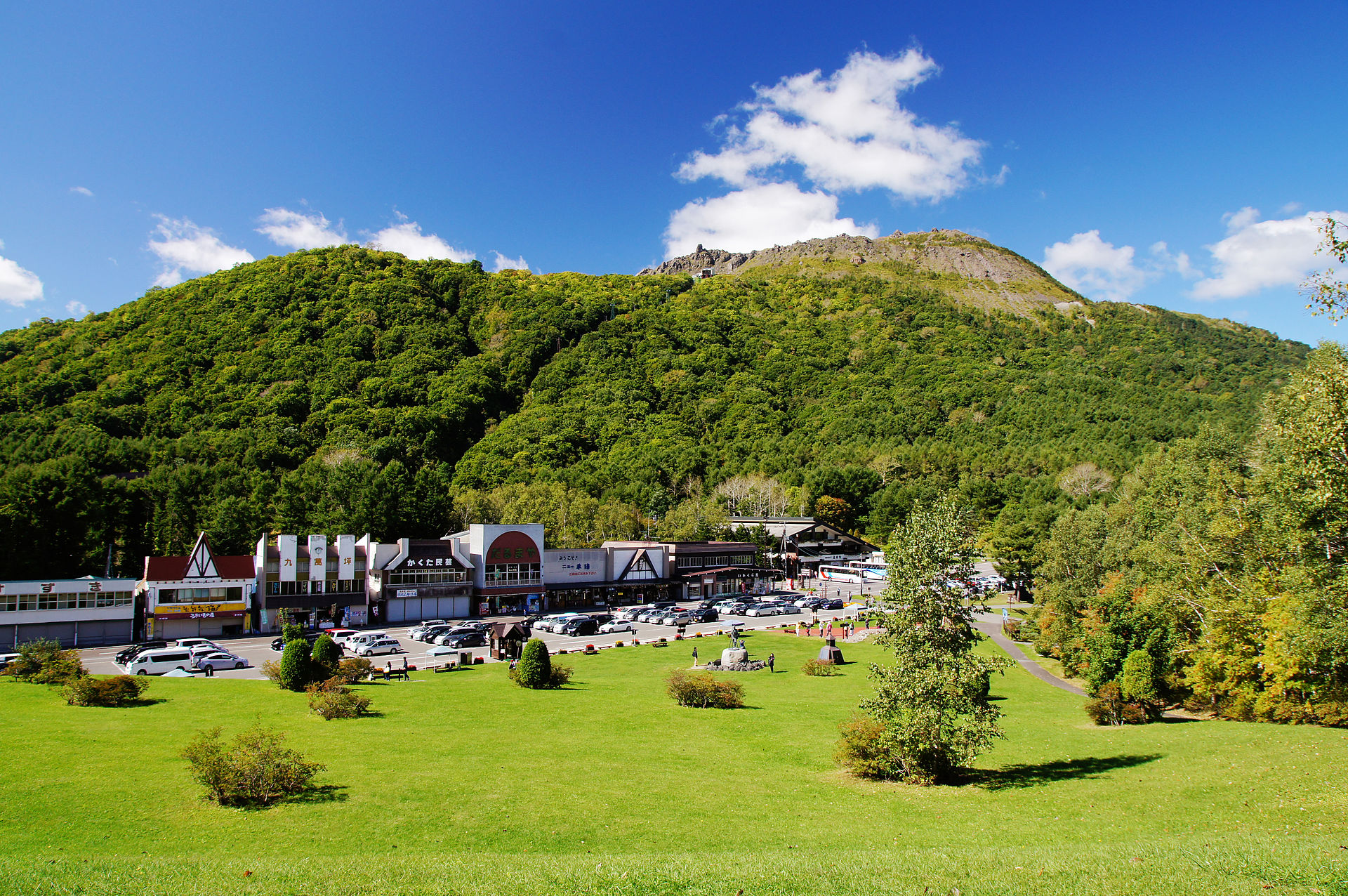

Hiking Mount Asama: A Complete Guide to Trekking Japan’s Most Active Stratovolcano
Mount Asama, Japan’s most active stratovolcano, offers adventurous trekkers a dramatic volcanic landscape, rich geological history, and diverse hiking routes near the scenic resort town of Karuizawa. This guide covers everything from terrain challenges and safety tips to permits, accommodations, and route options for a memorable volcano trekking experience.
Quick Volcano Snapshot
| Attribute | Value |
|---|---|
| Volcano type | Stratovolcano |
| Elevation | 2,568 meters |
| Location | Chubu, Japan |
| Activity status | Active |
| Trekking difficulty | Moderate |
| Typical trek duration | 4-5 hours one way |
| Altitude gain | Approx. 1,000 meters |
| Terrain type | Volcanic rock, ash slopes, forest trails |
| Best season | Late spring to autumn (May to October) |
| Temperature range | 5°C to 20°C (varies with season and altitude) |
| Permit requirement | Trekking itinerary submission required |
The Experience of Hiking Mount Asama
Approaching Mount Asama, the air thickens with the scent of sulfur and the distant hiss of steam vents. The landscape shifts dramatically from lush forests to barren volcanic rock, revealing the raw power of this active stratovolcano. As you ascend, the jagged lava formations and ash slopes tell stories of fiery eruptions past. The climb challenges your senses and stamina, culminating in breathtaking views of the crater’s steaming rim and the surrounding Northern Japan Alps. The emotional thrill of standing near one of Japan’s most volatile peaks is unmatched, offering a profound connection to the earth’s dynamic forces.
Geological Background of Mount Asama
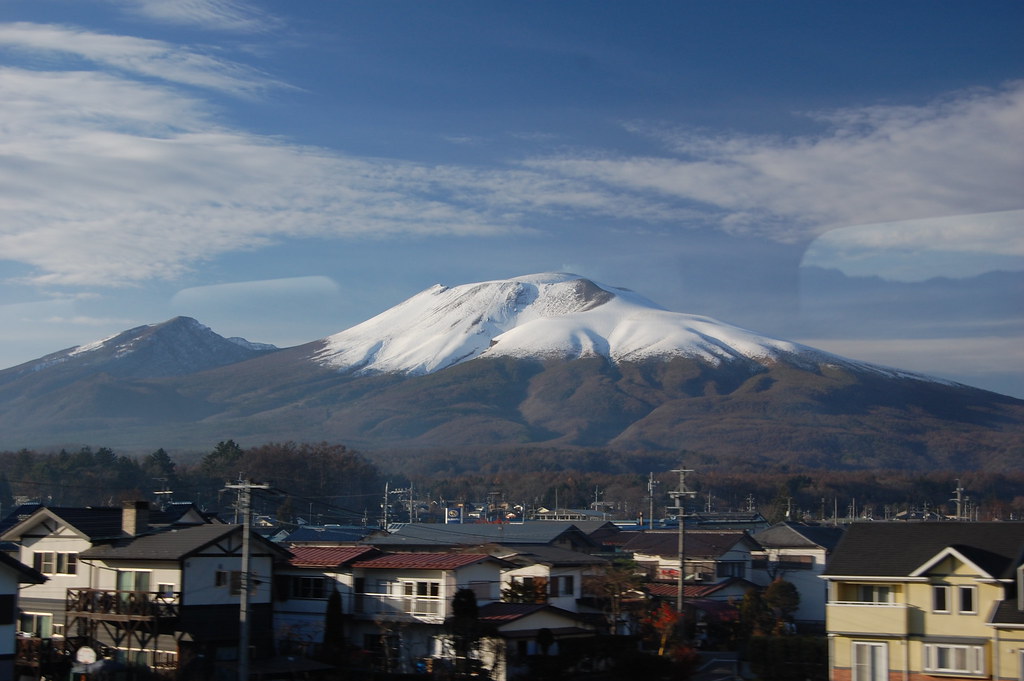
Mount Asama is a classic stratovolcano located on the border of Nagano and Gunma Prefectures in Japan’s Chubu region. It formed through repeated eruptions that layered lava flows and volcanic ash, building its steep conical shape. The volcano is renowned for its frequent activity, with the most devastating eruption occurring in 1783 during the Tenmei eruption. This event produced massive lava flows and deadly lahars that buried nearby villages, causing over 1,600 fatalities. The summit crater remains active, emitting steam and volcanic gases, including sulfur dioxide. Unique geological features include fumaroles, sulfur deposits, and jagged lava formations visible in areas like Onioshidashi Park. The volcano’s dynamic nature continues to shape the surrounding landscape, making it a living laboratory of volcanic processes.
The Volcano Trek: Terrain and Hiking Experience
Hiking Mount Asama offers a diverse and engaging terrain that challenges trekkers while rewarding them with spectacular volcanic scenery. The journey begins through dense forests with low-lying bamboo grass, providing a cool and shaded environment. As you gain elevation, the trail transitions to volcanic rock and ash slopes, where footing becomes more demanding. Loose pumice and gravel require careful steps, especially on steeper sections. The volcanic terrain includes jagged lava formations, remnants of past eruptions, which add a rugged texture to the landscape. Trekkers will encounter sections of ridge walking with panoramic views, but also exposed areas where wind can be strong and temperatures drop quickly. Altitude effects are moderate but noticeable, as the summit reaches 2,568 meters. The trail is well-marked but can be physically taxing, with an altitude gain of approximately 1,000 meters. Weather conditions can change rapidly, so hikers should be prepared for sudden shifts in temperature and wind. The volcanic environment demands respect; loose scree and unstable rocks require vigilance. Despite these challenges, the trail remains accessible to moderately fit hikers, offering a unique blend of natural beauty and geological intrigue. The ascent to Mt. Maekake (2,524m) is currently the closest safe point to the summit due to volcanic activity restrictions, providing stunning views of the crater and surrounding mountain ranges. Overall, the terrain and hiking experience combine technical volcanic features with accessible trail sections, making Mount Asama a compelling destination for volcano enthusiasts.

What Makes the Mount Asama Trek Unique
Mount Asama stands out as one of Japan’s most active volcanoes, offering trekkers a rare opportunity to witness an ever-changing volcanic landscape. Its frequent eruptions have sculpted dramatic lava fields and ash slopes, creating a terrain that is both challenging and visually striking. The proximity to Onioshidashi Park, with its chaotic lava formations, adds a surreal dimension to the trek. The volcano’s dynamic activity means hikers can observe fumaroles and steam vents emitting sulfurous gases, a vivid reminder of the earth’s inner power. Additionally, the cultural significance of the area, including the Asama Volcano Museum and the Asamayama Kannondo Temple, enriches the experience by connecting natural history with local heritage. The combination of active volcanic phenomena, geological diversity, and cultural landmarks makes the Mount Asama trek a uniquely immersive adventure.
The Summit and Crater Experience
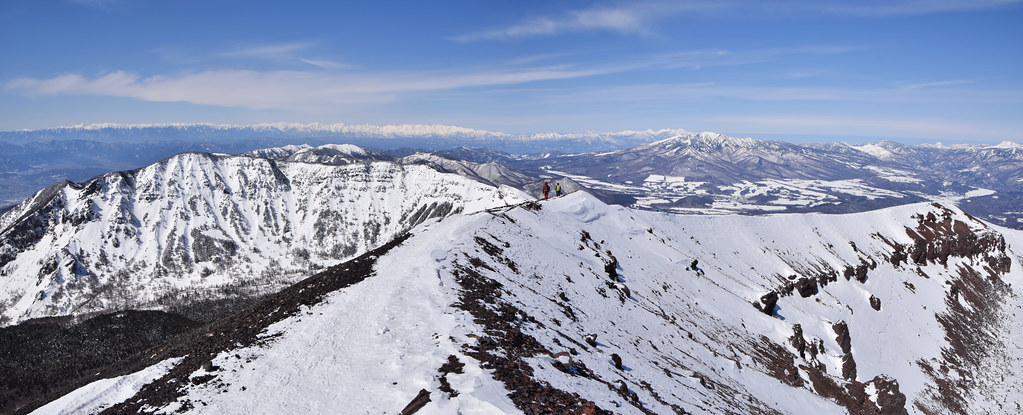
Reaching the summit area of Mount Asama, hikers are greeted by a dramatic panorama of the Northern Japan Alps and the rugged volcanic terrain below. Although direct access to the summit crater is restricted due to volcanic activity, the nearby Mt. Maekake offers an impressive vantage point. Here, the smell of sulfur lingers in the crisp mountain air, and the ground vibrates subtly with the volcano’s restless energy. Steam vents hiss softly, releasing plumes of white gas that contrast starkly against the dark volcanic rock. The sight and sound of this active crater evoke a profound sense of awe and respect for the forces shaping the earth. The panoramic views extend across lush valleys and distant peaks, providing a breathtaking reward for the challenging ascent.
Best Time to Trek Mount Asama
The optimal trekking season for Mount Asama spans from late spring through autumn, typically May to October. During this period, weather conditions are generally stable, and trails are free of snow, making the ascent safer and more enjoyable. Summer months offer mild temperatures but can bring sudden rain showers, so waterproof gear is essential. Autumn is particularly popular for its vibrant foliage, enhancing the scenic beauty of the hike. Winter and early spring are not recommended due to snow cover and increased avalanche risk. Additionally, hikers must monitor volcanic activity levels via the Japan Meteorological Agency, as eruptions or increased gas emissions can lead to trail closures. Early morning climbs are favored to avoid afternoon weather changes and to experience serene mountain atmospheres.
Trekking Routes and Trail Options on Mount Asama
Mount Asama offers several distinct trekking routes catering to different skill levels and interests. The primary route is the Asama Trail, starting near the Asama-sansō mountain hut on the Nagano side. This well-maintained trail ascends approximately 1,000 meters over 4-5 hours one way, leading hikers to Mt. Maekake at 2,524 meters, the closest safe point to the summit crater. Due to volcanic activity, access beyond this point is restricted. The trail features a mix of forest paths, volcanic rock, and ash slopes, providing a comprehensive volcanic hiking experience. Another popular option is the Karuizawa Trail, beginning in the resort town of Karuizawa. This route is gentler, passing through lush forests and wildflower meadows, ideal for families and novice hikers seeking a scenic, low-intensity trek. For those desiring solitude and rich biodiversity, the Nakanokura Trail offers a quieter alternative with peaceful natural surroundings away from busier paths. Both the Kurofu Course, accessed from Kuruma-zaka Pass, and the Kazankan Volcano Visitor Center Course, starting near Hotel Tengu Onsen Asama Sanso, provide circuit trekking options connected by shuttle buses. These routes showcase varied volcanic landscapes and panoramic views. Hikers should plan according to current volcanic activity advisories, as some trails may be temporarily closed for safety. Guided tours are available through operators like Karuizawa Private Tours, offering curated experiences tailored to different preferences and fitness levels.

Difficulty Assessment of Mount Asama Trek
Mount Asama’s trek is classified as a moderate volcano ascent. The trail involves steady elevation gain of about 1,000 meters, with sections of steep ash slopes and loose volcanic rock requiring sure-footedness. While technical climbing skills are not necessary, hikers should possess good physical fitness and experience with uneven terrain. Altitude effects are mild but can affect those unaccustomed to elevations above 2,000 meters. Weather variability and exposure near the summit add to the challenge. The trail is well-marked and maintained, but volcanic activity restrictions may require detours or early turnarounds. Overall, the trek suits intermediate hikers comfortable with mountain conditions and prepared for sudden weather changes.
Essential Gear for Trekking Mount Asama
Proper gear is vital for a safe and enjoyable hike on Mount Asama. Recommended items include sturdy hiking boots with good ankle support and grip to handle loose volcanic rock and ash. Trekking poles help maintain balance on steep or slippery sections. Layered clothing is essential to adapt to temperature changes, including a windproof and waterproof jacket. A gas mask or respirator is advisable due to occasional sulfur dioxide emissions near the crater area. Headlamps are useful for early morning or late afternoon climbs. Carry ample water and high-energy snacks to stay hydrated and fueled. Sun protection, such as sunglasses, sunscreen, and a hat, is important as the volcanic terrain offers little shade. A basic first-aid kit and a map or GPS device enhance safety. Checking volcanic activity updates before the hike and carrying a fully charged phone for emergencies are strongly recommended.
Safety and Volcanic Hazards on Mount Asama
Mount Asama is an active volcano with inherent risks that hikers must respect. Volcanic gases, particularly sulfur dioxide, can be harmful; hikers should avoid areas with strong gas emissions and consider carrying a gas mask. The crater area is unstable, with loose rocks and steep edges posing fall hazards. Pyroclastic flows and flying volcanic rocks are potential dangers during eruptions, which can occur with little warning. The Japan Meteorological Agency monitors activity levels and issues advisories; hikers must heed these warnings and avoid restricted zones. Sudden weather changes, including strong winds and temperature drops, are common near the summit. Emergency shelters exist but may be damaged from past eruptions. Visitors should submit trekking itineraries as required by local authorities and carry communication devices. Following marked trails and official signage is critical for safety.
Permits, Guides, and Logistics for Mount Asama Trekking
Trekking Mount Asama requires careful planning due to its active status and safety regulations. Hikers must submit a trekking itinerary in advance, particularly when using the Kurofu and Kazankan courses, to local authorities to ensure safety monitoring. While no formal permit fee is charged, adherence to volcanic activity advisories and trail closures is mandatory. The Japan Meteorological Agency’s website provides real-time updates on eruption alert levels, which range from Level 1 (low risk) to Level 3 (trail closures). Currently, Level 2 restrictions allow access up to 2 kilometers from the summit, with the summit crater itself closed. Several reputable tour operators facilitate guided hikes and logistical support. Karuizawa Private Tours offers curated trekking experiences, including private guided hikes, e-bike tours around the volcano’s base, and cultural excursions in the Karuizawa area. JR Bus Kanto operates regular bus services connecting major train stations like Komoro and Sakudaira to trailheads such as Asama Tozanguchi and Kurumazaka-toge, enabling access without a car. Accommodation providers near trailheads, including Hotel Tengu Onsen Asama Sanso and Asama Kuzanbo, often assist with shuttle services and local guidance. Hiring a certified Shinshu Mountain Guide, such as those affiliated with Asama Kuzanbo, enhances safety and enriches the trekking experience with expert knowledge of volcanic geology and local flora. Hikers are advised to purchase travel insurance covering volcanic hazards and to prepare for sudden route changes due to volcanic activity. Overall, the combination of official monitoring, guided services, and accessible transport infrastructure makes trekking Mount Asama feasible and rewarding for prepared adventurers.
Where to Stay and Nearby Bases for Mount Asama Treks
The area surrounding Mount Asama offers a variety of accommodations catering to trekkers and nature enthusiasts. Karuizawa, a charming resort town located just a few kilometers from the volcano’s base, serves as a popular hub. It features upscale hotels, cozy guesthouses, and traditional ryokans, alongside cafes and shops. Notable lodging includes Asama Kuzanbo, nestled in Kita-Karuizawa, which combines refined accommodations with easy access to hiking trails and offers guided mountain experiences. For those seeking proximity to trailheads, Hotel Tengu Onsen Asama Sanso is situated near the Nagano-side ascent routes, providing comfortable rooms and rejuvenating hot spring baths—ideal for relaxing after a strenuous hike. Takamine Kogen Hotel, located near Kurumazaka Pass, is another convenient base offering shuttle services to trailheads and panoramic views of the volcano. Many accommodations provide amenities such as onsen baths, local cuisine, and equipment rental, enhancing the trekking experience. Public transport connections from Karuizawa and Komoro stations to trailheads are reliable, allowing visitors to stay in town while accessing the mountain easily. For longer stays, Karuizawa’s vibrant cultural scene and natural beauty offer additional recreational opportunities, making it an excellent base for exploring Mount Asama and the surrounding volcanic landscapes.