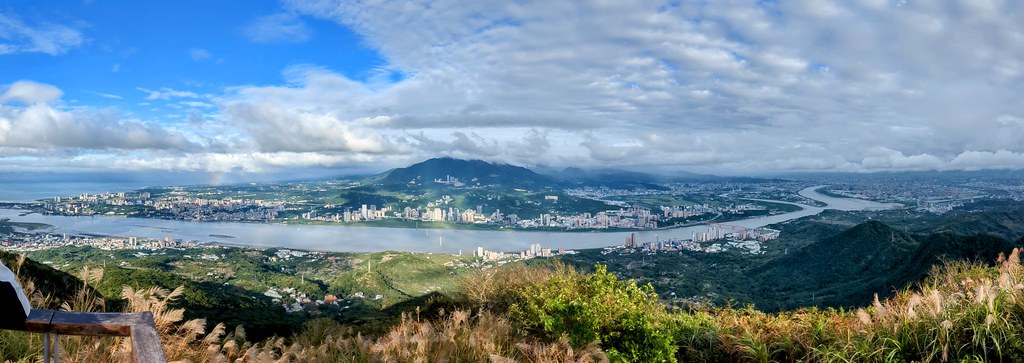

Mount Ulawun Volcano Trekking Guide: Conquering Papua New Guinea’s Most Active Stratovolcano
Mount Ulawun, Papua New Guinea’s highest and most active volcano, offers a demanding trek through rugged volcanic terrain. This guide covers its geology, hiking experience, routes, safety, permits, and nearby accommodations for adventurous volcano trekkers.
Quick Volcano Snapshot
| Attribute | Value |
|---|---|
| Volcano type | Stratovolcano |
| Elevation | 2,334 m (7,657 ft) |
| Location | West New Britain Province, New Britain Island, Papua New Guinea |
| Activity status | Active |
| Trekking difficulty | Demanding |
| Typical trek duration | 2-3 days |
| Altitude gain | Approx. 2,300 m |
| Terrain type | Steep lava flows, ash slopes, volcanic rock, tephra |
| Best season | May to October (dry season) |
| Temperature range | 10°C to 25°C |
| Permit requirement | Required – permits and local guide strongly recommended |
Introduction: The Experience of Hiking Mount Ulawun
Approaching Mount Ulawun, the highest peak in New Britain, you are immediately struck by its imposing symmetrical cone rising sharply above the lush tropical landscape. The air carries a faint sulfurous scent, hinting at the volcano’s restless nature. Trekking Ulawun is a journey into raw geological power — barren lava fields and ash-strewn slopes contrast vividly with the dense rainforest below. Each step upward reveals the volcano’s dynamic character: steaming fumaroles, rugged volcanic rock, and the ever-present possibility of sudden eruptions. Reaching the crater rim, hikers are rewarded with panoramic views of the Bismarck Archipelago and the dramatic volcanic landscape, a humbling reminder of Earth’s fiery forces.
The Volcano Itself: Geological Background
Mount Ulawun is a basaltic-andesitic stratovolcano formed by the subduction of the Solomon Sea Plate beneath the South Bismarck Plate along the New Britain subduction zone. Its steep, symmetrical cone rises to 2,334 meters, making it the highest volcano in the Bismarck arc. The volcano’s structure comprises interlayered lava flows and tephra deposits, with a small summit crater that frequently emits steam and volcanic gases. Ulawun is one of Papua New Guinea’s most active volcanoes, with a history of explosive Strombolian to Vulcanian eruptions, sub-Plinian events, and pyroclastic flows. Its eruptions have shaped the surrounding landscape, producing lava flows and extensive ashfall. The volcano is also a significant source of sulfur dioxide, contributing about 2% of the global SO₂ emissions. The Rabaul Volcano Observatory continuously monitors Ulawun’s seismicity, gas emissions, and deformation to provide early warnings of eruptive activity.
The Volcano Trek: Terrain and Hiking Experience
Trekking Mount Ulawun is a challenging adventure that demands physical fitness, careful preparation, and respect for the volcano’s volatile nature. The trail begins in dense tropical rainforest, where humidity and heat can be intense. As you ascend, the vegetation thins, giving way to steep slopes covered in loose volcanic ash, pumice, and fragmented lava rock. The terrain is rugged and uneven, requiring sure-footedness and stamina. Hikers often encounter sharp volcanic rocks that can be abrasive and unstable, making sturdy hiking boots essential. The steepness increases dramatically above 1,500 meters, with sections of loose scree and ash slopes that test balance and endurance. Winds near the summit can be strong and chilling, contrasting with the warmer conditions below. The upper 1,000 meters of the volcano are largely unvegetated, exposing hikers to open, barren volcanic terrain with minimal shade. The trail may pass fumarolic areas emitting sulfurous gases, which can be hazardous; hikers should be prepared with appropriate respiratory protection if needed. Altitude effects are moderate but can cause fatigue and shortness of breath for some trekkers. The volcanic landscape offers dramatic views of lava flows, ash deposits, and the crater rim, but also demands caution due to unstable ground and potential rockfalls. Descending the volcano often involves sliding down loose ash and scree, which can be exhilarating but requires control to avoid injury. Overall, the trek is a demanding but rewarding experience, combining physical challenge with the awe-inspiring power of an active stratovolcano.
What Makes This Volcano Trek Unique
Mount Ulawun stands out for its status as one of Papua New Guinea’s most active volcanoes, with frequent eruptions that shape the landscape and create a dynamic trekking environment. Its towering symmetrical cone dominates the New Britain skyline, offering dramatic vistas of the Bismarck Archipelago. The volcano’s persistent degassing and occasional incandescent crater glow provide a rare glimpse into volcanic activity. The surrounding region’s rich cultural heritage and proximity to local communities add depth to the experience, allowing trekkers to connect with indigenous traditions and stories linked to the volcano. Ulawun’s inclusion as a Decade Volcano highlights its scientific importance and the need for careful monitoring. The trek’s combination of tropical rainforest, volcanic desert, and active fumaroles creates a diverse and compelling landscape unlike many other volcano hikes.
The Summit and Crater Experience
Reaching the summit of Mount Ulawun is a moment of profound awe. The crater rim reveals a rugged, steaming landscape marked by fumaroles emitting sulfurous gases and occasional bursts of ash. The air is tinged with the sharp scent of sulfur, and the ground beneath your feet radiates residual heat. From this vantage point, panoramic views stretch across the Bismarck Archipelago, with neighboring volcanic peaks punctuating the horizon. The summit experience is both humbling and exhilarating — the raw power of the Earth is palpable as you witness the volcano’s restless activity. Sounds of escaping gases and distant rumblings remind trekkers of the volcano’s volatile nature, underscoring the need for vigilance and respect. The crater’s stark beauty and geological complexity make the summit a highlight for any volcano enthusiast.
Best Time to Trek Mount Ulawun
The optimal trekking season for Mount Ulawun is during Papua New Guinea’s dry months, from May to October. During this period, weather conditions are more stable, with reduced rainfall and clearer skies, improving trail safety and visibility. The dry season also lowers the risk of slippery volcanic ash and mudslides. However, Ulawun’s volcanic activity can be unpredictable, and trekkers must monitor alerts from the Rabaul Volcano Observatory closely. Periods of increased seismicity or eruptive activity may lead to trail closures or heightened hazards. Early morning climbs are recommended to avoid afternoon heat and potential thunderstorms. Avoiding the wet season (November to April) is crucial, as heavy rains can make the terrain treacherous and increase the risk of landslides. Always check current volcanic activity reports and local guidance before planning your trek.
Trekking Routes and Trail Options
Mount Ulawun’s primary trekking route begins at the base in the West New Britain Province, accessible from nearby towns such as Kimbe. The trail ascends through tropical rainforest before transitioning to volcanic terrain. The standard route covers approximately 12 to 15 kilometers one way, with an elevation gain of about 2,300 meters, typically completed over two to three days. Trekkers usually camp at designated spots along the trail, with the final push to the summit early on the last day. Guided treks are strongly recommended due to the volcano’s active status and challenging terrain. Local tour operators such as Flynn’s Tours and Trans Niugini Tours offer organized expeditions that include permits, guides, and logistical support. Alternative routes are limited due to the volcano’s steep slopes and active fumarolic areas, making the main trail the safest and most established option. Self-guided trekking is not advised without extensive experience and local knowledge. The trail’s difficulty and exposure require careful planning, with guides providing essential safety information and cultural insights.
Difficulty Assessment
Mount Ulawun is classified as a demanding volcano trek. The steep slopes, loose volcanic ash, and rugged lava rock terrain require good physical fitness, endurance, and sure-footedness. Altitude gain of over 2,300 meters challenges cardiovascular capacity, and the lack of shade in upper sections exposes hikers to sun and wind. Technical climbing skills are not required, but the unstable terrain and potential volcanic hazards increase risk. The trek is unsuitable for beginners or those with limited hiking experience. Proper acclimatization and preparation are essential. The presence of volcanic gases and the possibility of sudden eruptions necessitate adherence to safety protocols and guidance from experienced local guides.
Essential Volcano Trekking Gear
Key gear for trekking Mount Ulawun includes sturdy hiking boots with excellent grip to navigate loose volcanic ash and sharp lava rocks. Trekking poles help maintain balance on steep and unstable slopes. A windproof and waterproof jacket is essential to protect against sudden weather changes. Gas masks or respirators are recommended due to sulfur dioxide emissions and volcanic gases near fumaroles. Headlamps are useful for early morning summit ascents. Hydration systems and water purification tablets ensure safe drinking water. Sun protection, including hats, sunglasses, and high-SPF sunscreen, is critical as the upper slopes offer little shade. Durable gloves protect hands during scrambling sections. A first aid kit and emergency communication device are advised given the remote and hazardous environment.
Safety and Volcanic Hazards
Mount Ulawun’s active status presents significant safety challenges. The volcano frequently emits sulfur dioxide and other volcanic gases that can cause respiratory irritation; hikers should carry gas masks or respirators, especially near fumaroles. Sudden eruptions, ash plumes, and pyroclastic flows pose serious risks, making it imperative to monitor alerts from the Rabaul Volcano Observatory. The steep, loose scree and ash slopes increase the danger of falls and rockslides. Crater edges can be unstable and prone to collapse. Weather can change rapidly, with strong winds and heavy rain increasing hazard levels. Trekkers must follow official warnings, use experienced local guides, and avoid summit approaches during heightened volcanic activity. Emergency evacuation plans should be in place, and communication with local authorities maintained.
Permits, Guides, and Logistics
Trekking Mount Ulawun requires obtaining permits due to its active status and proximity to populated areas. Permits are issued by local authorities in West New Britain Province and are mandatory for all visitors. The process typically involves coordination with local landowners and government agencies to ensure safety and environmental protection. Costs vary but generally include park entry fees and guide services. Hiring experienced local guides is strongly recommended and often required; guides provide essential knowledge of the terrain, volcanic hazards, and cultural context. Two reputable tour operators offering guided expeditions to Ulawun are Flynn’s Tours and Trans Niugini Tours. Flynn’s Tours specializes in small group journeys and tailored itineraries across Papua New Guinea, including volcano treks. Trans Niugini Tours, established in 1976, offers comprehensive packages with logistics support, including transportation, accommodation, and permits. Logistics for reaching Ulawun involve flying into Hoskins Airport near Kimbe, followed by road transport to the trailhead. Due to the volcano’s active nature, trekking schedules are flexible and subject to change based on volcanic activity reports from the Rabaul Volcano Observatory. Trekkers should prepare for multi-day expeditions with camping gear, as infrastructure near the volcano is limited. Communication with tour operators well in advance is essential to secure permits and arrange safe passage. Emergency protocols and evacuation plans are coordinated through local authorities and monitoring agencies.
Where to Stay Near Mount Ulawun
Accommodation options near Mount Ulawun are primarily centered around Kimbe, the provincial capital of West New Britain, located approximately 40 kilometers from the volcano’s base. Kimbe offers a range of lodging from budget guesthouses to mid-range hotels. Notable accommodations include the Walindi Plantation Resort, renowned for its comfortable facilities, tropical gardens, and proximity to Kimbe Bay. This resort provides a tranquil base with amenities such as restaurants, swimming pools, and tour booking services. For travelers seeking local experiences, several guesthouses and lodges in Kimbe offer basic but welcoming accommodations with access to local markets and cultural sites. Closer to the volcano, infrastructure is minimal; trekkers typically camp along the trail or stay in temporary shelters arranged by tour operators. Flynn’s Tours and Trans Niugini Tours often organize logistics including camping equipment and meals. For those arriving internationally, Port Moresby is the main gateway with multiple hotels such as LodgeToks and The Stanley Hotel & Suites offering international standards. From Port Moresby, domestic flights connect to Hoskins Airport near Kimbe. Given the remote and active nature of Ulawun, planning accommodations well in advance is crucial. Staying in Kimbe allows trekkers to acclimate, gather supplies, and coordinate with guides before embarking on the demanding ascent.