
Hiking Guanyinshan: A Complete Volcano Trekking Guide to Northern Taiwan’s Dormant Stratovolcano
Guanyinshan is a dormant stratovolcano located in Northern Taiwan, offering moderate trekking with panoramic views of Taipei and the Tamsui River. This guide covers the geological background, hiking terrain, routes, permits, safety, and accommodation options for an enriching volcano trekking experience.
Quick Volcano Snapshot
| Attribute | Value |
|---|---|
| Volcano type | Stratovolcano |
| Elevation | 616 meters |
| Location | Northern Taiwan, New Taipei City |
| Activity status | Dormant |
| Trekking difficulty | Moderate |
| Typical trek duration | 2-3 hours |
| Altitude gain | Approximately 270 meters |
| Terrain type | Stone staircases, forest paths, volcanic rock |
| Best season | Spring and Autumn (March to June, September to November) |
| Temperature range | 10°C to 25°C |
| Permit requirement | No permit required |
Introduction: The Experience of Hiking Guanyinshan
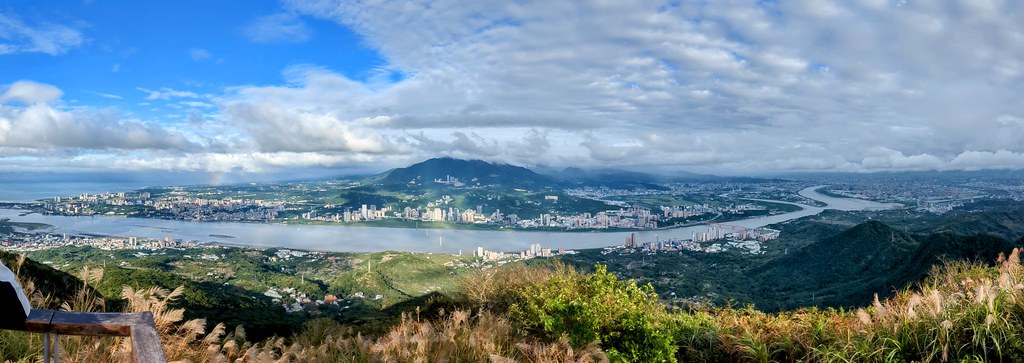
Hiking Guanyinshan offers an immersive journey through a volcanic landscape that blends natural beauty with cultural heritage. As you ascend the well-maintained stone staircases and shaded forest trails, the panorama unfolds to reveal sweeping views of Taipei’s skyline, the Tamsui River, and the distant Pacific Ocean. The dormant volcano’s silhouette, resembling the reclining Goddess of Mercy, Guanyin, evokes a sense of serene power. The contrast between the lush greenery and the volcanic terrain creates a unique atmosphere, where the ancient geological forces meet vibrant urban life. Reaching the summit, hikers are rewarded with a 360-degree vista that captures the dynamic interplay of nature and cityscape, making the climb both a physical challenge and a spiritual experience.
The Volcano Itself: Geological Background
Guanyinshan is a young dormant stratovolcano forming part of the Datun Volcanic Group in Northern Taiwan. Its formation dates back to volcanic activity that shaped 18 peaks in the region, creating a distinctive cone-shaped mountain range. The volcano’s name derives from its ridge line’s resemblance to the female Buddha, Guanyin, lying on her back. The volcanic landscape features layers of solidified lava flows and ash deposits, with the terrain shaped by past eruptions that have long since ceased. While Guanyinshan is dormant, its volcanic origins are evident in the rocky outcrops and mineral-rich soils that support diverse flora. The area also hosts fumaroles and steam vents in the broader Datun group, though Guanyinshan itself is currently inactive. This geological heritage offers hikers a glimpse into Taiwan’s volcanic past and the dynamic earth processes that continue to shape the island.
The Volcano Trek: Terrain and Hiking Experience
The hiking terrain on Guanyinshan is characterized by a mix of well-maintained stone staircases and shaded forest paths, making it accessible yet physically engaging. The most popular ascent route, the YingHanLing Trail, is a steep stone staircase that climbs approximately 270 meters in elevation over a relatively short distance. This trail, historically used for military training, demands good cardiovascular fitness as the continuous steps can be a thigh burner. However, the solid stone steps provide stable footing, reducing the risk of slips common on loose volcanic scree. The trail winds through dense bamboo groves and stands of Red Nanmu trees, offering refreshing shade and a cool microclimate even on warmer days. The forest canopy shelters hikers from direct sun exposure, but occasional open sections provide stunning views back across the Tamsui River and Taipei cityscape. The volcanic soil underfoot is firm, with occasional rocky outcrops that hint at the mountain’s volcanic origins. Alongside the main trail, several intersecting paths allow for extended exploration or alternative routes to the summit, catering to different fitness levels and interests. The terrain’s moderate difficulty level makes Guanyinshan suitable for casual hikers and families, though the steepness of the main trail requires a reasonable level of stamina. Weather conditions can change rapidly, with fog and mist frequently enveloping the mountain, adding an ethereal quality to the hike but also necessitating appropriate clothing. Wind near the summit can be brisk, so windproof layers are advisable. The trail’s elevation is modest, so altitude sickness is not a concern, but the physical exertion of the stair climb should not be underestimated. Overall, the hiking experience combines physical challenge with rich natural and cultural scenery, making Guanyinshan a rewarding volcano trek in Taiwan.
What Makes This Volcano Trek Unique
Guanyinshan’s unique appeal lies in its blend of volcanic geology, cultural significance, and panoramic urban vistas. Unlike remote volcanoes, it offers accessible trekking close to Taipei, allowing hikers to experience volcanic landscapes without leaving the metropolitan area. The mountain’s silhouette, resembling the Goddess of Mercy, imbues the trek with spiritual symbolism and local lore. The presence of multiple temples along the trails adds cultural depth, inviting reflection and exploration beyond the natural environment. The annual hawk-watching event in spring highlights the mountain’s ecological importance as a migratory bird habitat, offering a rare wildlife spectacle. The combination of volcanic terrain, forest canopy, and city views creates a diverse sensory experience. The well-maintained trails and visitor facilities, including the Guanyinshan Visitor Center, enhance accessibility while preserving the mountain’s natural charm. This fusion of nature, culture, and geology makes Guanyinshan a distinctive volcano trekking destination.
The Summit and Crater Experience
Reaching the summit of Guanyinshan, known as YingHanLing or Tough Guy Peak, is a moment of triumph and awe. The summit is crowned with a stone monument and an archway marking the achievement. From this vantage point, hikers enjoy a sweeping 360-degree panorama encompassing the peaks of the Datun Mountains, the winding Tamsui River, and the sprawling urban landscape of Taipei. The air is often crisp and carries the faint scent of forest and earth. Although Guanyinshan is dormant and lacks an active crater, the summit’s volcanic origins are palpable in the rugged terrain and rocky outcrops. The experience is heightened by the contrast between the natural volcanic environment and the distant city lights, especially on clear days when visibility extends to the Pacific Ocean. The summit area provides ample spots for rest, photography, and contemplation, making it a rewarding conclusion to the climb.
Best Time to Trek Guanyinshan
The best seasons to hike Guanyinshan are spring (March to June) and autumn (September to November), when temperatures are mild and rainfall is lower. During these periods, the weather is generally stable, and the mountain’s flora is vibrant, enhancing the hiking experience. Summer months can be hot and humid, with frequent afternoon showers, while winter is cooler but rarely cold enough to deter hikers. The mountain is often shrouded in fog, especially in the early morning and late afternoon, which can add atmospheric beauty but reduce visibility. The annual hawk-watching event in April and May offers a unique reason to visit during spring. Hikers should avoid typhoon season and heavy rain periods to ensure safety on the trails. Early morning climbs are recommended to enjoy cooler temperatures and clearer views.
Trekking Routes and Trail Options
Guanyinshan features over half a dozen trails that crisscross the mountain, many leading to the 616-meter summit. The most popular route is the YingHanLing Trail, a steep but well-maintained stone staircase starting near the Guanyinshan Visitor Center. This trail is approximately 2.3 kilometers long and typically takes 1.5 to 2 hours to ascend, depending on fitness level. It is suitable for moderate hikers seeking a physical challenge with rewarding views. For those preferring a gentler ascent, the Linshao Hiking Trail offers a more gradual climb through shaded forest paths and temple sites, ideal for families and casual hikers. This trail is less steep and provides cultural points of interest along the way. The Fulongshan Trail connects with the treetop walkway, offering a scenic route with opportunities to explore local temples and natural features. Many trails interconnect, allowing hikers to create loop routes or extend their hike to explore different aspects of the mountain’s landscape. All trails are well-marked and maintained, with resting spots and signage. Public transit access to trailheads is convenient, making self-guided hikes feasible. Guided tours are also available through local operators, providing expert insights into the mountain’s geology, ecology, and cultural history.
Difficulty Assessment
Guanyinshan is classified as a moderate volcano trek. The primary challenge is the steep stone staircase of the YingHanLing Trail, which requires good cardiovascular fitness and leg strength. The trail’s solid steps reduce technical difficulty but demand sustained effort. Alternative routes like the Linshao Hiking Trail offer easier gradients suitable for beginners and families. The elevation of 616 meters is modest, so altitude sickness is not a concern. The terrain is stable, with minimal loose scree or technical scrambling. Weather conditions can affect difficulty; fog and rain may make trails slippery, and wind near the summit can be strong. Overall, Guanyinshan is accessible to hikers with moderate fitness and some hiking experience, making it a rewarding introduction to volcano trekking in Taiwan.
Essential Volcano Trekking Gear
For hiking Guanyinshan, essential gear includes sturdy hiking boots with good grip to navigate stone steps and occasional rocky terrain. Trekking poles are recommended to reduce strain on knees during the steep ascent and descent. Lightweight, breathable clothing with layers is advisable to adapt to temperature changes and wind near the summit. A windproof jacket is essential for summit conditions. Sun protection such as a hat, sunglasses, and sunscreen is important due to exposed trail sections. Carry sufficient water to stay hydrated, especially on warmer days. A headlamp can be useful for early morning or late afternoon hikes. While volcanic gases are minimal due to dormancy, a basic first aid kit and a mobile phone with a local SIM or eSIM for connectivity are recommended. Hiking in groups or with a guide enhances safety and enriches the experience.
Safety and Volcanic Hazards
Guanyinshan is a dormant volcano with no recent eruptive activity, minimizing volcanic hazards such as lava flows or ash emissions. However, hikers should remain cautious of natural trail risks including steep staircases, slippery surfaces during rain, and uneven rocky terrain. The stone steps can be physically demanding, increasing the risk of falls or muscle strain. Weather can change rapidly, with fog reducing visibility and wind gusts near the summit. There are no active fumaroles or toxic gas emissions on Guanyinshan, but hikers should always stay on marked trails to avoid unstable ground. Local authorities maintain monitoring of volcanic activity in the Datun Volcanic Group, and any changes would be communicated through official channels. Emergency services are accessible from nearby urban areas. It is advisable to check weather forecasts and trail conditions before hiking and to inform someone of your itinerary.
Permits, Guides, and Logistics
Guanyinshan does not require hiking permits, making it accessible for spontaneous visits without bureaucratic hurdles. The trails are open year-round, and no park entry fees apply. For visitors seeking guided experiences, several reputable local tour operators offer hiking packages and cultural tours of Guanyinshan and the surrounding North Coast area. Notable operators include YOLO Taiwan, MyTaiwanTour, Parkbus Taiwan, and Taiwan Outdoors. These companies provide knowledgeable guides who enrich the trek with insights into the mountain’s geology, ecology, and cultural heritage. Guided tours often include transportation from Taipei, easing logistics for international travelers. Public transit options to trailheads are well-developed, with buses and taxis connecting from Taipei city center to New Taipei City’s Wugu District. The Guanyinshan Visitor Center serves as an information hub, offering maps, restrooms, and a café. Parking is available but can be limited on weekends, so public transit is recommended. Hikers should prepare for variable weather and bring adequate supplies, as facilities along the trails are limited. For those planning to extend their visit, package tours often combine Guanyinshan with nearby attractions such as Laomei Green Reef and local cultural sites, providing a comprehensive Northern Taiwan experience.
Where to Stay Near Guanyinshan
Accommodation options near Guanyinshan cater to a range of preferences, from urban hotels in Taipei to guesthouses closer to the mountain. While Guanyinshan itself does not have dedicated mountain lodges, the proximity to New Taipei City and Taipei makes day trips convenient. In Taipei, travelers can find numerous hotels such as the Taipei Marriott Hotel, offering modern amenities and easy access to public transit. For a more local experience, guesthouses and boutique hotels in Wugu District provide comfortable stays within 10 to 20 minutes’ drive of the trailheads. The Guanyinshan Visitor Center area features a café and restrooms but no overnight facilities. For visitors seeking nature immersion, eco-lodges and homestays in the North Coast and nearby Bali District offer tranquil settings with local hospitality. Popular nearby hotels include the H2O Hotel and Kindness Hotel in Kaohsiung for those extending their Taiwan itinerary southward. Booking platforms like AsiaYo and Booking.com list accommodations with user reviews and competitive rates. Public transportation links from Taipei to Guanyinshan are efficient, allowing hikers to stay in the city and access the mountain easily. For travelers prioritizing convenience and comfort, Taipei’s extensive hotel options combined with reliable transit make Guanyinshan an accessible volcano trekking destination.