
Mount Kelimutu Volcano Trekking Guide: Exploring Indonesia’s Tri-Colored Crater Lakes
Mount Kelimutu, a dormant complex volcano on Flores Island, Indonesia, offers an easy and unique trekking experience to witness its famous tri-colored crater lakes that change hues mysteriously. This guide covers the volcano’s geology, trekking routes, safety tips, permits, accommodations, and more for adventurous travelers.
Quick Volcano Snapshot
| Attribute | Value |
|---|---|
| Volcano type | Complex volcano |
| Elevation | 1,639 meters |
| Location | Flores, East Nusa Tenggara, Indonesia |
| Activity status | Dormant |
| Trekking difficulty | Easy |
| Typical trek duration | 3 to 4 hours |
| Altitude gain | 600 meters |
| Terrain type | Paved steps, volcanic ash slopes, forest paths |
| Best season | April to October (dry season) |
| Temperature range | 10°C to 25°C |
| Permit requirement | Entrance fee required (approx. 150,000 IDR for foreigners) |
Introduction: The Experience of Hiking Mount Kelimutu
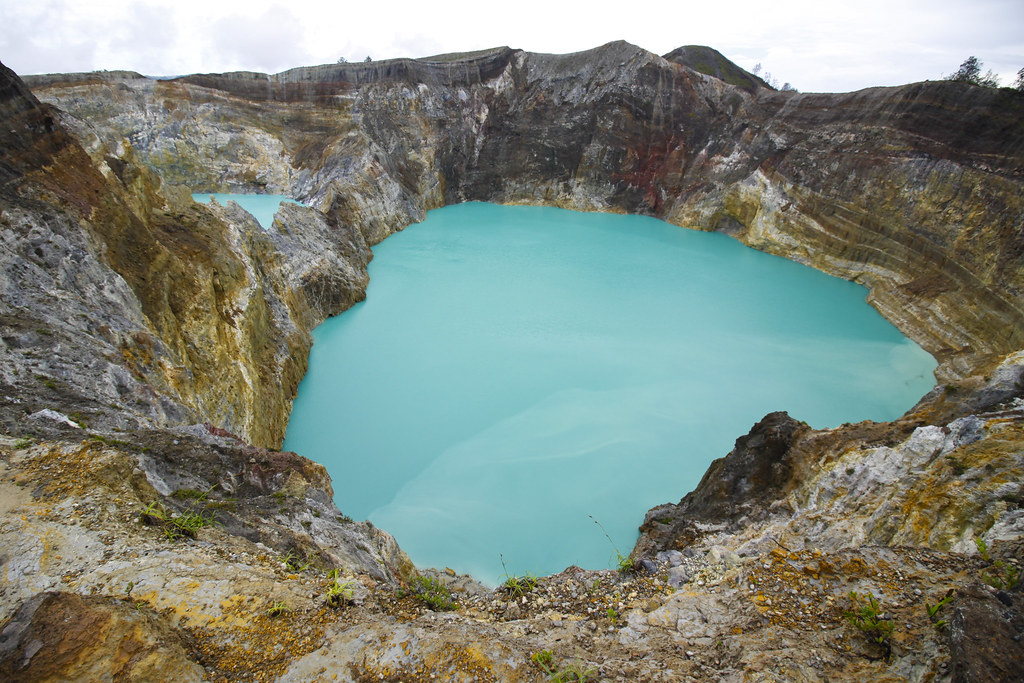
Approaching Mount Kelimutu, the landscape unfolds with a surreal blend of volcanic power and serene natural beauty. The trek is gentle, winding through lush forests and volcanic terrain, culminating at the summit where the famed tri-colored crater lakes await. The lakes’ shifting hues—ranging from turquoise to deep red—reflect the volcano’s mysterious geological activity. Standing at the crater rim, hikers feel a profound connection to the earth’s dynamic forces, surrounded by misty mountain air and panoramic views of Flores. The contrast between the vibrant lakes and the rugged volcanic slopes creates an unforgettable atmosphere of wonder and tranquility.
The Volcano Itself: Geological Background
Mount Kelimutu is a complex volcano located in central Flores, Indonesia, characterized by its three distinct crater lakes. These lakes are renowned for their remarkable ability to change color, a phenomenon caused by varying concentrations of volcanic gases and minerals dissolved in the water. The volcano formed through multiple eruptive phases, creating overlapping craters that now house the lakes. Although currently dormant, Kelimutu’s volcanic activity is evidenced by fumaroles and minor sulfur emissions around the crater. The lakes’ colors shift due to chemical reactions influenced by volcanic gases such as sulfur dioxide and iron compounds, producing vibrant blues, greens, reds, and blacks. This dynamic geology makes Kelimutu a unique natural laboratory for volcanic mineralogy and geochemistry.
The Volcano Trek: Terrain and Hiking Experience
The trek to Mount Kelimutu’s summit is accessible and relatively easy, making it suitable for a wide range of hikers. Starting from the upper parking lot, the trail extends approximately 1.5 kilometers and ascends about 600 meters in elevation. The path is well-maintained with paved steps and clear signage, winding through a mix of tropical forest and volcanic terrain. Hikers will encounter gentle slopes interspersed with occasional steeper sections, but the overall gradient remains manageable. The volcanic soil underfoot can be loose in places, requiring steady footing, especially near the crater rim where the ground is rocky and uneven. The trail offers occasional exposure to wind, particularly near the summit, where temperatures can drop and conditions may feel brisk. As the ascent progresses, the vegetation thins, revealing expansive views of the surrounding mountains and valleys. The final approach to the crater involves climbing a set of stairs leading to the viewing platforms overlooking the tri-colored lakes. The volcanic lakes themselves are perched within steep crater walls, and while the main viewing areas are secured with railings, some adventurous hikers may explore unsecured dirt paths closer to the crater edges. The terrain around the lakes is rugged, with loose volcanic rock and steep drops, demanding caution. The entire hike typically takes 30 to 45 minutes from the parking area to the summit, making it a short but rewarding excursion. For those seeking extended adventure, descending on foot back to the village of Moni offers a longer trek of about 10 kilometers through jungle paths, rice fields, and local villages, providing a rich cultural and natural experience. Overall, the terrain is gentle compared to other Indonesian volcanoes, but hikers should prepare for variable weather, slippery steps in wet conditions, and the physical demands of altitude gain. The trail’s accessibility combined with the dramatic volcanic landscape creates a unique hiking experience that balances ease with spectacular geological sights.

What Makes This Volcano Trek Unique
Mount Kelimutu’s defining feature is its three crater lakes, each with distinct and ever-changing colors. This rare natural phenomenon is unlike any other volcano in the world. The lakes’ colors shift due to chemical reactions driven by volcanic gases and mineral content, creating a mesmerizing palette of blues, greens, reds, and blacks that can change multiple times a year. The cultural significance of the lakes adds to the trek’s uniqueness; local legends hold that the lakes are the resting places of departed souls, with each lake representing different spiritual realms. The trek’s short duration and easy terrain make this volcanic spectacle accessible to a broad range of travelers, while the surrounding Flores landscape offers lush forests, traditional villages, and panoramic mountain views. The combination of geological mystery, cultural depth, and natural beauty makes the Kelimutu trek a singular adventure.
The Summit and Crater Experience
Reaching the summit of Mount Kelimutu, hikers are greeted by an extraordinary sight: three crater lakes nestled side by side, each glowing with vivid and contrasting colors. The air is crisp and often carries a faint sulfuric scent from the volcanic gases that permeate the area. From the main viewing platform, visitors can observe the lakes’ surreal hues—ranging from bright turquoise to deep red and dark green—reflecting the complex chemistry beneath the surface. The crater rims offer panoramic views of the surrounding Flores highlands, with mist often swirling around the peaks, adding an ethereal quality to the scene. The soundscape is quiet except for the occasional bird call and the gentle breeze. For those who venture closer to the crater edges via unsecured paths, the experience intensifies with the raw presence of volcanic rock and steep drops. The summit at sunrise is particularly magical, as the early light enhances the lakes’ colors and the surrounding landscape awakens in soft hues. This moment of standing on the edge of a dormant volcano, witnessing nature’s dynamic palette, is both humbling and exhilarating.
Best Time to Trek Mount Kelimutu
The optimal period for trekking Mount Kelimutu is during the dry season, from April to October, when weather conditions are most stable and trails are less slippery. Early mornings are favored, especially for witnessing the sunrise over the crater lakes, as the colors are brightest with the first light and before clouds or mist obscure the view. Temperatures at the summit can be cool, often dropping to around 10°C, so warm clothing is advisable. The wet season, spanning November to March, brings heavy rains that can make trails muddy and hazardous, and visibility is often poor. Additionally, volcanic gas emissions are generally low due to the volcano’s dormant status, but hikers should remain aware of any local advisories. Planning the trek during the dry months ensures safer conditions, clearer views, and a more enjoyable experience.
Trekking Routes and Trail Options to Mount Kelimutu
The primary route to Mount Kelimutu’s summit begins at the upper parking lot, accessible by vehicle from the nearby village of Moni. From this starting point, the well-marked trail ascends approximately 600 meters over a distance of about 1.5 kilometers. The path is paved with steps and maintained for easy hiking, typically requiring 30 to 45 minutes to reach the summit. This route is the most popular and recommended for all visitors due to its accessibility and safety features, including railings at key viewpoints. For those seeking a longer trek, an alternative option is to hike from Moni village itself, a journey of roughly 10 kilometers uphill to the parking area. This route passes through local villages, rice paddies, and forested areas, offering cultural insights and a more immersive natural experience. After reaching the summit and enjoying the crater lakes, hikers often descend on foot back to Moni, completing a rewarding loop. Guided tours frequently include transportation to the parking lot, but independent travelers can hire local drivers or motorbike taxis (ojeks) for convenience. Maps and GPS apps like Maps.Me provide reliable navigation for self-guided hikers. The trail is suitable for all fitness levels, with no technical climbing required, making it ideal for families and casual trekkers. Seasonal variations may affect trail conditions, so checking local weather and park advisories is recommended before setting out.
Difficulty Assessment of the Mount Kelimutu Trek
Mount Kelimutu is classified as an easy volcano trek, suitable for beginners and travelers with moderate fitness. The trail’s paved steps and short distance reduce technical challenges commonly found on other Indonesian volcanoes. The altitude gain of approximately 600 meters is manageable, and the summit elevation of 1,639 meters poses minimal risk of altitude sickness. The terrain is stable, with no requirement for specialized climbing equipment or advanced hiking skills. However, hikers should be prepared for variable weather, including wind and cooler temperatures at the summit. The trail’s accessibility and gentle gradient make it an excellent introduction to volcano trekking, while still offering spectacular geological and scenic rewards.
Essential Volcano Trekking Gear for Mount Kelimutu
For trekking Mount Kelimutu, essential gear includes sturdy hiking boots with good grip to navigate paved steps and occasional loose volcanic soil. Trekking poles can provide extra stability on the ascent and descent. A windproof jacket and layered clothing are recommended to adapt to cooler summit temperatures and changing weather. Sun protection such as a hat, sunglasses, and sunscreen is important due to limited shade on the trail. Carrying sufficient water and snacks ensures hydration and energy for the hike. A headlamp or flashlight is useful if starting early for sunrise. Although volcanic gas emissions are minimal, sensitive individuals may consider a lightweight respirator or mask. A camera or smartphone is essential to capture the stunning crater lakes and panoramic views. Finally, a small first aid kit and insect repellent add safety and comfort to the trek.
Safety and Volcanic Hazards on Mount Kelimutu
Mount Kelimutu is currently dormant, significantly reducing the risk of eruptions during visits. However, hikers should remain cautious of natural hazards such as steep crater edges, loose volcanic rocks, and slippery steps, especially in wet conditions. The crater lakes contain toxic sulfuric water, making swimming or descending into the craters extremely dangerous and strictly prohibited. Visitors should heed park regulations and stay within designated viewing areas. Volcanic gases, primarily sulfur dioxide, may be present in low concentrations near fumaroles, potentially causing mild irritation to sensitive individuals. Weather can change rapidly, with strong winds and sudden fog reducing visibility and increasing the risk of falls. It is advisable to check local volcanic activity reports from the Indonesian Center for Volcanology and Geological Hazard Mitigation (PVMBG) before the trek. Guided tours and park rangers provide valuable safety information and assistance. Overall, adherence to safety guidelines and awareness of the terrain ensure a secure and enjoyable trekking experience.
Permits, Guides, and Logistics for Trekking Mount Kelimutu
Visiting Mount Kelimutu requires an entrance permit to Kelimutu National Park, with a current fee of approximately 150,000 Indonesian Rupiah (IDR) for foreign tourists. Local residents pay a significantly reduced rate. Permits are obtained at the park entrance near the upper parking lot. While the trek is straightforward and well-marked, hiring a local guide is recommended to enrich the experience with geological insights and cultural stories about the tri-colored lakes and surrounding villages. Several reputable tour operators offer packages including transportation, guides, and accommodation arrangements. Notable operators include Authentic Indonesia Tour Operator, Komodo Wisata, Sulawesi Adventures, and Azimuth Adventure Travel Ltd. These companies provide tailored itineraries ranging from day trips to multi-day cultural tours of Flores. Logistics are simplified by the proximity of the village of Moni, which serves as the main base for the trek. Visitors can arrange transport from nearby towns such as Ende or Maumere by public buses, shared taxis, or private drivers. The road to the upper parking lot is accessible by car or motorbike, with local drivers available for hire. Early morning departures are common to catch the sunrise at the crater lakes. Facilities at the trailhead include restrooms and small vendors selling snacks and drinks. It is advisable to book permits and guides in advance during peak season (April to October) to ensure availability. Overall, the permit process is straightforward, and the presence of experienced tour operators facilitates smooth logistics for travelers.
Where to Stay and Nearby Bases for Mount Kelimutu Trek
The village of Moni, located approximately 12 kilometers from Mount Kelimutu, is the primary base for trekkers. Moni offers a selection of accommodations ranging from simple guesthouses to eco-lodges. Notable options include Kelimutu Crater Lakes Ecolodge, which provides peaceful surroundings with views of the volcano and well-maintained gardens. Santiago Bed & Breakfast is another popular choice, known for clean rooms, hot water, and friendly service. For budget travelers, local homestays and guesthouses offer basic amenities and an authentic cultural experience. Moni’s compact size means most accommodations are within easy reach of restaurants, shops, and transport services. From Moni, visitors can hire motorbikes, cars, or ojeks to reach the Kelimutu trailhead. Nearby towns such as Ende and Maumere provide additional lodging options with more extensive facilities, including mid-range hotels and airport access. Ende is about a 2.5 to 3-hour drive from Moni, while Maumere is roughly 3 to 4 hours away. Travelers often choose to stay in Moni for convenience, especially for early morning treks to catch the sunrise. The village’s tranquil atmosphere, combined with its proximity to the volcano, makes it an ideal base for exploring Kelimutu National Park and the surrounding Flores region.