
Mount Rinjani Volcano Trekking Guide: Conquer Lombok’s Active Stratovolcano and Crater Lake
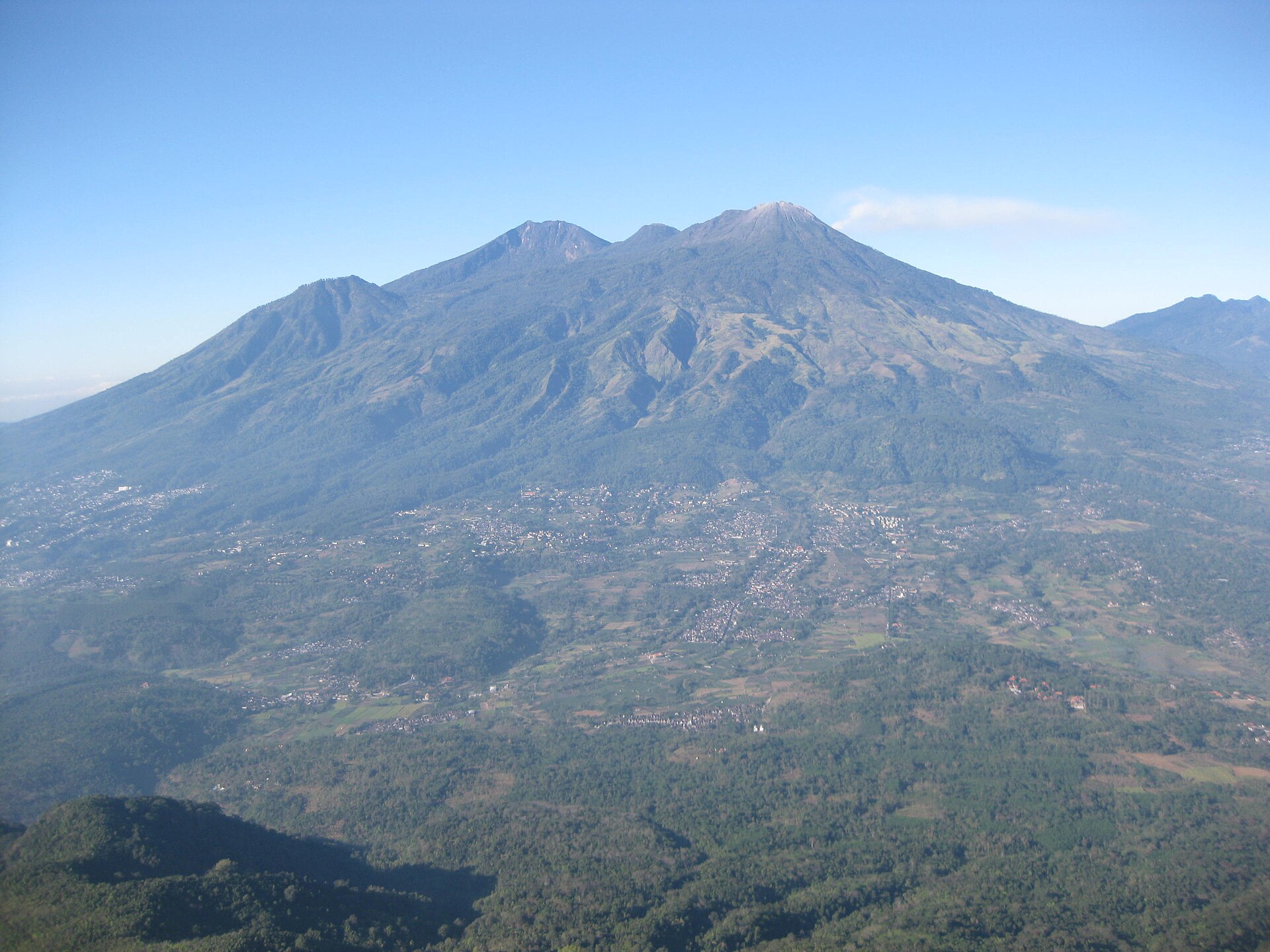
Mount Rinjani, Indonesia’s second-highest volcano, offers a demanding yet rewarding trekking experience through tropical forests, volcanic ridges, and a massive caldera with a stunning crater lake. This guide covers routes, permits, safety protocols, gear, accommodation, and the unique geological features of this active stratovolcano.
Quick Volcano Snapshot
| Attribute | Value |
|---|---|
| Volcano type | Stratovolcano |
| Elevation | 3,726 meters |
| Location | Lombok, West Nusa Tenggara, Indonesia |
| Activity status | Active |
| Trekking difficulty | Demanding |
| Typical trek duration | 3-4 days |
| Altitude gain | Approximately 2,700 meters |
| Terrain type | Volcanic ash slopes, lava fields, tropical rainforest, crater rim ridges, loose scree |
| Best season | April to December (dry season) |
| Temperature range | Near summit: close to freezing; base: tropical 20-30°C |
| Permit requirement | Mandatory park entry permit and official guide |
The Experience of Hiking Mount Rinjani
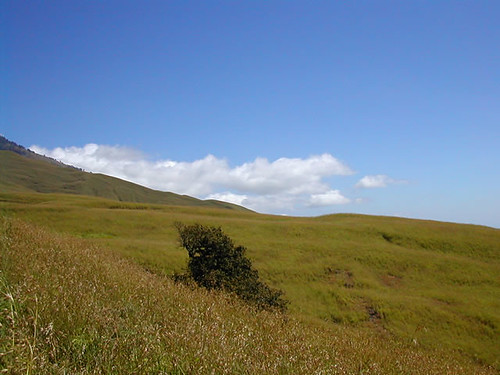
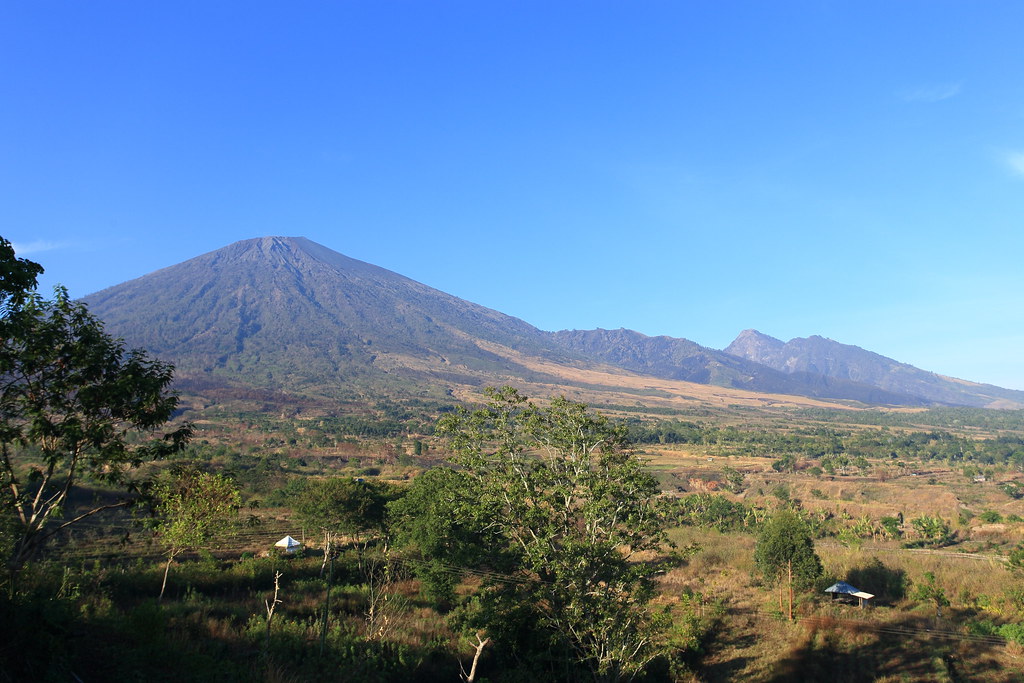
Approaching Mount Rinjani, the landscape shifts dramatically from lush tropical forests to stark volcanic ridges. The towering stratovolcano dominates Lombok’s skyline, its silhouette a constant reminder of the earth’s raw power. Trekking here is a journey through contrasting ecosystems — from dense jungle to barren ash slopes and rocky ridges. The emotional crescendo builds as you near the crater rim, where the vast caldera opens to reveal the turquoise Segara Anak crater lake and the steaming cone of Mount Barujari. Standing at the summit, watching the sunrise paint the sky above the clouds, you feel the pulse of the planet beneath your feet — a humbling and exhilarating moment few places on earth can match.
Geological Background of Mount Rinjani
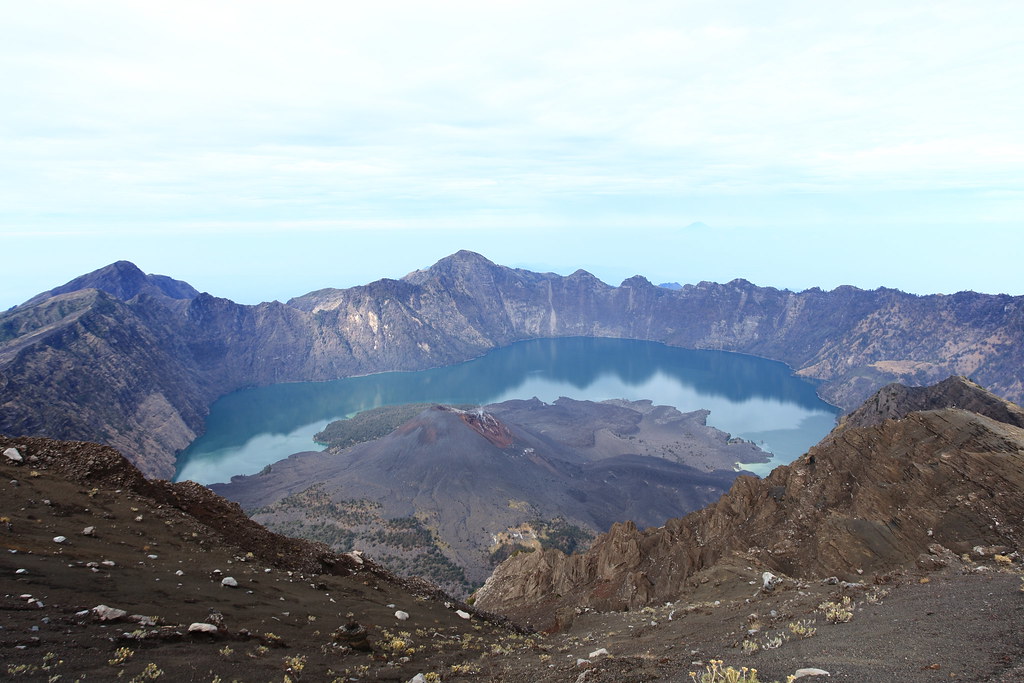
Mount Rinjani is a classic stratovolcano formed by successive layers of hardened lava, tephra, and volcanic ash. Rising to 3,726 meters, it is Indonesia’s second-highest volcano and part of the Pacific Ring of Fire. The volcano’s massive caldera, about 6 by 8.5 kilometers wide, contains the stunning Segara Anak crater lake, a deep turquoise body of water formed after a major eruption thousands of years ago. Within this lake lies the active cone of Mount Barujari, which frequently emits smoke and occasional eruptions, reminding trekkers of the volcano’s dynamic nature. The caldera floor also hosts natural hot springs, evidence of ongoing geothermal activity. The volcanic soils are rich in minerals, supporting diverse flora around the lower slopes, while fumaroles and sulfur deposits near the crater rim create a surreal, otherworldly landscape. Mount Rinjani’s geology tells a story of powerful eruptions, gradual rebuilding, and continuous earth processes shaping Lombok’s dramatic terrain.
Terrain and Hiking Experience on Mount Rinjani
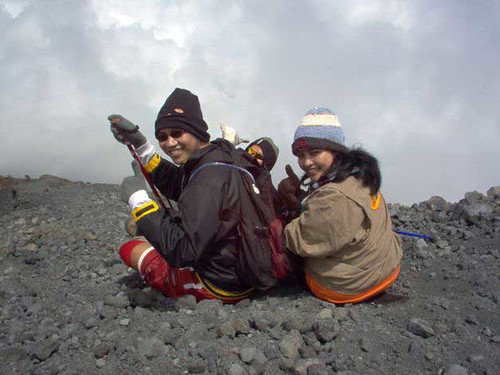
Trekking Mount Rinjani is a physically demanding adventure that tests endurance, balance, and mental resolve. The journey begins in tropical rainforest, where shaded trails wind through dense vegetation and occasional streams. As you ascend, the forest gives way to open savannah and volcanic ridges, exposing you to the elements — sun, wind, and sudden temperature drops. The terrain varies widely: expect steep ash slopes that can be slippery and loose, requiring careful footing; rugged lava rock sections that demand scrambling; and loose pumice scree fields near the summit that challenge your stability. The trail is often narrow along exposed crater rims, offering breathtaking views but requiring caution. Altitude gain is significant, with over 2,700 meters climbed over several days, so acclimatization and pacing are crucial. Temperatures can plummet near the summit, especially during early morning climbs for sunrise, necessitating warm clothing. Wind conditions can be strong and chilling, adding to the challenge. The trail’s difficulty is compounded by limited maintenance in some sections, making footing unpredictable. Despite these challenges, the diverse terrain offers a rich sensory experience — the scent of volcanic sulfur, the crunch of ash underfoot, panoramic vistas of Lombok and neighboring islands, and the ever-present presence of the active Mount Barujari within the crater lake. Trekkers should prepare for long days, steep ascents, and variable weather, but the reward is an unforgettable encounter with one of Southeast Asia’s most spectacular volcanic landscapes.
What Makes the Mount Rinjani Trek Unique
Mount Rinjani’s trek stands out for its combination of geological grandeur, cultural significance, and physical challenge. The centerpiece is the enormous caldera housing Segara Anak, a vivid turquoise crater lake that contrasts sharply with the surrounding black volcanic rock. Within this lake, the active cone of Mount Barujari continuously emits smoke and occasional eruptions, offering a rare chance to witness an active volcano from close proximity. The trek traverses diverse ecosystems — from tropical rainforests and terraced rice fields to barren volcanic deserts and alpine ridges. Cultural elements enrich the experience, with the Sasak people’s traditions and sacred ceremonies at the crater lake adding depth to the journey. The summit climb rewards trekkers with a breathtaking sunrise above a sea of clouds, panoramic views of Lombok, Bali, and Sumbawa, and the visceral sensation of standing atop an active stratovolcano. The combination of natural beauty, volcanic activity, and cultural heritage makes Mount Rinjani a truly unique and compelling volcano trek.
Summit and Crater Experience on Mount Rinjani
Reaching Mount Rinjani’s summit is a triumphant moment marked by awe-inspiring vistas and sensory intensity. The final ascent often begins in the pre-dawn darkness, with climbers navigating steep, loose scree trails under headlamps. As the sun rises, the sky transforms into a canvas of fiery oranges and pinks, illuminating the vast caldera below. From the summit, you gaze down upon Segara Anak’s shimmering turquoise waters, the steaming cone of Mount Barujari, and the sprawling island landscapes beyond. The air is thin and cold, carrying the faint but unmistakable scent of sulfur from fumaroles near the crater. The ground beneath may radiate subtle warmth, a reminder of the molten forces below. Sounds of escaping volcanic gases occasionally punctuate the silence, adding to the primal atmosphere. This moment is both humbling and exhilarating — a rare opportunity to stand on the edge of an active volcano, surrounded by raw geological power and breathtaking natural beauty.
Best Time to Trek Mount Rinjani
The optimal trekking season for Mount Rinjani runs from April to December, coinciding with the dry months when trails are more stable and weather conditions are favorable. The park is officially closed from January to March due to heavy rains, which make trails slippery and dangerous. May and September are particularly recommended for balancing good weather with fewer crowds. During the dry season, daytime temperatures can be warm in the lower elevations, but nights near the summit can approach freezing, so proper gear is essential. Trekkers should avoid weekends if possible to escape peak visitor numbers. Sudden weather changes, including afternoon showers and strong winds near the summit, are common, so flexibility and preparedness are key. Volcanic activity is continuously monitored, and access may be restricted temporarily for safety. Planning your trek during the dry season maximizes safety, trail conditions, and the chance to witness clear panoramic views.
Routes and Trail Options for Mount Rinjani Trekking
Mount Rinjani offers three main official trekking routes, each with distinct characteristics catering to different preferences and fitness levels. The Sembalun Route on the east side is the most popular for summit attempts, featuring a gradual climb through open savannah and direct access to the peak. It is physically demanding due to steep ascents, especially in the final kilometers. The Senaru Route from the north traverses lush tropical forests and leads to the crater lake, Segara Anak, making it ideal for nature lovers and those seeking a less strenuous path to the caldera rim. The Torean Route, also on the north-east, is less frequented and offers a peaceful trek with scenic waterfalls and gentler ascents, suitable for hikers wanting solitude and a more relaxed pace. Additionally, there are shorter trails like Tetebatu and Aik Berik that reach the crater rim but do not allow summit access. The Timbanuh trail in East Lombok leads to the southern peak at 3,500 meters, offering an alternative high point. Trekking permits and guides are mandatory on all routes, and itineraries typically range from 2 to 4 days depending on the chosen path and objectives.
Difficulty Assessment of Mount Rinjani Trek
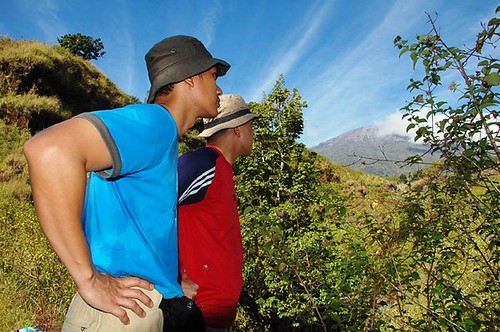
Mount Rinjani is classified as a demanding volcano trek requiring good physical fitness, endurance, and mental toughness. The terrain includes steep ash slopes, loose scree, rocky ridges, and variable trail conditions that challenge balance and stamina. Altitude gain exceeds 2,700 meters, with the summit at 3,726 meters, which can cause altitude-related symptoms for some hikers. The trek involves multi-day hiking with heavy packs, cold temperatures at night, and exposure to strong winds near the summit. Technical climbing skills are not required, but sure-footedness and experience with mountain hiking are essential. The trek is unsuitable for beginners or casual hikers. Preparation should include cardiovascular training, leg strength conditioning, and acclimatization strategies. Overall, Mount Rinjani demands a high level of fitness and respect for mountain conditions, placing it in the category of a demanding volcano ascent.
Essential Gear for Mount Rinjani Trekking
Proper gear is critical for a safe and comfortable Mount Rinjani trek. Recommended items include sturdy hiking boots with excellent grip to handle loose volcanic ash and rocky terrain. Trekking poles help maintain balance on steep and slippery slopes. Warm clothing layers are necessary for cold summit temperatures, including thermal base layers, fleece jackets, and windproof outer shells. A rain jacket is essential for sudden showers during the wet season. Headlamps are vital for pre-dawn summit climbs. Carry a reusable water bottle or hydration system to stay hydrated, as water sources are limited on the trail. Sun protection — sunglasses, sunscreen, and a wide-brimmed hat — is important due to high UV exposure at altitude. A gas mask or respirator is generally not required but can be useful near fumaroles if sensitive to volcanic gases. Additional essentials include a small first aid kit, gloves, a hat for warmth, and a backpack with rain cover. Renting or purchasing quality gear locally is possible through some tour operators.
Safety and Volcanic Hazards on Mount Rinjani
Mount Rinjani presents several safety challenges inherent to active volcano trekking. Volcanic gases such as sulfur dioxide can be present near fumaroles and the crater lake, potentially causing respiratory irritation. Trekkers should avoid lingering near steam vents and respect warning signs. The terrain includes unstable crater edges, loose scree, and falling rocks, requiring caution and proper footwear. Sudden weather changes can bring heavy rain, strong winds, and cold temperatures, increasing risk of hypothermia and slips. Recent safety protocols mandate health certificates, mandatory registration, and certified guides to reduce accidents. Emergency communication and rescue services have been enhanced following past incidents. Groups must adhere to strict size limits and carry basic safety equipment including first aid kits and communication devices. Environmental protection rules prohibit littering and single-use plastics to preserve the fragile ecosystem. Monitoring agencies continuously assess volcanic activity, and access may be restricted during heightened alert levels. Trekkers must follow official guidance and prioritize safety at all times.
Permits, Guides, and Logistics for Mount Rinjani Trekking
Trekking Mount Rinjani requires careful planning to comply with national park regulations and ensure safety. All hikers must obtain an official park entry permit, which is only available through licensed local tour operators. Permits are limited to 400 climbers per day to protect the environment and manage crowding, so early booking is essential. International trekkers cannot hike independently; hiring a certified guide is mandatory. Guides not only ensure safety but also enrich the experience with local knowledge and cultural insights. Groups must have at least two people, with one certified guide per six hikers. Porters are available to carry equipment, limited to 25 kg per porter serving up to three hikers. Recent safety protocols require hikers to present a valid health certificate issued within 24 hours before the trek. Pre-trek safety briefings are compulsory, covering weather, emergency procedures, and environmental rules. Trekking packages typically include permits, guide services, porters, meals, camping equipment, and transportation from nearby towns. Reputable operators include Lombok Volcano Trekking, Rinjani Hiking Tour, Rinjani Trek Company, Rinjani Escape, Rinjani Trekking Special, Jin Lin Rinjani Trek, Rinjani Master, and Star Rinjani. These companies emphasize eco-friendly practices, cultural respect, and high safety standards. Logistics involve traveling to Lombok via Lombok International Airport or ferry from Bali, then onward transport to trailheads in Senaru or Sembalun villages. Accommodation and gear rental can often be arranged through operators or local guesthouses. Adhering to these regulations and using licensed operators ensures a safe, responsible, and unforgettable Mount Rinjani trekking experience.
Where to Stay Near Mount Rinjani
Accommodation options near Mount Rinjani cater to a range of budgets and preferences, primarily located in the gateway villages of Senaru and Sembalun. Senaru offers a charming village atmosphere with several guesthouses, homestays, and mid-range hotels. Notable options include Rinjani Lodge, a premier hotel featuring beautifully appointed rooms, modern amenities, and stunning panoramic views of Mount Rinjani and surrounding rice paddies. The lodge also boasts two infinity pools and an on-site restaurant serving Indonesian cuisine, making it an ideal base for relaxation before or after trekking. Rinjani Lighthouse is a modern boutique guesthouse known for its clean, minimalist design and proximity to local attractions like waterfalls and traditional villages. Pondok Guru Bakti provides a cozy mid-range option blending traditional Lombok style with modern comforts. Budget travelers can find homestays and guesthouses offering basic but comfortable accommodations with warm hospitality. In Sembalun, accommodations such as Sembalun Lodge and Nusantara Hotel provide easy access to the eastern trailhead. The Gate Rinjani is a bamboo-style hotel located directly on the trekking route, offering a peaceful and affordable stay with a 24-hour café. For those seeking luxury, Sembalun Rinjani Villas and upscale boutique lodges in Senaru provide exclusive amenities including private pools and spa services. Many accommodations assist with arranging trekking permits, transportation, and guide services. Staying in these villages immerses visitors in local culture and provides convenient access to the mountain’s trails, waterfalls, and natural beauty.