

Guishan Island Volcano Trekking Guide: Exploring Taiwan’s Unique Turtle-Shaped Stratovolcano
Guishan Island, Taiwan’s only active stratovolcano, offers a unique trekking experience on a volcanic island shaped like a turtle. This guide covers geology, hiking terrain, routes, permits, and nearby accommodations for adventurous volcano trekkers.
Quick Volcano Snapshot
| Attribute | Value |
|---|---|
| Volcano type | Stratovolcano |
| Elevation | 361 m (1,184 ft) |
| Location | Northeastern Taiwan, Yilan County |
| Activity status | Dormant |
| Trekking difficulty | Moderate |
| Typical trek duration | 2-4 hours |
| Altitude gain | Approximately 361 m |
| Terrain type | Volcanic rock, lava flows, ash slopes, coastal cliffs |
| Best season | March to November |
| Temperature range | Approximately 18°C to 28°C |
| Permit requirement | Required; guided tours only |
The Experience of Hiking Guishan Island
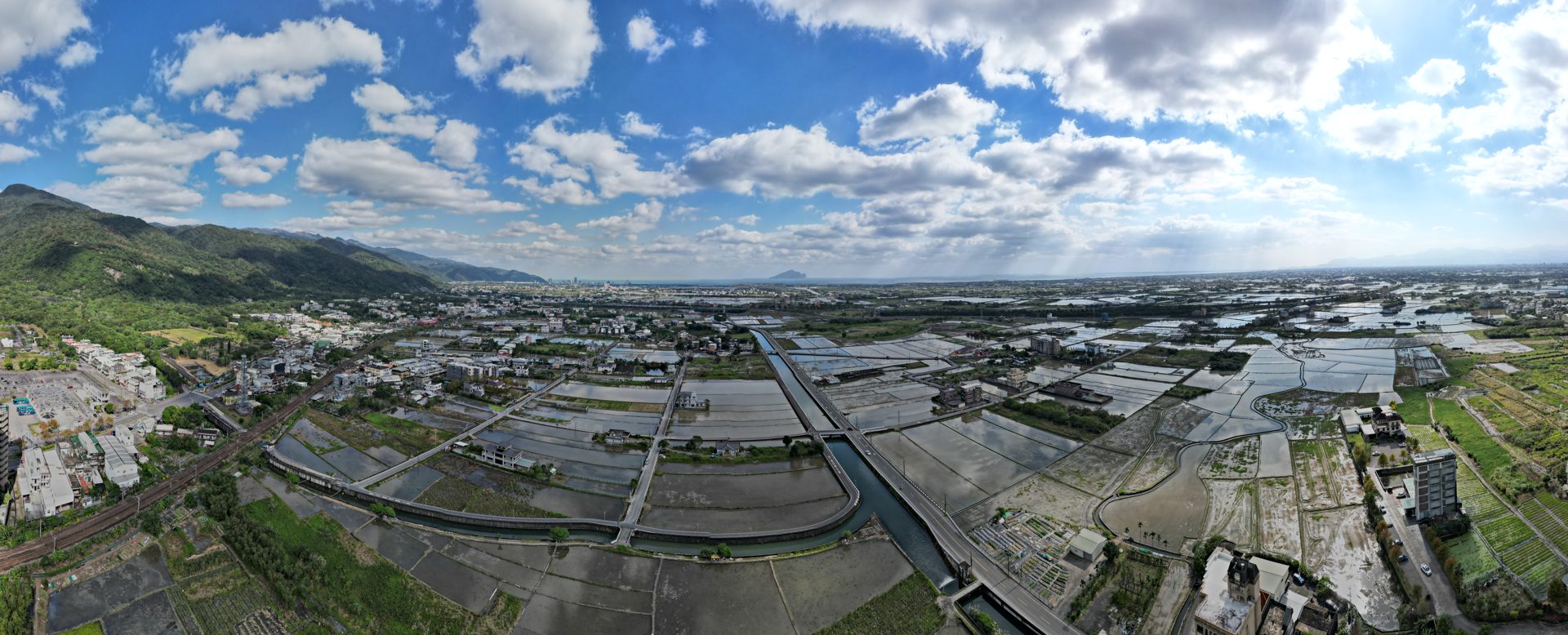
Approaching Guishan Island is like encountering a living giant resting in the Pacific. Its turtle-shaped silhouette rises dramatically from the sea, a rugged volcanic mass sculpted by fire and water. Hiking here immerses you in a landscape where steaming fumaroles hiss and sulfur scents drift on the ocean breeze. The contrast between the island’s barren volcanic slopes and the surrounding vibrant marine ecosystem creates a powerful sense of geological vitality. Reaching the summit offers sweeping views of the Pacific and the mainland coast, a rare moment to stand on Taiwan’s only active volcanic island and feel the Earth’s raw energy beneath your feet.
Geological Background of Guishan Island
Guishan Island is an andesite stratovolcano rising from the seafloor, the only active volcano linked to Taiwan. Its formation involved multiple eruptions, uplift, and erosion, creating a distinctive turtle-shaped profile. The island’s rock layers reveal stacked sequences of lava flows and volcanic ash deposits, telling a story of volcanic activity that last erupted in 1785. Active fumaroles and solfataras emit steam and sulfur gases, indicating residual volcanic heat beneath the surface. Unique geological features include coastal cliffs shaped by marine erosion and underwater hot springs supporting specialized ecosystems. This volcanic island is a living laboratory of geological processes, combining volcanic activity with oceanic forces.
Terrain and Hiking Experience on Guishan Island
Hiking Guishan Island presents a moderately challenging trek across varied volcanic terrain. The trails wind through rugged lava rock formations, steep ash slopes, and coastal cliffs. Trekkers encounter loose volcanic scree and pumice, requiring careful footing and sturdy hiking boots. The ascent to the summit involves climbing over uneven volcanic rock and navigating switchbacks that reveal panoramic ocean views. The island’s exposure to Pacific winds can bring sudden temperature shifts and gusts, adding to the challenge. Along the way, hikers pass steaming fumaroles and sulfur vents, offering sensory reminders of the volcano’s lingering activity. The terrain demands moderate fitness and sure-footedness but rewards with dramatic landscapes and unique volcanic features. The trail system includes the Lakeside Trail around the brackish Turtle Tail Lake and the 401 Heights route ascending to the summit lookout. Both routes showcase coastal volcanic rock formations, endemic flora, and sweeping ocean vistas. The volcanic soil supports patches of greenery contrasting with black lava fields. The island’s compact size allows for a full circuit hike within a few hours, but the volcanic rock and ash require careful navigation. Weather conditions can change rapidly, with sea breezes cooling the exposed ridges. Hikers should prepare for sun exposure and variable footing. Overall, the trek offers an immersive experience of volcanic geology combined with marine scenery, making it a distinctive adventure for volcano enthusiasts.
What Makes Guishan Island Trek Unique
Guishan Island’s trek is unique due to its status as Taiwan’s only active volcanic island with a striking turtle-shaped profile. The combination of volcanic landforms and coastal marine environment creates a rare landscape. Active fumaroles and sulfur vents provide a tangible connection to the island’s volcanic origins. The opportunity to combine hiking with whale and dolphin watching tours around the island adds a dynamic ecological dimension. The island’s history as a former military base and current ecological reserve adds cultural and conservation significance. The volcanic coastal cliffs and the milky blue waters known as the Yuanyang Sea offer exceptional photographic opportunities. This blend of geology, ecology, and cultural heritage makes Guishan Island a singular volcano trekking destination.
Summit and Crater Experience
Reaching the summit of Guishan Island rewards trekkers with sweeping views of the Pacific Ocean and Taiwan’s northeastern coastline. The summit lookout sits near the volcanic crater rim, where steam vents release warm vapor and sulfurous gases. The faint smell of sulfur and the hiss of fumaroles create an otherworldly atmosphere. From this vantage point, hikers can observe the island’s rugged volcanic terrain and the surrounding marine sanctuary. The crater itself is dormant but visibly marked by past eruptions, with layered lava flows and ash deposits. The panoramic vistas and sensory experience of volcanic heat and gases make the summit a memorable highlight of the trek.
Best Time to Trek Guishan Island
The best time to visit Guishan Island is from March to November when the seas are calmer and weather conditions are favorable. The island is closed from December to February due to rough seas and environmental protection. Whale and dolphin watching is most successful between April and September, coinciding with warmer weather. Trekkers should avoid the peak typhoon season in August and September to reduce risks of trip cancellations. Early morning or midday tours offer the best visibility and calmer sea conditions. Seasonal wind patterns influence trail conditions and temperature, so hikers should prepare for variable weather and bring sun protection.
Trekking Routes and Trail Options
Guishan Island offers several well-defined trekking routes, all accessible only via guided tours due to permit restrictions. The main trails include the Lakeside Trail, which circles the brackish Turtle Tail Lake, and the 401 Heights Trail, which ascends to the summit lookout. The Lakeside Trail is relatively flat and offers views of volcanic coastal formations and the island’s unique lake ecosystem. The 401 Heights Trail is steeper and more challenging, climbing over volcanic rock and ash slopes to reach panoramic summit views. Both trails are typically completed within 2 to 4 hours. Guided tours often combine hiking with boat trips around the island for whale watching. Due to environmental protection, visitor numbers are limited, and all hikers must follow designated paths with guides. Self-guided trekking is not permitted. Tour operators coordinate permits, transport from Wushi Harbor, and route planning to optimize visitor experience while preserving the island’s fragile ecosystem.
Difficulty Assessment
Guishan Island’s trek is classified as a moderate volcano trek. The terrain includes uneven volcanic rock, loose scree, and steep ash slopes requiring good balance and moderate fitness. Altitude gain is modest at 361 meters, but exposure to wind and sun increases physical demands. No technical climbing skills are needed, but hikers should be prepared for variable footing and occasional slippery surfaces near fumaroles. The trek is suitable for hikers with some experience in volcanic or coastal terrain. Proper footwear and trekking poles are recommended to navigate rocky sections safely. The guided nature of tours ensures support and safety, making the trek accessible to adventurous travelers with reasonable fitness.
Essential Volcano Trekking Gear
For trekking Guishan Island, essential gear includes sturdy hiking boots with good grip to handle volcanic rock and loose scree. Trekking poles help maintain balance on uneven terrain. A windproof jacket is necessary due to exposure to Pacific winds. Sun protection such as a wide-brimmed hat, sunglasses, and sunscreen is vital because of limited shade. Carry sufficient water and snacks for hydration and energy. A headlamp is useful for early morning or late afternoon tours. While volcanic gases are present, the fumaroles are generally not hazardous at visitor distances, so gas masks are not typically required. Waterproof clothing is advisable during rainy or misty conditions. A camera with a protective case is recommended to capture the island’s dramatic landscapes.
Safety and Volcanic Hazards
Guishan Island is a dormant volcano with active fumaroles emitting steam and sulfur gases. Visitors should maintain safe distances from steam vents to avoid exposure to hot gases and unstable ground. The island’s volcanic terrain includes loose scree and sharp lava rocks, posing risks of slips and falls. Sudden weather changes and strong coastal winds can increase hazards on exposed ridges. The island is monitored by Taiwan’s geological agencies, and access is regulated to ensure visitor safety. Tours are suspended during adverse weather or elevated volcanic activity. Visitors must follow guide instructions and stay on designated trails to minimize risks. Emergency response plans are in place, but the island’s remote location requires preparedness and caution.
Permits, Guides, and Logistics for Guishan Island Trekking
Access to Guishan Island is strictly regulated to protect its delicate volcanic and ecological environment. Visitors must obtain permits, which are only available through authorized tour operators. Independent trekking or unsupervised visits are prohibited. Permits limit daily visitor numbers and restrict summit access to preserve the island’s natural state. Several local tour operators specialize in Guishan Island tours, including Just Ai Wan Tour, KKday, Taiwan Tour Car, and YouFun Taiwan. These companies handle permit applications, boat transfers from Wushi Harbor, guided hiking routes, and whale watching excursions. Tour prices range from approximately 800 to 1,200 New Taiwan Dollars per person, depending on the itinerary and included activities. Tours typically last 2 to 4 hours on the island, with additional time for boat transport. Seasonal closures occur from December to February due to rough seas and environmental protection. Visitors should book tours well in advance, especially during peak season from March to November. Guides provide safety briefings, interpret geological features, and ensure compliance with regulations. Transportation to Wushi Harbor is accessible by train to Toucheng Station followed by taxi or private car. Free parking is available at the harbor for self-driving visitors. Overall, the permit and guided tour system balances visitor experience with conservation, making Guishan Island a sustainable volcano trekking destination.
Where to Stay and Nearby Bases for Guishan Island
Since overnight stays on Guishan Island are prohibited, accommodations are located on Taiwan’s northeastern coast, primarily in Yilan County near the departure point at Wushi Harbor. Popular nearby towns include Toucheng and Jiaoxi, offering a range of lodging options from boutique guesthouses to hot spring resorts. Jiaoxi is renowned for its hot springs and comfortable hotels such as Jiaoxi Hot Spring Hotel, which features rooms with private hot spring baths and scenic views. Toucheng offers guesthouses and B&Bs with easy access to Wushi Harbor, the gateway to Guishan Island tours. Notable accommodations include K House Tou Cheng, a romantic B&B with expansive sea views of Turtle Island, ideal for couples and families. Many lodgings provide amenities like free Wi-Fi, breakfast, and shuttle services to the harbor. Staying in these towns allows travelers to combine volcano trekking with other regional activities such as whale watching, surfing, and hot spring bathing. Advance booking is recommended during peak season due to the popularity of Guishan Island tours. The proximity of these accommodations to the harbor ensures early morning departures and convenient logistics for island excursions.


