
Mount Hakone Volcano Trekking Guide: Exploring Japan’s Scenic Complex Volcano and Hot Springs
Mount Hakone, a complex active volcano in Japan’s Kanto region, offers easy to moderate trekking with stunning views of volcanic landscapes, hot springs, and Mount Fuji. This guide covers geological insights, hiking terrain, routes, safety, permits, accommodations, and local tour operators for an immersive volcano trekking experience.
Quick Volcano Snapshot
| Attribute | Value |
|---|---|
| Volcano type | Complex volcano |
| Elevation | 1,438 meters |
| Location | Kanto, Japan |
| Activity status | Active |
| Trekking difficulty | Easy to Moderate |
| Typical trek duration | 3 to 6 hours depending on route |
| Altitude gain | Up to 600 meters |
| Terrain type | Volcanic rock, forest trails, ash slopes |
| Best season | Spring to Autumn (April to November) |
| Temperature range | 5°C to 25°C depending on season and altitude |
| Permit requirement | No special permits required |
Introduction: The Experience of Hiking Mount Hakone
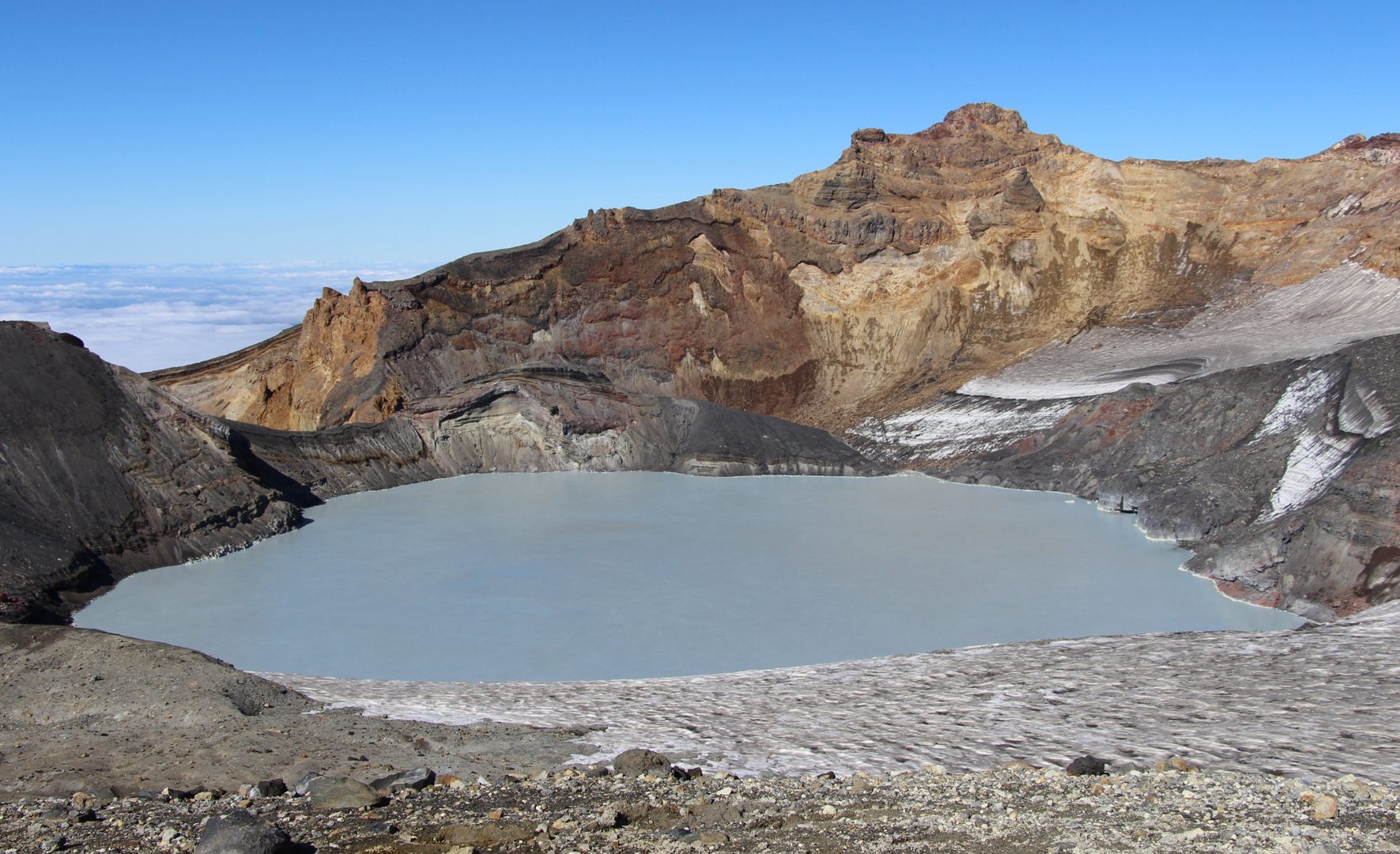
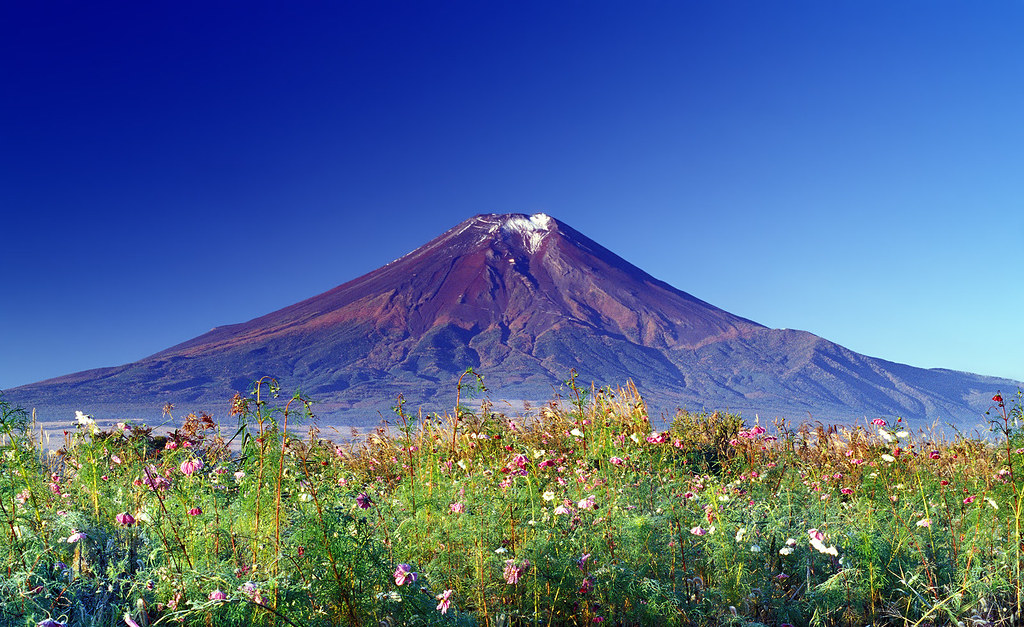
Approaching Mount Hakone, hikers are greeted by a dramatic volcanic landscape framed by lush forests and the serene waters of Lake Ashi. The trail winds through a mosaic of volcanic rock, steaming vents, and verdant greenery, offering a vivid contrast between the raw power of the earth and tranquil natural beauty. As you ascend, the air carries the faint scent of sulfur, a reminder of the volcano’s active nature. Reaching the summit or the crater rim reveals sweeping panoramas including the iconic silhouette of Mount Fuji, expansive caldera lakes, and the steaming valleys below. The emotional impact of standing amidst this dynamic landscape is profound, blending adventure with a deep connection to Japan’s volcanic heritage.
The Volcano Itself: Geological Background
Mount Hakone is a complex volcano formed through multiple eruptive phases that created a large caldera system. Its volcanic activity dates back hundreds of thousands of years, with the most recent eruptions occurring around 3000 years ago. The volcano features a series of overlapping cones and craters, including the well-known Owakudani geothermal valley, where fumaroles and sulfur vents actively release volcanic gases. The caldera lake, Lake Ashi, fills part of the ancient volcanic crater, adding to the region’s geological diversity. The volcanic rocks here range from basaltic to andesitic compositions, and the area is rich in minerals deposited by hydrothermal activity. This dynamic geology continues to shape the landscape, making Hakone a living laboratory of volcanic processes.
The Volcano Trek: Terrain and Hiking Experience
Hiking Mount Hakone offers a varied terrain that combines volcanic rock formations, forested slopes, and well-maintained trails suitable for a range of fitness levels. The trails typically begin in lush hinoki cypress and beech forests, where the canopy provides shade and a cool atmosphere. As you ascend, the vegetation thins, revealing rocky paths composed of volcanic ash, pumice, and hardened lava flows. Some sections require careful footing over loose scree and uneven volcanic rocks, demanding sturdy hiking boots with good grip. The Owakudani route, famous for its active fumaroles and sulfur vents, includes areas where volcanic gases may be present, so hikers should be prepared for occasional strong sulfur smells and heed any safety warnings. The elevation gain is moderate, usually around 400 to 600 meters depending on the chosen route, making the trek accessible to most hikers with a reasonable level of fitness. Weather conditions can change rapidly, with winds picking up near the summit and temperatures dropping, so layered clothing is essential. The trails offer a mix of gentle inclines and steeper sections, with some ridge walking that provides spectacular views but requires caution due to exposure. Overall, the hiking experience balances natural beauty, geological intrigue, and manageable physical challenge, making Mount Hakone a rewarding destination for volcano enthusiasts and casual trekkers alike.

What Makes This Volcano Trek Unique
Mount Hakone stands out for its combination of active volcanic features and cultural richness. Unlike many volcano treks, it offers the rare opportunity to explore steaming geothermal valleys such as Owakudani, where hikers can witness bubbling sulfur pools and fumaroles up close. The presence of Lake Ashi within the caldera adds a serene water element contrasting with the rugged volcanic terrain. The trek is also unique for its accessibility and integration with Japan’s renowned hot spring culture, allowing visitors to relax in natural onsens after a day of hiking. Panoramic views of Mount Fuji from various points along the trails enhance the scenic appeal. Additionally, the area’s historical significance as part of ancient pilgrimage routes and its proximity to traditional villages and art museums enrich the trekking experience with cultural depth.
The Summit and Crater Experience
Reaching the summit or crater rim of Mount Hakone is a sensory highlight of the trek. The panoramic vistas stretch across the volcanic caldera, revealing Lake Ashi’s shimmering surface and the surrounding mountainous landscape. The air is tinged with the unmistakable scent of sulfur from nearby fumaroles, and the ground beneath may emit gentle warmth in places. The soundscape includes the subtle hiss of escaping volcanic gases and the occasional rumble from deeper within the earth. On clear days, the majestic peak of Mount Fuji dominates the horizon, providing a breathtaking backdrop. The crater area invites reflection on the immense geological forces that shaped this landscape, while the dramatic interplay of steam, rock, and sky creates a powerful atmosphere of natural wonder.
Best Time to Trek Mount Hakone
The optimal trekking season for Mount Hakone spans from spring through autumn, roughly April to November. During these months, the weather is generally mild, and the trails are free of snow, making for safer and more comfortable hiking conditions. Spring offers vibrant greenery and blooming flora, while autumn showcases spectacular fall foliage that colors the forests in fiery reds and oranges. Summer can be warm but is also the peak tourist season, so weekdays are preferable to avoid crowds. Winter trekking is less common due to cold temperatures and potential snow on higher elevations, which can increase difficulty and risk. It is important to monitor volcanic gas warnings, especially around the Owakudani area, as occasional closures or restrictions may be implemented for safety. Early morning hikes are recommended to enjoy cooler temperatures and clearer views of Mount Fuji before afternoon clouds roll in.
Trekking Routes and Trail Options
Mount Hakone offers several well-marked hiking routes catering to different preferences and fitness levels. One popular trail begins at the Hakone Visitor Center and ascends through hinoki cypress and beech forests to the Owakudani geothermal valley. This route is family-friendly, with wide paths and interpretive signage explaining the volcanic features. From Owakudani, hikers can continue to the summit area or descend towards Lake Ashi via the Hakone Ropeway and boat cruise, integrating multiple transport modes for a scenic loop. Another classic route is the Old Hakone Highway, a historic path stretching approximately 9 kilometers from Yumoto to Hakone, featuring gentle inclines and cultural landmarks along the way. For more adventurous trekkers, the trail from Gora to Sounzan and then to the volcanic crater offers steeper sections and closer encounters with volcanic terrain. Guided tours by companies such as Really Rural Japan and Magical Trip provide curated experiences combining hiking with cultural insights. Most routes allow for half-day to full-day hikes, with elevation gains ranging from 300 to 600 meters. The trails are generally well-maintained but can include rocky and uneven sections, so appropriate footwear and preparation are advised.
Difficulty Assessment
Mount Hakone’s trekking difficulty ranges from easy to moderate, making it accessible to a wide spectrum of hikers including families and casual adventurers. The trails feature moderate elevation gains of up to 600 meters, with well-defined paths and limited technical challenges. Some routes include loose volcanic scree and rocky sections requiring careful footing, but no specialized climbing skills or equipment are necessary. Altitude is not a significant factor, as the summit is relatively low compared to high mountain volcanoes. Weather conditions can influence difficulty; wet or windy days increase the risk of slips and exposure. Overall, the trek is classified as an easy to moderate volcano trek, suitable for hikers with basic fitness and hiking experience.
Essential Volcano Trekking Gear
For trekking Mount Hakone, essential gear includes sturdy hiking boots with good traction to navigate volcanic rock and uneven terrain safely. Trekking poles are recommended to aid balance on loose scree and steep sections. Layered clothing is important to adapt to changing temperatures and wind conditions, including a windproof jacket and rain gear. A hat and sunscreen are necessary due to limited shade on exposed sections. Carry sufficient water and snacks for hydration and energy. A headlamp is useful for early morning or late afternoon hikes. While volcanic gas levels are generally low, sensitive individuals may consider a lightweight mask if hiking near fumaroles at Owakudani. A small first aid kit and a map or GPS device enhance safety. Finally, a camera is essential to capture the stunning landscapes and unique volcanic features.
Safety and Volcanic Hazards
While Mount Hakone is an active volcano, it poses relatively low immediate risk to hikers under normal conditions. However, volcanic gases such as sulfur dioxide can accumulate, especially near fumaroles and geothermal areas like Owakudani. Visitors should heed all posted warnings and avoid closed trails. Sudden changes in gas emissions can occur, so monitoring local advisories before and during hikes is essential. The terrain includes unstable volcanic rock and loose scree, increasing the risk of slips and falls; proper footwear and cautious movement are critical. Crater edges may be unstable and should not be approached closely. Weather can change rapidly, bringing fog, rain, or strong winds, which reduce visibility and trail safety. Emergency services and volcanic monitoring agencies maintain surveillance and provide alerts, and hikers should register with local visitor centers when possible. Staying on marked trails and traveling with a guide or group enhances safety.
Permits, Guides, and Logistics
Mount Hakone does not require special permits for hiking, making it an accessible destination for independent trekkers. Entry to Fuji-Hakone-Izu National Park, which includes Mount Hakone, is free, although some attractions and transport services may charge fees. Guided tours are widely available and recommended for those seeking deeper cultural and geological insights or wishing to navigate the area efficiently. Notable tour operators include Really Rural Japan, Magical Trip, ToursByLocals, and Keikaku Japan, all offering customizable hiking tours with English-speaking guides. These tours often combine hiking with visits to hot springs, museums, and cultural sites. Logistics are straightforward due to Hakone’s excellent transport connections, including trains, buses, cable cars, and ropeways. The Hakone Loop Pass offers cost-effective access to multiple transport modes. The main trailheads are accessible from Hakone-Yumoto and Gora stations, with frequent public transport links from Tokyo and Odawara. Visitors should plan for variable weather and check volcanic gas warnings, especially for routes near Owakudani, where partial trail closures may occur. Booking accommodations and tours in advance is advised during peak seasons such as spring cherry blossom and autumn foliage periods.
Where to Stay Near Mount Hakone
Hakone offers a diverse range of accommodations catering to different preferences, from traditional ryokans with hot spring baths to modern hotels and guesthouses. The most popular base areas include Hakone-Yumoto, Gora, Miyanoshita, and Motohakone, each providing unique advantages. Hakone-Yumoto, known as the gateway to Hakone, features convenient transport links, numerous shops, and a variety of hotels such as the Yumoto Fujiya Hotel, which offers both Western and Japanese-style rooms with easy access to trailheads. Gora is favored for its scenic mountain setting and upscale ryokans like Gora Hanaougi, offering private onsens and traditional Japanese hospitality. Miyanoshita provides a quieter, more rural atmosphere with historic inns such as the Fujiya Hotel, renowned for its Meiji-era charm and proximity to cultural sites. Motohakone, located along Lake Ashi, is ideal for those seeking peaceful lakeside stays with easy access to boat cruises and hiking routes. Many accommodations include onsen facilities, perfect for relaxing after a day of trekking. Booking well in advance is recommended, especially during peak seasons. Public transport and shuttle services connect these bases efficiently to hiking trails and local attractions, making Hakone a comfortable and convenient hub for volcano trekking.