
Mount Norikura Volcano Trekking Guide: Explore Japan’s Accessible Alpine Volcano
Mount Norikura, a dormant stratovolcano in Japan’s Northern Alps, offers one of the most accessible high-altitude volcano trekking experiences. With its gentle trails, alpine flora, and panoramic summit views, it is ideal for moderate-level hikers seeking volcanic landscapes and rich natural beauty.
Quick Volcano Snapshot
| Attribute | Value |
|---|---|
| Volcano type | Stratovolcano |
| Elevation | 3,026 meters |
| Location | Chubu region, Japan (border of Nagano and Gifu prefectures) |
| Activity status | Dormant |
| Trekking difficulty | Moderate |
| Typical trek duration | 3 to 4 hours round trip |
| Altitude gain | Approximately 322 meters from Tatamidaira bus terminal |
| Terrain type | Volcanic gravel paths, rocky slopes, alpine meadows |
| Best season | Mid-May to late October |
| Temperature range | 0°C to 15°C during trekking season |
| Permit requirement | Climbing registration form required |
The Experience of Hiking Mount Norikura
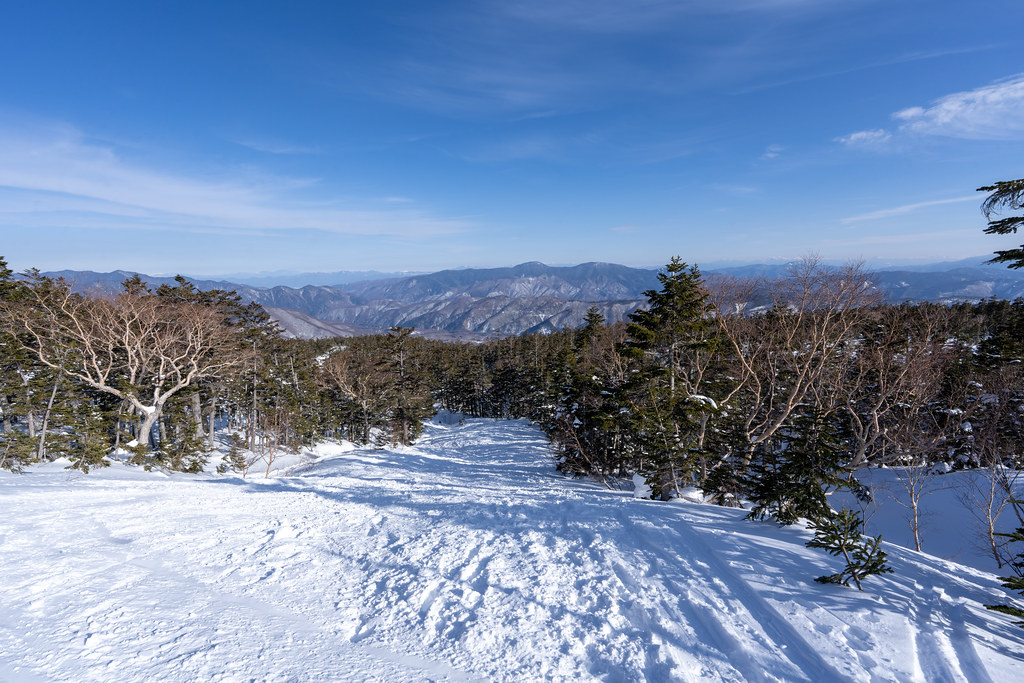
Approaching Mount Norikura, hikers are greeted by a vast alpine landscape marked by the mountain’s distinctive saddle-shaped peaks. The air is crisp and cool, carrying the subtle scent of alpine flora and the faint mineral tang of volcanic soil. As you ascend, the terrain shifts from dense birch forests to open volcanic gravel and rocky slopes, revealing sweeping views of the Northern Japan Alps. The contrast between the rugged volcanic terrain and delicate alpine flowers creates a unique sensory experience. Reaching the summit, the panorama unfolds in every direction, with the serene stillness punctuated only by the whisper of wind and distant bird calls. The sense of standing atop a dormant volcano, surrounded by 23 peaks and pristine ponds, evokes a profound connection to the Earth’s geological forces and natural beauty.
Geological Background of Mount Norikura
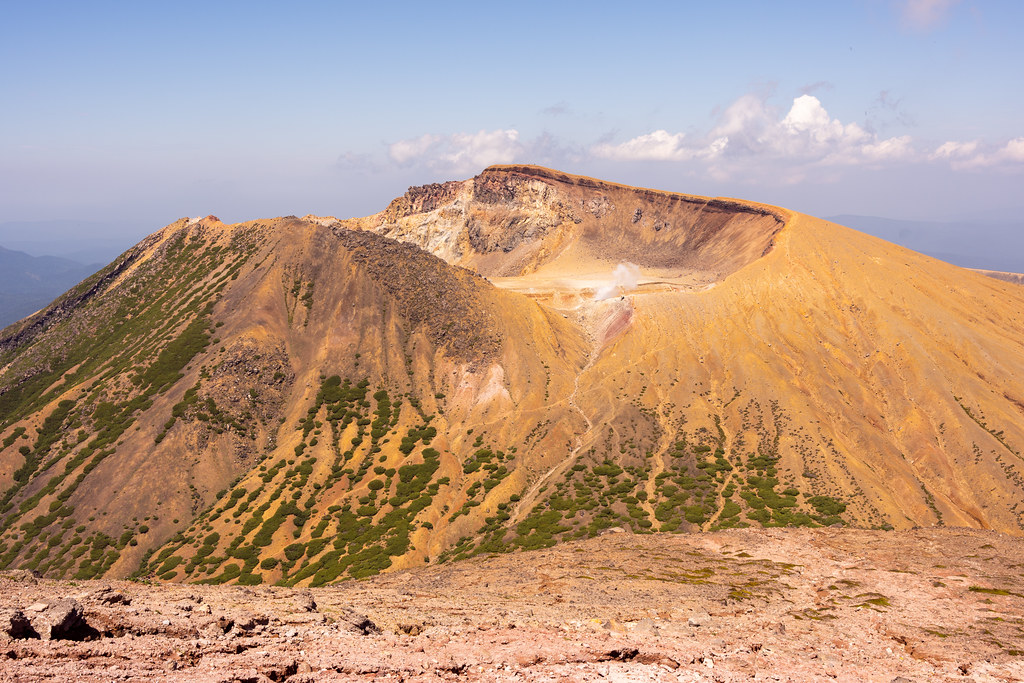
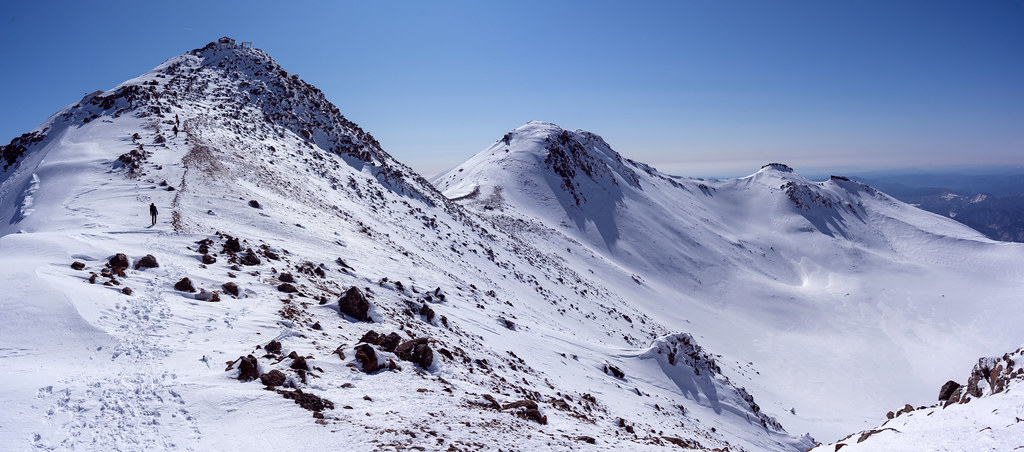
Mount Norikura is a stratovolcano formed over the past one million years, with its current shape taking roughly 300,000 years to develop. Located at the southern end of the Chūbu-Sangaku National Park, it straddles the border between Nagano and Gifu prefectures. The mountain’s name, meaning “riding saddle,” reflects the shape of its peaks and plateaus. The volcano features 23 peaks above 2,500 meters, with Kengamine as its highest point at 3,026 meters. Its volcanic history includes multiple eruptions that created lava flows and shaped the surrounding landscape. The summit area contains fumaroles and mineral deposits, though currently dormant. The terrain includes granite boulders and volcanic ash, with alpine flora thriving in the nutrient-rich volcanic soils. The mountain’s volcanic activity has contributed to the formation of seven ponds and several plateaus, creating a diverse and dynamic geological environment.
Terrain and Hiking Experience on Mount Norikura
The trek up Mount Norikura offers a varied and engaging hiking experience suitable for moderate-level hikers. Starting from the Tatamidaira bus terminal at 2,702 meters—the highest bus stop in Japan—the trail ascends gently through volcanic gravel paths and alpine meadows. The terrain is predominantly composed of loose volcanic gravel and rocky outcrops, requiring sturdy hiking boots with good grip. Early sections of the hike pass through dwarf Siberian pine forests and fields of alpine flowers, including rare species like the rock ptarmigan’s habitat. As the trail climbs, hikers encounter granite boulders and open ridges, where wind exposure can be significant, especially near the summit. The ascent to Kengamine Peak involves navigating well-maintained paths with occasional steep sections and loose scree, demanding careful footing. Altitude effects are mild but noticeable, so pacing and hydration are important. The trail’s moderate elevation gain of approximately 322 meters over 5 kilometers allows most hikers to complete the round trip in about three to four hours. Weather can change rapidly, with temperature drops and strong winds common above the tree line. The volcanic terrain’s unique combination of barren rocky slopes and vibrant alpine flora creates a striking contrast, making the hike both physically rewarding and visually spectacular.
What Makes the Mount Norikura Trek Unique
Mount Norikura stands out as one of Japan’s most accessible high-altitude volcanoes, offering a rare combination of volcanic landscapes and rich alpine biodiversity. Unlike many volcanic treks that involve technical climbing, Norikura’s well-maintained trails and shuttle bus access allow hikers to experience over 3,000 meters elevation with moderate effort. The mountain’s 23 peaks and seven ponds provide varied scenery, from rugged volcanic rock to serene alpine lakes. The presence of rare alpine species, such as the rock ptarmigan, adds ecological interest. Seasonal changes bring dramatic transformations: vibrant wildflower blooms in summer and fiery autumn foliage later in the year. The Norikura Skyline and Echo Line roads, closed to private vehicles to protect the environment, offer shuttle buses and cycling opportunities, enhancing accessibility. The mountain’s cultural history, including spiritual pilgrimages by yamabushi ascetics, enriches the trekking experience with a sense of tradition and reverence.
Summit and Crater Experience on Mount Norikura
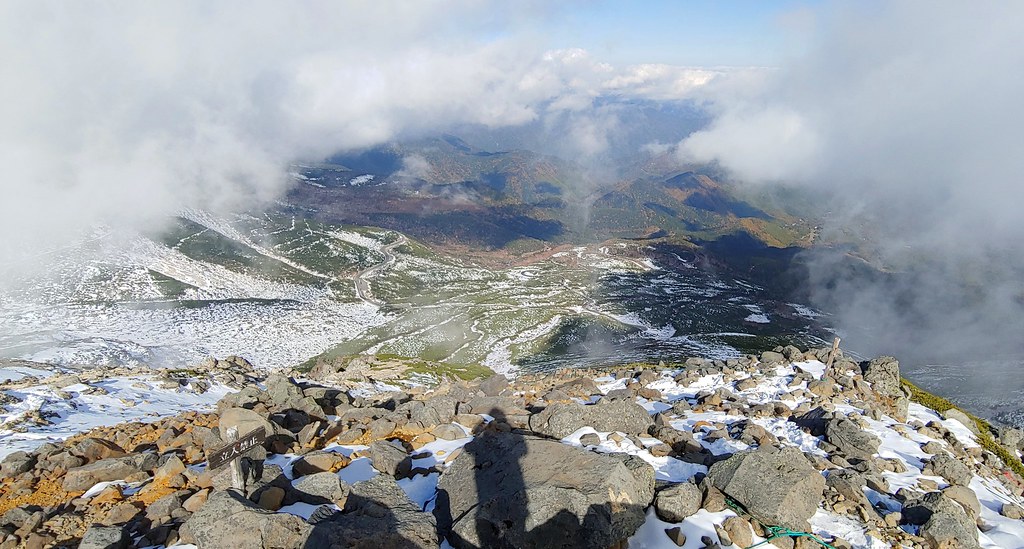
Reaching the summit of Kengamine Peak at 3,026 meters, hikers are rewarded with breathtaking 360-degree views of the Northern Japan Alps and the surrounding volcanic landscape. The summit area is marked by rocky outcrops and patches of lingering snow in early summer. The air is thin and crisp, carrying the faint scent of mineral-rich volcanic soil. While the crater itself is dormant, subtle fumarolic activity and mineral deposits hint at the mountain’s volcanic origins. The silence at the summit is profound, broken only by the wind and the distant calls of alpine birds. The panoramic vistas include neighboring peaks, alpine ponds reflecting the sky, and the vast expanse of the Chūbu-Sangaku National Park. The experience is both humbling and exhilarating, offering a tangible connection to the Earth’s geological forces and the mountain’s ancient volcanic past.
Best Time to Trek Mount Norikura
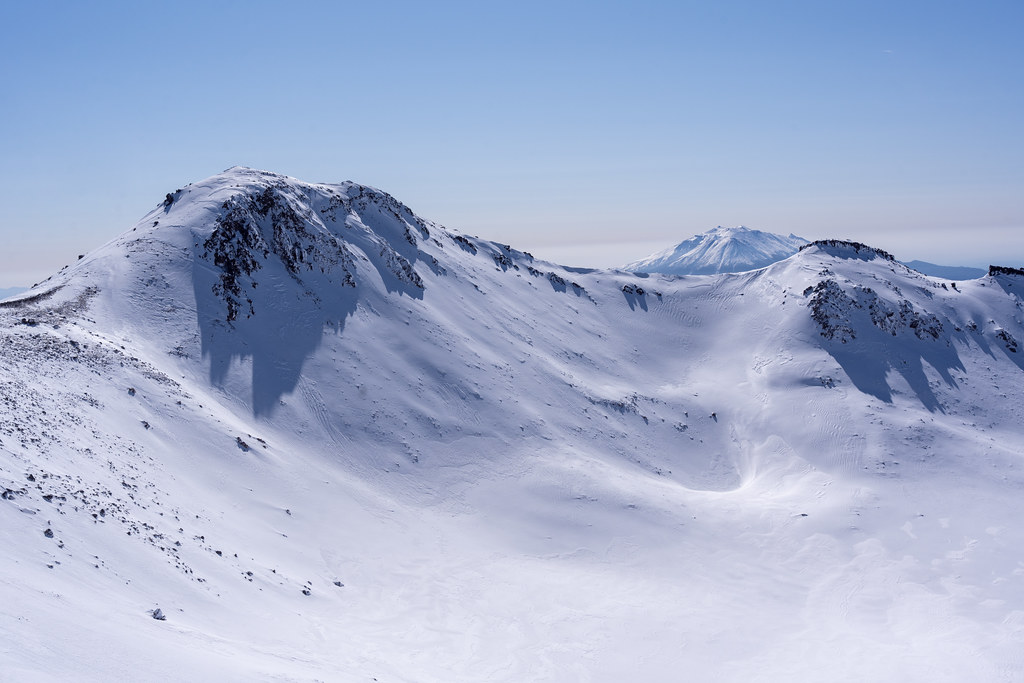
The optimal trekking season for Mount Norikura spans from mid-May to late October, coinciding with the opening of the Norikura Skyline shuttle bus service. Early summer brings vibrant alpine flowers and mild temperatures, while autumn offers spectacular foliage colors from mid-September through October. The mountain’s high elevation means weather can be unpredictable; sudden temperature drops, strong winds, and rain showers are common. Winter snows close the roads and trails from November to mid-May, making trekking impractical and unsafe. Sunrise hikes are popular for witnessing the sea of clouds and golden light over the peaks, but require headlamps and warm clothing due to early morning cold. Visitors should monitor weather forecasts and volcanic activity reports before planning their trek, as conditions can change rapidly.
Trekking Routes and Trail Options on Mount Norikura
Mount Norikura offers several well-marked routes catering to different fitness levels and interests. The classic and most popular route begins at the Tatamidaira bus terminal (2,702 m), accessible by shuttle bus from Hirayu Onsen or Norikura Kogen. From Tatamidaira, hikers follow a gravel service road to the Kata-no-Koya Mountain Hut, approximately a 30-minute walk. From there, the trail ascends through alpine meadows and rocky terrain to the summit of Kengamine Peak, taking about 60 minutes. This round trip covers roughly 5 kilometers with an elevation gain of 322 meters and is considered moderate in difficulty. Alternative routes include shorter hikes to nearby peaks such as Mt. Mao and Mt. Fujimi-dake, offering superb views with less exertion. For more adventurous trekkers, extended routes connect multiple peaks and plateaus within the Norikura range, allowing multi-day hikes. Cycling enthusiasts can also explore the Norikura Skyline and Echo Line roads during the open season. Guided tours are available through local operators, providing expert knowledge and logistical support.
Difficulty Assessment of Mount Norikura Trek
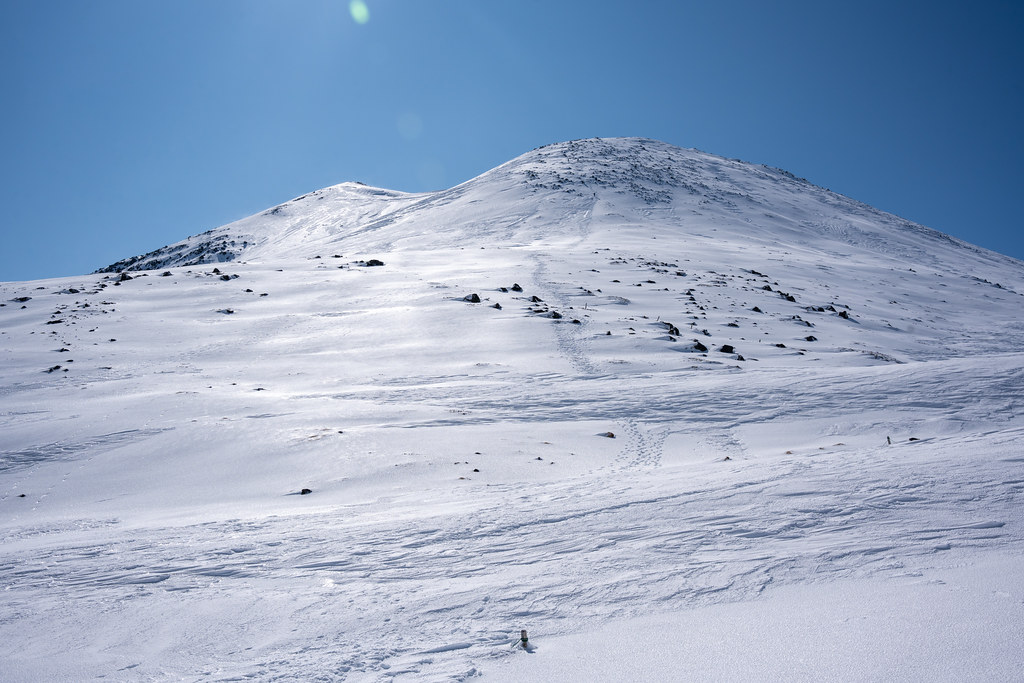
Mount Norikura is classified as a moderate volcano trek, suitable for hikers with a reasonable level of fitness and some mountain hiking experience. The terrain includes loose volcanic gravel, rocky paths, and occasional steep sections requiring careful footing. Altitude gain is moderate, but the summit’s elevation above 3,000 meters can cause mild altitude effects such as shortness of breath or fatigue. The trail is well-maintained and clearly marked, with no technical climbing or specialized equipment needed. Weather conditions can add challenge, with strong winds and rapid temperature changes common above the tree line. Overall, the trek is accessible to most hikers prepared with appropriate gear and acclimatization, making it an excellent introduction to high-altitude volcanic hiking.
Essential Gear for Trekking Mount Norikura
Successful trekking on Mount Norikura requires gear suited to alpine volcanic terrain and variable weather. Essential items include sturdy hiking boots with good grip for loose gravel and rocky paths, trekking poles to aid balance and reduce knee strain, and layered clothing to adapt to temperature fluctuations. A windproof and waterproof jacket is crucial due to frequent winds and sudden rain. Sun protection such as a wide-brimmed hat, sunglasses, and high-SPF sunscreen is necessary because of strong UV exposure at altitude. Carry sufficient water and high-energy snacks, as facilities are limited on the trail. A headlamp is recommended for early morning or late afternoon hikes. Although volcanic gases are minimal due to dormancy, a lightweight respirator or mask can be useful for sensitive individuals. Finally, a map or GPS device and a fully charged mobile phone enhance safety.
Safety and Volcanic Hazards on Mount Norikura
Mount Norikura is a dormant volcano with minimal current volcanic activity, but hikers should remain aware of potential hazards. The terrain includes loose scree and volcanic gravel, increasing the risk of slips and falls, especially on steep descents. Weather can change rapidly, bringing cold temperatures, strong winds, and reduced visibility. Hikers should be prepared for sudden storms and carry appropriate gear. Although fumarolic activity is limited, localized volcanic gases may be present near vents; sensitive individuals should exercise caution. The mountain is monitored by Japan Meteorological Agency, which provides updates on volcanic activity and weather conditions. Visitors must submit a climbing registration form as part of safety protocols. Staying on marked trails, avoiding unstable crater edges, and heeding official warnings are essential for a safe trekking experience.
Permits, Guides, and Logistics for Mount Norikura Trekking
Climbing Mount Norikura requires submission of a climbing registration form, a safety measure managed by local authorities to monitor visitor numbers and ensure emergency preparedness. No special permit fees are charged, but hikers must comply with regulations protecting the fragile alpine environment. Private vehicles are prohibited above certain points to preserve nature; visitors must use shuttle buses or taxis to reach the Tatamidaira bus terminal at 2,702 meters. Shuttle services operate from mid-May to late October, departing from Hirayu Onsen and Honokidaira Bus Terminal on the Gifu side, and from Norikura Kogen Tourist Center on the Nagano side. The Nōhi Bus and Alpico Group provide reliable transportation options. Local tour operators such as Takeyourbackpack Tours and Norikura Guided Hiking Services offer guided treks, including multi-peak routes and nature interpretation. These services provide logistical support, safety briefings, and cultural insights, enhancing the trekking experience. Accommodation bookings at mountain huts and lodges near the summit are recommended during peak season. Hikers should plan transport connections carefully, as shuttle frequency varies and weather can affect schedules.
Where to Stay Near Mount Norikura
Accommodation options near Mount Norikura cater to a range of preferences, from rustic mountain huts to comfortable lodges. The Tatamidaira area, adjacent to the highest bus terminal, hosts several key lodgings including Norikura Haku’unsō and Norikura Ginreisō. These facilities offer warm meals, hot baths, and cozy rooms, providing a restful base for summit attempts. Kata no Koya Mountain Hut, located a 30-minute walk from Tatamidaira, offers no-frills shelter and hearty meals for hikers undertaking multi-day treks or summer skiing. At lower elevations, the Norikura Kogen area features guesthouses and inns such as Raicho Onsen Inn, known for its friendly atmosphere, onsen baths, and proximity to hiking trails and waterfalls. The nearby town of Takayama provides additional lodging and transport connections. NORTHSTAR Alpine Lodge on the Norikura Plateau offers international-style accommodation with Japanese rooms, BBQ facilities, and a communal lounge. Booking in advance is advised during the busy summer and autumn seasons. These accommodations combine accessibility with mountain hospitality, ensuring comfort and convenience for volcano trekkers.