
Mount Tokachi Volcano Trekking Guide: Conquer Hokkaido’s Active Stratovolcano
Mount Tokachi, an active stratovolcano in Hokkaido’s Daisetsuzan National Park, offers a demanding yet rewarding trekking experience. This guide covers its geology, hiking terrain, routes, safety, permits, and accommodation options near the volcano.
Quick Volcano Snapshot
| Attribute | Value |
|---|---|
| Volcano type | Stratovolcano |
| Elevation | 2,077 meters (6,814 feet) |
| Location | Daisetsuzan National Park, Hokkaido, Japan |
| Activity status | Active |
| Trekking difficulty | Demanding |
| Typical trek duration | 7-9 hours |
| Altitude gain | 1,060 to 1,550 meters depending on route |
| Terrain type | Volcanic rock, ash slopes, scree, alpine meadows |
| Best season | Late June to early October |
| Temperature range | 5°C to 20°C in summer; can be colder at summit |
| Permit requirement | Climber registration and forest entry notification required |
The Experience of Hiking Mount Tokachi
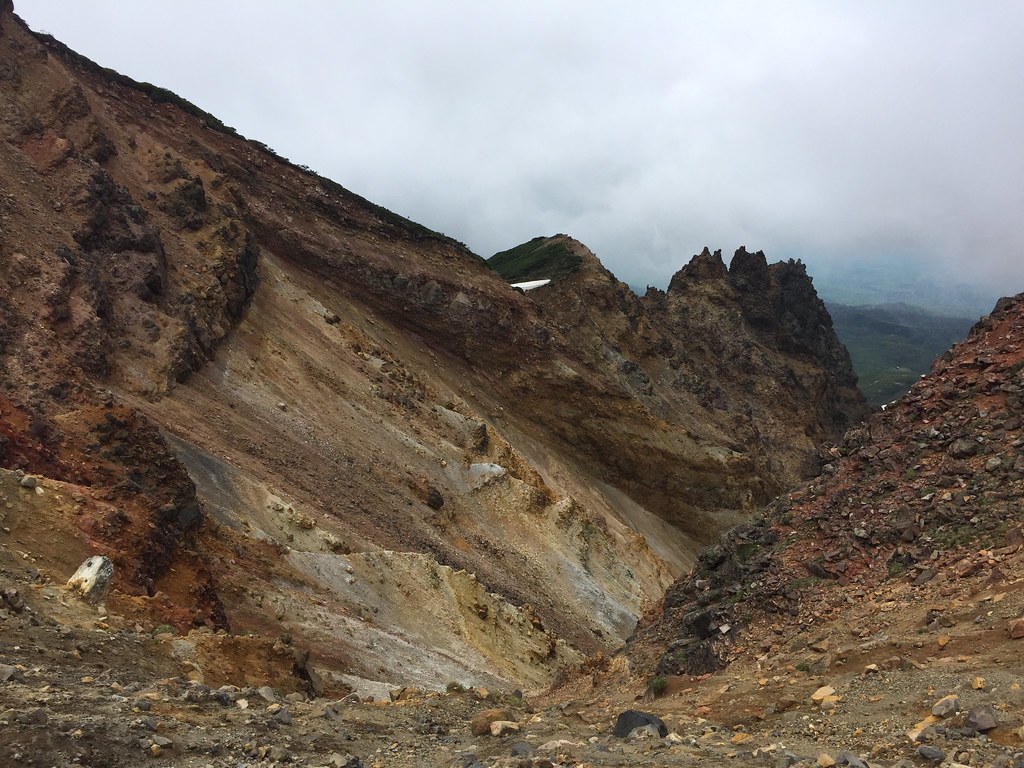
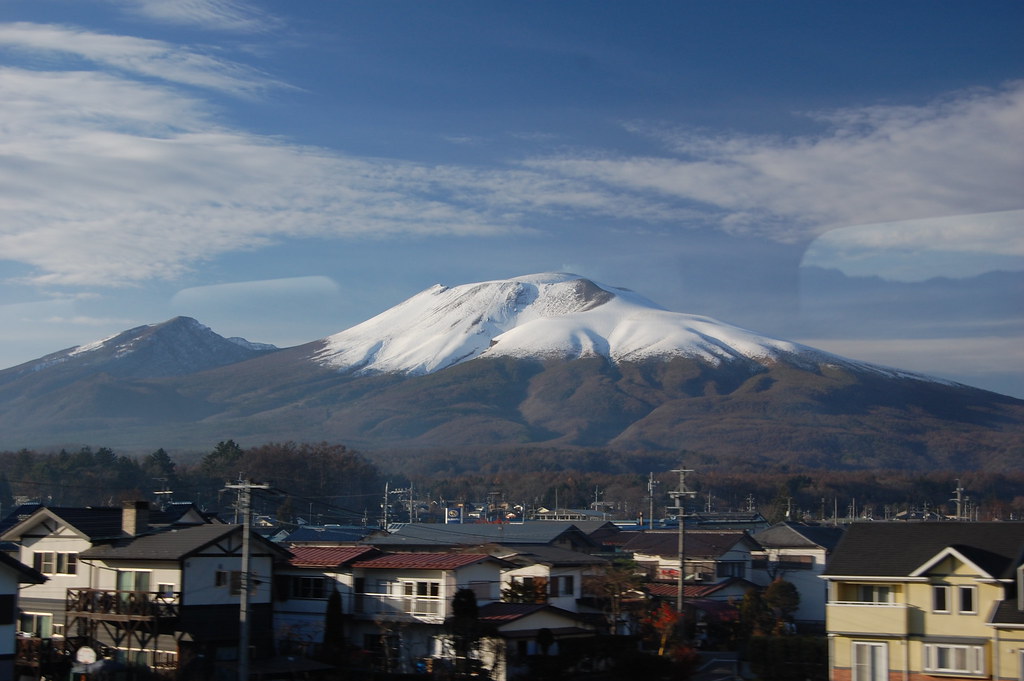
Approaching Mount Tokachi, the air thickens with the scent of sulfur and the landscape transforms into a raw volcanic wilderness. The towering stratovolcano looms with billowing steam vents, rugged lava fields, and stark ash slopes. Hiking here is a journey into the heart of geological power, where every step brings you closer to the earth’s molten pulse. The contrast between the vibrant alpine flora and the barren volcanic terrain creates a surreal atmosphere. Reaching the summit, you are greeted by panoramic views of the Daisetsuzan range and the palpable energy of an active volcano, a humbling and exhilarating experience for any trekker.
Geological Background of Mount Tokachi
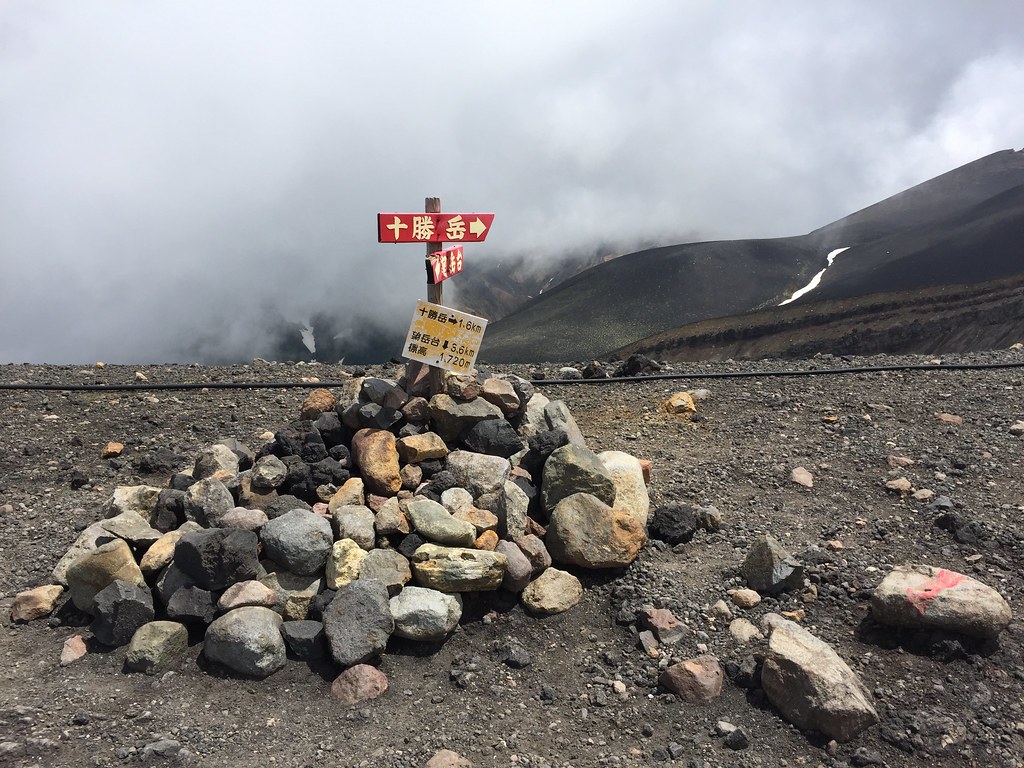
Mount Tokachi is an active stratovolcano forming part of the Tokachi Volcanic Group within Daisetsuzan National Park. Rising to 2,077 meters, it is the highest peak in the range and has a complex volcanic history marked by significant eruptions, notably in 1926, 1962, and a milder eruption in 2004. The volcano’s formation is the result of subduction zone activity where the Pacific Plate dives beneath the North American Plate, creating magma that feeds the volcano. Its summit features fumaroles emitting sulfurous gases, and the landscape is shaped by lava flows, ash deposits, and mudslides from past eruptions. The volcanic minerals and sulfur deposits contribute to the unique ecology and geothermal activity, including nearby hot springs. This dynamic geology continues to reshape the terrain, making Mount Tokachi a living laboratory of volcanic processes.
Terrain and Hiking Experience on Mount Tokachi
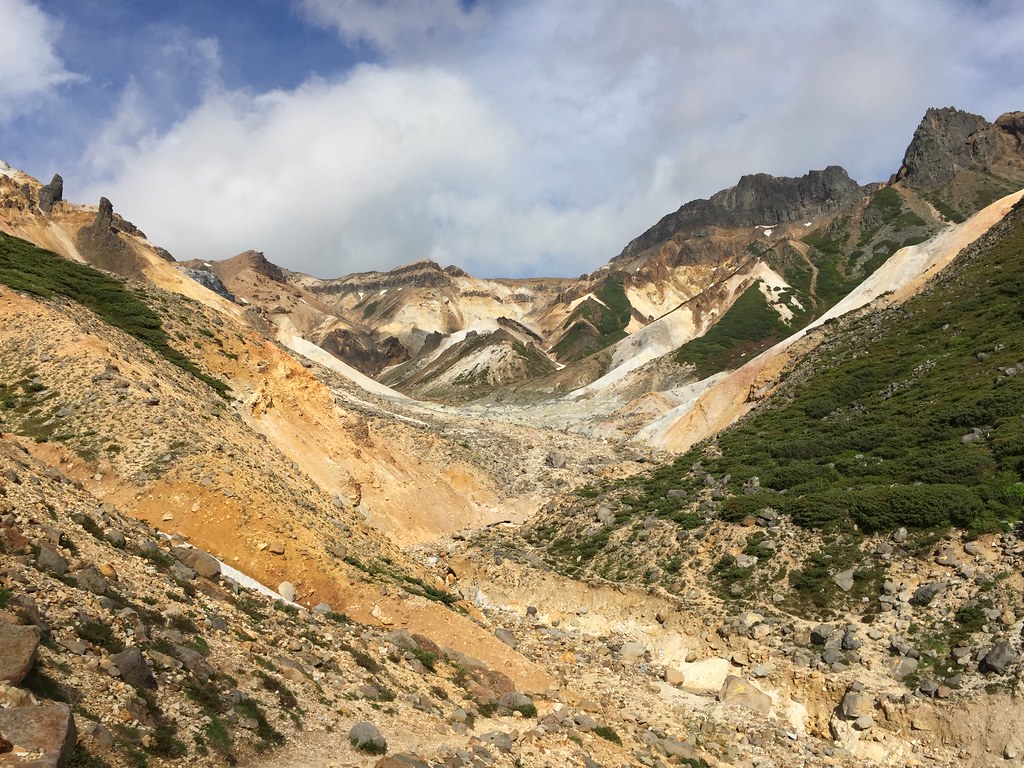
The trek up Mount Tokachi is a demanding adventure through varied and challenging terrain. Starting from trailheads like Bogakudai or Tokachidake Onsen, hikers ascend steep ash slopes and navigate loose volcanic scree that tests balance and endurance. The lower sections pass through alpine meadows and patches of dwarf stone pines, offering brief respite with bursts of alpine flora. As elevation increases, the trail becomes rockier and more exposed, with sharp ridgelines and occasional volcanic rock scrambling. The volcanic ash can be slippery, especially after rain, requiring sturdy boots with good grip. Wind conditions near the summit are often strong and biting, and hikers may encounter mild sulfur gas emissions that can affect breathing. The trail demands good physical fitness and sure-footedness, with altitude gain ranging from 1,060 to 1,550 meters depending on the route. Despite the ruggedness, the landscape’s stark beauty and the dramatic views of steaming vents and surrounding peaks reward every effort. The ridgeline connecting Mount Tokachi to neighboring Mount Biei offers a scenic transition with panoramic vistas. Hikers should be prepared for rapidly changing weather, including sudden cold snaps and rain, even in summer. The trail is well-maintained but can be monotonous in some volcanic sections, so mental endurance is as important as physical. Overall, the hike combines the thrill of active volcanic terrain with the serenity of Hokkaido’s alpine wilderness.
What Makes the Mount Tokachi Trek Unique
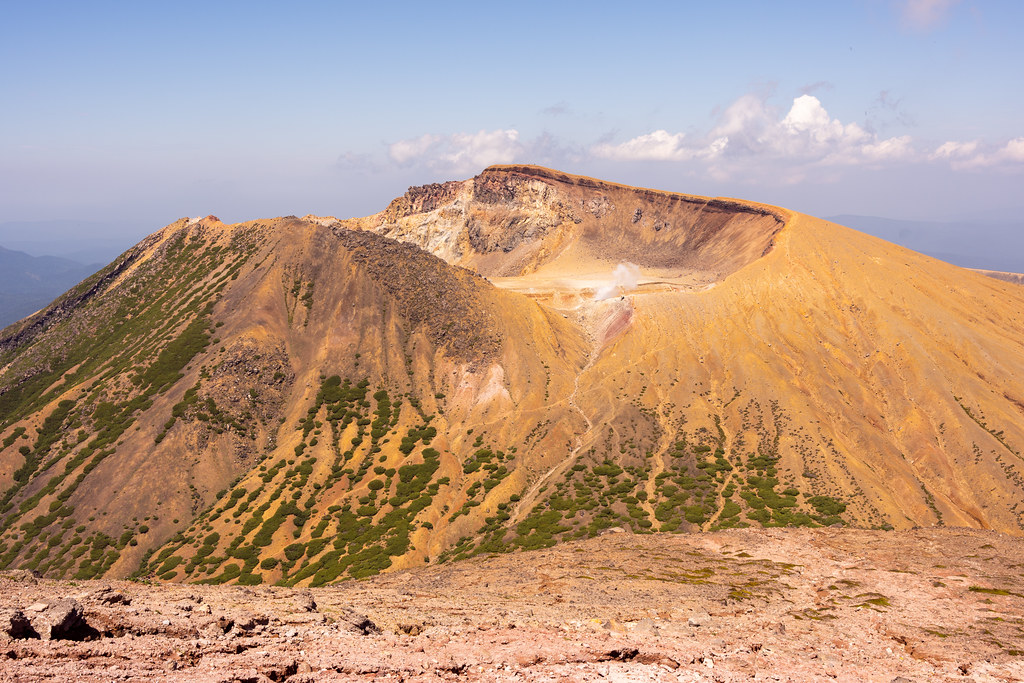
Mount Tokachi stands out for its active volcanic features combined with accessible yet challenging hiking routes. The presence of sulfur vents and fumaroles near the summit creates a sensory experience of heat, smell, and steam that few volcano treks offer. The rugged volcanic landscape contrasts sharply with the lush alpine flora and vibrant seasonal colors, especially during autumn when fiery foliage blankets the slopes. The proximity to natural hot springs, such as Tokachidake Onsen, allows hikers to relax in mineral-rich waters after a strenuous climb. The mountain’s history of eruptions and mudslides has sculpted dramatic terrain, including steep ash slopes and lava fields, providing a raw and dynamic environment. Additionally, the loop trail connecting Mount Tokachi with Mount Biei offers varied terrain, from forested ravines with rope-assisted crossings to open ridgelines with sweeping views. This blend of geological activity, natural beauty, and diverse hiking challenges makes Mount Tokachi a distinctive destination for volcano enthusiasts.
Summit and Crater Experience on Mount Tokachi
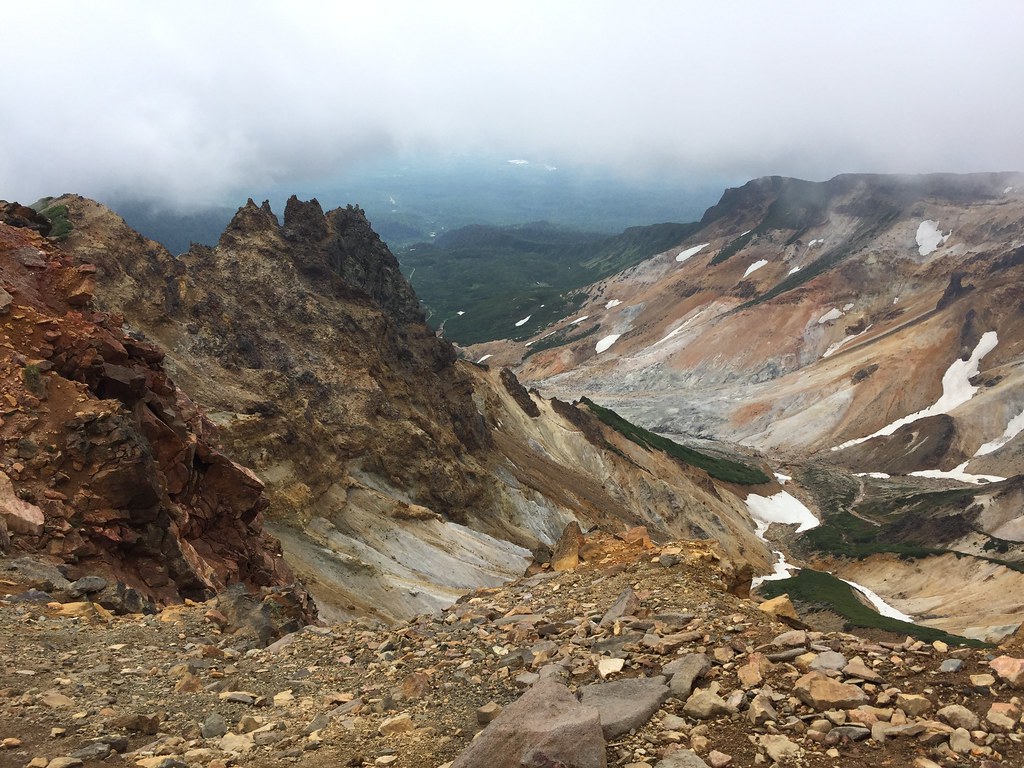
Reaching the summit of Mount Tokachi is a moment of awe and exhilaration. The narrow rocky peak offers panoramic views of the Daisetsuzan mountain range, including neighboring peaks like Mount Biei and Mount Furano. Below, white plumes of volcanic steam rise from fumaroles, accompanied by the sharp scent of sulfur that fills the crisp mountain air. The ground beneath your feet is warm in places, a reminder of the volcano’s active heart. The crater’s edge is rugged and uneven, demanding careful footing but rewarding with dramatic vistas stretching to the Sea of Japan on clear days. The sound of escaping gases and the occasional rumble underscore the mountain’s living nature. This sensory immersion into volcanic activity, combined with the vast alpine panorama, creates a profound connection to the earth’s primal forces.
Best Time to Trek Mount Tokachi
The optimal trekking season for Mount Tokachi spans from late June to early October. During these months, the trails are mostly free of snow, and weather conditions are more stable, offering safer and more enjoyable hiking. Summer brings mild temperatures ranging from 5°C to 20°C, though conditions near the summit can be cooler and windier. Early summer showcases blooming alpine flowers, while autumn delivers spectacular foliage in vibrant reds and yellows. Outside this window, snow and ice can make the trails hazardous, requiring technical gear such as crampons and ice axes. Hikers should also monitor volcanic activity reports, as increased emissions or eruptions can lead to temporary trail closures. Weather in the mountains can change rapidly, so carrying rain gear and warm layers is essential year-round. Avoiding the rainy season and typhoon periods ensures clearer skies and better visibility for summit views.
Routes and Trail Options for Mount Tokachi
Mount Tokachi offers several trekking routes catering to different preferences and fitness levels. The most popular is the Bogakudai Trailhead route, often combined with a loop including Mount Biei. This 16 km loop covers approximately 1,550 meters of elevation gain and takes 8 to 9 hours to complete. Starting from Mount Biei is recommended to enjoy more varied terrain early on and to finish with a gentler descent from Mount Tokachi. The trail features forest sections, river crossings, and steep volcanic slopes. Another option is the Tokachidake Onsen Trailhead, an out-and-back route of about 12.7 km with 1,060 meters elevation gain, typically completed in 7 hours. This route begins near natural hot springs, allowing hikers to relax post-trek. Additional routes ascend via Mount Kamifurano-dake and Mount Kamihorokamettoku, offering panoramic views and alpine flora. All trails require good navigation skills, especially near the summit where multiple side trails exist. Guided tours are available from operators like Hike Master Japan and Veronika’s Adventure, providing expert leadership and logistical support. Access to trailheads is possible by car, with free parking at Bogakudai and Tokachidake Onsen, or by public transport via Kamifurano Station with connecting buses and taxis. Planning for weather and volcanic activity is crucial when selecting routes.
Difficulty Assessment of Mount Tokachi Trek
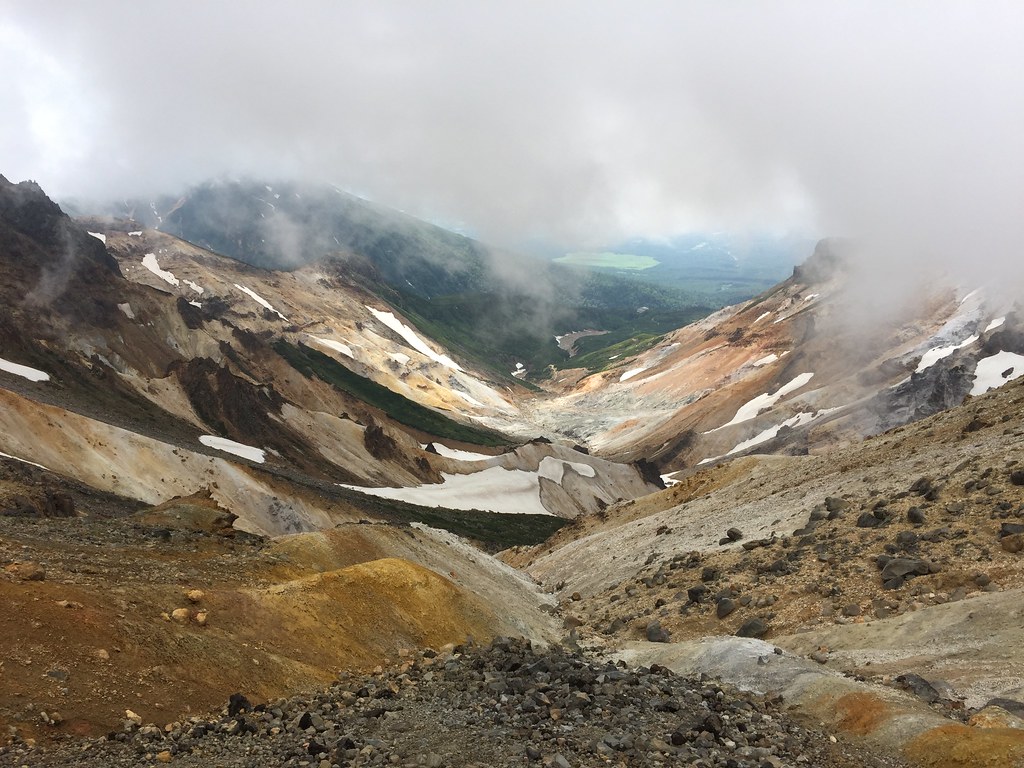
Mount Tokachi is classified as a demanding volcano trek. The terrain includes steep ash slopes, loose scree, rocky ridgelines, and exposed sections near the summit that require sure-footedness and stamina. The altitude gain of over 1,000 meters challenges cardiovascular fitness, and the summit’s elevation of 2,077 meters may cause mild altitude effects in sensitive individuals. Technical climbing skills are not necessary, but hikers must be prepared for variable trail conditions, including slippery volcanic ash and potential wind gusts. The trek suits experienced hikers with good physical conditioning and mountain hiking experience. Beginners should consider guided tours or less strenuous nearby hikes before attempting Mount Tokachi. Proper preparation, including acclimatization, weather awareness, and carrying essential gear, is vital for a safe and successful ascent.
Essential Gear for Mount Tokachi Volcano Trekking
Trekking Mount Tokachi requires gear tailored to active volcanic terrain and variable mountain weather. Essential items include sturdy hiking boots with deep treads for grip on loose ash and rocks, and trekking poles to aid balance on steep and slippery slopes. A windproof and waterproof jacket is necessary to protect against sudden weather changes and strong summit winds. Layered clothing, including thermal base layers and insulating mid-layers, helps manage temperature fluctuations. A headlamp is recommended for early starts or late finishes. Due to sulfur gas emissions near the crater, carrying a gas mask or respirator can be beneficial for sensitive individuals. Sun protection, including sunglasses, sunscreen, and a wide-brimmed hat, is important as the trail offers little shade. Hydration systems and high-energy snacks are vital for endurance. Additionally, a map, compass or GPS device, and a first aid kit are essential for safety. Carrying rain gear and spare clothes is advised to handle wet or cold conditions.
Safety and Volcanic Hazards on Mount Tokachi
Mount Tokachi’s active status presents unique safety considerations for trekkers. Volcanic gases, primarily sulfur dioxide, can cause respiratory irritation, especially near fumaroles and the crater rim. Hikers sensitive to these gases should carry masks and avoid prolonged exposure. The terrain includes unstable scree slopes and loose volcanic ash, increasing the risk of slips and falls. Crater edges can be fragile and unstable, requiring caution and adherence to marked trails. Sudden weather changes, including strong winds and rain, can reduce visibility and trail safety. Although major eruptions are infrequent, the volcano is monitored by Japanese authorities, and trail closures may be enforced during increased activity. Trekkers should check volcanic activity reports before and during their hike. Additionally, the region is home to brown bears; hikers should carry bear spray, make noise, and follow local wildlife safety guidelines. Emergency shelters exist along some routes, but preparedness with proper gear and communication devices is essential.
Permits, Guides, and Logistics for Mount Tokachi Trekking
Climbing Mount Tokachi requires adherence to local regulations and preparation for logistical challenges. Hikers must submit a climber registration form to the local police station and a forest entry notification to the official forestry office, as the area includes national forests. These procedures are streamlined for convenience and forms are available at trailheads. No special permits beyond these notifications are required, but compliance is mandatory for safety and conservation. Guided trekking tours are widely available and recommended, especially for first-time visitors or those unfamiliar with volcanic terrain. Notable operators include Hike Master Japan, offering loop hikes combining Mount Tokachi and Mount Biei; Veronika’s Adventure, which provides private guided tours with expert leadership; Tokachi Adventure Club, specializing in backcountry and winter tours; and Tokachi Outdoor Mates, offering nature and wildlife excursions. These guides provide essential safety briefings, navigation, and insights into the volcano’s geology and ecology. Access to trailheads is possible by car, with free parking at Bogakudai and Tokachidake Onsen, though parking fills early during peak seasons. Public transport options include buses from Kamifurano Station to Fukiage Onsen or Tokachidake Onsen, but schedules require confirmation from local sources. Accommodation near trailheads ranges from campsites and mountain huts to ryokans and lodges with hot springs, facilitating multi-day treks. Hikers should prepare for variable weather, carry sufficient supplies, and monitor volcanic activity updates issued by Japanese meteorological agencies to ensure a safe and enjoyable experience.
Where to Stay Near Mount Tokachi
Mount Tokachi’s trekking routes are supported by a range of accommodation options catering to different preferences and budgets. The Tokachidake Onsen area, located near one of the main trailheads, offers several traditional Japanese ryokans and lodges featuring mineral-rich hot spring baths known for their skin-softening properties. These inns provide a serene retreat after a demanding hike, with spacious grounds and scenic mountain views. For those seeking budget options, campsites are available near Fukiage Onsen, which also features a campground and a natural hot spring facility, ideal for hikers without private transport. Mountain huts along the trails, such as the Mt. Tokachi refuge hut, offer basic shelter but can be crowded during peak season, so tents are recommended for groups. In nearby towns like Biei and Kamifurano, a variety of hotels, guesthouses, and holiday rentals provide comfortable bases with easy access to trailheads by car or public transport. Notable accommodations include Sahoro Resort Hotel, offering modern amenities and proximity to outdoor activities, and private cottages in Biei that accommodate families and groups with facilities like saunas and kitchens. Early booking is advised during summer and autumn, the prime trekking seasons. Many lodgings provide English-speaking staff and can assist with local transport arrangements. Staying near the trailheads allows for early starts and the opportunity to soak in hot springs before or after the trek, enhancing the overall volcano hiking experience.