

Mount Kerinci Volcano Trekking Guide: Conquer Sumatra’s Highest Active Volcano
Mount Kerinci, Indonesia’s highest active volcano at 3,805 meters, offers a demanding yet rewarding trek through dense rainforest and volcanic terrain within Kerinci Seblat National Park. This guide covers geology, trekking routes, permits, safety, gear, accommodations, and expert tips for an unforgettable volcano expedition.
Quick Volcano Snapshot
| Attribute | Value |
|---|---|
| Volcano type | Stratovolcano |
| Elevation | 3,805 meters (12,484 feet) |
| Location | Sumatra, Indonesia |
| Activity status | Active |
| Trekking difficulty | Demanding |
| Typical trek duration | 2-3 days |
| Altitude gain | Approx. 2,200 meters |
| Terrain type | Dense rainforest, volcanic scree, rocky ridges |
| Best season | May to September (dry season) |
| Temperature range | 15°C to 32°C (59°F to 90°F) depending on altitude and season |
| Permit requirement | Yes, permits required from Kerinci Seblat National Park authorities |
The Experience of Hiking Mount Kerinci
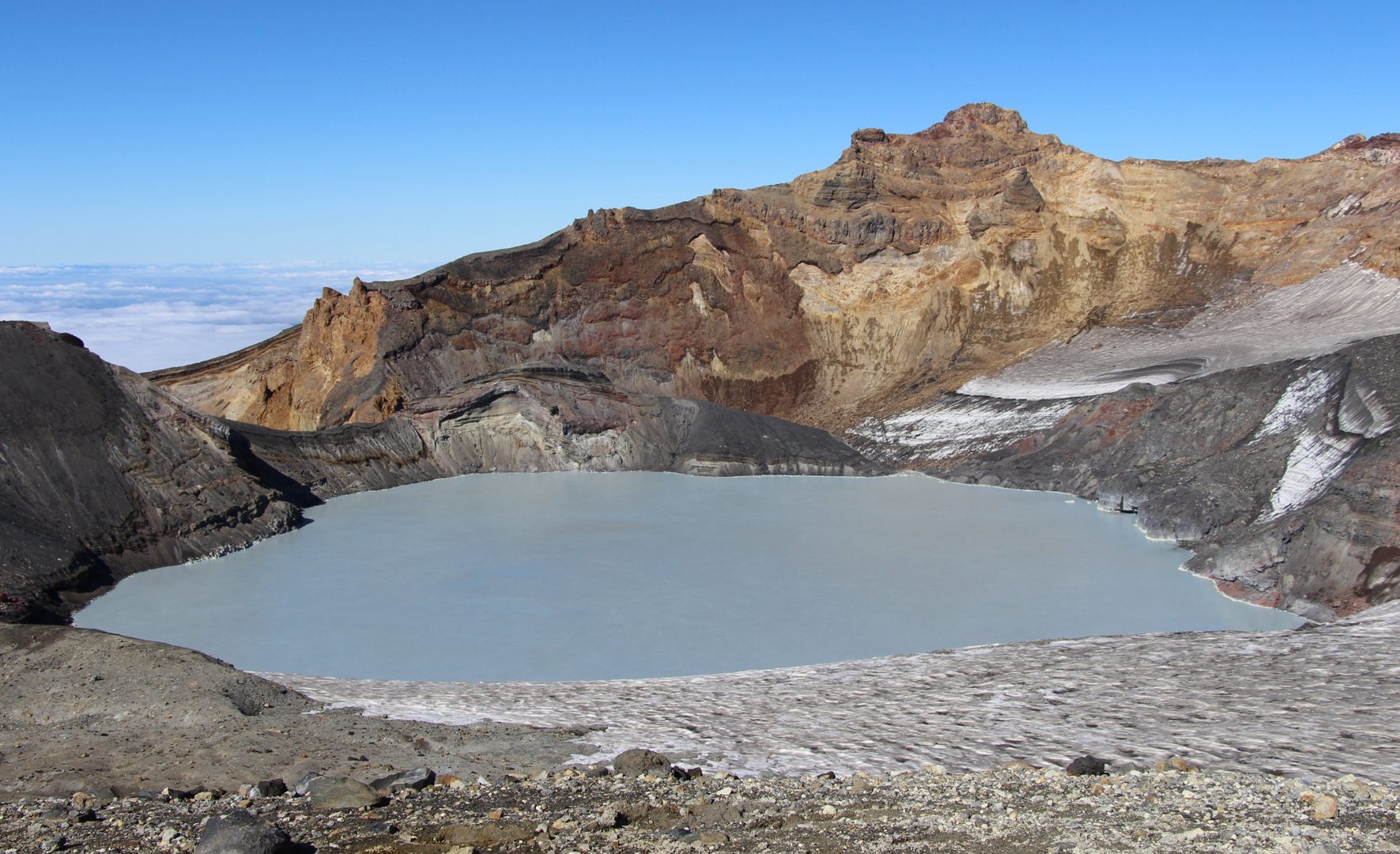
Approaching Mount Kerinci, the highest volcano in Sumatra, is like stepping into a raw and powerful geological realm. The towering stratovolcano rises dramatically above dense tropical rainforest, its smoking crater a constant reminder of the earth’s restless energy. The trail winds through lush jungle alive with exotic bird calls and the occasional glimpse of rare wildlife, before breaking into steep volcanic slopes. The contrast between the vibrant green forest and the barren, rugged summit terrain is striking. Reaching the crater rim at sunrise, hikers are rewarded with panoramic views of the Bukit Barisan range and the vast wilderness below, an emotional climax to a challenging ascent that connects you intimately with the volcanic forces shaping this land.

Geological Background of Mount Kerinci
Mount Kerinci is an active stratovolcano forming part of the Barisan Mountain range along Sumatra’s western coast. Rising to 3,805 meters, it is the highest volcano in Indonesia outside Papua and the tallest peak in Sumatra. The volcano was formed by subduction of the Indo-Australian Plate beneath the Eurasian Plate, resulting in a classic conical shape built from layers of hardened lava, ash, and volcanic debris. Its last eruption occurred in 2009, characterized by moderate ash plumes and fumarolic activity. The summit crater is a steaming vent emitting sulfurous gases, with fumaroles and sulfur deposits visible near the rim. The volcano’s slopes are covered in dense rainforest transitioning to montane vegetation near the summit, reflecting the rich volcanic soils and unique microclimates. Mount Kerinci’s geology offers a vivid example of active volcanic processes in a tropical setting, with frequent fumarolic activity and a history of explosive eruptions shaping its rugged profile.
Terrain and Hiking Experience on Mount Kerinci
The trek up Mount Kerinci is a demanding expedition through diverse and challenging terrain. Starting at the trailhead near Pintu Rimba, hikers enter dense tropical rainforest characterized by thick undergrowth, slippery mud, and tangled roots. The forest is alive with the calls of exotic birds and the occasional sighting of rare wildlife such as the Sumatran tiger or langurs, though these are elusive. The trail is steep and relentless, with no switchbacks, requiring continuous ascent along narrow paths that can be muddy and slippery, especially during the wet season. As elevation increases, the vegetation shifts to montane forest with moss-covered trees and cooler temperatures. Near Shelter 2 and beyond, the terrain becomes rockier and more exposed, with loose volcanic scree and sharp volcanic rocks demanding careful footing. The final ascent to the summit involves scrambling over volcanic rubble and scree slopes, often under strong winds and rapidly changing weather conditions. Altitude effects become noticeable above 2,500 meters, with thinner air and cooler temperatures requiring acclimatization and steady pacing. The trail is marked by wooden signposts and small shelters, but facilities are basic, emphasizing the remote and wild nature of this climb. Trekkers should be prepared for sudden rain, fog, and temperature drops, as well as the physical challenge of a steep, continuous climb. The descent can be equally demanding, requiring attention to loose scree and slippery sections. Overall, the hiking experience is a true adventure, combining the thrill of tropical jungle trekking with the raw power of an active volcano’s summit environment.
What Makes the Mount Kerinci Trek Unique
Mount Kerinci stands out as a volcano trek due to its combination of height, active volcanic features, and rich biodiversity. It is the highest active volcano in Southeast Asia, offering a summit experience unmatched in the region. Unlike more commercialized volcanoes, Kerinci’s trails remain rugged and wild, providing a genuine expedition feel. The trek passes through pristine rainforest ecosystems within Kerinci Seblat National Park, a UNESCO World Heritage Site, home to rare species like the Sumatran tiger and diverse birdlife. The volcano’s active crater emits visible fumarolic gases, allowing hikers to witness volcanic activity safely from the rim. The absence of switchbacks and the steep, direct ascent create a physical challenge that rewards climbers with dramatic panoramic views stretching to the Indian Ocean on clear days. The cultural interaction with local communities in Kersik Tuo village, surrounded by tea plantations, adds an authentic Sumatran flavor to the journey. This blend of geological drama, ecological richness, and cultural immersion makes Mount Kerinci a uniquely compelling volcano trek.
Summit and Crater Experience on Mount Kerinci
Reaching the summit of Mount Kerinci is a moment of profound awe and exhilaration. At 3,805 meters, the crater rim offers a commanding vantage point over the surrounding Bukit Barisan mountain range and the vast tropical wilderness below. The air is thin and crisp, carrying the sharp scent of sulfur from fumaroles venting steam and volcanic gases. The crater itself is a steaming cauldron, with occasional plumes of smoke rising into the sky, a vivid reminder of the volcano’s active nature. The ground near fumaroles is warm to the touch, and the sound of escaping gases creates an eerie, otherworldly atmosphere. On clear mornings, the sunrise paints the sky in fiery hues, illuminating the rugged volcanic landscape and distant peaks. The panoramic views extend to the Indian Ocean on the horizon, a breathtaking reward for the strenuous climb. The summit experience is both humbling and empowering, connecting trekkers to the primal forces shaping the earth beneath their feet.

Best Time to Trek Mount Kerinci
The ideal time to trek Mount Kerinci is during the dry season from May to September, when trails are less muddy and visibility is generally clearer. During these months, daytime temperatures range from 23°C to 32°C at lower elevations, with cooler conditions near the summit. Clear skies increase the chances of witnessing spectacular sunrises and panoramic views. The wet season from October to April brings heavier rainfall, making trails slippery and more challenging, though the rainforest becomes lush and vibrant. Trekkers attempting the climb in the wet season should be prepared for mud, leeches, and sudden weather changes. Mount Kerinci is open year-round, but volcanic activity and weather conditions can affect access, so checking current conditions and park advisories before planning is essential. Early morning starts are recommended to avoid afternoon rain and to reach the summit for sunrise. Flexibility and preparation are key, as the mountain’s tropical climate can be unpredictable.
Trekking Routes and Trail Options on Mount Kerinci
Mount Kerinci offers several trekking routes catering to different preferences and skill levels. The most popular and accessible route starts from Kersik Tuo Village, located at approximately 1,500 meters elevation. From here, hikers proceed to the Pintu Rimba trailhead near the national park entrance at around 1,800 meters. This route covers roughly 8 kilometers to the summit with an elevation gain of about 2,000 meters. It is typically completed over 2 days, with an overnight camp at Shelter 3 (around 3,100 meters). The trail is well-marked with wooden signposts and small huts for rest. This route balances accessibility with a challenging ascent through rainforest and volcanic terrain. For those seeking a quieter, more immersive experience, the Sapan Trail offers a longer, approximately 10-kilometer trek through denser forest and more rugged terrain. It usually requires 2 days with camping and demands carrying all supplies due to limited facilities. The Sapan Trail is favored by experienced hikers interested in wildlife and solitude. The Puncak Trail is the most direct and steep route, about 7 kilometers in length, recommended only for highly fit and experienced climbers due to its rocky, exposed ridges and minimal shelter. It is often completed in a single long ascent. Guided treks are available for all routes, with local operators providing porters, camping equipment, and meals. Self-guided trekking is possible but not recommended due to the challenging terrain and navigation requirements. Each route offers unique perspectives on the volcano’s diverse ecosystems and geological features, allowing trekkers to tailor their expedition to their abilities and interests.
Difficulty Assessment of Mount Kerinci Trek
Mount Kerinci is classified as a demanding volcano trek requiring good physical fitness, endurance, and some prior trekking experience. The continuous steep ascent with minimal switchbacks challenges the legs and cardiovascular system. The trail’s terrain varies from slippery mud and tangled roots in the rainforest to loose volcanic scree and rocky ridges near the summit, demanding surefootedness and careful navigation. Altitude effects become significant above 2,500 meters, with thinner air increasing fatigue and risk of altitude sickness. Climbers should be prepared for rapid weather changes, including rain, wind, and cold temperatures near the summit, often close to freezing. The trek does not require technical climbing skills or specialized equipment but does require stamina and mental resilience. The recommended classification is a demanding volcano ascent suitable for fit adventure travelers comfortable with multi-day hikes in remote wilderness. Proper acclimatization, pacing, and preparation are essential for a safe and successful climb.
Essential Gear for Mount Kerinci Volcano Trekking
Successful trekking on Mount Kerinci requires gear suited to tropical rainforest conditions and high-altitude volcanic terrain. Essential items include sturdy hiking boots with good grip for slippery mud and rocky scree, and trekking poles to aid balance on steep slopes. Lightweight, breathable, and quick-drying clothing is recommended for humid jungle sections, with warm layers such as fleece and a windproof jacket for summit temperatures near freezing. A rain jacket and waterproof pants are necessary due to frequent rain showers. Gaiters help prevent mud and debris entering boots. A headlamp is essential for early morning summit pushes in darkness. Sun protection including a wide-brimmed hat, sunglasses, and high SPF sunscreen is important as the trail offers limited shade at higher elevations. Hydration systems or water bottles with purification tablets ensure safe drinking water. A gas mask or respirator is generally not required but may be useful for sensitive individuals near fumaroles. Additional gear includes insect repellent, a first aid kit, personal toiletries, and a camera to capture the stunning landscapes. Camping equipment such as tents, sleeping bags, and mats are provided by guides on multi-day treks, but trekkers should confirm arrangements in advance. Packing light while preparing for variable conditions is key to a comfortable and safe ascent.
Safety and Volcanic Hazards on Mount Kerinci
Mount Kerinci is an active volcano, and safety is paramount when planning a trek. The volcano last erupted in 2009 with moderate activity, and fumarolic gases are present near the crater rim. Trekkers must stay outside restricted zones and follow guidance from local authorities and guides. Volcanic gases such as sulfur dioxide can cause respiratory irritation; individuals with respiratory conditions should take precautions. The trail features unstable crater edges, loose scree, and falling rocks, especially near the summit, requiring careful footing and attention. Sudden weather changes including heavy rain, fog, and strong winds can reduce visibility and increase risk of hypothermia. The steep, muddy rainforest trails can be slippery, increasing the chance of falls. It is essential to hire licensed local guides who monitor volcanic activity and weather conditions, ensuring safe passage. Emergency communication is limited in remote areas, so trekkers should carry a first aid kit and inform others of their itinerary. Kerinci Seblat National Park authorities provide volcanic monitoring and issue warnings when necessary. Respecting park regulations, staying on marked trails, and being prepared for the physical and environmental challenges are critical for a safe and successful climb.
Permits, Guides, and Logistics for Mount Kerinci Trekking
Climbing Mount Kerinci requires obtaining permits from Kerinci Seblat National Park authorities. Foreign visitors pay an entrance fee of approximately 150,000 IDR per day, while Indonesian nationals pay a reduced rate. Permits are typically arranged through local tour operators or directly at the park entrance. Hiring a licensed local guide is strongly recommended for safety, navigation, and cultural insight. Guides provide essential support including route knowledge, safety monitoring, and coordination with porters who carry camping equipment and meals. Several reputable tour operators specialize in Mount Kerinci treks, including Kerinci Paradise, Trekking Kerinci, Explore Desa Adventure, and Green Rinjani. These companies offer packages ranging from 2-day fast summit climbs to more relaxed 3-day itineraries with better acclimatization. Packages usually include permits, park fees, guide and porter services, camping gear, meals, and transport from nearby towns. The main trailhead is at Pintu Rimba near Kersik Tuo village, which serves as the primary base for treks. Reaching Kersik Tuo involves a 6-8 hour drive from Padang International Airport, often arranged by tour operators. Accommodation in Kersik Tuo ranges from simple homestays to boutique lodges. Trekkers should book permits and guides well in advance during peak season (May-September) to ensure availability. It is important to check current volcanic activity and weather conditions before departure, as access may be restricted during heightened volcanic unrest. Overall, partnering with experienced local operators ensures a safe, well-organized, and culturally enriching expedition.
Where to Stay Near Mount Kerinci and Nearby Bases
The primary base for Mount Kerinci treks is the village of Kersik Tuo, located in the Kerinci valley surrounded by tea plantations at approximately 1,400 to 1,500 meters elevation. Kersik Tuo offers authentic homestays and boutique lodges that provide warm local hospitality and essential amenities. Notable accommodations include Kerinci View Homestay, which features clean rooms, hot water showers, western-style toilets, and scenic views of Mount Kerinci and surrounding riverside landscapes. Other options include MT Syariah Homestay, Nayla Homestay, and Hotel Zahza, offering varying levels of comfort and proximity to the trailhead. Most lodgings provide meals featuring local cuisine and can arrange guide services and transport. The village atmosphere is peaceful and agricultural, lacking large hotels or luxury resorts, which preserves the authentic Sumatran experience. For trekkers arriving from Padang or Sungai Penuh, transfers to Kersik Tuo typically take 6-8 hours by road, often arranged by tour operators. The trailhead at Pintu Rimba is accessible by a short drive from Kersik Tuo, making the village an ideal staging point. Some trekkers choose to stay overnight in Sungai Penuh or Padang for additional rest before or after the climb. Overall, accommodations near Mount Kerinci emphasize comfort, local culture, and proximity to the volcano, providing a welcoming base for the challenging ascent ahead.