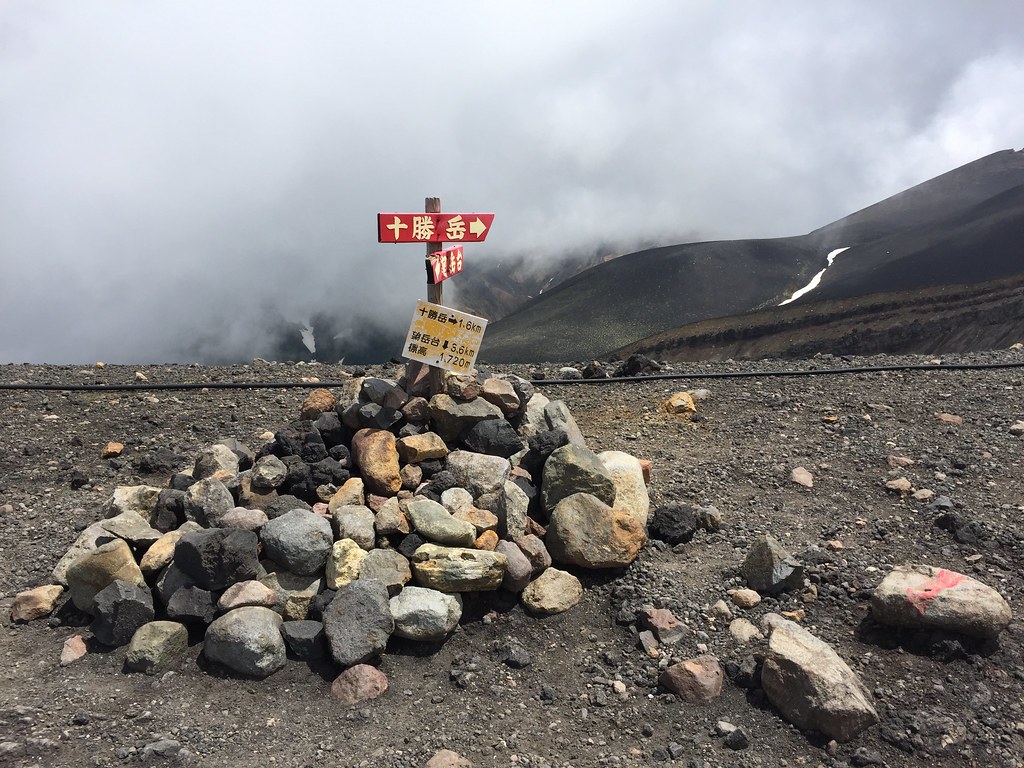

Mount Ijen Volcano Trekking Guide: Experience Indonesia’s Blue Fire and Acidic Crater Lake
Mount Ijen in East Java, Indonesia, offers a unique volcano trekking experience featuring the world’s largest acidic crater lake and the rare blue fire phenomenon. This guide covers the geology, trekking routes, safety tips, permits, and accommodation options for adventurers seeking to explore this active stratovolcano.
Quick Volcano Snapshot
| Attribute | Value |
|---|---|
| Volcano type | Stratovolcano |
| Elevation | 2,386 meters |
| Location | East Java, Indonesia |
| Activity status | Active |
| Trekking difficulty | Moderate |
| Typical trek duration | 3-4 hours |
| Altitude gain | Approximately 600 meters |
| Terrain type | Volcanic dirt paths, rocky slopes, sulfur deposits |
| Best season | April to October (dry season) |
| Temperature range | 5°C to 20°C (varies with time of day and altitude) |
| Permit requirement | Yes, entrance fee and permits required |
Introduction: The Experience of Hiking Mount Ijen
Approaching Mount Ijen, hikers are greeted by a surreal volcanic landscape where the stark contrast between barren sulfur-streaked slopes and lush surrounding forests creates a dramatic setting. The climb begins in the quiet darkness of night, adding to the anticipation of witnessing the rare blue fire phenomenon. As you ascend, the air grows cooler and tinged with the sharp scent of sulfur. Reaching the crater rim at dawn, the expansive turquoise acidic lake unfolds below, its vibrant color intensified by the rising sun. The emotional impact of standing on the edge of an active volcano, watching the ethereal blue flames flicker and the miners toil, is unforgettable and deeply humbling.
The Volcano Itself: Geological Background
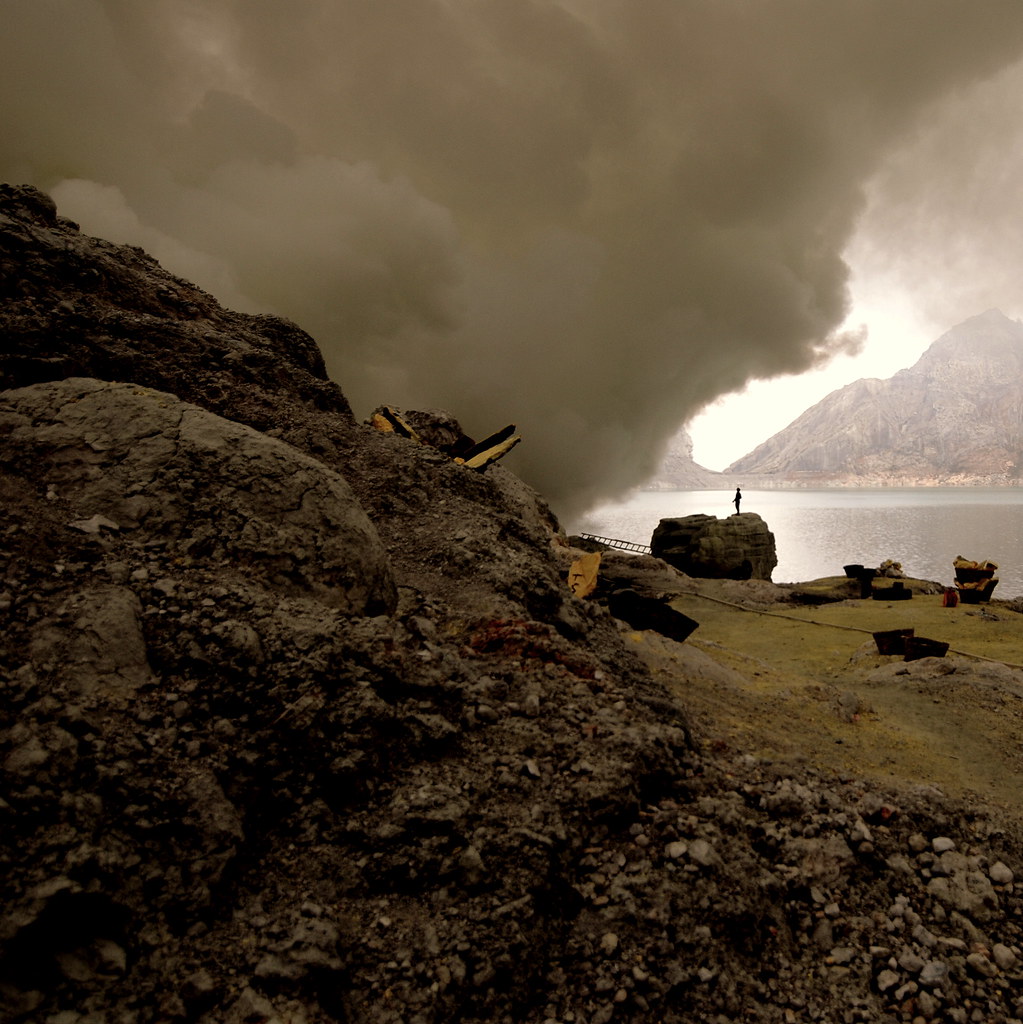
Mount Ijen is an active stratovolcano located within a large caldera complex in East Java, Indonesia. The caldera, approximately 20 kilometers wide, was formed by massive volcanic eruptions thousands of years ago. Over time, several volcanic cones developed inside this caldera, including the current Mount Ijen. One of the volcano’s most striking features is its highly acidic crater lake, the largest of its kind in the world, with a pH close to zero. This lake is rich in sulfuric and hydrochloric acids, creating a vivid turquoise color that contrasts sharply with the surrounding volcanic rock. The volcano continuously emits sulfur gases through fumaroles, which condense and crystallize around the crater rim, forming bright yellow sulfur deposits. These geological processes create a unique and dynamic environment that is both scientifically fascinating and visually stunning.
The Volcano Trek: Terrain and Hiking Experience
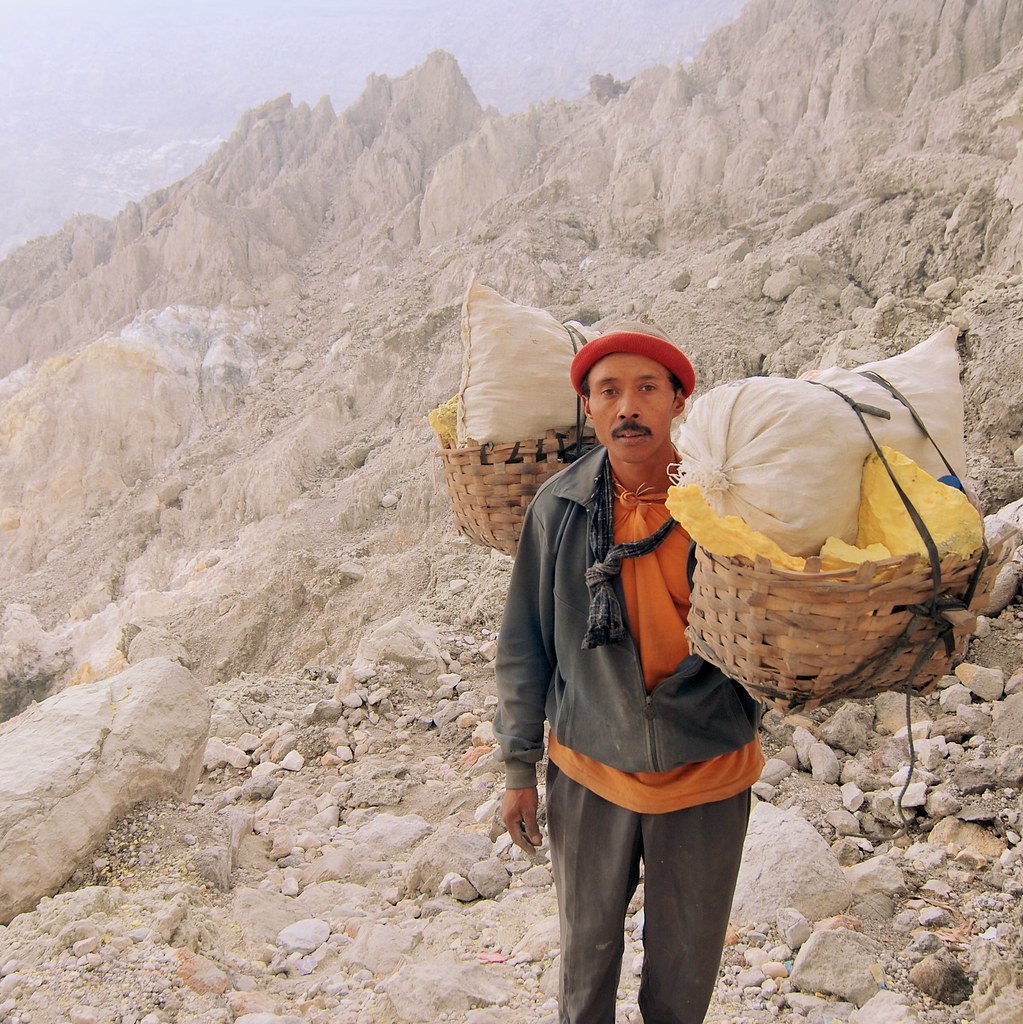
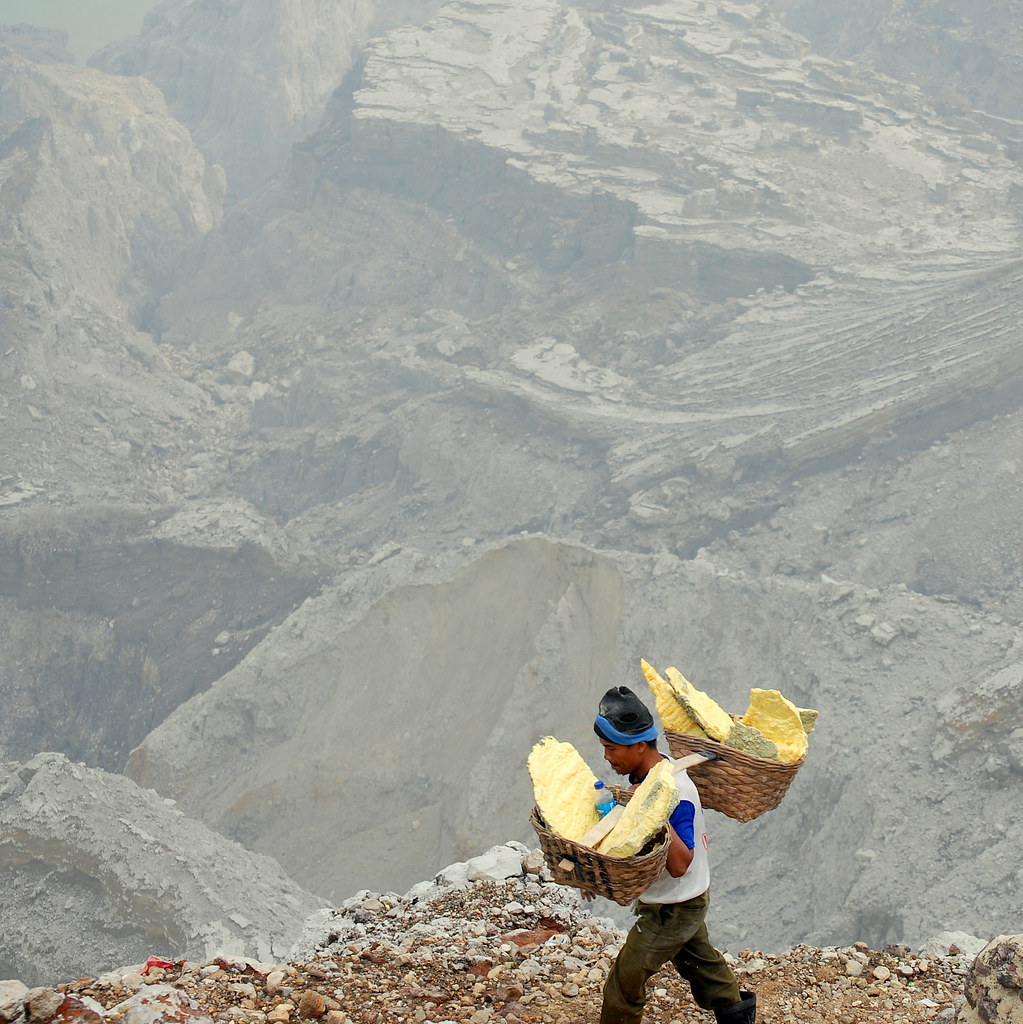
The trek to Mount Ijen’s crater is a moderately challenging hike that covers approximately 7 kilometers round trip with an elevation gain of around 600 meters. The trail begins at the base parking area and ascends steadily along a compact volcanic dirt path. Trekkers should be prepared for steep sections, especially near the summit, where the incline becomes more pronounced. The terrain varies from loose volcanic ash and pumice to rocky outcrops and sulfur-stained ground. Hikers often encounter uneven surfaces and occasional slippery patches, particularly in damp or rainy conditions. The volcanic environment also means exposure to sulfur fumes, which can be intense near active fumaroles; wearing a gas mask is essential for safety. The trail is usually traversed at night or early morning to reach the crater rim before sunrise, adding the challenge of hiking in darkness with headlamps. Temperature can drop significantly during the night, requiring layered clothing. Wind conditions near the summit can be strong and chilling. Despite these challenges, the trail is well-marked and maintained, with local guides available to assist. Along the way, trekkers witness the remarkable sight of traditional sulfur miners carrying heavy loads of sulfur blocks from the crater floor, adding a human element to the rugged landscape. The final approach to the crater rim offers panoramic views of the caldera and the surreal turquoise lake below. Descending the trail requires careful footing, as loose scree and ash can cause slipping. Overall, the hike combines physical exertion with extraordinary geological and cultural experiences, making it a rewarding adventure for those with moderate fitness and proper preparation.
What Makes This Volcano Trek Unique
Mount Ijen stands out among volcano treks worldwide due to its extraordinary blue fire phenomenon, a rare natural occurrence where sulfuric gases ignite and produce electric-blue flames visible only in darkness. This spectacle is unique to Ijen and captivates visitors with its otherworldly glow. Additionally, the volcano hosts the world’s largest highly acidic crater lake, whose vivid turquoise waters create a striking contrast against the volcanic terrain. The presence of traditional sulfur miners working under harsh conditions adds a poignant cultural dimension to the trek, offering insight into a centuries-old livelihood intimately connected to the volcano’s geology. The combination of night hiking, witnessing blue flames, sunrise views over the crater lake, and observing human resilience in a volatile environment makes the Mount Ijen trek a singular and unforgettable experience.
The Summit and Crater Experience
Reaching the summit of Mount Ijen, hikers are rewarded with breathtaking views of the vast caldera and the surreal turquoise crater lake below. The air is thick with the pungent smell of sulfur, and the ground near fumaroles radiates warmth. The blue fire phenomenon, visible in the pre-dawn darkness, casts an ethereal glow that illuminates the rugged crater floor. The sound of escaping volcanic gases hissing softly adds to the sensory immersion. Watching the sunrise from the crater rim bathes the landscape in golden light, enhancing the vivid colors of the lake and sulfur deposits. Observing the tireless sulfur miners descending into the crater and carrying heavy loads up the steep slopes provides a humbling perspective on human endurance. The combination of natural beauty, geological activity, and cultural interaction creates a powerful and memorable summit experience.
Best Time to Trek Mount Ijen
The optimal time to trek Mount Ijen is during the dry season, from April to October, when weather conditions are most stable and trails are less slippery. Early morning or nighttime hikes are preferred to witness the blue fire phenomenon, which is only visible in darkness. Trekking outside these months increases the risk of heavy rain, fog, and slippery terrain, which can obscure views and make the hike more hazardous. Visitors should also consider volcanic activity updates and park regulations, as access may be temporarily restricted during periods of increased seismic activity or gas emissions. Planning the trek to coincide with clear weather and stable volcanic conditions ensures the safest and most rewarding experience.
Trekking Routes and Trail Options
The primary route to Mount Ijen’s crater begins at the Paltuding base area, located approximately one hour’s drive from Banyuwangi town. From here, the trail ascends steadily over roughly 3 kilometers to the crater rim. The path is well-defined, consisting mainly of volcanic dirt and rock, with some steep sections near the summit. Most trekkers start the hike around midnight to reach the crater before sunrise and to see the blue fire phenomenon. There is an optional descent into the crater to view the blue flames more closely; however, this section is steep, slippery, and exposed to toxic sulfur gases, requiring caution and proper equipment such as gas masks. Due to recent safety concerns, park authorities have restricted access to the crater floor at times, so hikers should check current regulations before planning this descent. Guided tours typically include the standard ascent and crater rim visit, with some offering the crater floor option when permitted. Alternative routes are limited, as the terrain and park regulations focus visitor traffic on the main trail to minimize environmental impact and ensure safety. Visitors can combine the Ijen trek with nearby volcanoes such as Mount Bromo in multi-day tours, offering a broader volcanic adventure in East Java.
Difficulty Assessment
Mount Ijen’s trek is classified as a moderate volcano hike. The trail’s steady incline and altitude gain of approximately 600 meters require a reasonable level of fitness. The terrain includes loose volcanic ash, rocky paths, and steep sections near the summit, demanding sure-footedness and stamina. The nighttime start and cold temperatures add to the challenge, as does exposure to sulfur gases near the crater. No technical climbing skills are necessary, but hikers should be prepared for uneven surfaces and variable weather conditions. Proper footwear, layered clothing, and gas masks are essential. Overall, the trek is accessible to most hikers with moderate experience and good physical condition.
Essential Volcano Trekking Gear
Key gear for trekking Mount Ijen includes sturdy hiking boots with good traction to navigate rocky and loose volcanic terrain safely. Trekking poles can assist with balance on steep or slippery sections. A gas mask or respirator is crucial to protect against toxic sulfur fumes near the crater. Layered clothing is recommended to adapt to cold night temperatures and warming conditions after sunrise. A windproof jacket, hat, and gloves provide additional protection against chilly winds at higher elevations. A reliable headlamp with extra batteries is necessary for the pre-dawn ascent. Hydration systems and snacks help maintain energy levels. Sun protection such as sunscreen and sunglasses is important for daytime exposure. Carrying a small first aid kit and a camera to capture the unique landscape completes the essential packing list.
Safety and Volcanic Hazards
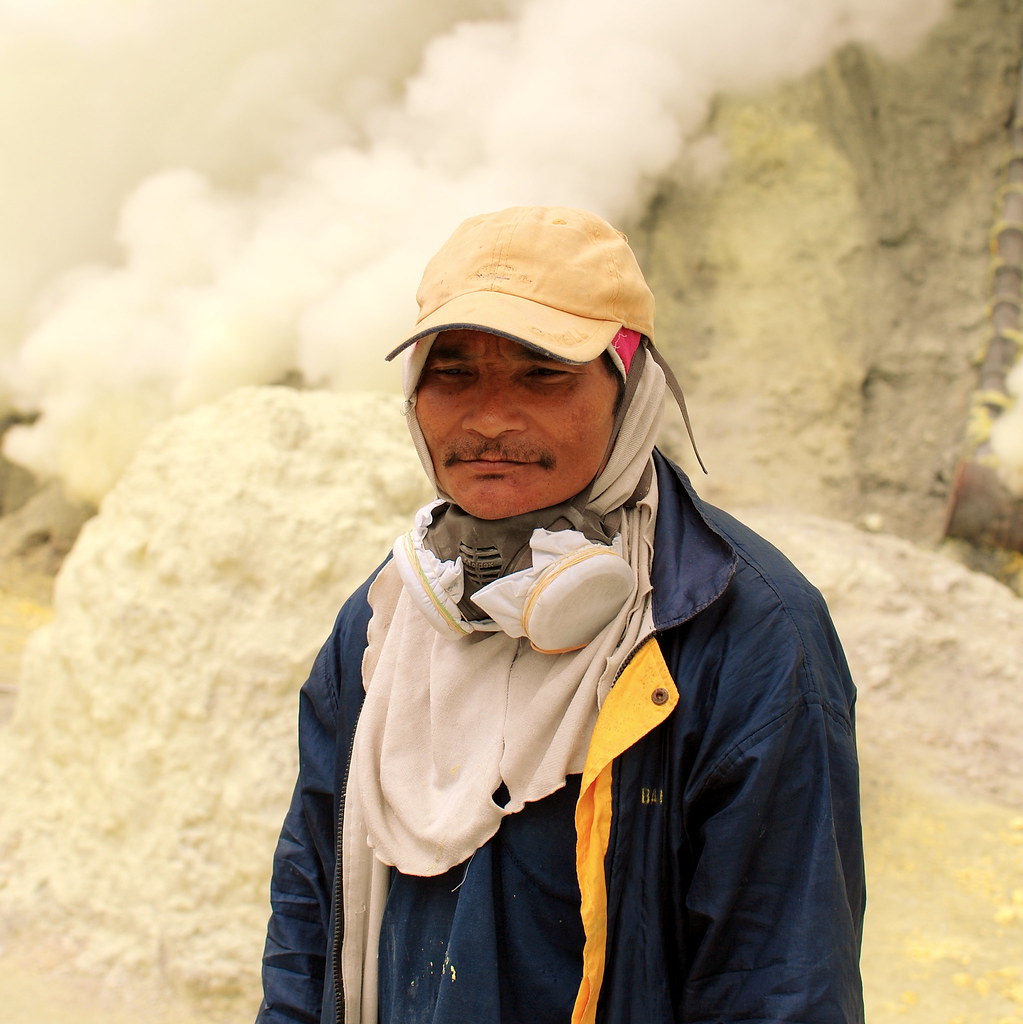
Trekking Mount Ijen involves specific volcanic hazards that require careful attention. The most significant risk is exposure to sulfur dioxide and other volcanic gases emitted near fumaroles and the crater floor, which can cause respiratory irritation or more severe health effects. Wearing a certified gas mask is mandatory and often provided by tour operators. The terrain includes unstable crater edges, loose scree, and steep slopes, increasing the risk of falls or slips, especially during descent. Sudden weather changes can bring cold temperatures, rain, or fog, reducing visibility and trail safety. Although Mount Ijen is active, eruptions are typically monitored by Indonesian geological authorities, and access is regulated accordingly. Visitors should heed official warnings, follow guide instructions, and avoid restricted areas. Emergency services and rescue operations are available but can be limited by the remote location. Proper preparation, awareness, and adherence to safety protocols ensure a secure trekking experience.
Permits, Guides, and Logistics
Visiting Mount Ijen requires an entrance permit to the Ijen Volcano Natural Tourism Park, with fees typically around 100,000 to 150,000 Indonesian Rupiah (approximately $7 to $11 USD), varying between weekdays and weekends. Permits are managed by the national park authorities and are included in most organized tours. Due to the hazardous nature of the sulfur gases and challenging terrain, hiring a licensed local guide is strongly recommended and often mandatory. Guides provide essential safety equipment such as gas masks, offer geological and cultural insights, and navigate the trail efficiently. Several reputable tour operators specialize in Mount Ijen treks, including Ijen Expedition, Ijen Bromotours, Indotravelteam, Forever Vacation, and Project Expedition. These companies offer various packages ranging from private tours to group excursions, often combining Ijen with nearby Mount Bromo for multi-day adventures. Logistics typically involve transportation from Banyuwangi or ferry transfers from Bali, with travel times of 1 to 2 hours to the trailhead. Most tours start around midnight to reach the crater before sunrise and the blue fire viewing. Accommodation options are available in Banyuwangi and Bondowoso, with transfers arranged by tour operators. Visitors should book tours and permits in advance, especially during peak seasons, to ensure availability and compliance with park regulations.
Where to Stay Near Mount Ijen
Accommodation options near Mount Ijen are primarily located in the towns of Banyuwangi and Bondowoso, both within approximately one to two hours’ drive from the volcano’s trailhead. Banyuwangi, the main gateway to Ijen, offers a range of lodging from budget guesthouses to mid-range hotels and resorts. Notable options include Ijen Resort & Villas, which provides comfortable rooms with amenities such as Wi-Fi, dining facilities, and easy access to local attractions. For travelers seeking budget-friendly stays, numerous homestays and guesthouses in Banyuwangi offer basic but clean accommodations. Bondowoso, located further inland, is another popular base for Ijen trekkers, with hotels like Baratha Hotel providing convenient access to the volcano and a restful environment before the midnight hike. Many tour operators include hotel pickups and drop-offs in their packages, facilitating seamless transfers. Additionally, some visitors choose to stay near the ferry ports or in nearby villages to experience local culture. While there are no lodges directly at the volcano base, the proximity of these towns ensures that trekkers can rest comfortably before and after their adventure. Amenities such as restaurants, gear rental shops, and guide services are readily available in these towns, making them ideal bases for exploring Mount Ijen.