
Mount Zao Volcano Trekking Guide: Exploring Japan’s Active Complex Volcano and Its Legendary Snow Monsters
Mount Zao, a complex active volcano straddling the border of Yamagata and Miyagi prefectures in Japan’s Tohoku region, offers a unique trekking experience. Known for its stunning Okama Crater Lake and iconic winter ‘snow monsters,’ this moderate-difficulty volcano trek combines dramatic volcanic landscapes with rejuvenating hot springs and seasonal alpine beauty.
Quick Volcano Snapshot
| Attribute | Value |
|---|---|
| Volcano type | Complex volcano |
| Elevation | 1,841 meters (6,040 feet) |
| Location | Border of Yamagata and Miyagi Prefectures, Tohoku, Japan |
| Activity status | Active |
| Trekking difficulty | Moderate |
| Typical trek duration | 2-3 hours for main summit hike |
| Altitude gain | Approximately 190 meters |
| Terrain type | Volcanic ash slopes, lava rock, alpine ridges, snow-covered forests in winter |
| Best season | April to October for hiking; December to March for snow monsters and winter sports |
| Temperature range | -10°C to 26°C depending on season |
| Permit requirement | No special permits required; park entry fees may apply |
Introduction: The Experience of Hiking Mount Zao
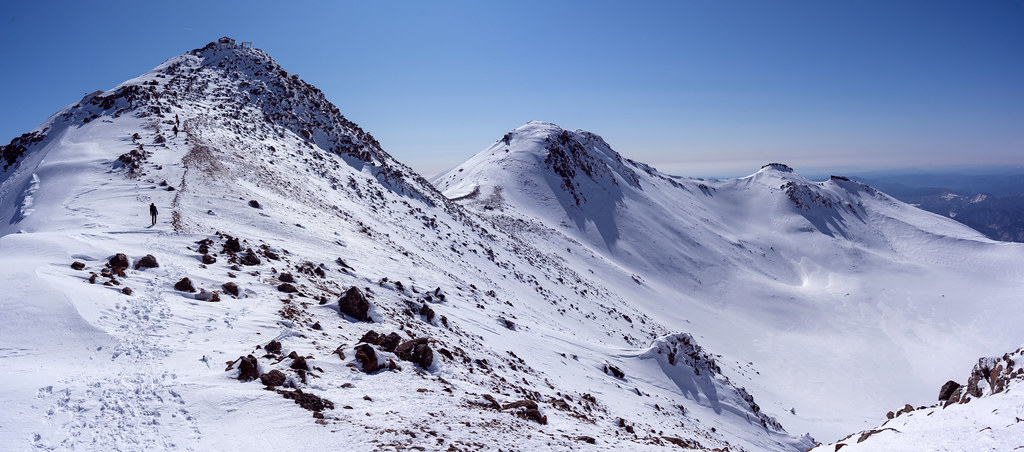
Approaching Mount Zao, hikers are greeted by a striking contrast of rugged volcanic terrain and lush alpine forests. The mountain’s active volcanic heart pulses beneath a landscape that shifts dramatically with the seasons — from vibrant summer greens to the surreal winter spectacle of snow monsters. Trekking here is a journey through geological power and natural artistry, culminating in the breathtaking view of the Okama Crater Lake, whose ever-changing colors reflect the mountain’s volatile spirit. The crisp mountain air, the scent of sulfur from fumaroles, and the panoramic vistas create an unforgettable adventure for volcano enthusiasts and nature lovers alike.
The Volcano Itself: Geological Background
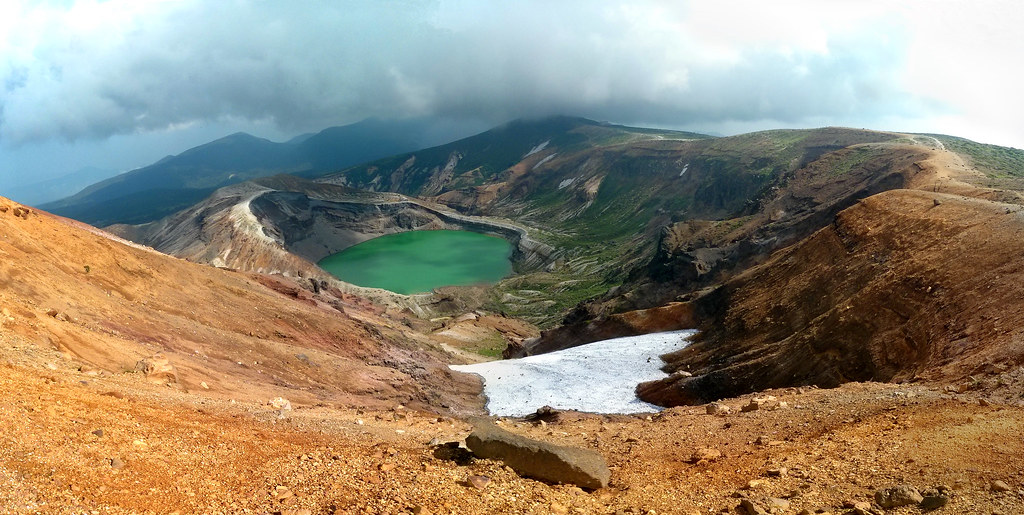
Mount Zao is a complex volcano composed of multiple stratovolcanic peaks, formed through repeated eruptions that have shaped its rugged profile. Located on the border of Yamagata and Miyagi prefectures, it is among Japan’s most active volcanic regions. The central peak, Mount Kumano, rises to 1,841 meters and hosts the iconic Okama Crater Lake, a caldera formed by explosive volcanic activity. This crater is renowned for its acidic waters and striking color changes, caused by mineral content and sunlight intensity. The volcano’s landscape features fumaroles emitting sulfurous gases, lava flows, and deposits of volcanic minerals. These geological features create a dynamic environment that continues to evolve, offering trekkers a direct connection to the Earth’s fiery processes.
The Volcano Trek: Terrain and Hiking Experience
Hiking Mount Zao offers a diverse and engaging terrain that challenges and delights trekkers. The ascent typically begins from well-equipped trailheads such as Kattadake Sancho Parking Lot or via the Zao Sanroku Ropeway, which reduces elevation gain and provides scenic access. The trail to the summit traverses volcanic ash slopes, loose pumice, and rocky ridges, requiring steady footing and moderate fitness. In summer, the lower slopes are cloaked in alpine forests, transitioning to barren ridgelines near the summit where volcanic rock and sparse vegetation dominate. The path includes sections of gentle climbing interspersed with steeper ascents, particularly approaching Mount Kumano and the Okama Crater viewpoint. Weather conditions can vary rapidly, with strong winds and temperature shifts common at higher elevations. In winter, the terrain transforms dramatically; deep snow and ice create the famous ‘snow monsters’—frost-covered trees shaped by freezing winds. Snowshoe trekking is popular during this season, demanding appropriate gear and caution. The trail is well-marked, but hikers should be prepared for volcanic gases near fumaroles and occasional fog that can obscure views. The overall hiking experience combines physical challenge with spectacular geological and natural scenery, making Mount Zao a rewarding destination for volcano trekkers.
What Makes This Volcano Trek Unique
Mount Zao stands out for its extraordinary combination of active volcanic features and seasonal natural phenomena. The Okama Crater Lake, with its vivid and shifting colors, is a rare volcanic spectacle that captivates visitors. The mountain’s winter transformation into a realm of ‘snow monsters’—trees encrusted with ice and snow sculpted by fierce winds—creates a surreal landscape unlike any other. Additionally, the presence of volcanic fumaroles and sulfur vents adds a sensory dimension to the trek, with the smell of sulfur and the sight of steam vents reminding hikers of the mountain’s living geology. The integration of hiking with access to traditional Japanese hot springs (onsen) at Zao Onsen enhances the experience, offering relaxation and cultural immersion after the trek. This blend of geological drama, seasonal beauty, and cultural richness makes Mount Zao a uniquely compelling volcano trekking destination.
The Summit and Crater Experience
Reaching the summit of Mount Kumano, the highest peak of Mount Zao, rewards trekkers with stunning panoramic views over the Tohoku region. The highlight is the Okama Crater Lake, a deep, emerald-green caldera with a circumference of about 1,000 meters. The lake’s color shifts throughout the day, ranging from deep blues to vibrant greens and turquoise, a mesmerizing sight that reflects the volcanic minerals and sunlight. At the crater rim, hikers can feel the warmth of fumaroles and smell the distinct sulfur scent, a reminder of the volcano’s active nature. The crater’s steep edges and barren volcanic rock create a dramatic setting, while the expansive views include distant mountain ranges and the cities below. The sensory experience—the sight of the lake, the sound of escaping gases, and the crisp mountain air—makes the summit a powerful encounter with Earth’s volcanic forces.
Best Time to Trek Mount Zao
The ideal trekking season on Mount Zao spans from April to October, when trails are mostly clear of snow and weather conditions are favorable. Spring brings blooming alpine flowers and melting snow, while summer offers lush greenery and stable hiking conditions. Autumn is particularly popular for its vibrant foliage, painting the landscape in fiery reds and golds. Winter, from December to March, transforms the mountain into a snowy wonderland, attracting skiers and snowshoe trekkers eager to witness the iconic snow monsters. However, access to the Okama Crater is generally closed during heavy snowfall months due to safety concerns. Weather can change rapidly, so hikers should prepare for sudden rain or wind. Volcanic activity is monitored year-round, and visitors should check for any access restrictions or warnings before planning their trek.
Trekking Routes and Trail Options
Mount Zao offers several well-established routes catering to different preferences and fitness levels. The most popular route starts at Kattadake Sancho Parking Lot, accessible by car or bus, and leads hikers to the summit of Mount Kumano via a well-marked trail. This route covers approximately 5 kilometers with an elevation gain of around 190 meters and typically takes 2 to 3 hours round trip. Facilities at the trailhead include restrooms and food stalls. Another favored approach is via the Zao Sanroku Ropeway from Zao Onsen, which ascends to Jizo-sancho station at 1,667 meters. From here, a 45-minute hike leads to the Okama Crater Lake, offering a less strenuous option with spectacular views. For those seeking a longer trek, trails connect the crater area to nearby hot spring towns such as Zao Onsen and Togatta Onsen, allowing for multi-day hiking combined with cultural experiences. In winter, guided snowshoe trekking tours operate around the snow monster areas, providing safe access to the snowy terrain. Public transportation options include buses from Yamagata Station to Zao Onsen and direct weekend buses to Katta summit, while car access is available via the Zao Echo Line. Trail conditions are generally good, but hikers should be prepared for volcanic terrain and variable weather.
Difficulty Assessment
Mount Zao’s trekking routes are classified as moderate in difficulty. The terrain includes volcanic ash slopes, rocky ridges, and some steep sections, requiring a reasonable level of fitness and sure-footedness. The altitude of 1,841 meters is not extreme, but some hikers may notice mild effects of elevation. The trails are well-maintained and marked, with no technical climbing required, making the trek accessible to experienced beginners and intermediate hikers. Winter conditions significantly increase difficulty due to snow and ice, necessitating snowshoes and proper winter gear. Overall, the trek is suitable for those with moderate hiking experience who are prepared for changing weather and volcanic terrain.
Essential Volcano Trekking Gear
For trekking Mount Zao, essential gear includes sturdy hiking boots with good grip to navigate volcanic ash and rocky terrain. Trekking poles are recommended to aid balance on loose slopes. Layered clothing is important to adapt to temperature changes, including a windproof jacket and moisture-wicking base layers. In winter, snowshoes, gaiters, insulated gloves, and goggles or sunglasses are necessary to handle snow and ice. A hat covering the ears and sun protection such as sunscreen and sunglasses are vital year-round due to high UV exposure at altitude. Carrying sufficient water (1.5–2 liters) and snacks is essential, as well as a headlamp for early starts or late finishes. A gas mask or respirator is generally not required but may be useful near fumaroles if sensitive to sulfur gases. Always bring a map, compass or GPS device, and inform someone of your route and expected return time.
Safety and Volcanic Hazards
Mount Zao is an active volcano, and hikers should be aware of specific volcanic hazards. Volcanic gases such as sulfur dioxide can be present near fumaroles and vents, posing respiratory risks especially for sensitive individuals. It is advisable to avoid lingering near steam vents and to heed any posted warnings. The crater edges can be unstable and steep, requiring caution to prevent falls. Loose volcanic ash and pumice create slippery conditions, particularly on descents. Sudden weather changes, including fog and strong winds, can reduce visibility and increase risk. The local authorities monitor volcanic activity continuously and may restrict access during heightened activity or eruptions. Visitors should check current conditions with official sources such as the Japan Meteorological Agency before their trek. Emergency shelters exist but are limited; carrying a basic first aid kit and emergency supplies is recommended.
Permits, Guides, and Logistics
Mount Zao does not require special permits for hiking, but visitors should be aware of park regulations and seasonal access restrictions. The Zao Quasi-National Park, encompassing the volcano, encourages responsible trekking with adherence to marked trails and environmental protection rules. Entry fees may apply for certain facilities or parking areas. Guided tours are available through reputable operators such as M’s Guide Service, The Hidden Japan Tours, and Zao Onsen Adventure Guides, offering expert knowledge on volcanic geology, safety, and local culture. These guides are especially recommended for winter snowshoe trekking or for visitors unfamiliar with volcanic terrain. Access logistics include public transportation options from Yamagata Station via bus to Zao Onsen and Katta summit, with some weekend-only direct buses to trailheads. The Zao Sanroku Ropeway and chairlifts provide convenient ascent options, with combined ticket prices around 3,500 yen return. Car access is possible via the Zao Echo Line, with parking available at Kattadake Sancho for a fee. Visitors should plan transportation carefully, as some bus services operate limited schedules. Accommodation in nearby Zao Onsen and Togatta Onsen supports multi-day trekking itineraries. It is advisable to check weather and volcanic activity updates before travel and to carry emergency contact information.
Where to Stay Near Mount Zao
The primary base for Mount Zao trekking is the historic hot spring town of Zao Onsen, located on the Yamagata side of the volcano. This charming village sits at approximately 800 meters elevation and offers over 80 accommodations ranging from traditional ryokans to modern hotels. Notable options include the luxurious Chikusenso Onsen Hotel, featuring indoor and outdoor baths and spa facilities; the rustic and centrally located Ringo-ya Hot Spring Inn, favored for its authentic atmosphere and proximity to lifts; and the Zao Kokusai Hotel, known for its 100% natural sulfur baths and convenient shuttle service to the ropeway. Many lodgings provide easy access to the Zao Sanroku Ropeway, which transports visitors close to the summit trails. Amenities in Zao Onsen include public and private onsens, restaurants serving regional cuisine, and shops for outdoor gear. For those seeking a quieter experience, Togatta Onsen offers additional lodging options with shuttle connections to trailheads. Emergency shelters exist near the summit but are intended only for urgent use. Staying in these towns allows trekkers to combine volcano hiking with relaxation in therapeutic hot springs, enhancing the overall adventure. Advance booking is recommended, especially during peak seasons such as autumn foliage and winter ski months.
![Mount Iwate volcano trek - Mt. Iwate / 岩手山(いわてさん)[9120 x 3380 = 30.9MP]](https://volcanohiking.com/wp-content/uploads/2026/03/01-mt-iwate-9120-x-3380-30-9mp.jpg)