Mount Giluwe Volcano Trekking Guide: Conquer Oceania’s Highest Volcano in Papua New Guinea
Mount Giluwe, the highest volcano in Oceania, offers a demanding yet rewarding trek through diverse ecosystems from dense montane forests to alpine grasslands. This guide covers geological insights, trekking routes, logistics, safety, and accommodation options for adventurers seeking to summit this iconic shield volcano in Papua New Guinea’s Highlands Region.
Quick Volcano Snapshot
| Attribute | Value |
|---|---|
| Volcano type | Shield volcano |
| Elevation | 4368 meters |
| Location | Highlands Region, Papua New Guinea |
| Activity status | Dormant |
| Trekking difficulty | Demanding |
| Typical trek duration | 3 to 5 days |
| Altitude gain | Approximately 1500 meters from base camp |
| Terrain type | Montane forest, alpine grasslands, rocky ridges, volcanic scree |
| Best season | May to October (drier months) |
| Temperature range | 10°C to 20°C at lower elevations; near freezing at summit |
| Permit requirement | Park entry fee $5-$10 USD; guided trek permits recommended |
The Experience of Hiking Mount Giluwe
Approaching Mount Giluwe, trekkers are greeted by a vast panorama of rolling highland valleys and volcanic ridges. The landscape shifts dramatically from lush montane forests to open alpine grasslands, revealing the mountain’s ancient volcanic origins. The trek challenges your endurance and rewards you with a profound sense of connection to the geological forces that shaped this remote wilderness. Reaching the summit at dawn, the crisp air carries the scent of alpine moss and earth, while the sweeping views over Papua New Guinea’s Highlands evoke awe and accomplishment. This is a journey into the heart of Oceania’s volcanic grandeur.
Geological Background of Mount Giluwe
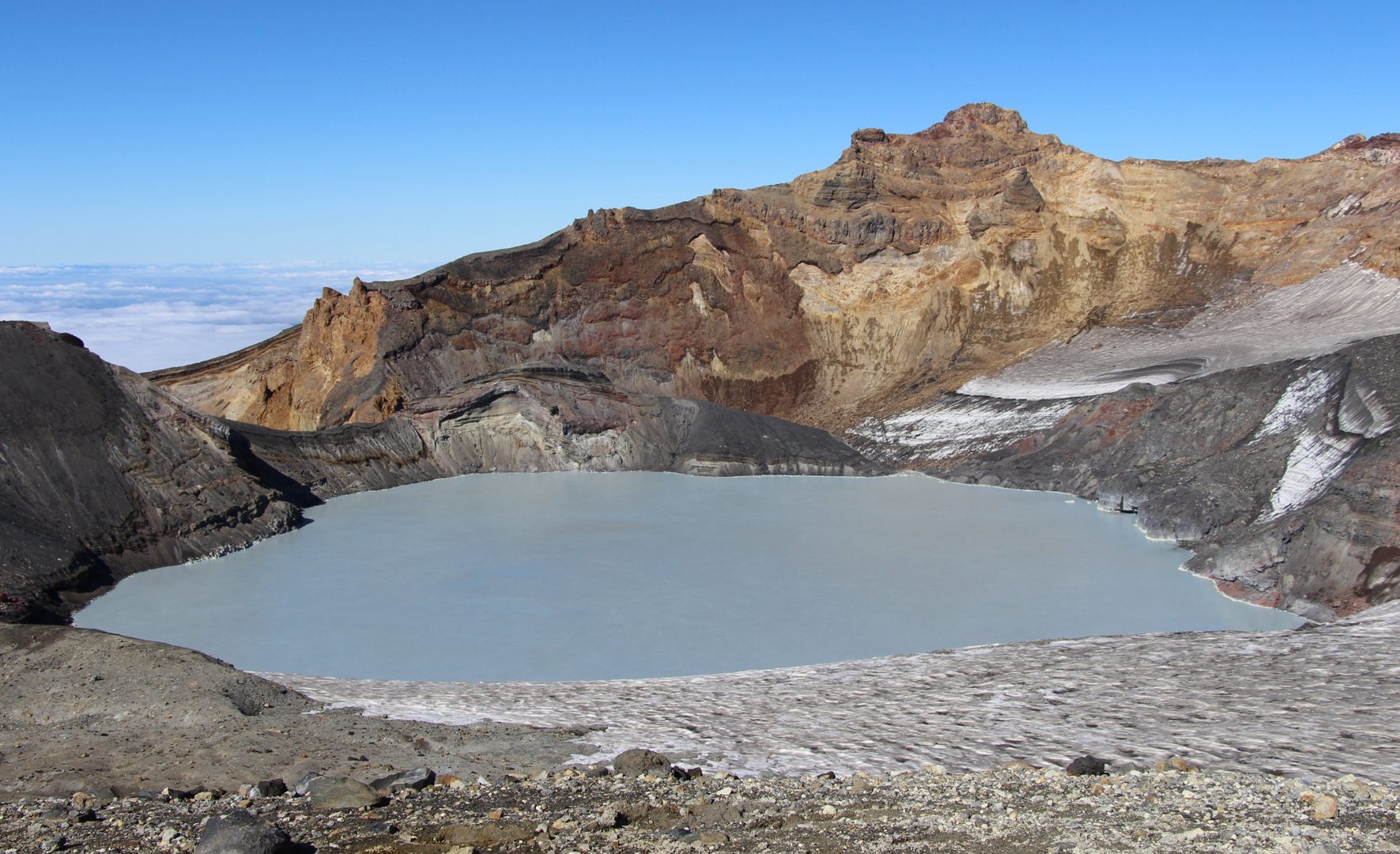
Mount Giluwe is an ancient shield volcano, formed by low-viscosity lava flows that created broad, gently sloping flanks rather than steep stratovolcanic cones. At 4,368 meters, it is the highest volcano in Oceania and part of the Volcanic Seven Summits. Its geological history spans millions of years, with eruptions that shaped the surrounding landscape and left behind extensive lava fields and eroded twin summits. The mountain’s surface features volcanic cones, lava terraces, and numerous small tarns scattered across its grasslands, remnants of glacial activity during past ice ages. The area hosts fumaroles and sulfur deposits, though the volcano is currently dormant. The diverse volcanic minerals and rock formations provide a fascinating window into the region’s tectonic activity and volcanic evolution.
Terrain and Hiking Experience on Mount Giluwe
The trek up Mount Giluwe is a demanding adventure that traverses a variety of terrains and ecosystems. Starting from the base near Mount Hagen, hikers first pass through dense montane forests populated by beech, oak, pine, karuka, and bamboo. The forest floor is often soft with moss and leaf litter, but the trail can be slippery after rain. As you ascend, the landscape opens into expansive alpine grasslands dotted with thousands of small tarns, creating a surreal mosaic of water and greenery. The terrain here is uneven, with rocky ridges and volcanic scree slopes requiring careful footing. The ascent involves steep sections where loose pumice and volcanic ash challenge balance and stamina. Winds intensify near the summit, and temperatures drop sharply, demanding warm clothing and acclimatization. Altitude effects become noticeable above 3,000 meters, so pacing and hydration are critical. The trail offers panoramic views of the Western Highlands, including the Sepik Divide and Wahgi Valley. Trekkers should be prepared for rapid weather changes, including sudden fog and rain. The descent requires caution on slippery scree and rocky paths. Overall, the trek combines physical challenge with breathtaking natural beauty, rewarding hikers with a profound sense of achievement.
What Makes the Mount Giluwe Trek Unique
Mount Giluwe stands out as the highest volcano in Oceania and one of the Volcanic Seven Summits, offering a rare high-altitude trek in a largely untouched wilderness. Its unique combination of volcanic geology and rich biodiversity includes vast alpine grasslands, moss forests, and endemic species rarely seen elsewhere. The mountain’s twin eroded summits and thousands of small tarns create a landscape unlike typical volcanic peaks. Cultural encounters with local Highlands tribes add depth to the experience, revealing ancient traditions and vibrant customs. The trek’s remoteness and challenging terrain ensure a sense of solitude and adventure, far from crowded trails. The panoramic views from the summit encompass sweeping valleys, volcanic ridges, and neighboring peaks, providing a dramatic backdrop for photography and reflection.
Summit and Crater Experience on Mount Giluwe
Reaching the summit of Mount Giluwe is a moment of profound triumph. At 4,368 meters, the air is thin and crisp, and the temperature can approach freezing even during the day. From the peak, trekkers are rewarded with 360-degree views of the Western Highlands, including the sprawling Wahgi Valley and distant volcanic peaks. The summit’s eroded twin cones and volcanic formations tell the story of the mountain’s fiery past. The smell of alpine earth and moss fills the air, while the silence is punctuated only by the wind sweeping across the grasslands. Unlike active volcanoes, there is no fumarolic activity at the summit, but the geological features remain striking. The experience is both humbling and exhilarating, offering a rare vantage point over one of the most remote and pristine volcanic landscapes in the world.
Best Time to Trek Mount Giluwe
The ideal trekking season for Mount Giluwe is during the drier months from May to October. During this period, rainfall is reduced, trails are less slippery, and weather conditions are generally more stable. Daytime temperatures range from 10°C to 20°C at lower elevations, but can drop near freezing at the summit, especially at night. Trekking outside this window is possible but involves higher risks of rain, fog, and muddy trails. Early morning starts are recommended to avoid afternoon showers and to reach the summit in clear conditions for panoramic views. Weather can change rapidly, so trekkers should be prepared for cold nights and sudden storms. Volcanic activity is dormant, so there are no restrictions related to eruptions, but local weather monitoring is advised.
Routes and Trail Options for Mount Giluwe Trek
The most common route to Mount Giluwe’s summit begins near Mount Hagen, with a drive to Mailka village where local guides and porters join the trek. The ascent typically spans 3 to 5 days, allowing for acclimatization and exploration. Day one involves trekking through montane forests and grasslands to reach base camp at approximately 3,000 meters, usually beside a river at the forest edge. The following day, trekkers ascend the final 1,300 meters to the summit, a steep and challenging climb over rocky ridges and volcanic scree. The descent retraces the route back to base camp and then to the trailhead. Alternative itineraries may include an acclimatization climb of nearby Mount Hagen (3,800 meters) before tackling Giluwe. Guided treks are strongly recommended due to the remote terrain and variable weather. Self-guided options exist but require advanced navigation skills and local knowledge. The trail is well marked but physically demanding, with elevation gain of approximately 1,500 meters from base camp to summit.
Difficulty Assessment of Mount Giluwe Trek
Mount Giluwe is classified as a demanding volcano trek suitable for experienced hikers with good physical fitness. The terrain includes steep ascents, loose volcanic scree, rocky ridges, and uneven alpine grasslands. Altitude gain of around 1,500 meters and summit elevation above 4,300 meters require acclimatization to prevent altitude sickness. The trek is non-technical but physically challenging, with cold temperatures and strong winds near the summit. Fitness levels should include endurance for multi-day trekking with heavy packs and the ability to navigate slippery and rugged terrain. This is not a beginner trek; prior high-altitude hiking experience is recommended. Proper preparation, including warm clothing and hydration, is essential for safety and success.
Essential Gear for Mount Giluwe Volcano Trekking
Key gear for Mount Giluwe includes sturdy hiking boots with excellent grip for volcanic scree and rocky terrain, trekking poles to aid balance on steep slopes, and gaiters to protect against volcanic ash and debris. Warm layered clothing is essential due to temperature fluctuations, including a windproof jacket and insulated layers for summit conditions. A quality sleeping bag rated for cold alpine nights is necessary for base camp. Headlamps are recommended for early morning summit starts. Hydration systems and water purification methods are important as natural water sources are available but require treatment. Sun protection, including a wide-brimmed hat, sunglasses, and high SPF sunscreen, is critical due to high-altitude UV exposure. A basic first aid kit and personal medications should be carried. While volcanic gases are minimal due to dormancy, a lightweight respirator or mask may be useful if encountering dusty conditions.
Safety and Volcanic Hazards on Mount Giluwe
Mount Giluwe is a dormant volcano, so active volcanic hazards such as eruptions or toxic gas emissions are not a current concern. However, trekkers must remain vigilant about natural hazards including unstable crater edges, loose volcanic scree, and falling rocks on steep slopes. Weather can change rapidly, bringing cold temperatures, strong winds, and reduced visibility. Altitude sickness is a significant risk above 3,000 meters; proper acclimatization and hydration are critical. Local guides provide essential knowledge of terrain hazards and weather patterns. Emergency evacuation options are limited due to the remote location, so comprehensive travel and medical insurance covering helicopter rescue is strongly recommended. Monitoring by local park authorities ensures trail safety and provides updates on any environmental risks.
Permits, Guides, and Logistics for Mount Giluwe Trekking
Access to Mount Giluwe requires payment of a park entry fee ranging from $5 to $10 USD per person, which supports conservation and maintenance of the area. While self-guided trekking is possible, hiring experienced local guides is highly recommended for safety, navigation, and cultural insight. Guided treks typically cost between $50 and $150 USD per day, depending on the guide’s experience and trek length. Several reputable tour operators specialize in Mount Giluwe expeditions, including Mt. Giluwe Eco Tourism Services, Furtenbach Adventures, Expeditions Unlimited, Adventure Peaks, Trans Niugini Tours, Buna Treks & Tours PNG, and Trek-Papua. These companies offer packages that include airport transfers, accommodation, meals, permits, and equipment support. Logistics involve flying into Port Moresby, then connecting to Mount Hagen airport, followed by a 40-minute transfer to lodges such as Rondon Ridge or Magic Mountain Nature Lodge. From there, a 4×4 vehicle transports trekkers to trailheads near Mailka village. Treks usually span 3 to 5 days, with base camps established at around 3,000 meters. Weather and road conditions can affect schedules, so flexibility and contingency days are advised. Comprehensive travel insurance covering medical evacuation and rescue is essential due to the remote and challenging environment.
Where to Stay Near Mount Giluwe
Accommodation options near Mount Giluwe cater to a range of preferences, from basic lodges to eco-tourism facilities. The town of Mount Hagen serves as the primary gateway, offering hotels and guesthouses for pre- and post-trek stays. Notable lodges include Rondon Ridge Lodge, located approximately 40 km from Mount Hagen, which provides comfortable rooms with stunning views of the surrounding highlands and volcanic peaks. Magic Mountain Nature Lodge, situated near Paiya village, offers traditional Highlands-style architecture, en-suite bathrooms with hot water, and 24-hour electricity. For trekkers seeking immersion in nature, Giluwe EcoTour Lodge near Yombi Village provides access to virgin treks, bird watching, and cultural experiences. Base camps during the trek are typically established beside rivers at the forest edge, with tented accommodations and campfires to combat cold nights. Budget travelers can expect lodge rates between $20 and $60 USD per night, while more upscale options may exceed $100 USD. Early booking is recommended due to limited availability. Proximity to trailheads and local villages ensures logistical convenience and cultural interaction.