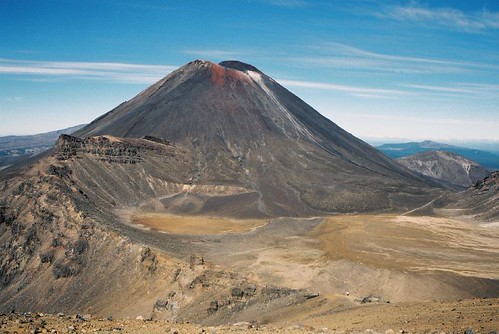

Climbing Klyuchevskoy Volcano: Trekking Russia’s Highest Active Stratovolcano
Klyuchevskoy Volcano, the highest active volcano in Eurasia, offers a demanding and thrilling trekking experience through volcanic ash slopes, glaciers, and rugged terrain. This comprehensive guide covers geology, routes, permits, safety, and accommodation for adventurers seeking to conquer this iconic Kamchatka giant.
Quick Volcano Snapshot
| Attribute | Value |
|---|---|
| Volcano type | Stratovolcano |
| Elevation | 4,754 meters (15,597 feet) |
| Location | Kamchatka Peninsula, Russia |
| Activity status | Active |
| Trekking difficulty | Demanding |
| Typical trek duration | 10-12 days |
| Altitude gain | Approx. 3,500 meters |
| Terrain type | Volcanic ash slopes, lava fields, glaciers, rocky terrain |
| Best season | July to August |
| Temperature range | -5°C to 15°C during trekking season |
| Permit requirement | Required; permits and guided tours recommended |
The Experience of Hiking Klyuchevskoy Volcano
Approaching Klyuchevskoy Volcano, the tallest active volcano in Eurasia, is like entering a raw, primeval world shaped by fire and ice. The landscape unfolds in stark contrasts: vast barren lava fields stretch beneath towering snow-capped peaks, while the air vibrates with the distant rumble of volcanic activity. Trekking here immerses you in the elemental forces of geology, where every step on the steep ash slopes and rugged terrain echoes the volcano’s restless power. Reaching the crater rim, surrounded by steaming fumaroles and glowing lava fountains, delivers an unforgettable sense of awe and accomplishment, a moment where the earth’s molten heart reveals itself in full force.

Geological Background of Klyuchevskoy Volcano
Klyuchevskoy is a classic stratovolcano formed by successive layers of hardened lava, tephra, and volcanic ash. Rising to 4,754 meters, it is the highest active volcano in Eurasia and part of the Pacific Ring of Fire. Its formation began thousands of years ago through repeated eruptions that built its symmetrical cone shape. The volcano’s eruptions are characterized by explosive activity and lava flows, with over 100 documented eruptions since 1697. Notably, the volcano frequently produces ash plumes reaching up to 10 kilometers high and lava fountains that can rise hundreds of meters. The summit crater often hosts a lava lake, and fumaroles emit sulfurous gases, creating vivid mineral deposits around vents. The dynamic geology of Klyuchevskoy continues to evolve, influenced by tectonic activity, including powerful earthquakes that can trigger increased volcanic unrest.
Terrain and Hiking Experience on Klyuchevskoy
Trekking Klyuchevskoy is a demanding adventure that challenges even experienced mountaineers. The journey begins with a long transfer from Petropavlovsk-Kamchatsky to the remote village of Kozyrevsk, followed by off-road vehicle rides to base camps nestled among volcanic landscapes. The terrain is diverse and rugged, featuring steep ash slopes that require careful footing and endurance. Hikers navigate loose volcanic scree and pumice, which can be slippery and unstable, demanding strong balance and trekking poles for support. As the ascent progresses, trekkers encounter expansive lava fields, hardened flows, and sharp volcanic rocks that require cautious scrambling. The upper slopes are glacier-covered, adding technical challenges such as crevasse navigation and icy patches, necessitating crampons and ice axes for safety. Altitude gain is significant, with the summit reaching nearly 4,800 meters, so acclimatization days are built into the itinerary to mitigate altitude sickness. Weather conditions can shift rapidly, with strong winds, cold temperatures, and sudden storms common at higher elevations. The trail often follows ridges and passes between Klyuchevskoy and neighboring volcanoes, offering panoramic views but also exposure to the elements. Descents can be fast but require attention due to loose scree and icy sections. Overall, the trek demands excellent physical fitness, mountaineering experience, and mental resilience to face the volcanic terrain’s unpredictability and intensity.
What Makes the Klyuchevskoy Trek Unique
Klyuchevskoy stands out as the highest active volcano in Eurasia, offering a rare opportunity to witness intense volcanic activity up close. Its frequent eruptions produce spectacular lava fountains and ash plumes visible from great distances. The trek traverses a volcanic desert of moon-like lava fields and alpine meadows, a landscape shaped by recent and ongoing eruptions. The presence of a summit lava lake and fumarolic activity creates a dynamic and sensory-rich environment. The volcano’s location in the remote Kamchatka Peninsula adds to its allure, with pristine wilderness and minimal human impact. The combination of geological significance, active volcanism, and challenging terrain makes this trek a bucket-list expedition for volcano enthusiasts and mountaineers alike.
Summit and Crater Experience on Klyuchevskoy
Reaching Klyuchevskoy’s summit is a moment of profound exhilaration. The crater rim reveals a steaming, glowing heart of molten lava and fumaroles emitting sulfurous gases. The air is thick with the smell of sulfur, and the ground vibrates with the volcano’s restless energy. From the summit, panoramic views stretch across Kamchatka’s volcanic landscape, including neighboring giants like Kamen and Ushkovsky. The sight of incandescent lava fountains lighting the night sky is unforgettable. The summit’s altitude and exposure mean climbers must be prepared for cold winds and rapidly changing weather. The sensory experience—heat from fumaroles, the sound of escaping gases, and the stark beauty of the crater—creates a powerful connection to the earth’s inner forces.
Best Time to Trek Klyuchevskoy Volcano
The optimal trekking season for Klyuchevskoy is from July to August when weather conditions are milder and snow cover is reduced. Early July can still have significant snow on the slopes, which may increase safety for some sections but requires appropriate gear. The summer months offer longer daylight hours and more stable weather, though sudden storms and strong winds remain possible. Trekking outside this window is challenging due to harsh winter conditions, heavy snow, and avalanche risk. Volcanic activity can also influence access; climbers must monitor alerts from the Kamchatka Volcanic Eruption Response Team (KVERT) and be prepared for route changes or cancellations due to eruptions or ash emissions.
Trekking Routes and Trail Options on Klyuchevskoy
The primary ascent route begins from the Volcanologists’ Pass on the southern slope, accessible after a multi-day approach involving vehicle transfers and trekking from Kozyrevsk village. The trek typically spans 10 to 12 days, including acclimatization and rest days. Trekkers first reach base camps such as the Perevalny Crater camp at 2,700 meters, then proceed to the Volcanologists’ Pass at 3,300 meters. From there, the summit ascent is a demanding climb of 8 to 10 hours, involving steep ash slopes and glacier travel. Alternative routes include a less frequented western approach, which is more remote and challenging. Helicopter transfers are sometimes used to shorten the approach and save energy for the summit climb. Guided tours are highly recommended due to the technical difficulty, volcanic hazards, and remote location. Self-guided attempts require extensive experience and careful planning. Descents usually follow the ascent route, with some variations to avoid unstable terrain.
Difficulty Assessment of Klyuchevskoy Trek
Klyuchevskoy is classified as a demanding volcano ascent, suitable only for experienced mountaineers with strong physical conditioning. The terrain includes steep volcanic ash slopes, loose scree, glacier crossings, and exposure to volcanic gases and rockfall hazards. Altitude gain of approximately 3,500 meters requires acclimatization to prevent altitude sickness. Climbers must be proficient in glacier travel techniques and prepared for sudden weather changes. The ascent involves technical challenges such as navigating crevasses and unstable volcanic terrain. This trek is not recommended for beginners or casual hikers; prior experience with high-altitude climbs and volcanic environments is essential.
Essential Gear for Klyuchevskoy Volcano Trekking
Key gear includes sturdy hiking boots with excellent grip, crampons, and an ice axe for glacier sections. Trekking poles help maintain balance on loose ash and scree slopes. A windproof and waterproof jacket is essential due to volatile weather. Gas masks or respirators are recommended to protect against sulfurous volcanic gases near fumaroles and the summit. Layered clothing is necessary to adapt to temperature fluctuations. A headlamp is vital for early morning or late evening climbs. Hydration systems and high-energy food support endurance. Sun protection, including sunglasses and sunscreen, is critical as volcanic terrain offers little shade. A helmet is advisable to guard against rockfall. Communication devices and GPS enhance safety in this remote environment.
Safety and Volcanic Hazards on Klyuchevskoy
Klyuchevskoy’s active status presents several hazards. Volcanic gases such as sulfur dioxide can cause respiratory irritation; climbers should carry gas masks and avoid fumarole areas when gas concentrations are high. The crater rim and upper slopes are prone to rockfalls and unstable scree, requiring caution and helmet use. Sudden eruptions or ash explosions can occur with little warning, so monitoring updates from KVERT and local authorities is critical. Weather can change rapidly, bringing cold temperatures, strong winds, and reduced visibility. Glacier travel involves risks of crevasses and icefall. Emergency evacuation options are limited due to the volcano’s remote location. Guided tours provide essential safety oversight, and climbers must be prepared for self-rescue and first aid. Respecting official warnings and avoiding restricted zones is mandatory for safety.
Permits, Guides, and Logistics for Klyuchevskoy Trekking
Trekking Klyuchevskoy requires careful logistical planning and official permits due to its location within a Russian border zone and active volcanic area. Visitors must obtain permits from local authorities, often facilitated by tour operators. The Kamchatka region is accessible via Petropavlovsk-Kamchatsky Airport, with onward travel by road to Kozyrevsk village, the usual gateway for the trek. From Kozyrevsk, all-terrain vehicles transport trekkers to base camps such as the Cirk Camp at 1,200 meters. Several reputable tour operators specialize in Klyuchevskoy expeditions, including Kamchatka Travel, Tari Travel, Volcanoes Land, Androsov Expeditions, and Big Country Travel. These companies provide guided multi-day itineraries, equipment rental, and safety briefings. Permits typically include park entry and climbing authorization, with costs varying by operator and group size. Due to the volcano’s active status, routes and schedules may change based on volcanic activity reports from KVERT. Guides are highly recommended for navigation, safety, and communication with authorities. Accommodation options range from guesthouses in Kozyrevsk to tent camps on the volcano. Climbers should prepare for remote wilderness conditions, limited infrastructure, and the need for self-sufficiency during the ascent. Early booking is advised, especially during the peak July-August season, as permits and guide availability can be limited.
Where to Stay and Nearby Bases for Klyuchevskoy Trekking
Accommodation for Klyuchevskoy trekkers is primarily centered around Petropavlovsk-Kamchatsky and the village of Kozyrevsk. In Petropavlovsk-Kamchatsky, travelers can stay at hotels such as Kluchotel, which offers modern amenities including comfortable rooms, free Wi-Fi, and proximity to the airport (approximately 27 km). This city serves as the main logistical hub for flights and gear preparation. Kozyrevsk village, located about 500 km from Petropavlovsk, is the closest settlement to the volcano and provides basic guesthouses and huts where climbers can rest before and after the trek. These accommodations offer simple rooms with shared facilities and are essential for acclimatization and equipment checks. During the trek, camping is the norm, with established tent camps at locations like the Perevalny Crater (2,700 m), Volcanologists’ Pass (3,300 m), and Edelweiss Camp. These camps provide shelter from the elements but require climbers to bring their own camping gear or rent from operators. The remote nature of the area means amenities are minimal, emphasizing the need for self-sufficiency. Some tour operators include accommodation in their packages, combining guesthouse stays with guided camping expeditions. Hot springs near Paratunka offer a relaxing option for recovery after the climb. Overall, lodging options range from comfortable urban hotels to rustic mountain camps, catering to different stages of the expedition.