
Ulawun Volcano Trekking Guide: Conquer Papua New Guinea’s Most Active Stratovolcano
Explore the demanding trek up Ulawun, Papua New Guinea’s highest and most active volcano. Discover its geological marvels, challenging terrain, safety considerations, and practical logistics for an unforgettable volcanic adventure.
Quick Volcano Snapshot
| Attribute | Value |
|---|---|
| Volcano type | Stratovolcano |
| Elevation | 2,334 m (7,657 ft) |
| Location | West New Britain Province, New Britain, Papua New Guinea |
| Activity status | Active |
| Trekking difficulty | Demanding |
| Typical trek duration | 2-3 days |
| Altitude gain | Approx. 2,300 m |
| Terrain type | Steep lava and ash slopes, loose tephra, rocky terrain |
| Best season | May to October (dry season) |
| Temperature range | 10°C to 25°C |
| Permit requirement | Required |
Introduction: The Experience of Hiking Ulawun Volcano
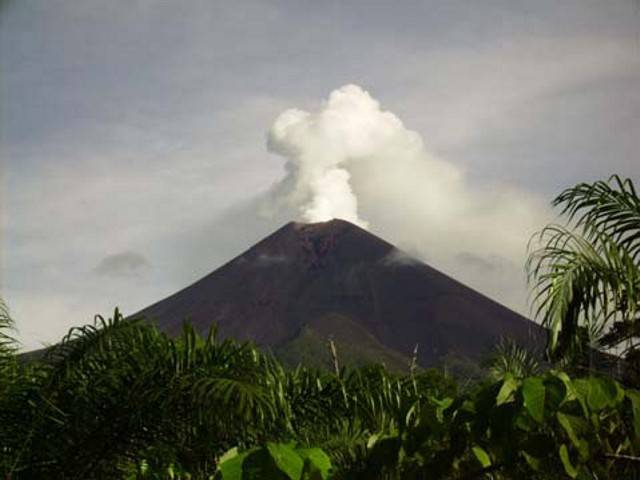
Approaching Ulawun, the highest peak in New Britain, you are immediately struck by its imposing symmetrical cone rising sharply above the lush tropical landscape. The air carries a faint sulfurous tang, a reminder of the volcano’s restless nature. As you ascend, the verdant forests give way to barren lava fields and ash-strewn slopes, a stark contrast that reveals the raw power of geological forces shaping this land. The climb challenges your endurance with steep gradients and shifting volcanic debris, but the reward is profound — standing at the crater rim, gazing into a steaming abyss alive with volcanic energy, surrounded by panoramic views of the Bismarck Archipelago. This trek is not just a hike; it is an immersion into the dynamic heart of the Earth.
The Volcano Itself: Geological Background
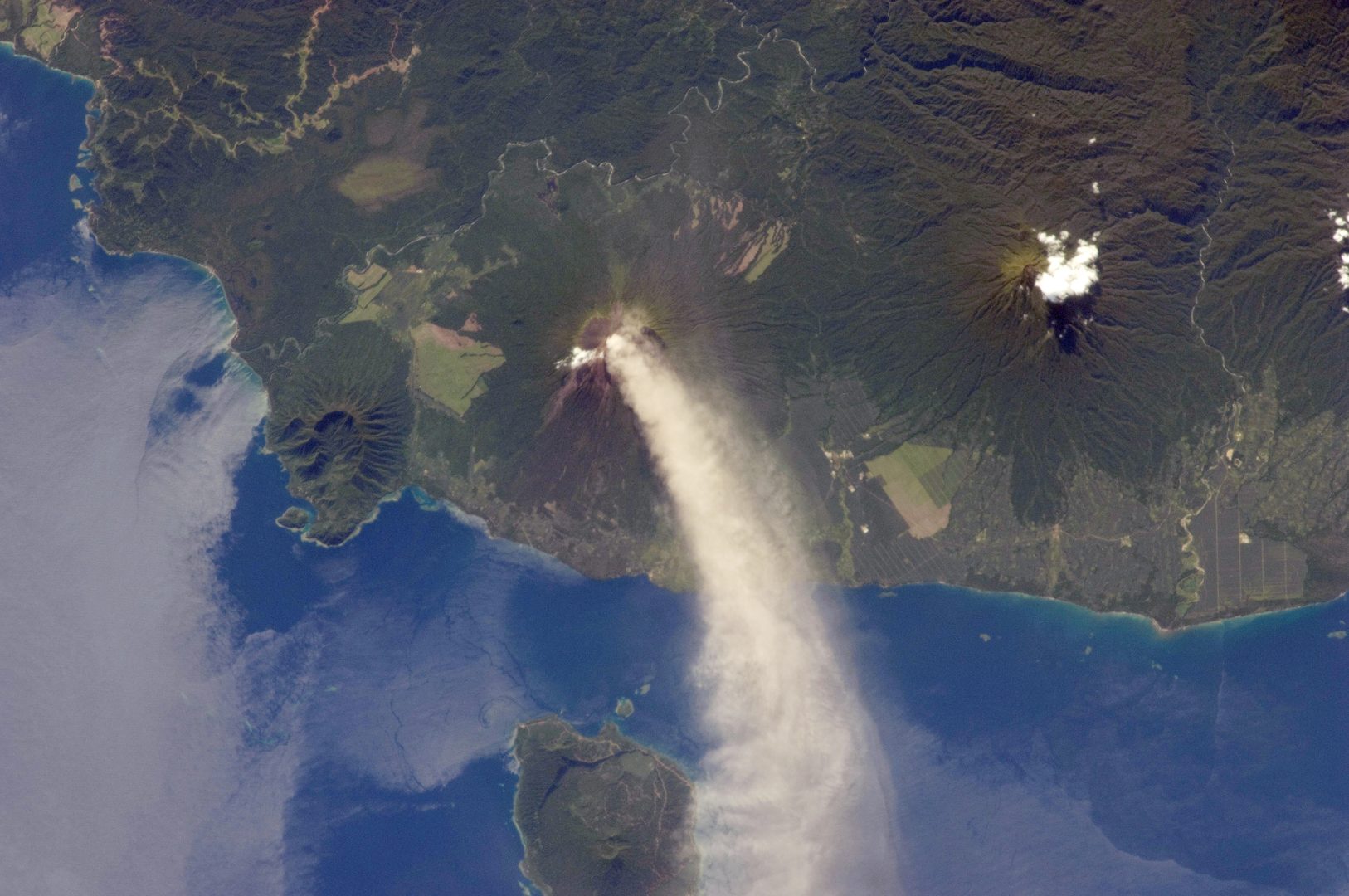
Ulawun is a basaltic-andesitic stratovolcano formed by the subduction of the Solomon Sea Plate beneath the South Bismarck Plate, part of the tectonically active New Britain subduction zone. Its steep, symmetrical cone rises to 2,334 meters, making it the tallest volcano in the Bismarck arc. The volcano’s structure consists of interlayered lava flows and tephra deposits, with a relatively small summit crater that frequently emits gas and ash. Ulawun is renowned for its frequent Strombolian and Vulcanian eruptions, producing explosive ash plumes, pyroclastic flows, and occasional lava flows. Since the 18th century, it has erupted over 22 times, with major events recorded in 1970, 2019, and recent years. Its persistent degassing releases significant sulfur dioxide, contributing to global volcanic gas emissions. The volcano’s activity is closely monitored by the Rabaul Volcano Observatory due to its proximity to populated areas and high hazard potential.
The Volcano Trek: Terrain and Hiking Experience
The trek up Ulawun is a demanding adventure that tests both physical stamina and mental resilience. The trail begins in dense tropical rainforest, where humidity and heat challenge hikers before the ascent steepens. As you climb higher, the vegetation thins, replaced by rugged volcanic terrain composed of loose tephra, hardened lava flows, and sharp volcanic rocks. The slopes are steep, often exceeding 30 degrees, requiring careful footing and the use of trekking poles for stability. Loose ash and pumice can make footing unstable, especially on descents where sliding is common. The terrain also includes sections of volcanic scree and occasional lava boulders that must be navigated with caution. Weather conditions can shift rapidly; strong winds near the summit increase the chill factor, and sudden rain can turn the trail slippery and treacherous. Altitude effects become noticeable above 2,000 meters, with thinner air and cooler temperatures demanding acclimatization. The trail offers limited shade, exposing trekkers to intense equatorial sun, so sun protection is essential. Despite these challenges, the landscape is spectacular — from steaming fumaroles and sulfur deposits to panoramic views of the surrounding islands and ocean. The combination of physical challenge and geological spectacle makes the Ulawun trek a uniquely rewarding experience for seasoned volcano hikers.
What Makes This Volcano Trek Unique
Ulawun stands out as one of the most active and tallest volcanoes in Papua New Guinea, offering a rare opportunity to witness an active Decade Volcano up close. Its frequent Strombolian and Vulcanian eruptions create a dynamic environment where volcanic activity is often visible from the summit. The volcano’s high sulfur dioxide emissions and persistent degassing create vivid fumaroles and sulfur deposits that color the landscape. The steep, symmetrical cone provides dramatic vistas and a challenging climb unlike many other Pacific volcanoes. Additionally, Ulawun’s proximity to local communities adds cultural significance, as the volcano is deeply embedded in indigenous traditions and local history. The combination of intense volcanic activity, geological diversity, and cultural context makes trekking Ulawun a singular adventure for volcano enthusiasts.
The Summit and Crater Experience
Reaching Ulawun’s summit is a moment of awe and reverence. The crater rim reveals a steaming, active vent emitting plumes of white and occasionally ash-laden gas. The sulfurous aroma is strong, and the ground beneath your feet radiates residual heat. The soundscape is alive with the hiss of escaping gases and distant rumblings from within the volcano’s depths. From this vantage point, panoramic views stretch across the Bismarck Archipelago, with the ocean shimmering in the distance and neighboring volcanic peaks punctuating the horizon. The crater’s rugged walls and fumarolic vents create a surreal, otherworldly atmosphere that underscores the immense power contained within this mountain. It is a place where the Earth’s inner forces are palpable, leaving a lasting impression on every visitor.
Best Time to Trek Ulawun Volcano
The optimal trekking season for Ulawun is during Papua New Guinea’s dry months, from May to October. During this period, rainfall is minimal, reducing trail slipperiness and improving visibility. The dry season also offers more stable weather conditions, essential for safe summit attempts given the volcano’s active status. Trekking outside this window increases the risk of heavy rains, which can cause landslides and make the volcanic terrain hazardous. Additionally, volcanic activity can fluctuate, so it is crucial to monitor alerts from the Rabaul Volcano Observatory and local authorities. Early morning starts are recommended to avoid afternoon thunderstorms and to experience the summit at sunrise, when volcanic plumes are often illuminated by golden light. Always check current volcanic activity levels and access restrictions before planning your trek.
Trekking Routes and Trail Options
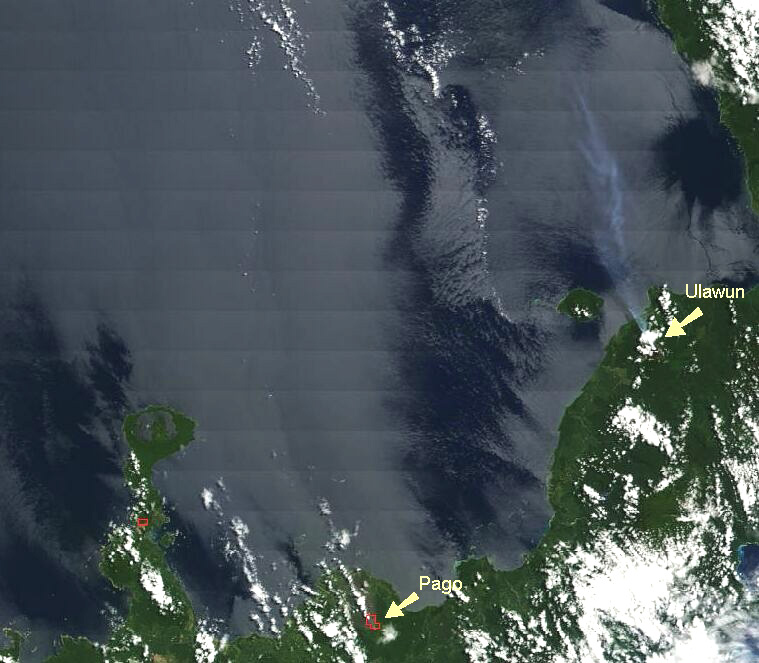
The primary route to Ulawun’s summit begins at the base in West New Britain Province, accessible via local roads from the town of Kimbe. The trek typically spans 2 to 3 days, with an overnight camp at a mid-mountain base camp to acclimatize and rest. The trail ascends through tropical rainforest before transitioning to volcanic ash slopes and rocky terrain. There are no alternative established routes due to the volcano’s steep and unstable flanks. Guided treks are strongly recommended given the active volcanic status and challenging terrain. Tour operators such as New Guinea Natural Tours and Flynn’s Tours offer organized expeditions including transport, permits, guides, and camping logistics. Self-guided trekking is not advised due to safety risks and permit requirements. The trail is physically demanding, with elevation gain of approximately 2,300 meters over rough volcanic ground. Trekkers should prepare for steep ascents, variable trail conditions, and limited facilities along the route.
Difficulty Assessment
Ulawun is classified as a demanding volcano trek, suitable only for experienced hikers with strong fitness levels. The steep slopes, loose volcanic ash, and rocky terrain require surefootedness and endurance. Altitude gain to 2,334 meters can cause mild altitude effects, necessitating proper acclimatization. The active volcanic status adds complexity, with potential exposure to volcanic gases and sudden changes in activity. Technical climbing skills are not required, but trekking poles and sturdy boots with excellent grip are essential. Weather conditions can be harsh, with strong winds and rapid temperature drops near the summit. Overall, Ulawun demands preparation, physical conditioning, and respect for the mountain’s hazards.
Essential Volcano Trekking Gear
Key gear for Ulawun includes robust hiking boots with ankle support and strong grip to navigate loose ash and rocky terrain. Trekking poles help maintain balance on steep and unstable slopes. A windproof and waterproof jacket is vital due to unpredictable weather and summit winds. Sun protection such as a wide-brimmed hat, sunglasses, and high-SPF sunscreen is necessary because of limited shade. Respiratory protection like a dust mask or bandana is recommended to filter volcanic ash and gases. A headlamp is useful for early morning or late evening trekking. Hydration systems to carry at least 3 liters of water per day are essential. Additional items include layered clothing for temperature variation, gloves for rocky sections, and a first aid kit. Camping gear is required for overnight stays, including a sturdy tent and sleeping bag rated for cool mountain temperatures.
Safety and Volcanic Hazards
Ulawun’s active status presents significant hazards that require careful attention. Sudden eruptions can produce ash plumes reaching high altitudes, pyroclastic flows, and ballistic projectiles. The volcano emits large quantities of sulfur dioxide, which can cause respiratory irritation; wearing masks is advisable. The steep crater rim and loose volcanic debris increase the risk of falls and landslides. Weather can change rapidly, with strong winds and rain making the trail slippery and dangerous. The Rabaul Volcano Observatory continuously monitors seismic activity, gas emissions, and deformation, issuing alerts and access restrictions accordingly. Trekkers must strictly adhere to these warnings and avoid summit attempts during elevated alert levels. Emergency evacuation plans should be in place, and guides experienced in volcanic hazards are essential for safe passage. Respect for the volcano’s power and preparedness are critical for a safe trekking experience.
Permits, Guides, and Logistics
Trekking Ulawun requires obtaining permits from Papua New Guinea’s tourism authorities, reflecting the volcano’s active status and safety considerations. Permits must be secured well in advance, typically through authorized tour operators such as New Guinea Natural Tours, Flynn’s Tours, or No Roads Expeditions, who facilitate the application process. Permit fees vary but generally start around 200 Papua New Guinean Kina (approximately $55 USD) for day treks, with additional costs for multi-day expeditions. These operators provide comprehensive packages including local guides, porters, camping equipment, and transportation from Kimbe or Hoskins Airport to the trailhead. Given the volcano’s frequent activity, guides are essential for real-time hazard assessment and navigation. Logistics include arranging flights to Hoskins Airport, ground transfers, and coordinating with local communities near the volcano. Trekkers must carry proof of travel insurance covering volcanic trekking activities. Due to the remote location and challenging terrain, self-guided treks are strongly discouraged. Tour operators also assist with safety briefings, acclimatization schedules, and emergency protocols, ensuring a well-organized and secure expedition.
Where to Stay Near Ulawun and Nearby Bases
Accommodation options near Ulawun are limited but sufficient for expedition preparation and recovery. The nearest major town is Kimbe, approximately 50 kilometers from the volcano, offering several hotels such as the Kimbe Bay Hotel and the New Britain Hotel, which provide basic amenities and comfortable lodging. For those seeking proximity to the trailhead, local guesthouses and village homestays near the volcano’s base offer authentic cultural experiences, though facilities are rustic. Camping is the primary option during the trek itself, with designated base camps established by tour operators at mid-mountain elevations to aid acclimatization and rest. These camps are equipped with tents and basic cooking facilities. Hoskins Airport serves as the main air gateway, with transport arranged by guides to the trail start. Due to the remote and active nature of Ulawun, travelers should plan accommodations well in advance and rely on tour operators for logistical support. Staying in Kimbe or nearby villages also allows for cultural immersion and interaction with local communities who live in the volcano’s shadow.