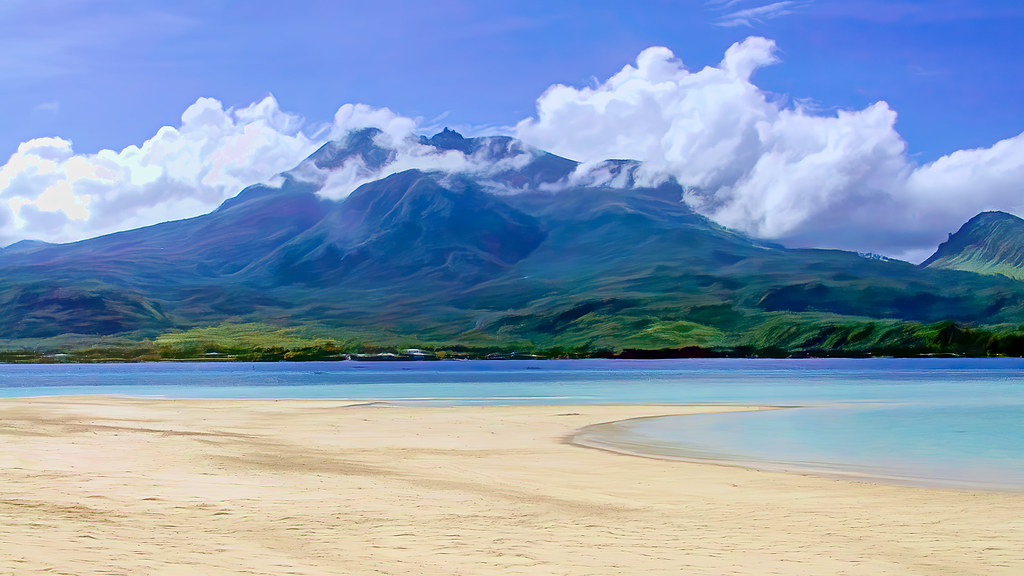

Mount Garbuna Volcano Trekking Guide: Exploring Papua New Guinea’s Active Complex Volcano
Mount Garbuna, an active complex volcano in Papua New Guinea’s New Britain, offers a thrilling moderate trek through lush rainforest to steaming fumaroles and sulfurous crater landscapes. This guide covers geology, trekking routes, safety, permits, and accommodation near Kimbe.
Quick Volcano Snapshot
| Attribute | Value |
|---|---|
| Volcano type | Complex volcano |
| Elevation | 1,505 meters |
| Location | Willaumez Peninsula, New Britain, Papua New Guinea |
| Activity status | Active (last eruptions 2005-2006) |
| Trekking difficulty | Moderate |
| Typical trek duration | 5 to 6 hours round trip |
| Altitude gain | Approximately 600 meters |
| Terrain type | Dense tropical rainforest transitioning to volcanic rubble and fumarolic fields |
| Best season | May to October (dry season) |
| Temperature range | Tropical rainforest temperatures with cooler summit conditions |
| Permit requirement | No formal permits required; local guides strongly recommended |
Introduction: The Experience of Hiking Mount Garbuna
Approaching Mount Garbuna, the air thickens with the scent of sulfur and the landscape shifts dramatically from dense tropical rainforest to barren volcanic terrain. The trek offers a vivid encounter with the raw forces shaping New Britain’s geology. As you ascend, the lush greenery gives way to steaming fumaroles and bubbling thermal pots, a sensory reminder of the volcano’s active heart. Reaching the crater rim, hikers are rewarded with panoramic views of the surrounding islands and the chance to witness the earth’s power firsthand, surrounded by sulfurous vents and volcanic rubble.
Geological Background of Mount Garbuna
Mount Garbuna is part of the Garbuna Group, a complex volcanic system comprising three peaks: Krummel, Welcker, and Garbuna itself. This complex volcano sits atop a shield volcano on the Willaumez Peninsula of New Britain. Its geological history is marked by multiple eruptions, with the first recorded in 1852 and significant activity as recent as 2005-2006. The volcano features youthful lava domes, pyroclastic cones, and extensive fumarolic fields. The terrain is rich in sulfur deposits and hydrothermal features, including hot springs and mud pots. These formations result from high-silica andesite to dacite magmas, producing explosive eruptions and varied volcanic landscapes. The geothermal activity creates a dynamic environment, attracting scientists and adventurers alike.
The Volcano Trek: Terrain and Hiking Experience
The trek to Mount Garbuna’s summit is a compelling journey through diverse terrain that challenges and rewards hikers. Starting from a small village near Walindi Plantation Resort, the trail winds through dense, pristine rainforest characterized by towering trees and a rich biodiversity of birds and insects. The forest canopy filters sunlight, creating a cool, shaded environment that contrasts with the heat and sulfurous fumes encountered higher up.
As the trail ascends, the terrain becomes steeper and more rugged. Hikers navigate a bush track known primarily to local guides, which can be slippery due to loose volcanic soil and occasional rain. The path transitions from soft forest floor to volcanic rubble and ash deposits, requiring careful footing. The volcanic terrain includes patches of hot ground, steaming vents, and bubbling mud pools, which add an otherworldly atmosphere to the hike.
Altitude gain is moderate, approximately 600 meters over 8 kilometers round trip, with the ascent typically taking about three hours. The trail demands a reasonable level of fitness but is accessible to most hikers with proper preparation. Weather conditions can vary, with temperatures dropping near the summit and wind exposure increasing.
The sulfurous smell intensifies as hikers approach the crater, where fumaroles emit steam and volcanic gases. The crater rim offers a stark, barren landscape of yellow sulfur deposits and black volcanic rock. The contrast between the lush forest below and the scorched volcanic summit creates a dramatic visual and sensory experience. Descending the same route, hikers often enjoy sliding down loose volcanic ash, adding a playful element to the return journey.
Overall, the terrain challenges hikers with steep slopes, slippery surfaces, and volcanic hazards but rewards them with unique landscapes and intimate encounters with active geothermal features.
What Makes the Mount Garbuna Trek Unique
Mount Garbuna’s trek stands out for its blend of lush tropical rainforest and active volcanic landscapes within a compact area. The presence of one of Papua New Guinea’s largest thermal fields atop the mountain offers hikers a rare chance to witness steaming fumaroles, bubbling mud pots, and vivid sulfur deposits up close. Unlike many volcanoes, Garbuna’s trail begins in dense jungle rich with endemic flora and fauna, providing a striking contrast to the barren crater environment.
The cultural significance of the volcano to local indigenous communities adds depth to the experience, with the volcano regarded as a sacred site. The relatively low visitor numbers ensure a sense of solitude and authenticity, allowing trekkers to connect deeply with the natural and cultural environment.
Additionally, the proximity to Kimbe Bay and the opportunity to combine volcano trekking with world-class scuba diving and marine biodiversity make Garbuna a multifaceted adventure destination. The panoramic summit views encompass both volcanic peaks and the surrounding ocean, creating unforgettable vistas.
Summit and Crater Experience
Reaching the summit of Mount Garbuna is a moment of awe and exhilaration. The crater rim reveals a stark, sulfur-streaked landscape where steam vents hiss and sulfurous gases permeate the air with their pungent aroma. The ground beneath is warm, and occasional bubbling mud pools punctuate the terrain, reminding visitors of the volcano’s restless energy.
From the summit, panoramic views stretch across New Britain’s lush forests, neighboring volcanic peaks, and the sparkling waters of Kimbe Bay. The contrast between the vibrant greenery below and the barren, steaming crater creates a powerful visual narrative of nature’s dual forces of creation and destruction.
The sensory experience is intense: the smell of sulfur, the sound of escaping gases, the heat radiating from fumaroles, and the sight of volcanic debris all combine to immerse hikers in the dynamic environment of an active volcano. This summit encounter leaves a lasting impression of the earth’s raw power and beauty.
Best Time to Trek Mount Garbuna
The ideal time to trek Mount Garbuna is during Papua New Guinea’s dry season, from May to October. During these months, rainfall is reduced, making the forest trails less slippery and the volcanic terrain safer to navigate. Clear skies also enhance summit views and improve overall trekking conditions.
Avoiding the wet season is crucial, as heavy rains can make the steep volcanic slopes treacherous and increase the risk of landslides. Additionally, volcanic gas emissions can fluctuate, so it is advisable to check local volcanic activity reports before planning a trek.
Early morning starts are recommended to avoid midday heat and to experience cooler temperatures on the ascent. The dry season also coincides with better accessibility to accommodations and transport services in the Kimbe region.
Trekking Routes and Trail Options
The primary route to Mount Garbuna’s summit begins near a small village approximately 20 minutes’ drive from Walindi Plantation Resort, the main accommodation hub in the area. The trail is about 8 kilometers round trip, with an elevation gain of roughly 600 meters.
This route is a moderately challenging bush track that passes through dense rainforest before emerging into volcanic terrain near the summit. The trail is not formally marked but is well known to local guides, who are essential for navigation and safety.
There are no alternative official routes due to the rugged terrain and dense forest. Trekkers typically ascend and descend the same path. The hike takes approximately three hours to ascend and two to three hours to descend.
Guided treks are strongly recommended, both for safety and to enrich the experience with local knowledge about the volcano’s geology, flora, fauna, and cultural significance. Walindi Plantation Resort and other local operators offer organized tours including transport, guiding, and sometimes meals.
Self-guided trekking is not advised due to the lack of signage, challenging terrain, and the presence of volcanic hazards. The route’s mix of forest and volcanic landscapes provides a varied and immersive trekking experience.
Difficulty Assessment
Mount Garbuna’s trek is classified as a moderate volcano trek. The trail involves a steady ascent of approximately 600 meters over 4 kilometers one way, with sections of steep and slippery terrain. Hikers should be in good physical condition and comfortable with uneven, loose volcanic surfaces.
Altitude is not extreme, peaking at 1,505 meters, so altitude sickness is generally not a concern. However, the combination of heat, humidity in the forest, and exposure near the summit requires good hydration and sun protection.
Technical climbing skills are not necessary, but sturdy hiking boots with good grip are essential due to loose volcanic ash and rubble. Trekking poles can aid balance on slippery sections.
Overall, the trek is suitable for hikers with moderate experience and fitness, including adventurous beginners accompanied by experienced guides.
Essential Volcano Trekking Gear
For a safe and comfortable trek up Mount Garbuna, the following gear is recommended:
Sturdy hiking boots with ankle support and good grip for volcanic ash and rocky terrain.
Trekking poles to assist with balance on steep or slippery sections.
Lightweight, breathable clothing suitable for tropical rainforest conditions.
A windproof and waterproof jacket for sudden weather changes.
Sun protection including a wide-brimmed hat, sunglasses, and high SPF sunscreen.
At least 2 liters of water per person to stay hydrated.
Snacks or a packed lunch for energy during the 5-6 hour round trip.
A headlamp or flashlight if starting early or finishing late.
A small first aid kit for minor injuries.
A camera to capture the unique volcanic and forest landscapes.
Gas masks or respirators are generally not required but may be useful for sensitive individuals near fumaroles due to sulfur gases.
Safety and Volcanic Hazards
Mount Garbuna is an active volcano with recent eruptions as recent as 2005-2006, so safety precautions are essential. The main hazards include exposure to volcanic gases such as sulfur dioxide, unstable ground near fumaroles, and loose volcanic ash and rocks that can cause slips and falls.
Hikers should always be accompanied by experienced local guides who understand the terrain and current volcanic activity. Avoid lingering near fumaroles and steaming vents, as gases can be toxic and ground temperatures can be dangerously hot.
Weather can change rapidly, with rain making trails slippery and increasing the risk of landslides. Proper footwear and caution on steep sections are vital.
There is no formal volcanic monitoring station at Garbuna, so hikers should check with local authorities or tour operators for recent activity updates before trekking.
Emergency services in the region are limited, so preparation and communication with guides are critical. Carrying a mobile phone or satellite communication device is advisable.
Respect local cultural beliefs and restrictions regarding the volcano, as it is considered sacred by indigenous communities.
Permits, Guides, and Logistics for Mount Garbuna Trek
Mount Garbuna is accessible to trekkers without formal government permits, but hiring a local guide is strongly recommended for safety, navigation, and cultural respect. Local guides provide invaluable knowledge of the terrain, volcanic activity, and the surrounding environment.
The main gateway for the trek is Walindi Plantation Resort near Kimbe, which offers organized volcano treks including transport, guiding, and meals. The resort is the most reliable base for arranging the hike and provides shuttle services from Hoskins Airport.
Visitors typically fly into Hoskins Airport, followed by a 40-minute shuttle to Walindi Plantation Resort. Public transport options are extremely limited, making private transfers or resort shuttles essential.
Tour operators offering Mount Garbuna treks include Walindi Plantation Resort, Papua Adventures, and Liamo Reef Resort. These operators provide experienced guides, local village visits, and combined land and marine adventure packages.
Costs for guided treks vary but generally range from USD 100 to 200 per person, including guiding, transport, and sometimes meals. Independent trekking is discouraged due to the lack of marked trails and volcanic hazards.
Visitors should book tours in advance, especially during the dry season (May to October), to ensure availability. Accommodation at Walindi Plantation Resort is recommended for its comfort, amenities, and proximity to the trailhead.
No formal permits or park fees are currently required, but respecting local customs and environmental guidelines is essential. Guides also assist in minimizing ecological impact and ensuring a safe, responsible trekking experience.
Where to Stay and Nearby Bases for Mount Garbuna Trek
The primary accommodation base for Mount Garbuna treks is Walindi Plantation Resort, located on the shores of Kimbe Bay, approximately 20 kilometers from the volcano’s trailhead. Walindi is renowned for its high-quality facilities, combining western-style comfort with access to Papua New Guinea’s natural wonders.
Walindi Plantation Resort offers private bungalows with modern amenities, including comfortable beds, hot showers, and on-site dining featuring fresh local and international cuisine. The resort is also famous for its world-class scuba diving, making it an ideal base for combining underwater and volcanic adventures.
The resort provides shuttle transfers from Hoskins Airport, simplifying logistics for international travelers. It also organizes guided treks to Mount Garbuna, including transport to the trailhead, experienced local guides, and packed meals.
Other accommodation options in the Kimbe area are limited, with few guesthouses or lodges offering comparable services. For travelers seeking a more rustic experience, local villages near the volcano provide cultural immersion but lack tourist infrastructure.
Liamo Reef Resort, located nearby, offers additional accommodation and tour services, including boat trips and nature excursions, complementing the volcano trek experience.
Due to the remote location and limited public transport, staying at Walindi Plantation Resort or similar establishments is highly recommended for safety, convenience, and access to guided tours.
Visitors should book accommodations well in advance, especially during peak trekking season, to secure availability and ensure a seamless adventure.