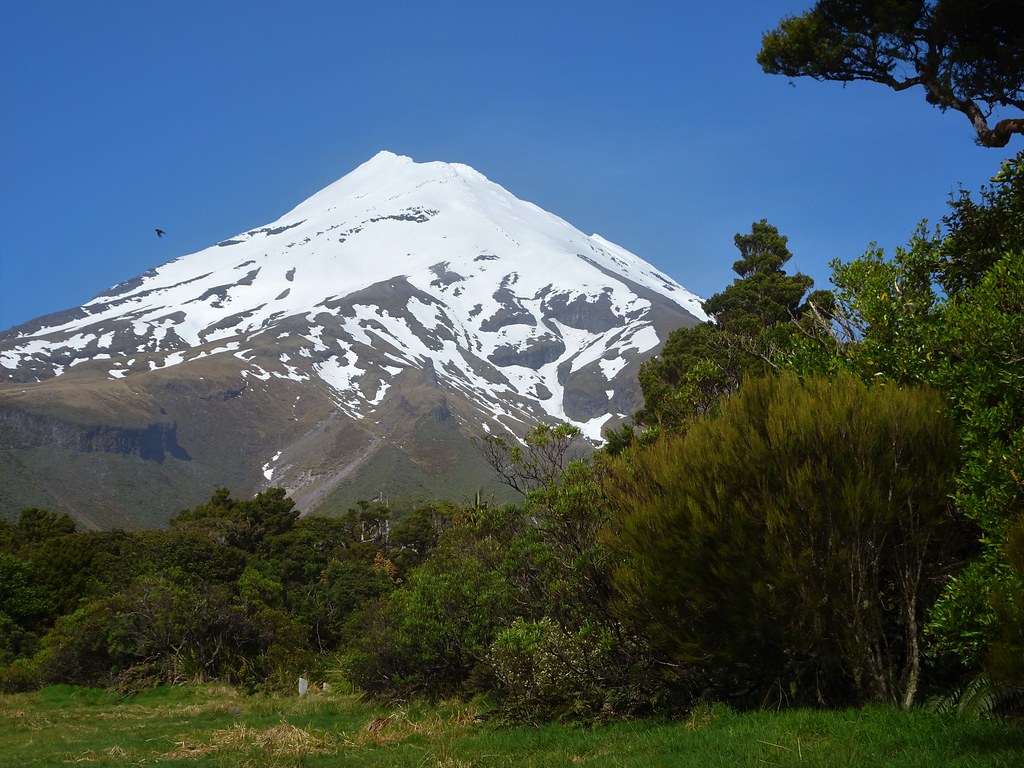

Mount Hibok-Hibok Volcano Trekking Guide: Conquer Camiguin’s Active Stratovolcano
Mount Hibok-Hibok, an active stratovolcano on Camiguin Island, Philippines, offers a challenging and rewarding trekking experience through lush tropical forests, volcanic terrain, and panoramic summit views. This guide covers geology, routes, permits, safety, and accommodations for adventurers seeking to explore this iconic Pacific Ring of Fire volcano.
Quick Volcano Snapshot
| Attribute | Value |
|---|---|
| Volcano type | Stratovolcano |
| Elevation | 1,332 meters |
| Location | Camiguin Island, Philippines |
| Activity status | Active |
| Trekking difficulty | Moderate |
| Typical trek duration | 6 to 10 hours round trip |
| Altitude gain | Approximately 1,200 meters |
| Terrain type | Tropical forest, volcanic ash slopes, mossy boulders, crater lake |
| Best season | March to May (dry season) |
| Temperature range | 18°C to 30°C |
| Permit requirement | Mandatory permit and local guide required |
Introduction: The Experience of Hiking Mount Hibok-Hibok
Approaching Mount Hibok-Hibok, the air thickens with the scent of damp earth and sulfur, a reminder of the volcano’s restless nature. The trail leads through dense tropical jungle, alive with vibrant flora and the occasional call of native birds. As you ascend, the landscape shifts dramatically — verdant forests give way to moss-covered boulders and volcanic ash slopes. The summit reveals a breathtaking panorama: a crater lake nestled within the caldera, surrounded by lush greenery, and sweeping views of Camiguin’s coastline and neighboring islands. The emotional surge of standing atop an active volcano, feeling the raw power of the earth beneath your feet, is an unforgettable experience for any adventurer.
Geological Background of Mount Hibok-Hibok
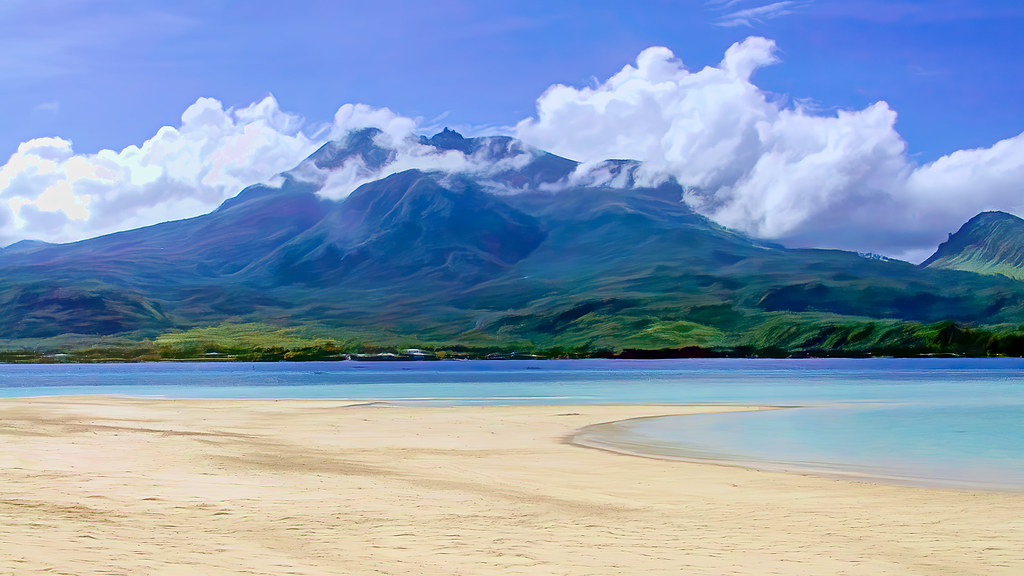
Mount Hibok-Hibok is a classic stratovolcano located on Camiguin Island, part of the Pacific Ring of Fire. It was formed through successive layers of lava flows, ash, and volcanic debris, creating its steep conical shape. The volcano has erupted five times since records began, with the most devastating eruption occurring in 1951, which caused significant loss of life and population displacement. The volcano features three main craters: Kanangkaan, Itum, and Ilihan. The Ilihan crater, now a serene green lake, is a prominent feature visible during the trek. The volcano’s geology is marked by sulfur vents, fumaroles, and rich volcanic minerals that contribute to the island’s fertile soils. Its active status demands respect and careful monitoring by local authorities.
The Volcano Trek: Terrain and Hiking Experience
The trek up Mount Hibok-Hibok is a demanding journey through diverse and challenging terrain. The trail begins at Ardent Hot Springs or alternative routes such as the Itum Trail and the Yumbing to Ardent traverse. Initially, hikers pass through groves of tall coconut trees and tropical vegetation on relatively even ground. Soon, the path steepens, entering dense jungle where humidity rises and footing becomes slippery. The trail is consistently inclined, requiring steady endurance and careful navigation over roots, rocks, and uneven surfaces. Trekkers often encounter mossy boulders and fallen trees that necessitate scrambling and use of hands for balance. The volcanic ash and loose pumice make footing unpredictable, especially on descents, demanding concentration to avoid slips and falls. The inner crater area offers a unique experience, with lush ferns and a shallow crater lake that reflects the surrounding caldera walls. Approaching the summit, hikers face steep rope-assisted sections and boulder fields, testing both physical strength and mental focus. Weather conditions can vary rapidly, with sudden rain making the trail slippery and increasing the challenge. The combination of tropical forest, volcanic terrain, and altitude creates a dynamic hiking environment that rewards perseverance with stunning views and a profound connection to the island’s volcanic heart.

What Makes the Mount Hibok-Hibok Trek Unique
Mount Hibok-Hibok stands out for its location on Camiguin Island, known as the ‘Island Born of Fire,’ which boasts the highest density of volcanoes per square kilometer worldwide. The trek offers a rare blend of active volcanic features and rich biodiversity within a compact area. Unique elements include the crater lake nestled inside the volcano’s caldera, sulfur vents emitting faint steam, and the opportunity to witness the island’s endemic flora, including insectivorous plants. The panoramic summit views encompass not only Camiguin’s lush landscapes but also neighboring islands such as White Island, Bohol, Mindanao, and Siquijor. The cultural history tied to the volcano’s eruptions and the resilience of local communities adds depth to the adventure. The combination of geological drama, ecological richness, and cultural significance makes this trek a compelling experience for volcano enthusiasts and nature lovers alike.
The Summit and Crater Experience
Reaching the summit of Mount Hibok-Hibok is a moment of awe and reflection. The crater rim offers a commanding 360-degree view of the island’s volcanic peaks, the surrounding sea, and distant islands shimmering on the horizon. The crater itself reveals a tranquil green lake, a stark contrast to the volcano’s fiery history. The air carries a faint sulfuric tang, and the ground beneath may still emit warmth near fumaroles. The silence is punctuated by the gentle rustle of wind and the occasional bubbling of volcanic gases escaping through vents. This sensory immersion connects hikers to the primal forces shaping the earth. The summit’s exposure to wind and changing weather demands preparedness but rewards visitors with a profound sense of accomplishment and the rare privilege of standing atop an active volcano.
Best Time to Trek Mount Hibok-Hibok
The optimal trekking season for Mount Hibok-Hibok is during the dry months from March to May, when weather conditions are most stable and trails are less slippery. Shoulder seasons from June to August and December to February can also be suitable, though brief showers may occur. The period from September to October is generally discouraged due to higher risks of heavy rain and typhoons, which can make the trail hazardous and increase the likelihood of trail closures. Early morning starts are recommended to avoid midday heat and to enjoy cooler temperatures and clearer views. Seasonal monitoring by local authorities ensures that hikes are conducted safely, with temporary closures implemented if volcanic activity or weather conditions pose risks.
Trekking Routes and Trail Options
Mount Hibok-Hibok offers three primary trekking routes, each with distinct characteristics. The most popular is the Ardent Hot Spring Trail, starting near the well-known hot springs resort in Mambajao. This route is moderately challenging, with a steady incline through tropical forest and volcanic terrain, typically taking 6 to 7 hours round trip. The Yumbing to Ardent traverse provides a longer, scenic path connecting two trailheads, ideal for experienced hikers seeking variety and extended exploration. The newest and most challenging is the Itum Trail, beginning at the DENR Office in Barangay Itum. This trail is steeper and includes rope-assisted sections, suited for seasoned trekkers comfortable with technical terrain. All routes require a permit and a local guide, ensuring safety and environmental protection. Hikers can choose guided tours or self-guided hikes with prior arrangements. Each trail rewards adventurers with unique perspectives of the volcano’s diverse ecosystems and geological features.
Difficulty Assessment
Mount Hibok-Hibok is classified as a moderate volcano trek, demanding good physical fitness and hiking experience. The trail’s steep inclines, slippery volcanic ash, and uneven terrain require endurance, balance, and careful foot placement. Altitude gain of approximately 1,200 meters challenges cardiovascular capacity but is manageable for hikers accustomed to mountain trekking. Technical sections on the Itum Trail involve rope climbing and boulder scrambling, increasing difficulty. The tropical climate adds humidity and heat stress, necessitating hydration and sun protection. While no specialized mountaineering equipment is required, trekking poles and sturdy boots with excellent grip are highly recommended. Overall, the trek is suitable for moderately experienced hikers prepared for a physically demanding day in a dynamic volcanic environment.
Essential Volcano Trekking Gear
For a safe and comfortable hike up Mount Hibok-Hibok, essential gear includes sturdy hiking boots with good traction to navigate slippery volcanic ash and rocky terrain. Trekking poles provide stability on steep ascents and descents. Lightweight, moisture-wicking clothing and long sleeves help protect against humidity, insects, and sun exposure. A windproof and waterproof jacket is vital for sudden weather changes. Carry at least 2 liters of water per person, along with high-energy snacks. A headlamp is useful for early morning starts or late descents. Insect repellent and a hat offer protection from tropical insects and sun. While gas masks are not typically required, hikers should be aware of sulfur odors near fumaroles. A small first aid kit and a map or GPS device enhance safety. For overnight camping, lightweight tents and sleeping gear are recommended.
Safety and Volcanic Hazards
Mount Hibok-Hibok’s active status necessitates vigilance regarding volcanic hazards. Hikers should be aware of potential exposure to volcanic gases such as sulfur dioxide, which can cause respiratory irritation near fumaroles and vents. The trail includes unstable crater edges and loose scree, increasing the risk of falls and rockslides. Sudden weather changes can lead to slippery conditions and reduced visibility. Local authorities monitor volcanic activity and may close trails if eruption risks increase. It is mandatory to hire accredited local guides who are trained in safety protocols and familiar with current conditions. Hikers should follow all regulations, stay on marked trails, and avoid restricted areas. Emergency communication plans and awareness of evacuation routes are essential. Proper preparation and respect for the volcano’s power ensure a safer trekking experience.
Permits, Guides, and Logistics
Mount Hibok-Hibok requires all hikers to obtain a permit from the Department of Environment and Natural Resources (DENR) office in Camiguin. The permit fee is approximately ₱500 per person, and a local guide must be hired for safety and environmental stewardship, with guide fees around ₱1,200 per group. Permits and guides should be arranged in advance, often facilitated by accommodations or local tour operators such as Camiguin Trekking Tours, Island Adventure Guides Camiguin, Hibok-Hibok Hiking Expeditions, and Camiguin Eco Tours. These operators provide comprehensive packages including transportation to trailheads, permits, guiding services, and sometimes camping equipment. The main jump-off points are Ardent Hot Springs and Barangay Itum for the Itum Trail. Hikers should plan for a full day, with typical trek durations ranging from 6 to 10 hours depending on route and pace. Weather conditions can affect trail accessibility, so checking with guides and local authorities before the hike is essential. Transport options include tricycles and motorbike rentals from Mambajao town. Sustainable tourism practices are emphasized to protect the fragile ecosystem and support local communities.
Where to Stay Near Mount Hibok-Hibok
The town of Mambajao serves as the primary base for hikers tackling Mount Hibok-Hibok, offering a range of accommodations from budget guesthouses to mid-range resorts. Notable options include Bintana Sa Paraiso, known for its cozy rooms and proximity to local eateries; Balai sa Baibai, which offers a tranquil garden setting; Paras Beach Resort, ideal for beach lovers seeking comfort; and KURMA Freedive Camiguin Eco Lodge & Resto, which combines eco-friendly lodging with excellent amenities. These accommodations provide easy access to the Ardent Hot Springs jump-off point via short tricycle or motorbike rides. For those seeking a more immersive experience, camping near the DENR Office in Barangay Itum is possible, offering proximity to the Itum Trail start. Amenities in Mambajao include restaurants, gear rental shops, and tour operator offices to assist with permits and guides. Staying in Mambajao allows hikers to rest well before and after the strenuous trek, enjoy local cuisine, and explore other island attractions.