
Climbing Mayon Volcano: Trekking the Perfect Cone of the Philippines’ Most Iconic Stratovolcano
Mayon Volcano, famed for its perfectly symmetrical cone, offers a demanding yet rewarding trek through diverse volcanic terrain in the Bicol Region of the Philippines. This guide covers geological insights, trekking routes, safety, permits, and accommodation options for adventurers seeking to summit this active stratovolcano.
Quick Volcano Snapshot
| Attribute | Value |
|---|---|
| Volcano type | Stratovolcano |
| Elevation | 2,462 meters |
| Location | Bicol Region, Albay Province, Philippines |
| Activity status | Active |
| Trekking difficulty | Demanding |
| Typical trek duration | 2-3 days |
| Altitude gain | Approximately 2,462 meters |
| Terrain type | Lava fields, volcanic cinder slopes, ash, rocky terrain |
| Best season | March to May and September to November |
| Temperature range | 15°C to 30°C |
| Permit requirement | Required; permits obtained via local authorities or tour operators |
The Experience of Hiking Mayon Volcano
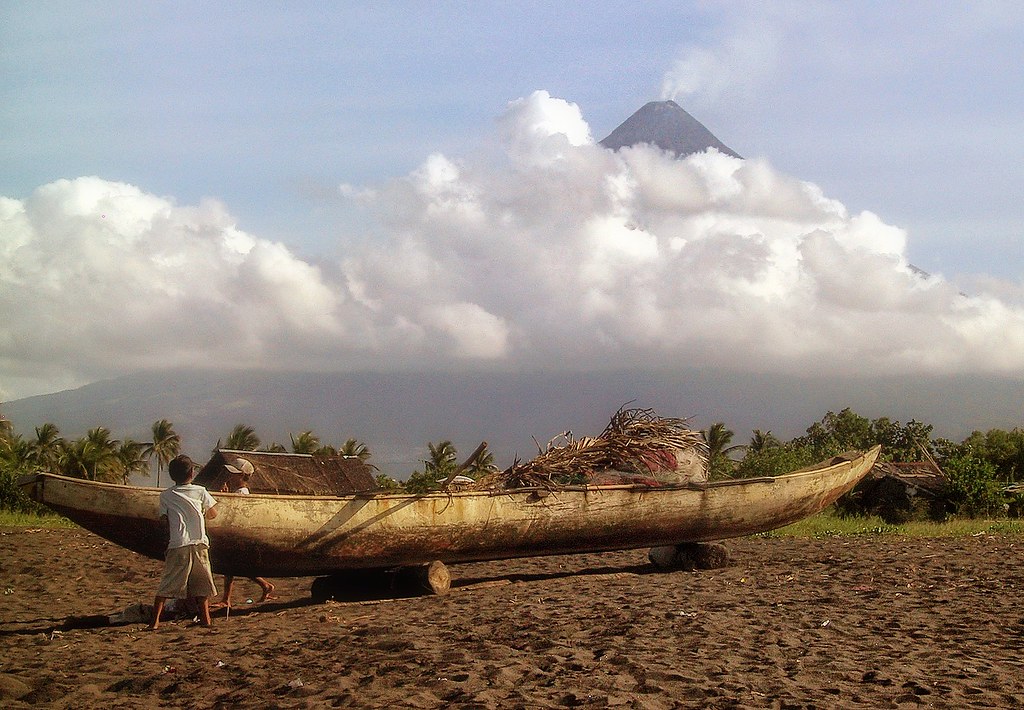
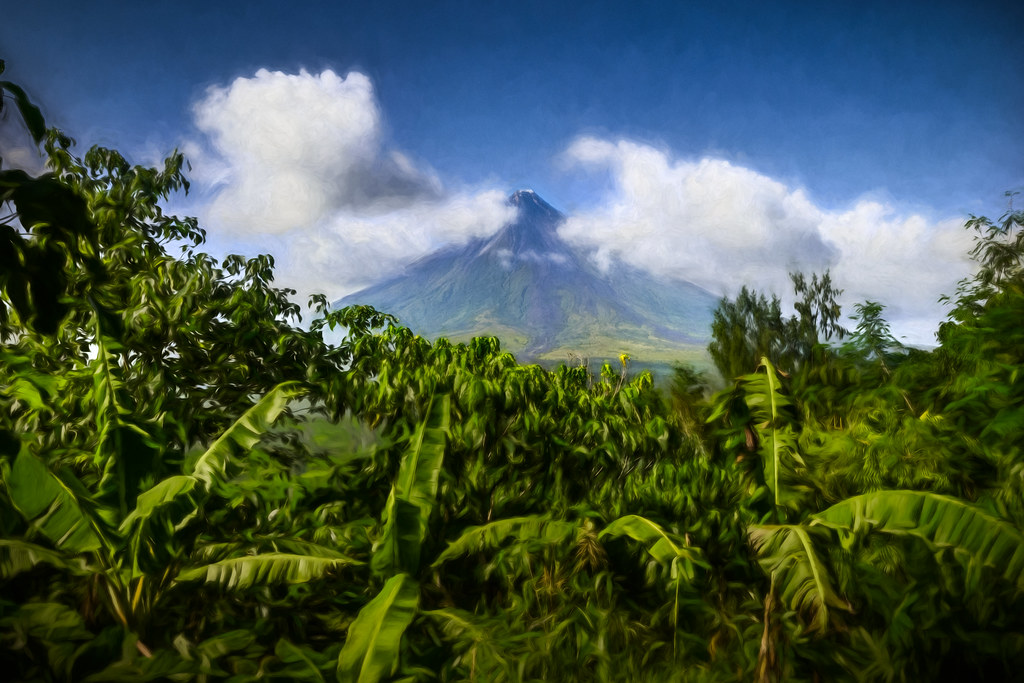
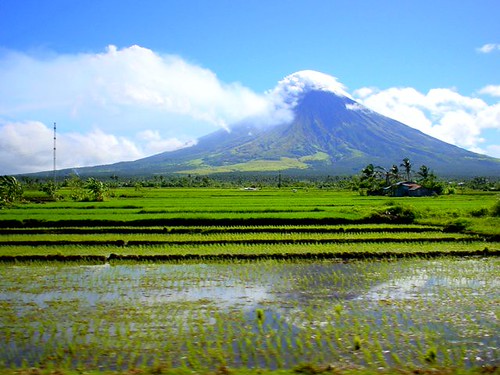
Approaching Mayon Volcano, the landscape commands attention with its flawless, symmetrical cone rising sharply against the sky. The trek immerses hikers in a dramatic volcanic environment where barren lava fields contrast with lush foothills. Each step upward reveals the raw power of the Earth’s forces, from hardened lava ravines to steaming fumaroles. The climb challenges endurance and focus, but reaching the summit rewards adventurers with panoramic views of the surrounding Bicol countryside and the Pacific Ocean beyond. The emotional impact of standing atop an active volcano, surrounded by the vastness of volcanic terrain, is profound and unforgettable.
Geological Background of Mayon Volcano
Mayon Volcano is a classic stratovolcano located in the Bicol Region of the Philippines, renowned worldwide for its near-perfect conical shape. Formed by successive layers of lava flows, ash, and volcanic debris, Mayon’s structure reflects its dynamic eruptive history. Its most devastating eruption occurred in 1814, which buried the town of Cagsawa under volcanic tephra, leaving only the church belfry visible today. The volcano’s summit features a crater rim with fumaroles emitting sulfurous gases and steam, highlighting ongoing volcanic activity. The terrain is marked by lava-formed ravines and deposits of volcanic minerals, creating a landscape that is both geologically rich and visually striking. Mayon’s eruptions have shaped the surrounding environment, influencing local ecosystems and human settlements.
The Volcano Trek: Terrain and Hiking Experience
Hiking Mayon Volcano is a demanding adventure that tests physical endurance and technical skill. The trek begins in the grassy foothills, where the trail winds through verdant forests and open grasslands. As you ascend, the terrain transitions sharply to volcanic rock and loose cinder slopes formed by past eruptions. These steep ash slopes can reach angles of up to 40 degrees, requiring careful footing and sometimes scrambling over jagged lava rocks. The loose volcanic cinder and pumice make traction challenging, and hikers often use trekking poles to maintain balance.
The trail follows lava-formed ravines carved by previous eruptions, offering dramatic views of hardened lava flows and volcanic debris fields. Wind conditions intensify near the summit, and temperatures can fluctuate significantly, dropping as altitude increases. The exposed crater rim demands caution due to unstable edges and loose scree. Altitude effects may be felt by some climbers, adding to the physical challenge.
Despite these difficulties, the trek is richly rewarding. The diverse terrain—from lush forests to barren volcanic deserts—provides a vivid contrast and a deep connection to the volcano’s geological story. Hikers encounter sulfur vents and steaming fumaroles, reminders of the volcano’s active nature. The final ascent requires roped climbing for safety, emphasizing the technical demands of the route. Overall, the terrain shapes a unique hiking experience that blends natural beauty with volcanic power, suitable only for well-prepared and fit adventurers.

What Makes the Mayon Volcano Trek Unique
Mayon Volcano’s near-perfect symmetrical cone is its defining feature, making it one of the most photogenic and iconic volcanoes worldwide. This aesthetic perfection is rare among active stratovolcanoes and draws trekkers seeking both natural beauty and geological significance. The volcano’s active status adds an element of raw power and unpredictability, with fumaroles and steam vents visible along the trail and summit.
The trek offers a blend of cultural and natural highlights, including views of the historic Cagsawa Ruins, a poignant reminder of Mayon’s eruptive history. The surrounding Bicol Region’s rich biodiversity and local traditions enrich the experience, connecting hikers to the human stories shaped by the volcano. The combination of challenging terrain, geological features, and cultural context makes Mayon a standout destination for volcano trekking enthusiasts.
The Summit and Crater Experience
Reaching Mayon’s summit is a moment of awe and exhilaration. From the crater rim, hikers are rewarded with sweeping 360-degree views of the Bicol landscape, including verdant valleys, distant mountain ranges, and the shimmering Pacific Ocean. The crater itself is a stark, steaming bowl, with fumaroles releasing sulfurous gases that fill the air with a distinctive scent. The heat emanating from vents beneath the surface is palpable, and the occasional hiss of escaping gases punctuates the silence.
The summit’s exposed position offers a dramatic vantage point to witness the volcano’s power and beauty. The perfect cone shape is visible from every angle, reinforcing the sense of standing on a geological masterpiece. The experience is both humbling and empowering, as hikers confront the dynamic forces shaping the Earth beneath their feet.
Best Time to Trek Mayon Volcano
The ideal trekking seasons for Mayon Volcano are during the dry months from March to May and the cooler months from September to November. These periods offer more stable weather conditions, reducing the risk of heavy rains and slippery trails. The volcano’s active status means that climbers should always check current volcanic activity reports and weather forecasts before planning their trek.
Sunrise climbs are popular for their spectacular views and cooler temperatures, but daylight hikes provide better visibility for navigating the challenging terrain. Seasonal hazards include sudden weather changes, strong winds near the summit, and potential volcanic gas emissions. It is essential to heed local advisories and avoid climbing during periods of increased volcanic activity or adverse weather.
Trekking Routes and Trail Options
Mayon Volcano offers several trekking routes catering to different levels of experience and adventure. The two primary trails to the summit are the Buyuhan Trail and the Buang Trail.
The Buyuhan Trail, located on the southwest side, is the most popular route. It typically requires two to three days to complete, with overnight camping on the mountainside. The trail begins in grassy foothills and ascends through forested areas before reaching steep lava and cinder slopes. The final ascent involves a roped scramble up a 40-degree incline, demanding technical skill and physical fitness.
The Buang Trail on the northwest side is an alternative route that also takes two to three days. It starts near the Mayon Skyline Hotel and follows a similar progression through diverse terrain. Like the Buyuhan Trail, it requires camping and roped climbing near the summit. Both trails demand a guide due to the active volcano status and challenging conditions.
For less experienced hikers, the Weather Station Trail offers a moderate option leading to the Mayon Volcano Observatory. This approximately 7-kilometer route takes 3 to 5 hours and provides excellent views without the technical difficulties of summit climbs. Additionally, the Lava Flow Trail offers an easier hike through recent lava fields, suitable for beginners or those seeking a less strenuous experience.
Guided tours are widely available for all routes, providing safety, local knowledge, and logistical support.
Difficulty Assessment
Mayon Volcano is classified as a demanding volcano trek. The combination of steep slopes, loose volcanic cinder, and technical scrambling near the summit requires a high level of fitness and hiking experience. Altitude gain of over 2,400 meters adds to the physical challenge, and climbers must be prepared for rapid weather changes and strong winds.
The final ascent involves roped climbing on a 40-degree incline, making it unsuitable for beginners or those without proper guidance. Hikers should have experience with steep terrain and be comfortable using safety equipment. Overall, Mayon demands respect and preparation, placing it in the category of demanding volcano ascents rather than beginner or moderate treks.
Essential Volcano Trekking Gear
Proper gear is critical for a safe and successful Mayon Volcano trek. Recommended equipment includes sturdy hiking boots with excellent grip to handle loose volcanic cinder and rocky terrain. Trekking poles help maintain balance on steep and unstable slopes. A windproof and waterproof jacket is essential due to variable weather and strong summit winds.
Given the active volcanic environment, a gas mask or respirator is advisable to protect against sulfurous gases near fumaroles and the crater. Headlamps are necessary for early morning or overnight climbs. Hydration systems and high-energy snacks support endurance on the demanding ascent. Sun protection, including hats, sunglasses, and sunscreen, is important as the trail offers little shade. Finally, camping gear is required for multi-day treks, including tents, sleeping bags, and cooking equipment.
Safety and Volcanic Hazards
Safety is paramount when trekking Mayon Volcano due to its active status and challenging terrain. Volcanic gases such as sulfur dioxide can pose respiratory hazards, especially near fumaroles and the crater rim. Climbers should monitor volcanic activity reports from the Philippine Institute of Volcanology and Seismology (PHIVOLCS) and adhere strictly to trail closures and warnings.
Unstable crater edges and loose scree increase the risk of falls and rockslides. The steep 40-degree slopes require roped climbing and careful navigation. Sudden weather changes, including heavy rains and strong winds, can reduce visibility and trail safety. It is mandatory to hire experienced local guides who understand the volcano’s behavior and terrain.
Emergency protocols are in place, but communication can be limited on the mountain. Hikers should carry first aid kits and inform local authorities of their plans. Respecting safety regulations and environmental guidelines ensures a secure and responsible trekking experience.
Permits, Guides, and Logistics
Trekking Mayon Volcano requires securing permits from local government units and the Department of Environment and Natural Resources (DENR). Permits regulate visitor numbers and ensure safety compliance due to the volcano’s active status. Costs vary but typically include a park entry fee and guide charges.
Hiring a certified local guide is mandatory for summit climbs. Guides provide essential safety oversight, route navigation, and volcanic hazard awareness. Several reputable tour operators specialize in Mayon Volcano treks, including Travel80, Trevally Travel and Tours, and Trailadventours. These companies offer packages ranging from day hikes to multi-day expeditions with camping arrangements.
Logistics include transportation from Legazpi City to trailheads, often via jeepneys or private vehicles arranged by tour operators. Accommodation bookings in Legazpi or nearby towns can be coordinated through guides or independently. It is advisable to book permits and guides well in advance, especially during peak trekking seasons.
Tour operators also assist with equipment rental, safety briefings, and cultural tours around the volcano. Their expertise enhances the trekking experience by combining geological education with practical support. Visitors should always check the latest volcanic activity updates and weather forecasts before embarking on the trek.
Where to Stay and Nearby Bases
Legazpi City serves as the primary base for Mayon Volcano treks, offering a range of accommodation options to suit different budgets and preferences. Notable hotels include Ellis Ecotel, known for its cruise ship-themed design and seaside views, and Emerald Boutique Hotel, which provides comfortable rooms with modern amenities and proximity to local attractions.
Both hotels offer shuttle services, WiFi, and on-site dining featuring Bicolano cuisine, making them convenient and comfortable bases for trekkers. Legazpi’s location, approximately 15 kilometers from the volcano, allows easy access to trailheads via jeepneys or arranged transport.
For those seeking budget options, guesthouses and hostels are available within the city and nearby towns, providing basic amenities and local hospitality. Camping on the volcano itself is common for summit attempts, with designated campsites along the Buyuhan and Buang trails.
Staying in Legazpi also offers opportunities to explore cultural sites such as the Cagsawa Ruins and Ibalong Centrum, enriching the overall trekking experience. Early morning departures from these accommodations facilitate timely starts for summit climbs. Planning accommodations in advance is recommended during peak trekking seasons to ensure availability.