

Mount Pago Volcano Trekking Guide: Exploring Papua New Guinea’s Active Stratovolcano
Mount Pago, an active stratovolcano in East New Britain, Papua New Guinea, offers a challenging and rewarding trekking experience. This guide covers the volcano’s geology, trekking terrain, routes, safety, permits, and accommodation options for adventurous travelers seeking to explore this dynamic volcanic landscape.
Quick Volcano Snapshot
| Attribute | Value |
|---|---|
| Volcano type | Stratovolcano |
| Elevation | 2,620 meters |
| Location | East New Britain, Papua New Guinea |
| Activity status | Active |
| Trekking difficulty | Moderate |
| Typical trek duration | 1-2 days |
| Altitude gain | Approx. 1,200 meters |
| Terrain type | Lava fields, ash slopes, tropical forest |
| Best season | May to October (dry season) |
| Temperature range | 10°C to 25°C |
| Permit requirement | Required |
Introduction: The Experience of Hiking Mount Pago
Approaching Mount Pago, trekkers are immediately struck by the raw power etched into the landscape. The volcano’s towering silhouette rises sharply above the lush tropical forests of East New Britain, its slopes marked by recent lava flows and ash deposits. Hiking here is a visceral encounter with Earth’s fiery forces, where the contrast between vibrant greenery and barren volcanic terrain creates a dramatic backdrop. The trail winds through dense jungle before opening onto rugged volcanic rock and ash slopes, offering a tangible sense of the volcano’s active nature. Reaching the crater rim, hikers are rewarded with panoramic views of steaming fumaroles and the surrounding island, a humbling reminder of the planet’s dynamic geology.

The Volcano Itself: Geological Background
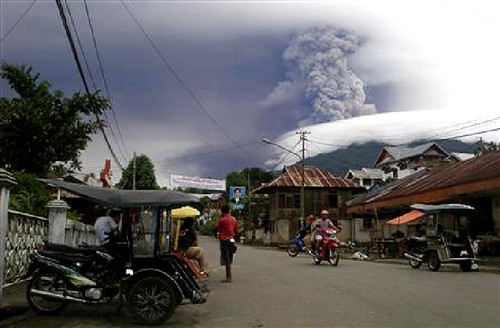
Mount Pago is a stratovolcano located on the island of New Britain in Papua New Guinea’s East New Britain province. Formed by successive layers of hardened lava, tephra, and volcanic ash, it is part of the Pacific Ring of Fire, a region known for intense seismic and volcanic activity. The volcano has a complex history of eruptions, with recent activity impacting local communities through ashfall and lava flows. Its summit features a prominent crater, often emitting fumarolic gases and steam vents rich in sulfur compounds. The volcanic rocks around Mount Pago include basaltic and andesitic compositions, indicative of its explosive eruptive style. The surrounding terrain is shaped by past lava flows and pyroclastic deposits, creating a rugged landscape that continues to evolve with each eruption. This geological dynamism makes Mount Pago a fascinating subject for both scientists and trekkers alike.
The Volcano Trek: Terrain and Hiking Experience
Trekking Mount Pago presents a diverse and challenging terrain that demands both physical fitness and careful preparation. The hike typically begins at the forested base, where dense tropical vegetation and humid conditions prevail. As the trail ascends, the landscape transitions sharply to volcanic terrain characterized by loose ash, pumice, and hardened lava rocks. Hikers encounter steep ash slopes that can be slippery and require careful footing, especially after recent eruptions when the ground is unstable. Navigating lava fields involves scrambling over jagged, uneven rocks, which tests balance and agility. The trail also features sections of exposed ridges where wind conditions can be strong and temperatures cooler, requiring appropriate clothing layers. Altitude gain of approximately 1,200 meters over a relatively short distance means trekkers must pace themselves to avoid fatigue and altitude-related discomfort. The volcanic soil is often loose, making footing uncertain, and occasional fumaroles emit sulfurous gases that can be pungent and irritating. Despite these challenges, the trek rewards hikers with striking views of the island’s diverse ecosystems and the volcano’s active crater. The contrast between the lush rainforest below and the barren volcanic summit creates a unique hiking experience that combines natural beauty with geological intrigue. Trekkers should be prepared for sudden weather changes, including tropical rain showers, and carry sufficient water and sun protection due to limited shade on the upper slopes. Overall, the terrain demands moderate hiking skills, good physical condition, and respect for the volcano’s active status.
What Makes This Volcano Trek Unique
Mount Pago stands out for its status as an active stratovolcano with recent eruptions that have shaped both the landscape and local communities. Unlike many dormant volcanoes, the ongoing volcanic activity adds an element of immediacy and excitement to the trek. The volcano’s location on New Britain Island offers a blend of tropical biodiversity and volcanic wilderness rarely found elsewhere. Trekkers experience a vivid juxtaposition of dense rainforest and stark volcanic rock, with steaming fumaroles and sulfur deposits visible near the summit. The cultural context also enriches the trek, as local communities have adapted to living alongside this powerful natural force, offering insights into resilience and traditional knowledge. This combination of active geology, challenging terrain, and cultural significance makes Mount Pago a compelling destination for adventurous hikers and geology enthusiasts.
The Summit and Crater Experience
Reaching Mount Pago’s summit is a moment of profound awe. The crater rim reveals a steaming, sulfurous landscape where fumaroles hiss and vent gases into the cool mountain air. The smell of sulfur is strong, mingling with the fresh scent of volcanic rock and tropical vegetation below. Hikers can observe the crater’s rugged walls, shaped by recent eruptions, and the glowing heat beneath the surface is palpable in some areas. The panoramic views extend across East New Britain’s lush forests and the surrounding Pacific Ocean, offering a breathtaking perspective on this volcanic island. The summit experience is both humbling and exhilarating, a direct encounter with the Earth’s inner forces that few places on the planet can match.
Best Time to Trek Mount Pago
The optimal period for trekking Mount Pago is during Papua New Guinea’s dry season, from May to October. During these months, rainfall is reduced, trails are less slippery, and weather conditions are generally more stable. Trekking outside this window increases the risk of heavy tropical rains, which can cause landslides and make volcanic ash slopes treacherous. Additionally, the dry season offers clearer skies, enhancing summit views and photography opportunities. It is important to monitor volcanic activity reports and local advisories year-round, as Mount Pago’s active status means sudden changes in volcanic behavior can occur. Early morning starts are recommended to avoid afternoon heat and potential thunderstorms. Trekkers should also consider local cultural events and community activities that may affect access or provide enriching experiences.
Trekking Routes and Trail Options
Mount Pago offers several trekking routes, with the most common starting points located near local villages on the volcano’s lower slopes. The primary route begins at a trailhead accessible by road from the provincial capital, Kokopo, and ascends through tropical forest before transitioning to volcanic terrain. This route typically takes one to two days, depending on pace and weather conditions. Guided tours often include cultural visits to nearby villages, providing a holistic experience. Alternative routes are less established and may require advanced navigation skills and local guides due to dense jungle and rugged terrain. These options appeal to experienced trekkers seeking solitude and exploration beyond the main trail. All routes involve significant altitude gain and variable terrain, including steep ash slopes and lava fields. Trekkers should arrange permits and local guides in advance, as these are required for access and safety. The presence of active volcanic hazards means that route conditions can change rapidly, and flexibility in itinerary is essential. Overall, the main trail balances accessibility with adventure, making it suitable for moderately experienced hikers.
Difficulty Assessment
Mount Pago is classified as a moderate volcano trek. The terrain includes steep ash slopes, loose volcanic rock, and sections requiring scrambling over lava fields. Altitude gain of approximately 1,200 meters over a relatively short distance demands good cardiovascular fitness and stamina. While technical climbing equipment is not typically necessary, hikers should be comfortable with uneven and unstable surfaces. Weather conditions can add to the challenge, with heat, humidity, and sudden rain showers common. The active volcanic environment requires awareness and caution but does not generally involve technical mountaineering skills. This trek is suitable for hikers with prior trekking experience and a moderate level of fitness, but beginners should consider guided tours for safety and support.
Essential Volcano Trekking Gear
Successful trekking on Mount Pago requires gear tailored to volcanic and tropical conditions. Essential items include sturdy hiking boots with excellent grip for navigating loose ash and jagged lava rocks. Trekking poles are recommended to aid balance on steep and unstable slopes. A windproof and waterproof jacket protects against sudden weather changes and tropical rain. Due to fumarolic gases, carrying a lightweight gas mask or respirator can be beneficial, especially near the crater. Sun protection is critical, including a wide-brimmed hat, sunglasses, and high-SPF sunscreen, as shade is limited on upper slopes. Hydration systems or water bottles with purification tablets ensure safe drinking water. A headlamp is useful for early morning starts or late finishes. Additional items include layered clothing for temperature variation, insect repellent for jungle sections, and a first aid kit. Packing light while ensuring safety and comfort is key for this moderate but demanding trek.
Safety and Volcanic Hazards
Trekking Mount Pago involves inherent risks associated with active volcanoes and remote tropical environments. Volcanic gases such as sulfur dioxide can cause respiratory irritation; hikers should avoid prolonged exposure near fumaroles and consider using gas masks. The crater edges may be unstable and prone to collapse, requiring caution and adherence to marked trails. Loose scree and ash slopes increase the risk of slips and falls, especially after rain. Falling rocks and sudden landslides are possible in steep sections. Volcanic eruptions, while monitored, can occur with little warning; trekkers must stay informed through local authorities and guides. Weather can change rapidly, bringing heavy rain and reduced visibility. Emergency services are limited in the region, so self-sufficiency and thorough preparation are essential. Using experienced local guides enhances safety by providing knowledge of current volcanic activity and terrain conditions. Overall, respecting the volcano’s power and following safety protocols ensures a rewarding and secure trekking experience.
Permits, Guides, and Logistics
Access to Mount Pago requires obtaining permits from local authorities, reflecting the volcano’s active status and the need for regulated trekking. Permits can be arranged through provincial offices or via reputable tour operators specializing in Papua New Guinea expeditions. Costs vary but typically include park entry fees and guide services. Hiring a local guide is strongly recommended for safety, navigation, and cultural engagement. Several established operators offer guided treks to Mount Pago, including New Guinea Natural Tours, No Roads Expeditions, Indigo Safaris, Flynn’s Tours, and PNG Foot Print Tours Ltd. These companies provide comprehensive packages covering permits, transportation, accommodation arrangements, and experienced guides familiar with volcanic hazards and local customs. Logistics involve travel to East New Britain’s capital, Kokopo, which is accessible by air from Port Moresby. From Kokopo, road transport reaches trailheads near local villages. Due to limited infrastructure, planning ahead is essential, including arranging transport, supplies, and communication devices. Trekkers should also secure comprehensive travel insurance covering medical evacuation, given the remote and potentially hazardous environment. Seasonal considerations affect accessibility, with the dry season (May to October) preferred for safer trail conditions. Overall, partnering with established tour operators ensures compliance with regulations, enhances safety, and enriches the trekking experience through local knowledge and support.
Where to Stay Near Mount Pago
Accommodation options near Mount Pago are limited but sufficient for trekking needs, primarily centered around Kokopo, the provincial capital of East New Britain. Kokopo offers a range of hotels and guesthouses catering to different budgets, including the Gazelle International Hotel, which features amenities such as a swimming pool, restaurant, and reliable Wi-Fi. For travelers seeking more local experiences, smaller guesthouses and lodges provide basic but comfortable accommodations with opportunities to engage with local culture. Closer to the volcano, village homestays offer authentic cultural immersion, though facilities are rustic and require advance arrangement through tour operators or local contacts. These homestays provide a unique chance to experience traditional lifestyles and support community-based tourism. Due to the remote nature of the trailheads, most trekkers stay in Kokopo before and after their hikes, using it as a logistical base. Transportation from Kokopo to trailheads is typically arranged by guides or tour companies, involving short drives on rural roads. Given the limited infrastructure, booking accommodations well in advance is advisable, especially during the dry season when trekking activity peaks. Overall, while lodging near Mount Pago is modest, it complements the adventurous spirit of the volcano trek and supports sustainable tourism development in the region.