

Hiking Diamond Head: A Complete Volcano Trekking Guide to Hawaii’s Iconic Tuff Cone
Diamond Head, or Lēʻahi, is a famous extinct volcanic tuff cone on Oahu, Hawaii, offering a moderately challenging hike with panoramic views of Honolulu and Waikiki. This guide covers the geological background, hiking terrain, routes, permits, logistics, and accommodation options for an unforgettable volcano trekking experience.
Quick Volcano Snapshot
| Attribute | Value |
|---|---|
| Volcano type | Tuff cone |
| Elevation | 762 feet (232 meters) |
| Location | Oahu, Hawaii, United States |
| Activity status | Extinct |
| Trekking difficulty | Easy to Moderate |
| Typical trek duration | 1.5 to 2 hours round trip |
| Altitude gain | 560 feet (170 meters) |
| Terrain type | Paved paths, volcanic tuff surface, stairs, tunnels |
| Best season | Year-round, best early morning or late afternoon |
| Temperature range | 70°F to 85°F (21°C to 29°C) |
| Permit requirement | Reservation required for non-residents; $5 entry fee and $10 parking fee |
Introduction: The Experience of Hiking Diamond Head
Approaching Diamond Head, the iconic tuff cone rises dramatically against the Hawaiian sky, its broad crater rim framing sweeping views of the Pacific Ocean and Honolulu’s skyline. The trail invites hikers into a landscape shaped by fiery eruptions hundreds of thousands of years ago, where the contrast between the rugged volcanic terrain and lush island life creates a unique atmosphere. As you ascend the steep paths and climb the historic stairways, the anticipation builds until you reach the summit. Here, the panorama unfolds in every direction — the shimmering ocean, the bustling city below, and the vast crater itself. The experience is both humbling and exhilarating, a vivid reminder of the island’s volcanic origins and natural beauty.
The Volcano Itself: Geological Background
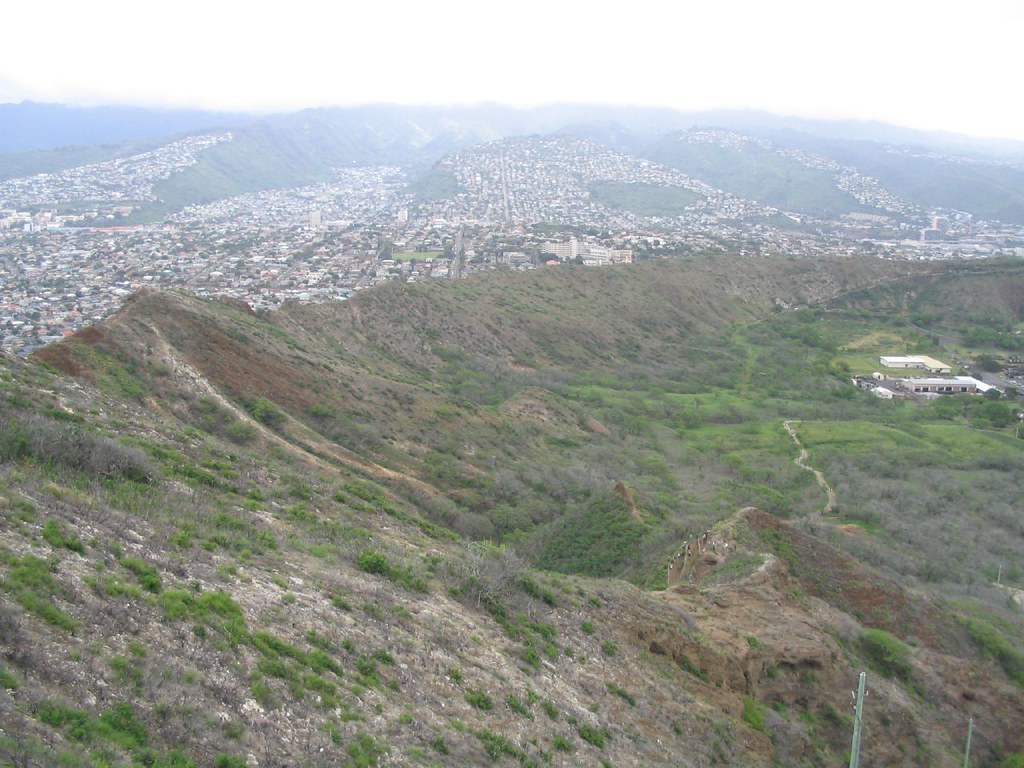
Diamond Head, known to Hawaiians as Lēʻahi, is a volcanic tuff cone formed approximately 300,000 to 500,000 years ago during the Honolulu Volcanic Series. This series of eruptions occurred long after the main Koʻolau Volcano had gone dormant. The explosive eruption that created Diamond Head sent ash and fine volcanic particles into the air, which settled and cemented into the tuff rock that forms the crater walls seen today. Unlike typical shield volcanoes of Hawaii, Diamond Head’s formation is marked by this single, violent event, resulting in its distinctive broad, saucer-shaped crater measuring about 3,520 feet in diameter. The crater’s interior features hardened ash layers, fumaroles, and calcite crystals that once misled British sailors into naming it “Diamond Head.” The volcanic landscape also includes remnants of military bunkers and tunnels, reflecting its strategic use in the early 20th century.
The Volcano Trek: Terrain and Hiking Experience
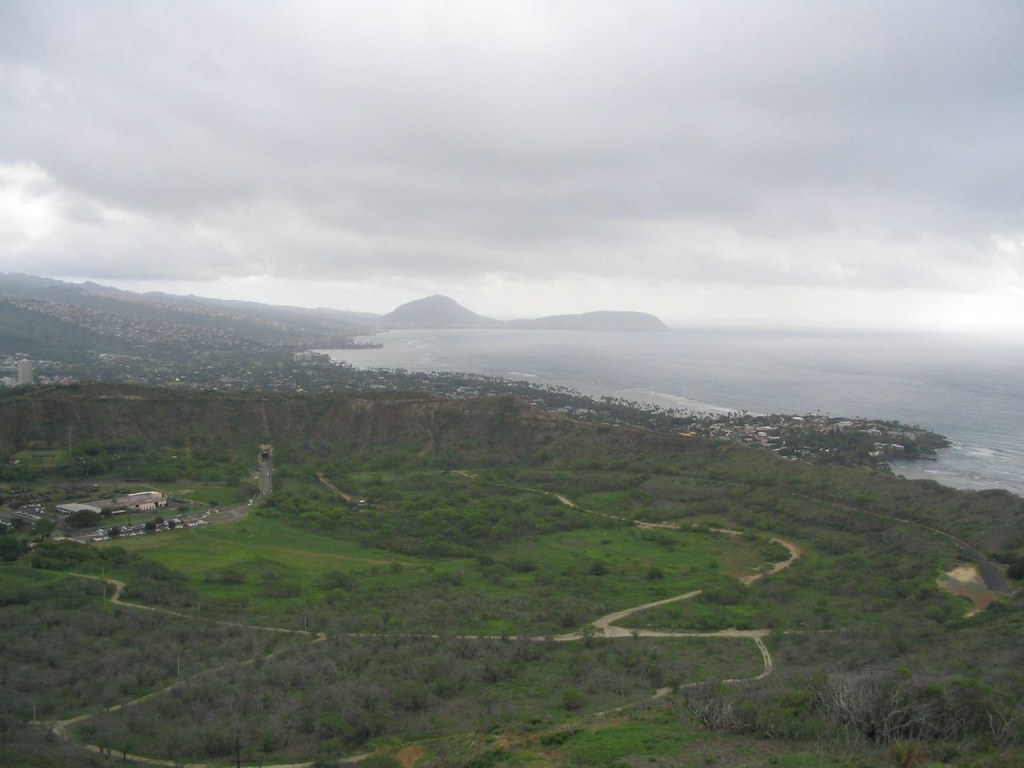
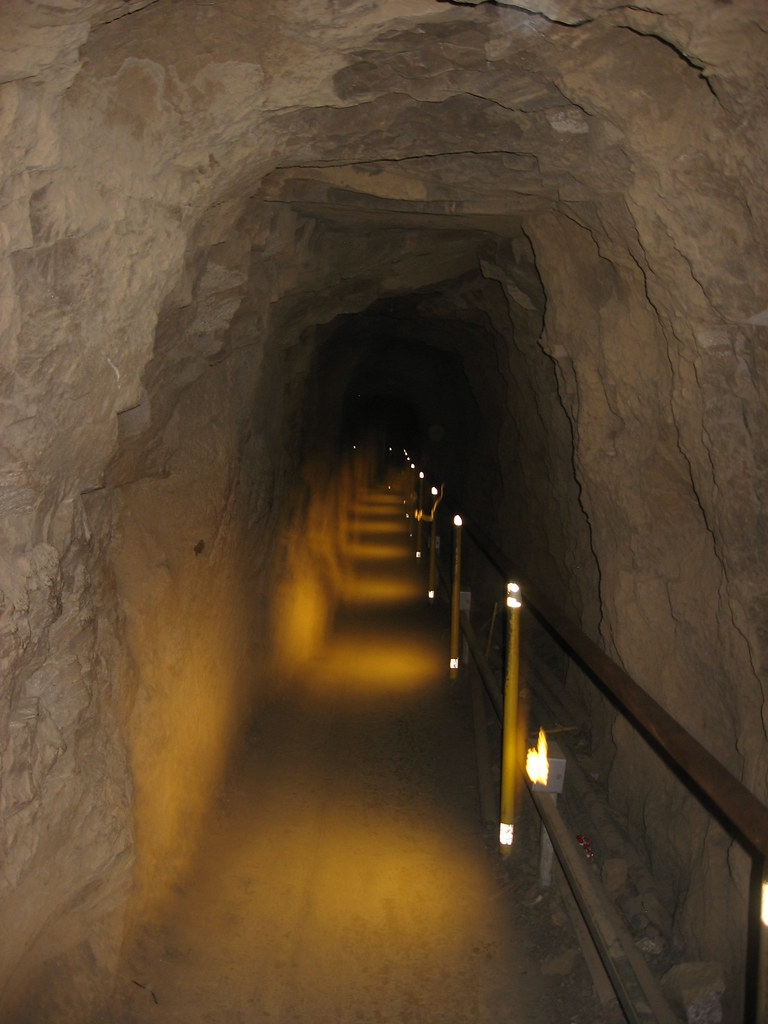
The hike up Diamond Head is a rewarding blend of natural beauty and historical intrigue. Starting at the crater floor, the trail begins with a paved, gently rolling path that offers early glimpses of the crater’s interior and the surrounding coastline. As you progress, the terrain shifts to a natural volcanic tuff surface, which can be uneven and loose underfoot, requiring careful footing. The trail zigzags up steep switchbacks carved into the crater wall, challenging hikers with a steady elevation gain of 560 feet over 0.8 miles. Along the way, hikers encounter a series of stairs — the first flight includes 76 concrete steps ascending the lava rock slope, followed by a 225-foot tunnel carved through the volcanic rock that is dimly lit and narrow, adding an adventurous element to the climb. Emerging from the tunnel, another set of 99 stairs leads to a loop trail around the summit area. The final ascent involves steep metal steps and a short stone path to the summit platform. The terrain demands moderate fitness, as the steep sections and stairs can be taxing, especially in Hawaii’s warm climate. Wind conditions near the summit can be brisk, and temperatures vary from warm at the base to cooler breezes at the top. The trail is well-maintained but includes uneven surfaces and exposed sections, so sturdy hiking shoes with good grip are essential. The hike typically takes 1.5 to 2 hours round trip, allowing time for rest and photography. Despite its moderate difficulty, the trail is accessible to a wide range of hikers, including families and older visitors, provided they pace themselves and stay hydrated. The volcanic terrain offers a tactile connection to the island’s fiery past, with the tuff rock’s texture and color changing subtly along the route. The trail also passes historical military installations, including bunkers and observation posts, enriching the hiking experience with cultural context. Overall, the Diamond Head hike is a compact but immersive volcano trek that combines geological wonder, physical challenge, and breathtaking vistas.
What Makes This Volcano Trek Unique
Diamond Head stands out as a volcanic trek due to its iconic tuff cone formation, which is rare compared to the more common shield volcanoes in Hawaii. Its proximity to the bustling city of Honolulu and Waikiki Beach creates a striking juxtaposition between urban life and volcanic wilderness. The trail’s historical significance as part of Oahu’s coastal defense system adds a unique cultural layer, with preserved military bunkers and tunnels along the route. The panoramic summit views encompass not only the Pacific Ocean and Honolulu’s skyline but also the vast crater floor, offering a 360-degree perspective that few volcano hikes can match. The relatively short and accessible trail makes it an ideal volcano trek for a wide range of visitors, from casual hikers to geology enthusiasts. Additionally, the volcanic calcite crystals that inspired its name and the dramatic stair and tunnel sections provide a distinctive hiking experience.
The Summit and Crater Experience
Reaching the summit of Diamond Head is a moment of awe and accomplishment. The platform atop the crater rim reveals sweeping views of Waikiki Beach, the Honolulu skyline, and the endless Pacific Ocean stretching to the horizon. The crater itself, a vast circular depression 3,520 feet wide, lies below, its tuff walls glowing warmly in the sunlight. The air carries a faint scent of earth and salt from the nearby sea. At the summit, remnants of the 1911 Fire Control Station and military bunkers stand as silent witnesses to the island’s strategic past. The soundscape is dominated by the ocean breeze and the distant hum of city life, creating a serene yet dynamic atmosphere. Photographers find the summit ideal for capturing sunrise or sunset shots, with the golden light enhancing the volcanic textures and ocean hues. The experience is both sensory and reflective, connecting hikers to the geological forces that shaped the island and the human history intertwined with this natural monument.

Best Time to Trek Diamond Head
Diamond Head can be hiked year-round due to Hawaii’s mild climate, but the best times are early morning or late afternoon to avoid midday heat and crowds. Sunrise hikes offer cooler temperatures and spectacular lighting for photography, while late afternoon treks provide softer light and often fewer hikers. The trail can become hot and exposed during midday, so sun protection and hydration are essential. Rain is infrequent but possible, so checking the weather forecast is advisable. The park requires reservations for non-residents, which helps manage visitor numbers and enhances the hiking experience. Seasonal considerations include occasional trade winds that can increase wind chill near the summit. Overall, planning your hike during cooler parts of the day and securing a reservation in advance will ensure the most enjoyable visit.
Trekking Routes and Trail Options
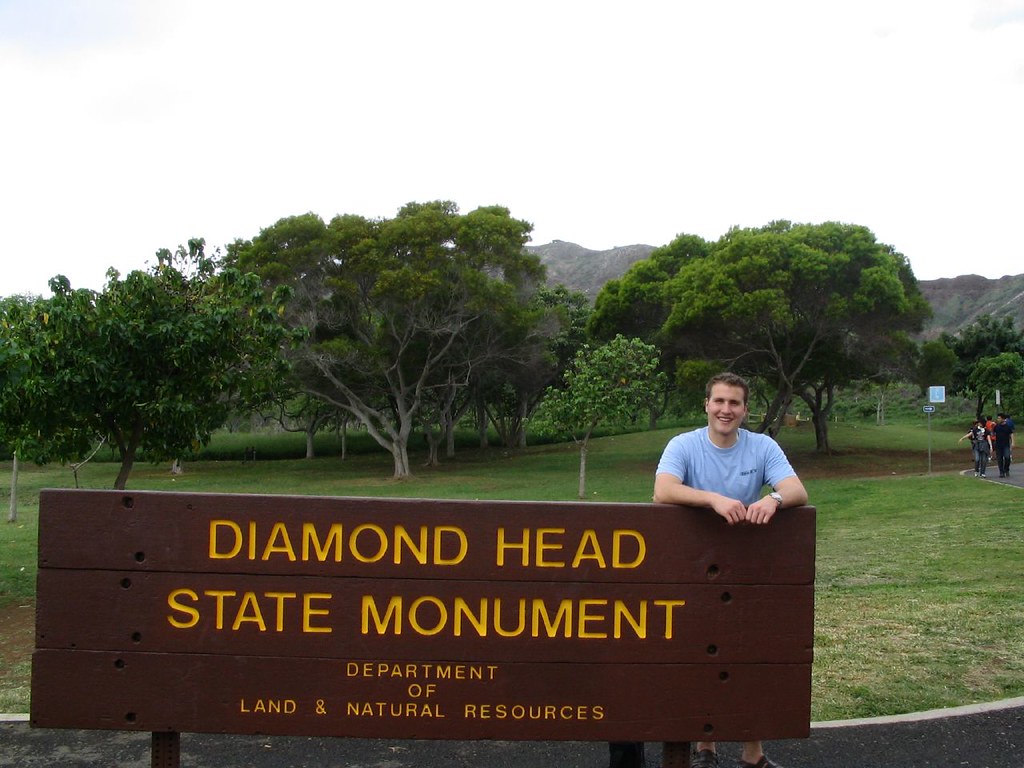
The primary and only official hiking route to the summit of Diamond Head is the Diamond Head Summit Trail, a 0.8-mile path ascending 560 feet from the crater floor to the summit. The trailhead is located inside Diamond Head State Monument, accessible via Diamond Head Road near Waikiki. This trail is a loop at the summit, allowing hikers to ascend via the main path and descend via a loop trail that passes additional lookout points and military bunkers. The trail includes paved sections, natural tuff surfaces, stairs, and a tunnel. There are no alternative routes or side trails within the monument. Guided tours are available through several local operators, offering shuttle services from Waikiki and expert commentary on the geology and history of the crater. Self-guided hikes are popular and well-supported with signage and an optional audio tour available for purchase. The trail is well-marked and maintained, making navigation straightforward. Visitors should note that reservations are required for entry, and parking is limited, so planning ahead is essential. The trail’s moderate difficulty and short length make it suitable for most visitors, though those with mobility challenges should be aware that the trail is not ADA accessible due to steep and uneven sections.
Difficulty Assessment
Diamond Head’s hike is classified as an easy to moderate volcano trek. The trail’s length of 1.6 miles round trip and elevation gain of 560 feet make it accessible to most hikers with a reasonable level of fitness. The main challenges are the steep switchbacks, uneven volcanic surfaces, and two flights of stairs totaling 175 steps. The tunnel section requires careful footing but is well-lit. The trail’s short distance and well-maintained path reduce technical difficulty, but the steepness and heat can increase exertion. It is not a technical mountaineering route and requires no specialized equipment beyond sturdy footwear. Beginners can complete the hike comfortably by pacing themselves and taking breaks. The trail is family-friendly, though very young children or those with mobility issues may find some sections difficult. Overall, it is an ideal introductory volcano hike offering rewarding views without extreme physical demands.
Essential Volcano Trekking Gear
For hiking Diamond Head, essential gear includes sturdy hiking shoes or trail runners with good grip to navigate uneven volcanic surfaces and stairs safely. Trekking poles are optional but can aid balance on steep sections. Sun protection is critical: wear a wide-brimmed hat, sunglasses, and apply reef-safe sunscreen to protect from strong tropical sun exposure. Carry at least one liter of water per person to stay hydrated, especially during warmer parts of the day. Lightweight, breathable clothing is recommended to manage heat and sweat. A small backpack to carry water, snacks, and personal items is useful. A headlamp or flashlight is not necessary for the trail but may be helpful if hiking early morning or late evening. A camera or smartphone is recommended to capture the stunning summit views. Gas masks or respirators are not needed as the volcano is extinct and emits no hazardous gases. Finally, bring a light windbreaker or jacket for cooler conditions near the summit or during breezy weather.
Safety and Volcanic Hazards
Diamond Head is an extinct volcano, so there are no active volcanic hazards such as eruptions or toxic gases. However, hikers should be aware of trail-specific safety concerns. The steep and uneven terrain can lead to slips or falls, especially on loose volcanic tuff or stairs. The tunnel section is narrow and dimly lit, requiring caution. Exposure to strong sun and heat can cause dehydration or heat exhaustion; adequate hydration and sun protection are essential. Wind near the summit can be strong, affecting balance. The trail is closed daily at 6 p.m., and all visitors must exit by this time for safety. The park is monitored by the Hawaii Division of State Parks, which provides updated trail conditions and enforces reservation requirements to manage visitor safety and environmental impact. Emergency services are accessible from the park entrance. Visitors should stay on designated trails to protect fragile ecosystems and avoid unstable crater edges. Overall, with proper preparation and caution, hiking Diamond Head is a safe and enjoyable experience.
Permits, Guides, and Logistics
Access to Diamond Head State Monument requires advance reservations for all non-resident visitors. Reservations can be made online up to 30 days in advance through the official Hawaii State Parks reservation system. The entry fee is $5 per person, with an additional $10 parking fee per vehicle if parking is needed. Hawaii residents with valid state ID are exempt from fees and reservations but parking is limited and on a first-come, first-served basis. Visitors must arrive within the first 30 minutes of their reservation time slot; late arrivals may be denied entry without refund. The park is open from 6 a.m. to 6 p.m., and all visitors must exit by closing time. Walk-in visitors without reservations are not permitted. Several registered tour operators offer guided hikes and shuttle services, including Oahu Adventures, Shore Excursions Group, Hawaii Tours, and Camping Tourist. These tours often include transportation from Waikiki, expert guides providing geological and historical insights, and sometimes combined excursions to nearby attractions like Manoa Falls. The trailhead is accessible by car, taxi, or public transportation, but parking is limited, making shuttle tours a convenient option. Facilities at the crater floor include restrooms, a visitor center, an interpretive kiosk, and a small gift shop. Hikers should bring water, wear appropriate footwear, and prepare for sun exposure. The reservation system helps manage visitor numbers to reduce congestion and protect the fragile volcanic environment. For the latest information and to book reservations, visit the official Diamond Head State Monument website.
Where to Stay Near Diamond Head
Diamond Head is located just a 10-minute drive from Waikiki, Honolulu’s premier tourist district, offering a wide range of accommodation options suitable for all budgets. Popular luxury hotels include the Moana Surfrider, Royal Hawaiian, and the Halekulani, all providing oceanfront views and upscale amenities within easy reach of the trailhead. Mid-range travelers can find comfortable stays at the Aqua Waikiki Wave or the Aston Waikiki Beach Hotel, which offer convenient access to both the beach and Diamond Head. Budget-conscious visitors may opt for hostels or guesthouses such as the Polynesian Hostel Beach Club or the Waikiki Beachside Hostel, providing affordable lodging close to public transport routes. Several vacation rentals and boutique hotels are also available in the surrounding neighborhoods of Kaimuki and Kapahulu, offering a quieter atmosphere while remaining close to the volcano. Many accommodations provide shuttle services or easy access to public buses that connect to Diamond Head State Monument. For those seeking a more immersive experience, eco-friendly lodges and small inns near the crater floor are limited but can be found with advance booking. Visitors are advised to book accommodations early, especially during peak tourist seasons, to ensure proximity to the trailhead and availability. Staying in Waikiki or nearby neighborhoods offers the dual benefit of enjoying Honolulu’s vibrant dining and entertainment scene alongside easy access to Diamond Head’s natural and historical attractions.

![Saleaula Lava Fields volcano trek - Lava Church at Saleaula [DSC_3278]](https://volcanohiking.com/wp-content/uploads/2026/03/01-lava-church-at-saleaula-dsc-3278.jpg)