
Mount Gharat Volcano Trekking Guide: Exploring Vanuatu’s Active Complex Volcano
Mount Gharat, an active complex volcano on Gaua Island in Vanuatu, offers a demanding trek through lush rainforests, volcanic landscapes, and around the stunning Lake Letas. This guide covers geological insights, trekking routes, safety, permits, and accommodation options for an unforgettable volcanic adventure.
Quick Volcano Snapshot
| Attribute | Value |
|---|---|
| Volcano type | Complex volcano |
| Elevation | 797 m |
| Location | Gaua Island, Vanuatu |
| Activity status | Active |
| Trekking difficulty | Demanding |
| Typical trek duration | 1 to 3 days |
| Altitude gain | Approx. 700 m |
| Terrain type | Lush rainforest, volcanic rock, crater lake, ash slopes |
| Best season | Dry season (May to October) |
| Temperature range | 20°C to 30°C |
| Permit requirement | Required; local guides recommended |
Introduction: The Experience of Hiking Mount Gharat
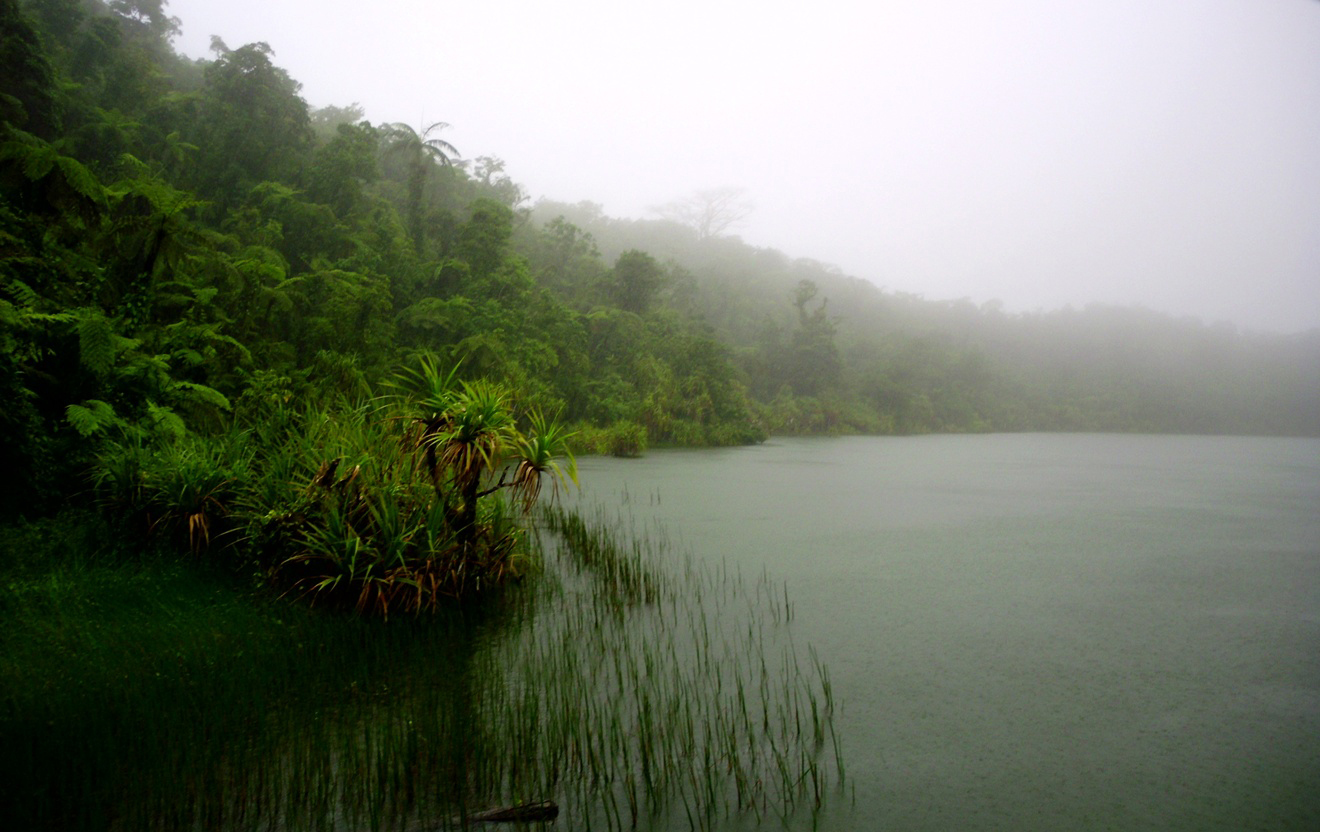
Approaching Mount Gharat, the air thickens with the scent of volcanic steam and the lush greenery of Gaua Island’s rainforest envelops you. The trek is a vivid journey through contrasting worlds — from dense tropical foliage to stark volcanic terrain. As you ascend, the landscape shifts dramatically, revealing the raw power of the Earth beneath your feet. The sight of Lake Letas, a vast freshwater crater lake encircling the volcano, adds a serene contrast to the rugged volcanic slopes. Reaching the summit, the panorama unfolds with views of steaming vents and the crater’s mysterious depths, evoking a profound connection to the planet’s fiery heart.
Geological Background of Mount Gharat
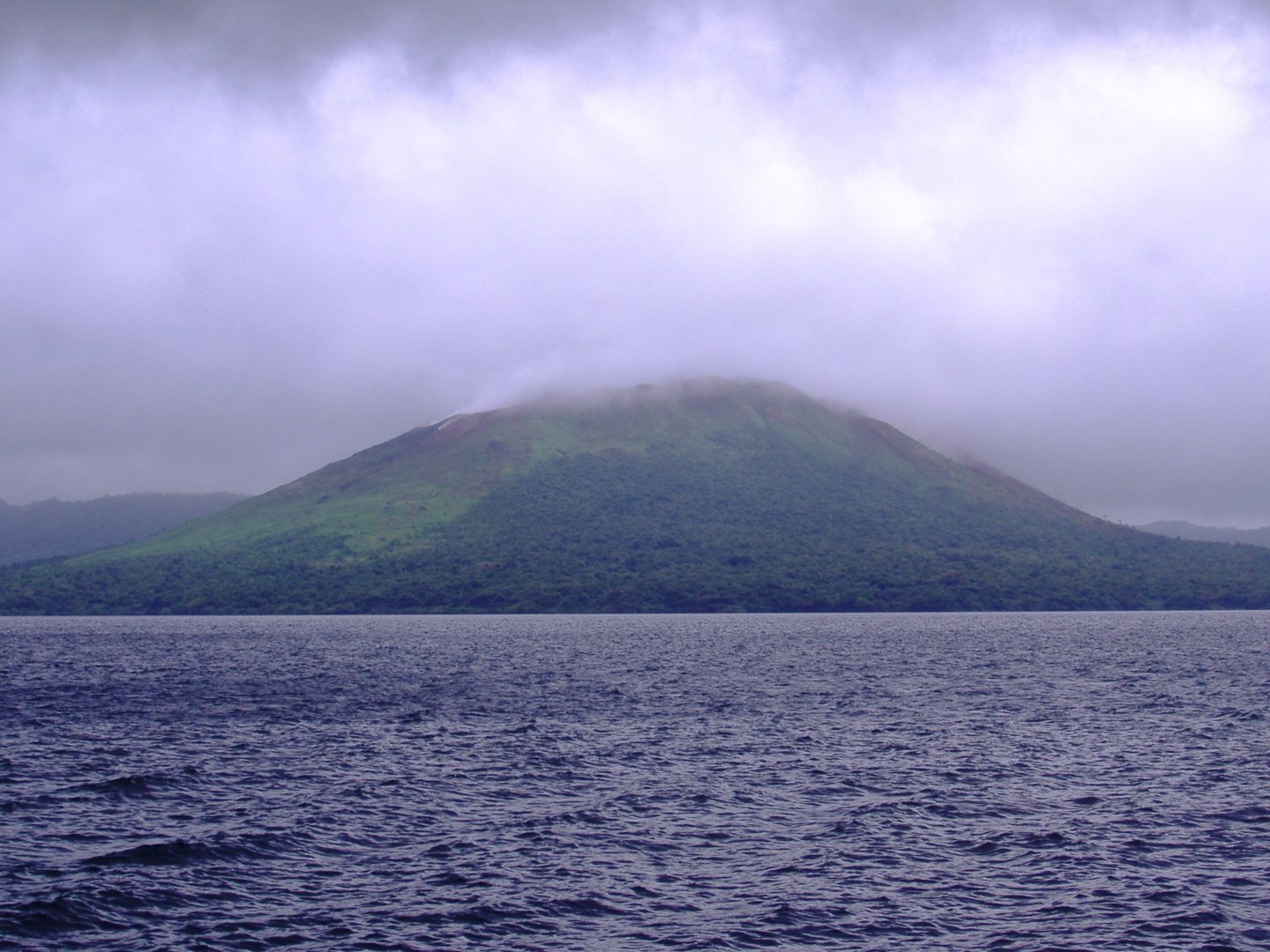
Mount Gharat is a complex volcano located at the center of Gaua Island in the Banks Islands of northern Vanuatu. Rising to 797 meters, it is the island’s highest peak and remains volcanically active. The volcano is surrounded on nearly all sides by Lake Letas, a large freshwater crater lake formed by past volcanic activity. Mount Gharat’s formation is the result of multiple eruptive phases that have created a somma volcano structure, characterized by a caldera partially filled by the lake. Its slopes display distinct lava flows and volcanic ash deposits from recent eruptions. The volcano regularly emits steam and volcanic gases, with fumaroles and sulfur deposits marking its active zones. This dynamic geological environment offers a fascinating glimpse into the ongoing processes shaping volcanic islands in the South Pacific.
The Volcano Trek: Terrain and Hiking Experience
The trek to Mount Gharat is a demanding adventure that challenges hikers with a variety of terrains and climatic conditions. Beginning in the lowland rainforest, the trail winds through dense vegetation, where humidity is high and the air is rich with the sounds of tropical wildlife. The path is often muddy and slippery, especially after rain, requiring sturdy hiking boots with good grip. As you gain elevation, the forest thins and volcanic soil and rock dominate the landscape. The terrain becomes rugged with loose volcanic ash, sharp lava rocks, and occasional steep slopes that test your balance and endurance. Near the crater, the ground is uneven and can be unstable due to ongoing volcanic activity, so careful footing is essential. The trail also includes canoeing across Lake Letas, adding a unique aquatic element to the trek. Altitude effects are mild but noticeable, with temperatures dropping and winds increasing near the summit. The combination of tropical heat, volcanic terrain, and physical exertion makes this trek suitable only for well-prepared and fit adventurers. Guides tailor the pace to individual fitness levels, ensuring safety while allowing you to fully absorb the dramatic volcanic environment. The reward is an immersive experience through one of Vanuatu’s most spectacular natural landscapes, where every step reveals new geological features and breathtaking views.

What Makes the Mount Gharat Trek Unique
Mount Gharat stands out for its active volcanic nature combined with the lushness of a tropical island environment. Unlike many volcano treks that focus solely on barren lava fields, this trek offers a rare blend of dense rainforest, freshwater crater lake, and steaming volcanic vents. The presence of Lake Letas surrounding the volcano’s base creates a striking visual and ecological contrast. The volcano’s activity is evident through fumaroles and sulfurous gases, providing a tangible sense of Earth’s power. Additionally, the cultural significance of Mount Gharat to local Ni-Vanuatu communities enriches the experience, as guides share stories and traditions linked to the volcano. The opportunity to canoe across the crater lake and camp near the volcano adds adventure and intimacy to the journey. This combination of active geology, vibrant ecosystems, and cultural depth makes Mount Gharat a truly unique volcano trekking destination.
The Summit and Crater Experience
Reaching the summit of Mount Gharat is a moment of awe and reflection. From the crater rim, hikers peer into a steaming volcanic heart where gases escape in hissing vents and the earth’s heat radiates beneath their feet. The sulfurous smell is sharp and unmistakable, a reminder of the volcano’s living nature. The crater’s rugged edges offer panoramic views of Lake Letas encircling the volcano and the surrounding island’s lush greenery. The wind at the summit can be brisk, carrying the sounds of escaping gases and distant bird calls. This sensory immersion — the heat, the smell, the sights — creates a powerful connection to the planet’s inner forces. It is a place where the rawness of volcanic activity meets the tranquility of island life, leaving a lasting impression on every visitor.
Best Time to Trek Mount Gharat
The ideal time to trek Mount Gharat is during Vanuatu’s dry season, from May to October. During these months, rainfall is lower, trails are less muddy, and weather conditions are more stable, making the challenging terrain safer and more enjoyable. The dry season also offers clearer skies, enhancing visibility from the summit and improving photographic opportunities. Trekking outside this window risks encountering heavy tropical rains, slippery paths, and increased volcanic gas emissions due to atmospheric conditions. It is essential to check current volcanic activity reports before planning your trek, as Mount Gharat is active and may have temporary access restrictions. Early morning starts are recommended to avoid midday heat and to experience the volcano in the calm of dawn. Seasonal considerations also include local cultural events, which can enrich your visit if timed appropriately.
Trekking Routes and Trail Options
Mount Gharat offers flexible trekking options ranging from day hikes to multi-day expeditions. The most common route begins at the village near the island’s airstrip, proceeding through tropical rainforest towards Lake Letas. From here, trekkers can choose to canoe across the lake to the volcano’s base or circumnavigate it on foot. The full ascent to the summit typically takes between one and three days, depending on fitness and itinerary preferences. Local guides such as Larry Aris, Victor Wetias, and Joses Kauvaka offer tailored tours that accommodate different paces and interests. Overnight camping near the lake or at designated sites on the volcano allows for a more immersive experience. The trail includes steep sections with loose volcanic ash and rocky outcrops, requiring careful navigation. Alternative routes may incorporate visits to nearby natural attractions like Siri Waterfall or cultural sites, extending the trek’s scope. Self-guided trekking is possible but not recommended due to the challenging terrain and cultural protocols; hiring accredited local guides ensures safety and enriches the journey with local knowledge.
Difficulty Assessment
Mount Gharat’s trek is classified as a demanding volcano ascent. The trail’s steep gradients, loose volcanic ash, and rugged lava rock require good physical fitness, surefootedness, and endurance. The tropical climate adds heat and humidity challenges, while the volcanic terrain demands careful attention to footing to avoid slips and falls. Altitude is moderate at 797 meters but can still affect some hikers, especially combined with the physical exertion and humidity. The trek is not technical mountaineering but involves strenuous hiking over uneven and sometimes unstable ground. It is recommended for experienced hikers or those accustomed to tropical trekking conditions. Guides often tailor the pace to individual ability, but preparation with appropriate gear and fitness training is essential. Children under 10 years are generally advised against attempting the climb due to its difficulty.
Essential Volcano Trekking Gear
For trekking Mount Gharat, essential gear includes sturdy hiking boots with excellent grip to handle slippery volcanic ash and rocky terrain. Trekking poles are highly recommended to aid balance on steep and uneven paths. Lightweight, breathable clothing suitable for tropical climates, along with a waterproof jacket for sudden rain, is necessary. Sun protection such as a wide-brimmed hat, sunglasses, and high-SPF sunscreen is crucial due to limited shade on volcanic slopes. Insect repellent helps guard against tropical bugs in the rainforest sections. A headlamp is useful for early starts or camping. Carry sufficient water and a hydration system to stay well-hydrated. A small first aid kit, including blister treatment, is advised. For volcanic gas exposure, a lightweight respirator or mask can be considered, especially near fumaroles. Waterproof bags or dry sacks protect electronics and valuables from rain and humidity. Finally, a camera with spare batteries is recommended to capture the stunning landscapes.
Safety and Volcanic Hazards
Mount Gharat is an active volcano, and safety is paramount when trekking its slopes. Volcanic hazards include sudden emissions of toxic gases such as sulfur dioxide, unstable ground near fumaroles, and the risk of rockfalls or landslides on loose volcanic ash. Weather can change rapidly, increasing risks of slips and exposure. It is essential to monitor volcanic activity reports from local authorities and adhere strictly to any access restrictions or warnings. Trekking with accredited local guides is strongly recommended, as they are familiar with current conditions and emergency procedures. Hikers should avoid venturing too close to active vents and respect marked boundaries. Carrying a gas mask or respirator is advisable if planning to approach fumarole areas. Adequate preparation for tropical conditions, including hydration and protection from insects, reduces health risks. Emergency communication can be limited on Gaua Island, so informing others of your itinerary and expected return is critical. Overall, respecting the volcano’s power and following expert guidance ensures a safe and rewarding experience.
Permits, Guides, and Logistics for Mount Gharat Trekking
Trekking Mount Gharat requires obtaining permits and hiring local accredited guides, as the volcano is active and culturally significant to the Ni-Vanuatu communities. Permits are managed through local authorities and tour operators, ensuring visitor safety and environmental protection. Costs vary depending on the length of the trek and services included but typically cover guide fees, park entry, and canoe transport across Lake Letas. Seven accredited guides operate on Gaua Island, including well-known names such as Larry Aris, Victor Wetias, and Joses Kauvaka, who tailor the trek pace to visitor fitness and preferences. Booking in advance through operators like Wrecks to Rainforest Tours, Vanuatu Ecotours, or Book Me Vanuatu is recommended to secure availability and support local livelihoods. Logistics include arranging transport to Gaua Island, usually via domestic flights from Port Vila or Luganville, followed by walking or local transport to the trailhead, as vehicles are scarce on the island. Trekkers should prepare for self-sufficiency in food, water, and camping gear if undertaking multi-day trips. Guides provide essential cultural interpretation, navigation, and safety oversight, making their role indispensable. Visitors are advised to check current volcanic activity levels and government advisories before planning their trek, as access may be restricted during heightened activity. Overall, the combination of permit compliance, expert guiding, and careful logistical planning ensures a safe and culturally respectful adventure on Mount Gharat.
Where to Stay and Nearby Bases for Mount Gharat Trekking
Accommodation options on Gaua Island near Mount Gharat are limited but offer authentic local experiences. Wongrass Bungalow, owned by Charles and Angela, is the closest lodging to the island’s airstrip and serves as a popular base for trekkers. It features communal dining, cold water showers, flush toilets, and provides all meals, accommodating up to 11 guests in four rooms. The bungalow is known for its warm hospitality and local knowledge, making it ideal for organizing guided treks. Camping near Lake Letas or at designated sites on the volcano is common for multi-day treks, allowing immersive nature experiences. Due to the island’s limited infrastructure, visitors should bring necessary camping gear, food, and water purification supplies. There are no vehicle services on Gaua, so all travel is on foot or by canoe. For those seeking more comfort, accommodations on larger islands like Efate or Santo are available but require additional travel. Booking through local tour operators often includes accommodation arrangements and transfers. Staying in village guesthouses provides cultural insight and supports local communities. Overall, while facilities are basic, the proximity to trailheads and the authentic island atmosphere make these bases perfect for adventurous travelers seeking to explore Mount Gharat.