
Mount Alava Volcano Trekking Guide: Exploring Samoa’s Scenic Stratovolcano Ridge
Mount Alava, a dormant stratovolcano on Upolu Island, Samoa, offers a challenging yet rewarding trek through lush rainforest and rugged ridgelines. This guide covers the geological background, detailed hiking experience, routes, safety, permits, and accommodation options near Pago Pago Harbor.
Quick Volcano Snapshot
| Attribute | Value |
|---|---|
| Volcano type | Stratovolcano |
| Elevation | 1,610 ft (491 m) |
| Location | Upolu Island, Samoa |
| Activity status | Dormant |
| Trekking difficulty | Moderate |
| Typical trek duration | 4 to 5 hours round trip |
| Altitude gain | 1,600 ft (490 m) |
| Terrain type | Tropical rainforest, dirt, rock, mud, ridgeline with ladders and steps |
| Best season | May to October (Dry Season) |
| Temperature range | 66°F to 85°F (19°C to 29°C) |
| Permit requirement | No formal permit required; local parking permit may be needed |
The Experience of Hiking Mount Alava
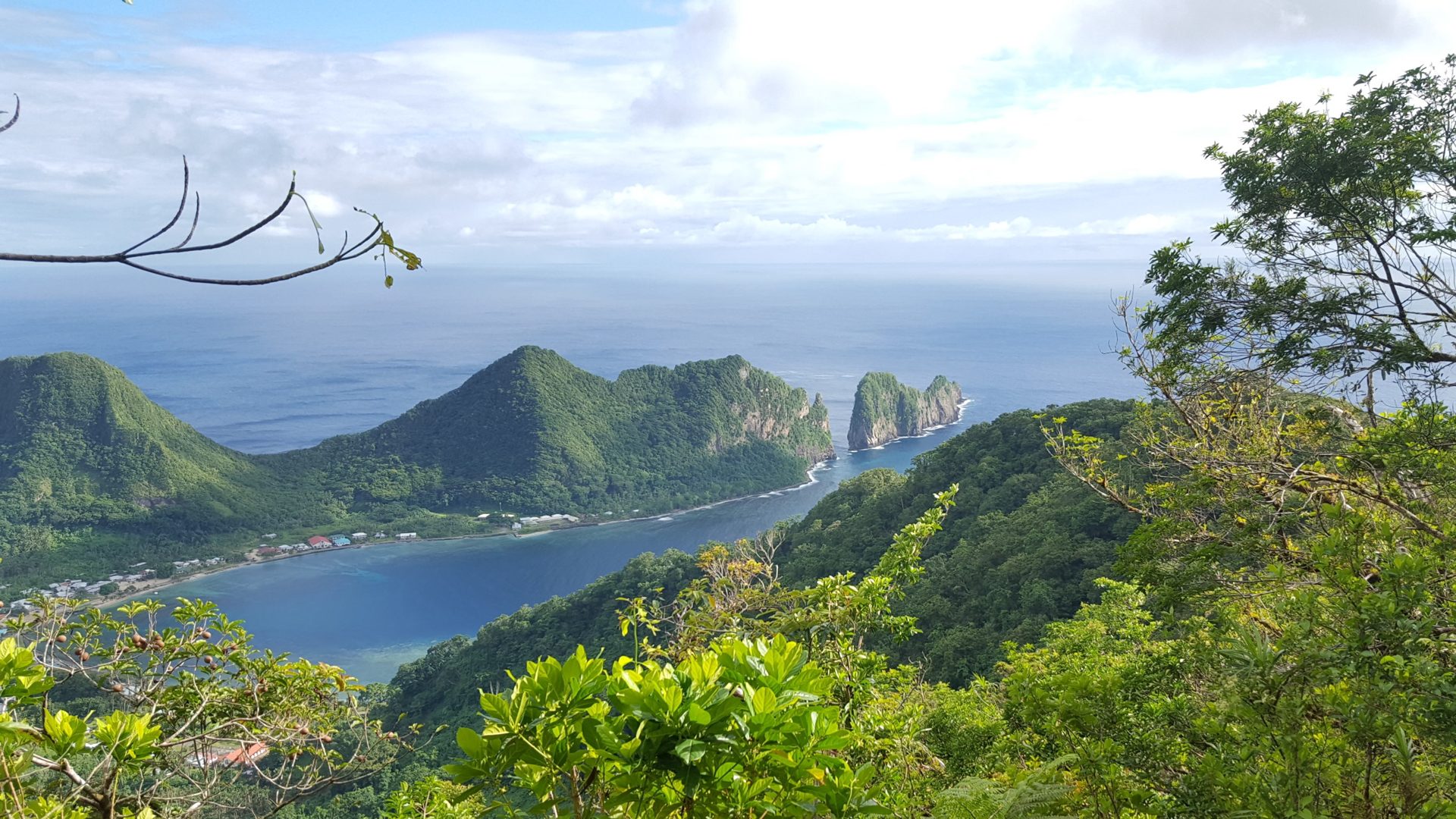
Hiking Mount Alava immerses you in a dramatic volcanic landscape framed by lush tropical rainforest. The trail ascends a rugged ridgeline, where the dense canopy gives way to sweeping views of Pago Pago Harbor and the surrounding coastline. The air is thick with the scent of damp earth and wildflowers, while the calls of native birds and fruit bats accompany your ascent. The contrast between the vibrant greenery and the volcanic rock underfoot creates a vivid sense of geological power. Reaching the summit rewards you with panoramic vistas that stretch across the island and beyond, offering a profound connection to the natural forces that shaped this land.
Geological Background of Mount Alava
Mount Alava is a dormant stratovolcano located on Upolu Island in Samoa, rising to an elevation of 1,610 feet (491 meters). It forms part of the Pago Volcano caldera rim, a significant volcanic feature in the region. Stratovolcanoes like Mount Alava are characterized by layered deposits of hardened lava, tephra, and volcanic ash, built up through successive eruptions over time. Although currently dormant, the volcano’s geological history includes the formation of rugged ridgelines and steep slopes shaped by volcanic activity and erosion. The summit area features remnants of old tramway infrastructure and communication towers, reflecting human interaction with this volcanic landscape. The surrounding rainforest thrives on the rich volcanic soils, supporting diverse flora and fauna. The volcanic terrain offers a unique window into the island’s dynamic geological past.
Terrain and Hiking Experience on Mount Alava
The Mount Alava Trail is a challenging yet accessible trek that spans approximately 7 miles (11.3 km) round trip, with an elevation gain of about 1,600 feet (490 meters). The trail begins at Fagasa Pass and follows a winding ridgeline through dense tropical rainforest. Early sections of the trail feature shaded paths with moist earth, rocks, and occasional muddy patches, reflecting the island’s humid climate. Hikers will encounter a variety of terrain types, including dirt trails, rocky outcrops, and slippery mud, especially after rain. The trail’s grade varies, with typical slopes around 15% and maximum inclines reaching 25%, demanding steady effort and good balance. One of the trail’s distinctive features is the series of ladders and carved steps—over 50 ladders and nearly 800 steps—that help hikers navigate steep ridges and rocky sections. These ladders require careful footing and may be challenging for those with a fear of heights or limited agility. The trail is double-wide in many sections but can become overgrown with tall grass and native plants, requiring attention to footing. The ridge walk offers dramatic exposure with steep drop-offs on both sides, providing breathtaking views but also necessitating caution. Weather conditions can change rapidly; hikers should be prepared for heat, humidity, and sudden rain showers. The trail’s tropical environment supports a rich ecosystem, including fruit bats, native birds, and diverse plant species, enhancing the hiking experience with natural sounds and sights. The final ascent includes a series of old stairs leading to the summit platform, where panoramic views of Pago Pago Harbor and the island’s volcanic landscape await. Overall, the terrain challenges hikers physically and mentally, rewarding them with immersive natural beauty and geological intrigue.
What Makes the Mount Alava Trek Unique
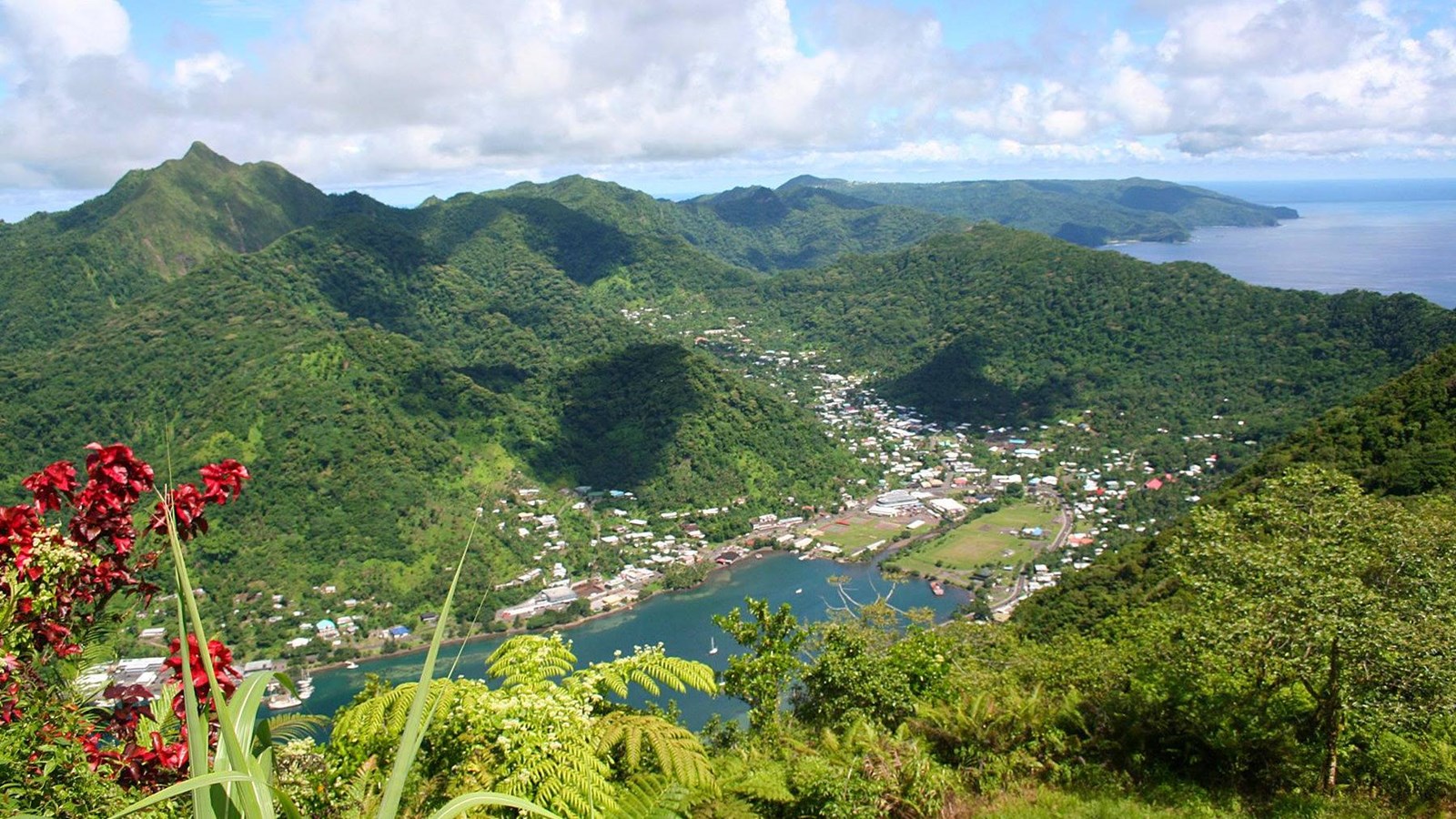
Mount Alava’s trek stands out for its combination of tropical rainforest immersion and exposed volcanic ridgeline hiking. The trail’s ladders and carved steps provide a distinctive climbing experience rarely found in Pacific island hikes. The route passes historic World War II radio installations and remnants of a 1960s television transmitter, adding cultural and historical depth to the natural adventure. The summit offers unparalleled 360-degree views of Pago Pago Harbor, the lush valleys below, and distant island peaks, including glimpses of Western Samoa and the Manuʻa Islands on clear days. The trail’s blend of dense canopy, volcanic rock, and panoramic vistas creates a dynamic contrast that captivates hikers. Additionally, the trail’s accessibility via local public transport and its low-cost nature make it an attractive option for backpackers and adventure travelers seeking a rewarding volcanic ridge walk.
Summit and Crater Experience on Mount Alava
Reaching the summit of Mount Alava is a moment of triumph and awe. The observation platform at the top provides sweeping panoramic views of Pago Pago Harbor, the surrounding rainforest valleys, and the volcanic island landscape. The air is fresh and often breezy, carrying the subtle scent of tropical vegetation and earth. From this vantage point, hikers can appreciate the vastness of the Pacific Ocean and the intricate patterns of the island’s coastline. The summit area also features remnants of old tramway cables and radio towers, offering a glimpse into the mountain’s human history. The sense of standing atop a dormant volcano, surrounded by vibrant nature and expansive views, evokes a profound connection to the geological forces that shaped the island. It is a perfect spot for reflection, photography, and savoring the accomplishment of the climb.
Best Time to Trek Mount Alava
The ideal time to hike Mount Alava is during the dry season, from May to October, when cooler temperatures and lower humidity prevail. These months offer clearer skies and more comfortable trekking conditions, enhancing visibility for panoramic views. Shoulder months such as April and November may bring occasional showers, keeping the forest lush but making trails slippery and more challenging. Hikers should be prepared for tropical weather variability, including sudden rain and heat. Early morning starts are recommended to avoid midday heat and potential afternoon showers. The trail is accessible year-round, but the dry season provides the safest and most enjoyable experience.
Trekking Routes and Trail Options on Mount Alava
Mount Alava offers two primary trails: the main Mount Alava Trail and the Mount Alava Adventure Trail. The main trail starts at Fagasa Pass and follows a 7-mile (11.3 km) round trip route along a ridgeline through tropical rainforest. This trail is moderately challenging, featuring a steady climb with ladders and carved steps, and typically takes 4 to 5 hours to complete. It is well-marked and accessible by local public transport, making it suitable for self-guided hikers and groups. The Adventure Trail begins in the village of Vatia and is shorter but steeper, with more technical sections including ladders and ropes. This route is recommended for experienced hikers seeking a more intense challenge. Both trails culminate at the summit observation platform, offering spectacular views. Hikers can choose to do a loop by combining both trails or return via the same route. Guided tours are available through local operators, providing expert navigation and cultural insights. Trail conditions can vary, so hikers should prepare accordingly with appropriate footwear and gear.
Difficulty Assessment of Mount Alava Trek
Mount Alava is classified as a moderate to challenging volcano trek. The terrain includes steep slopes, slippery rocks, muddy patches, and numerous ladders and carved steps that require good balance and agility. The elevation gain of approximately 1,600 feet (490 meters) over 7 miles demands a reasonable level of fitness and endurance. While technical climbing equipment is not necessary, hikers should be comfortable with exposed ridgelines and heights. The tropical climate adds to the challenge, with heat and humidity potentially increasing fatigue. Suitable for hikers with some experience and good physical condition, the trail is not recommended for beginners or those with mobility issues. Proper preparation and pacing are essential for a safe and enjoyable ascent.
Essential Gear for Mount Alava Volcano Trekking
For hiking Mount Alava, essential gear includes sturdy hiking boots with good grip to navigate slippery and rocky terrain. Trekking poles are highly recommended to assist with balance on ladders and uneven steps. Lightweight, moisture-wicking clothing helps manage tropical heat and humidity, while a rain jacket is necessary for sudden showers. Sun protection such as a wide-brimmed hat, sunglasses, and high-SPF sunscreen is vital due to exposed ridgelines. Carry at least 2 liters of water per person, as there are no reliable water sources on the trail. A headlamp or flashlight is useful for early morning starts or late finishes. Insect repellent helps protect against tropical bugs. A small first aid kit, map or GPS device, and a fully charged mobile phone for emergencies complete the recommended gear list.
Safety and Volcanic Hazards on Mount Alava
Mount Alava is a dormant volcano with no current volcanic activity, so eruption hazards are minimal. However, the trail presents safety challenges including steep and slippery sections, exposed ridgelines with significant drop-offs, and numerous ladders and steps that require caution. Sudden tropical weather changes can cause slippery conditions and reduced visibility. Hikers should be aware of the risk of heat exhaustion due to high humidity and temperature. Wildlife such as fruit bats and birds are generally harmless but should be respected. There are no formal monitoring agencies specific to Mount Alava, but hikers should check local weather forecasts and park advisories before setting out. It is advisable to hike with a partner or group and inform someone of your plans. Carrying a first aid kit and emergency communication device enhances safety.
Permits, Guides, and Logistics for Mount Alava Trek
Mount Alava does not require formal permits for hiking, making it accessible for independent trekkers. However, parking at Fagasa Pass may require a local parking permit, which can be obtained from the National Park office in Pago Pago. There is no park entrance fee for the trail. Local tour operators such as American Samoa Guided Tours, Pacific Island Adventures, and Samoa Volcano Treks offer guided hikes that include transportation, expert guidance, and cultural insights. These services are recommended for those unfamiliar with the terrain or seeking a richer experience. The trailhead is reachable by local public transport from Pago Pago, with buses dropping hikers at Fagasa Pass. Limited roadside parking is available but fills quickly on weekends, so early arrival is advised. Hikers should carry sufficient water and snacks, as there are no facilities along the trail. The trail is well-marked but can be overgrown in places; downloading offline maps or hiring a guide can aid navigation. Weather conditions can change rapidly, so packing rain gear and sun protection is essential. Overall, the logistics are straightforward, with ample support from local operators and infrastructure.
Where to Stay Near Mount Alava
The best base for hiking Mount Alava is the town of Pago Pago, located near the harbor on Tutuila Island. Pago Pago offers a variety of accommodations catering to different budgets, including guesthouses, small hotels, and hostels. Popular options include the Tradewinds Hotel, known for its central location and comfortable amenities, and the Sadie’s by the Sea, offering beachfront access and local dining. For travelers seeking a quieter environment closer to nature, neighborhoods near the National Park Visitor Center provide limited but peaceful lodging options surrounded by greenery and close to trailheads. Amenities in Pago Pago include restaurants, shops, and transport services, making it convenient for hikers to prepare for their trek. While there are no accommodations directly on the trail, the short distance from Pago Pago to Fagasa Pass allows for easy day trips. Early booking is recommended during peak season to secure preferred lodging. Staying in Pago Pago also offers cultural experiences and access to other island attractions, enhancing the overall visit.