
Mount Silisili Volcano Trekking Guide: Conquer Samoa’s Highest Peak on Savai’i Island
Mount Silisili, the highest peak in Samoa at 1,858 meters, offers a demanding yet rewarding volcano trekking experience on Savai’i Island. This comprehensive guide covers the geology, terrain, trekking routes, logistics, and cultural insights for adventurers seeking to summit this majestic stratovolcano.
Quick Volcano Snapshot
| Attribute | Value |
|---|---|
| Volcano type | Stratovolcano |
| Elevation | 1,858 m |
| Location | Savai’i Island, Samoa |
| Activity status | Dormant |
| Trekking difficulty | Demanding |
| Typical trek duration | 2-3 days |
| Altitude gain | Approx. 1,200 m |
| Terrain type | Rainforest trails, grassy slopes, fragile lava rocks, crater ridge |
| Best season | Dry season (May to October) |
| Temperature range | Cooler at summit, 10°C to 25°C |
| Permit requirement | Mandatory guided hike with permit (SAT$150 per person) |
The Experience of Hiking Mount Silisili
Approaching Mount Silisili, the highest peak in Samoa, is an immersion into a landscape where lush tropical rainforest gives way to volcanic grandeur. The trail begins amid plantations and dense greenery, gradually ascending into the Aopo Conservation Area’s verdant rainforest. As you climb higher, the air cools and the terrain shifts to grassy slopes and fragile lava rocks. The sense of geological power is palpable, with the dormant volcano’s crater ridge looming ahead. Reaching the summit, a volcanic knob at 1,858 meters, rewards trekkers with sweeping panoramic views of Savai’i’s northern coast and neighboring islands. The contrast between the vibrant island life below and the raw volcanic landscape above creates a profound emotional connection to the Earth’s dynamic forces.
Geological Background of Mount Silisili
Mount Silisili is a stratovolcano forming the highest point on Savai’i Island, the largest shield volcano island in the South Pacific. Rising to 1,858 meters, it is part of a mountain chain running the length of the island. The volcano’s formation is the result of repeated volcanic activity over millennia, building layers of lava and ash. Although currently dormant, Mount Silisili’s landscape bears evidence of past eruptions, including the nearby Mata o le Afi crater, which last erupted in 1902. The terrain features a mix of volcanic minerals, fragile lava rocks, and spongy mosses that thrive in the humid tropical climate. Fumaroles and steam vents are less prominent here compared to more active volcanoes, but the geological formations provide a fascinating insight into the island’s volcanic origins and ongoing natural processes.
Terrain and Hiking Experience on Mount Silisili
The trek to Mount Silisili is a demanding multi-day adventure that challenges hikers with diverse terrain and variable weather conditions. The journey begins on a plantation path that transitions into an overgrown grassy road, leading west to east through the Aopo Conservation Area. This section is characterized by lush tropical rainforest with slippery, muddy trails when wet, requiring careful footing. The gradient is generally gradual but includes a few moderately steep sections that test endurance. As hikers ascend, the temperature drops noticeably, making a jacket essential, especially during rain showers common in this region.
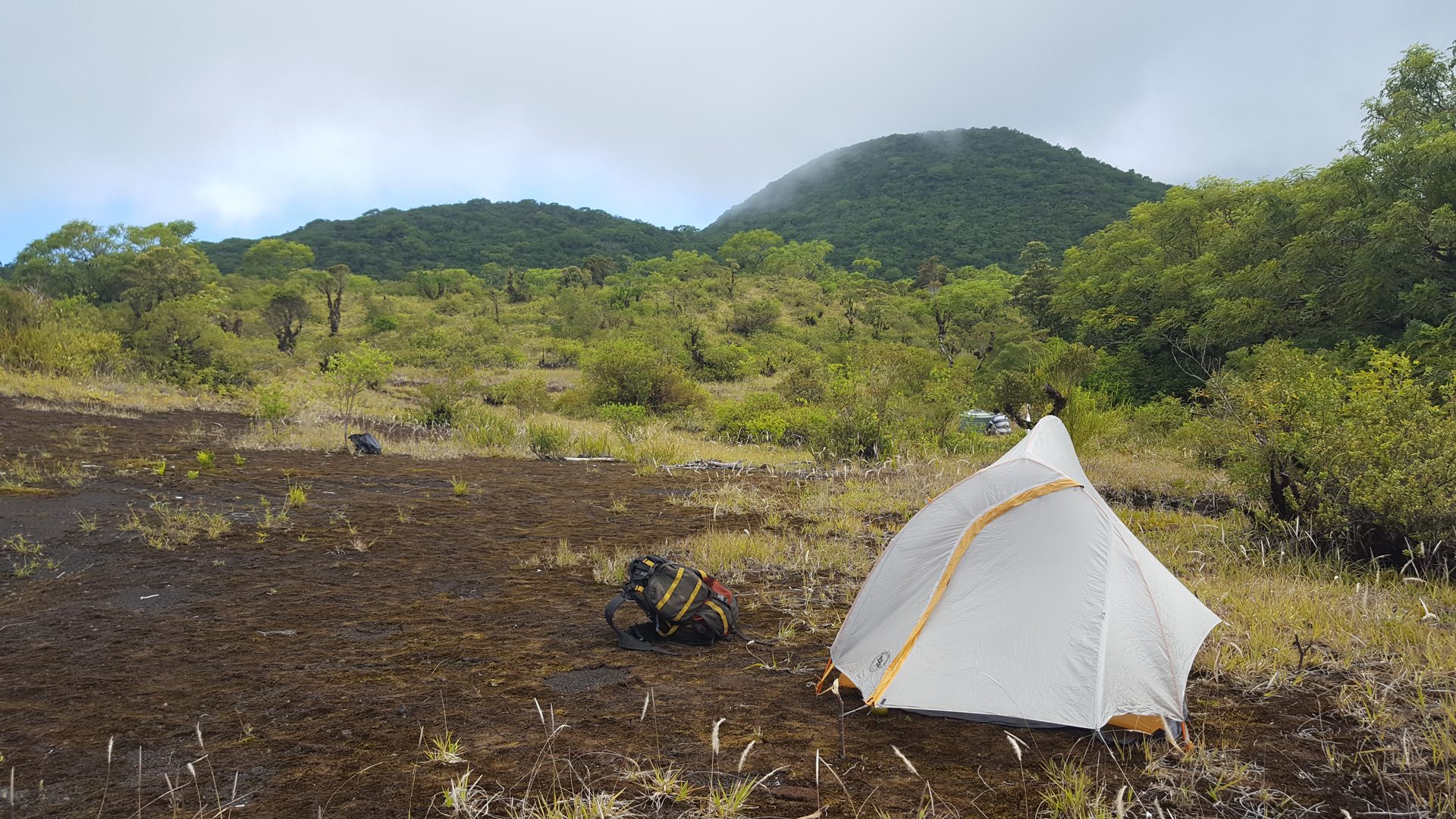
After approximately six hours, the trail opens into a grassy plateau, an ideal spot for rest and lunch. From here, the terrain changes dramatically as hikers approach the crater ridge. This area is marked by fragile lava rocks covered in distinctive orange and white spongy moss, creating a surreal landscape. Blueberry bushes dot the ground, offering a sweet natural treat. Navigation becomes more challenging as the trail is faint and requires staying on a stable path marked by guides using machete cuts and tree marks. The ridge is exposed and demands careful attention to footing due to loose rocks and uneven surfaces.
The final ascent to the summit is off-trail, relying on gravity and natural landmarks rather than a defined path. This section involves scrambling over volcanic knobs and requires good balance and surefootedness. The altitude gain of approximately 1,200 meters affects some hikers, and the wind near the summit can be strong and chilling. Overall, the trek combines rainforest hiking, volcanic terrain navigation, and ridge scrambling, making it suitable for physically fit and experienced trekkers prepared for a demanding tropical mountain environment.
What Makes the Mount Silisili Trek Unique
Mount Silisili stands out as the highest peak in Samoa and the entire Samoan archipelago, offering a unique blend of tropical rainforest and volcanic landscapes. Unlike many Pacific island volcanoes, Silisili’s trek combines dense jungle ecosystems with exposed volcanic ridges, providing a diverse ecological and geological experience. The presence of the 1902 Mata o le Afi crater adds historical volcanic significance, with visible remnants of past eruptions and a research settlement.
The cultural aspect enriches the trek, as hikers often stay in the nearby Aopo village, experiencing authentic Samoan hospitality and community life. The opportunity to camp near the crater ridge with panoramic views of Savai’i’s northern coast underlines the adventure’s exclusivity. The final summit push, without a marked path, offers a raw and intimate connection with the mountain’s natural form, guided only by gravity and instinct. This combination of natural beauty, cultural immersion, and challenging terrain makes Mount Silisili a standout volcano trekking destination in Oceania.
Summit and Crater Experience on Mount Silisili
Reaching the summit of Mount Silisili is a moment of profound achievement and awe. The summit itself is a volcanic knob rather than a large crater, offering unobstructed 360-degree views. On clear days, trekkers can see the northern coast of Savai’i Island stretching below, with glimpses of the neighboring islands of Upolu and Manono. The air is crisp and cooler, often accompanied by strong winds that heighten the sense of exposure and elevation.
Nearby lies the Mata o le Afi crater, a stark reminder of the volcano’s eruptive past. The crater’s sides bear inscriptions and remnants of a research team’s settlement, adding a human historical layer to the natural spectacle. The ground around the crater is decorated with fragile lava rocks and vibrant mosses, creating a colorful and textured landscape. The silence at the summit, broken only by the wind and distant bird calls, invites reflection on the immense geological forces that shaped this island. The summit experience is both humbling and exhilarating, a true reward for the demanding ascent.
Best Time to Trek Mount Silisili
The optimal time to trek Mount Silisili is during Samoa’s dry season, which runs from May to October. During these months, rainfall is reduced, trails are less slippery, and weather conditions are generally more stable, enhancing safety and comfort. Early mornings are ideal for starting the hike to avoid afternoon rain showers and to enjoy cooler temperatures.
Trekkers should be aware that the mountain’s rainforest environment can still produce sudden showers and mist, especially at higher elevations. The temperature drops noticeably with altitude, so layering is essential. Avoiding the wet season (November to April) is recommended due to heavy rains that make trails slippery and increase the risk of landslides.
Volcanic activity at Mount Silisili is dormant, so there are no active eruption-related restrictions. However, hikers should always check local weather forecasts and consult with guides or the Savai’i Samoa Tourism Association for any updates or trail conditions before embarking on the trek.
Trekking Routes and Trail Options on Mount Silisili
The primary route to Mount Silisili’s summit begins in the village of Aopo, located approximately 10 kilometers north of the trailhead. This route is the only established path and is typically completed as a 2-3 day round trip. The trek starts on a plantation path leading to an overgrown grassy road, which then enters the Aopo Conservation Area rainforest. This section is characterized by slippery, muddy trails and a gradual ascent.
After about six hours of hiking, trekkers reach an open grassy area suitable for rest and lunch. The trail then continues for two more hours along a crater ridge with fragile lava rocks and distinctive mosses. This section is difficult to follow without a guide, as the path is faint and marked by machete cuts and tree marks.
The trail ends at the Mata o le Afi crater, where hikers typically camp overnight. From here, the summit is approximately 1.5 hours away, involving an unmarked ascent over volcanic knobs without a defined path. Gravity and natural landmarks guide this final push.
Guided hikes are mandatory, and arrangements can be made through the pulenu’u (village chief) of Aopo or the Savai’i Samoa Tourism Association. The hike fee includes a guide, sleeping bag, and tent. There are no alternative routes or shortcuts, making this the definitive trekking experience on Mount Silisili.
Difficulty Assessment of Mount Silisili Trek
Mount Silisili is classified as a demanding volcano trek, suitable for experienced and physically fit hikers. The trail involves a combination of slippery rainforest paths, steep grassy slopes, and unstable volcanic terrain. The altitude gain of approximately 1,200 meters over two days requires good cardiovascular fitness and endurance.
Technical climbing skills are not necessary, but the final ascent to the summit involves off-trail scrambling over volcanic knobs, requiring surefootedness and balance. Weather conditions can add to the challenge, with rain making trails slippery and temperatures dropping at higher elevations.
The trek’s remoteness and limited infrastructure mean hikers must be self-sufficient, carrying their own food, water, and camping gear, although guides provide tents and sleeping bags. Overall, the trek demands preparation, stamina, and respect for the mountain’s natural conditions.
Essential Gear for Mount Silisili Volcano Trekking
Proper gear is crucial for a safe and comfortable trek on Mount Silisili. Essential items include sturdy hiking boots with good grip to navigate slippery and rocky terrain. Trekking poles are recommended to aid balance and reduce strain on knees during steep ascents and descents.
Given the rainforest environment, waterproof clothing and a reliable rain jacket are necessary to stay dry. Layered clothing helps manage temperature changes, especially cooler conditions near the summit. A warm jacket or fleece is advised for higher elevations.
Volcanic ash gaiters can protect boots and lower legs from dirt and debris. A headlamp is useful for early morning starts or late finishes. Hydration systems or water bottles with purification tablets are important, as natural water sources may not be safe to drink.
Sun protection, including a wide-brimmed hat, sunglasses, and high SPF sunscreen, is essential due to limited shade on exposed sections. A small first aid kit, insect repellent, and a map or GPS device complement the gear list. Finally, carrying sufficient food and camping supplies is mandatory, as there are no facilities along the trail.
Safety and Volcanic Hazards on Mount Silisili
While Mount Silisili is dormant, safety considerations remain paramount. The primary hazards include slippery trails in the rainforest, loose volcanic rocks on the crater ridge, and exposure to strong winds near the summit. Hikers should remain on marked paths to avoid unstable ground and minimize environmental impact.
Volcanic gases are not a significant concern here due to the volcano’s dormancy, but sudden weather changes can pose risks, including heavy rain and reduced visibility. It is essential to monitor weather forecasts and heed advice from local guides.
The trail’s remote nature means emergency services are limited; therefore, trekkers must carry adequate supplies and communicate plans with local authorities or guides. The Savai’i Samoa Tourism Association and village guides provide monitoring and support, ensuring safe trekking practices. Awareness of personal fitness and preparedness is critical to prevent accidents or exhaustion during the demanding ascent.
Permits, Guides, and Logistics for Mount Silisili Trek
Trekking Mount Silisili requires a mandatory guided hike arranged through the pulenu’u (village chief) of Aopo or the Savai’i Samoa Tourism Association. The guide fee is approximately SAT$150 per person, which includes the guide’s services, a sleeping bag, and a tent for camping. This fee ensures safety, navigation assistance, and cultural liaison with the local community.
Visitors must provide their own food and camping supplies, as there are no facilities along the trail. It is advisable to stay overnight in Aopo village before the hike to experience authentic Samoan hospitality and prepare for an early start. The village stay also allows trekkers to acclimate and organize logistics with the guide.
The trailhead is accessible via a 4×4 vehicle, with the road leading close to the starting point. Hikers should arrange transportation to and from Aopo village, often coordinated by tour operators or local contacts. The trek typically spans 2-3 days, with an overnight camp near the Mata o le Afi crater.
Tour operators offering guided treks include the Savai’i Samoa Tourism Association, Pacific Island Adventure, and Ecotours Samoa. These organizations provide comprehensive services, including guide booking, transportation arrangements, and cultural experiences. Payment is usually in cash, and it is customary to bring gifts such as food staples or camping gear as tokens of appreciation for the hosting families.
Due to the trail’s challenging nature and limited infrastructure, independent trekking without a guide is not permitted. This regulation ensures environmental protection, hiker safety, and support for the local economy. Planning well in advance and communicating with tour operators or village representatives is essential for a successful Mount Silisili expedition.
Where to Stay Near Mount Silisili and Nearby Bases
The primary base for trekking Mount Silisili is the village of Aopo, located approximately 10 kilometers north of the trailhead on Savai’i Island. Staying in Aopo offers a unique cultural experience, as visitors can live with Samoan families, enjoy traditional meals, and engage with the local community. Accommodation in Aopo is basic but authentic, focusing on homestays rather than commercial lodges.
For those seeking more conventional lodging, the port town of Salelologa on Savai’i’s east coast is the main hub, about a 1-1.5 hour drive from Aopo. Salelologa offers a range of accommodations including hotels, guesthouses, and resorts. Notable options include Lusia’s Lagoon Chalets, known for its eco-friendly ethos and proximity to the ferry terminal, and Jet Over Hotel Salelologa, which provides ocean-view rooms and modern amenities.
These accommodations serve as convenient staging points for organizing transportation and guides for the Mount Silisili trek. Salelologa also offers dining, markets, and local services, making it a practical choice for pre- or post-trek stays.
On the island of Upolu, Samoa’s capital Apia provides a wider selection of hotels and cultural attractions but is less practical as a base for the Silisili trek due to ferry travel requirements.
Overall, combining a night in Aopo village for cultural immersion with stays in Salelologa for comfort and logistics creates an ideal balance for trekkers. Early communication with local hosts and tour operators is recommended to secure accommodations and arrange transfers.