Mount Rainier Volcano Trekking Guide: Conquer Washington’s Highest Stratovolcano
Mount Rainier, the tallest peak in the contiguous United States, offers a challenging and rewarding volcano trekking experience. This guide covers its geology, hiking terrain, routes, safety, permits, and accommodation options for adventurers seeking to explore this iconic stratovolcano.
Quick Volcano Snapshot
| Attribute | Value |
|---|---|
| Volcano type | Stratovolcano |
| Elevation | 14,411 ft (4,392 m) |
| Location | Washington, United States |
| Activity status | Dormant with fumarolic activity |
| Trekking difficulty | Demanding technical mountaineering |
| Typical trek duration | Day hikes to multi-day expeditions (1 to 14 days) |
| Altitude gain | Up to 9,000+ feet on summit routes |
| Terrain type | Glaciated volcanic slopes, old-growth forests, alpine meadows |
| Best season | July to September |
| Temperature range | 20°F to 70°F (-6°C to 21°C) depending on elevation and season |
| Permit requirement | Required for summit climbs and some backcountry camping |
Introduction: The Experience of Hiking Mount Rainier
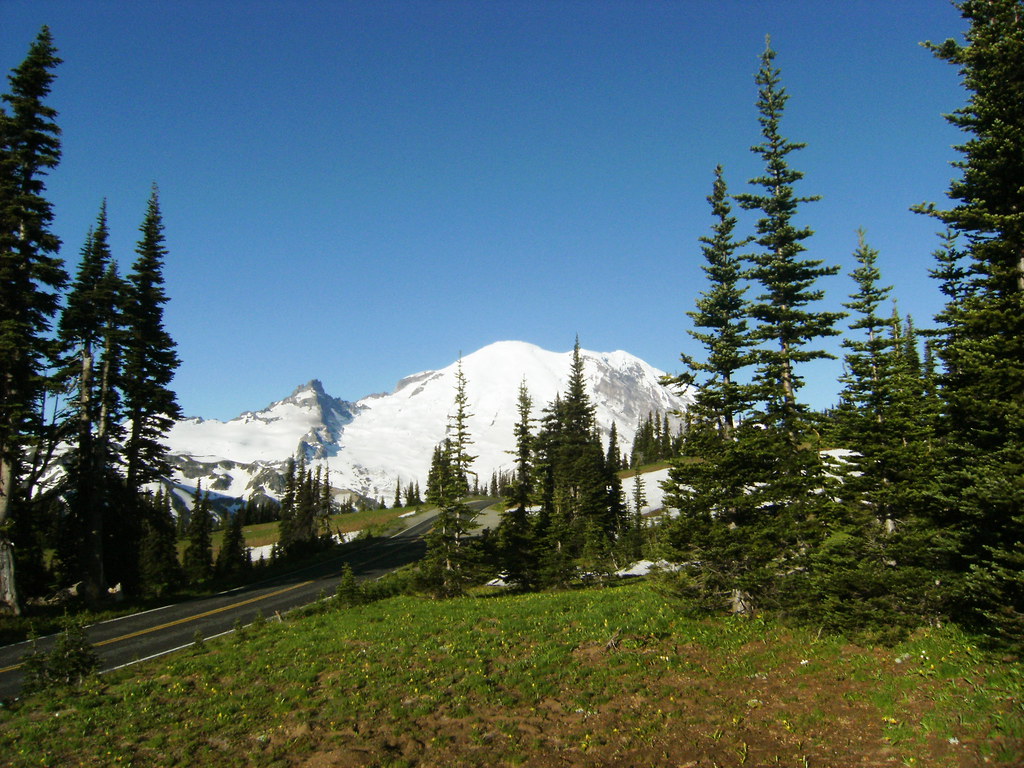
Approaching Mount Rainier, the sheer scale of this glaciated giant commands awe. Its snow-capped summit pierces the sky, surrounded by wildflower meadows and dense ancient forests. Hiking here is a journey through a landscape shaped by fire and ice, where volcanic power meets serene wilderness. The climb challenges both body and spirit, rewarding trekkers with panoramic views and a profound connection to the Earth’s dynamic forces.
The Volcano Itself: Geological Background
Mount Rainier is a towering stratovolcano formed over the past 500,000 years through successive eruptions that built its massive cone. It is the most glaciated peak in the contiguous United States, capped by 25 major glaciers and extensive permanent snowfields. Its volcanic activity includes explosive eruptions and lava flows, with the last known eruption occurring in 1894-95. The volcano’s hydrothermal system fuels fumaroles and steam vents near the summit, while its slopes are shaped by lahars—volcanic mudflows that have historically reshaped the surrounding valleys. These lahars pose significant hazards due to the dense population in nearby river valleys. The summit features several peaks including Columbia Crest, Liberty Cap, and Point Success, with the highest crater lake in North America lying beneath thick ice. The volcano is part of the Cascade Range and is considered one of the most dangerous volcanoes in the United States due to its proximity to populated areas and potential for large-scale lahars. Its geological complexity includes layers of andesitic and dacitic lava flows, pyroclastic deposits, and extensive glacial erosion that have sculpted its current form.
The Volcano Trek: Terrain and Hiking Experience
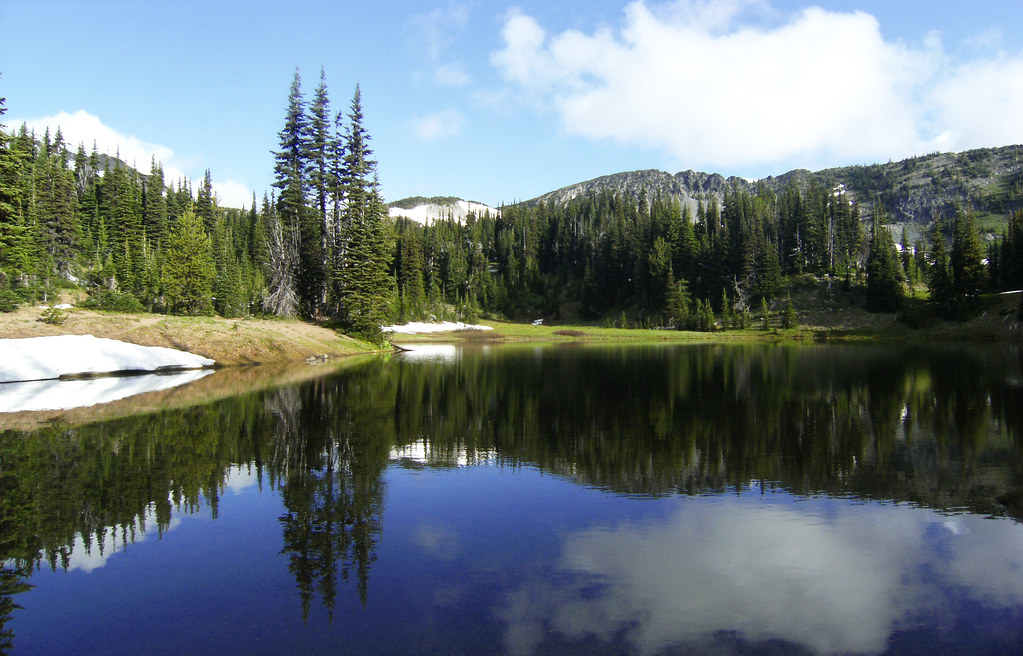
Trekking Mount Rainier is a demanding adventure that traverses diverse and challenging terrain. At lower elevations, hikers pass through dense old-growth forests dominated by Douglas fir, western red cedar, and hemlock, providing shaded and often moist trails. As elevation increases, the landscape transitions into vibrant subalpine meadows filled with wildflowers such as lupine, Indian paintbrush, and avalanche lilies during summer months. These meadows offer a striking contrast to the rugged upper slopes. The ascent involves negotiating steep volcanic ash slopes and rugged lava rock fields that can be loose and unstable, requiring careful footing. Extensive glaciers cover the upper mountain, including the Emmons, Nisqually, and Carbon glaciers, demanding technical mountaineering skills such as the use of crampons, ice axes, and rope teams to safely navigate crevasses and seracs. The air thins significantly above 10,000 feet, and temperatures drop, necessitating acclimatization and layered clothing. Trails like the Skyline Trail provide breathtaking panoramic views of the mountain and surrounding Cascades but include steep climbs and exposed ridges that can be challenging for less experienced hikers. Weather conditions are highly variable, with rapid shifts bringing strong winds, fog, and sudden cold snaps, which can increase risk. Descents often involve sliding on loose scree or snowfields, testing balance and endurance. Overall, the terrain demands excellent physical fitness, technical preparation, and respect for the mountain’s volatile nature. Trekkers should be prepared for long days, variable trail conditions, and the need for navigation skills in less marked areas. The combination of volcanic geology, glacial features, and diverse ecosystems makes the hiking experience uniquely rewarding but challenging.
What Makes This Volcano Trek Unique
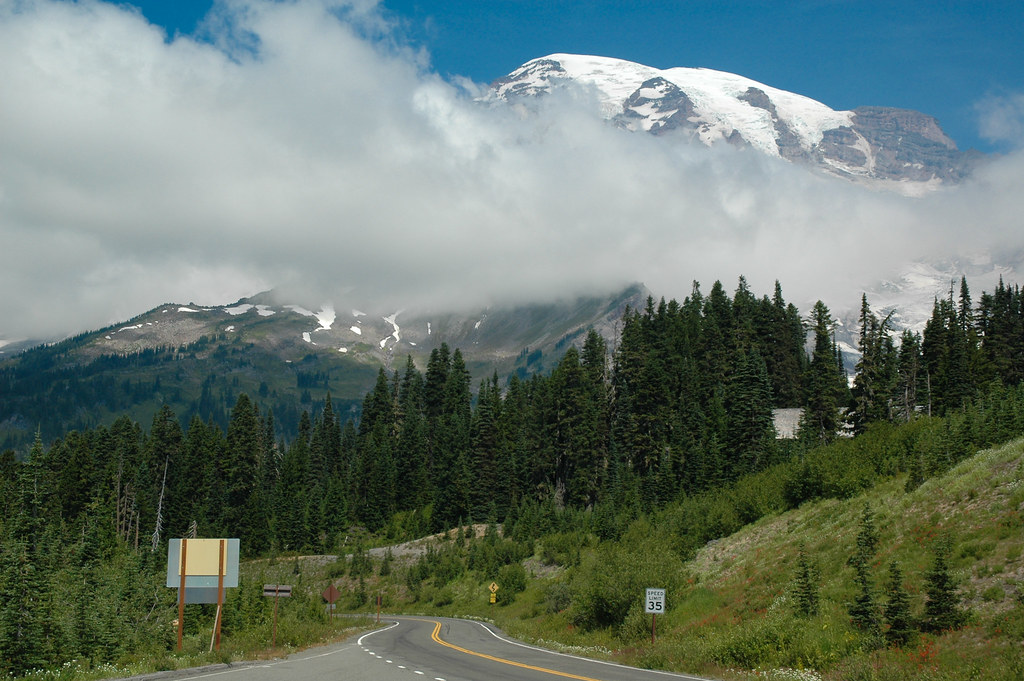
Mount Rainier’s trek is distinguished by its immense glacial coverage, making it the most heavily glaciated peak in the contiguous U.S. The volcano’s towering presence dominates the landscape, visible from hundreds of miles away. The trek offers a rare combination of volcanic geology and alpine ecosystems, from ancient forests to icy summits. The potential for lahars adds a dramatic element of natural power and risk. The summit provides views of multiple Cascade volcanoes including Mount St. Helens and Mount Adams. The wildflower meadows at Paradise are world-renowned for their vibrant colors. The mountain’s cultural significance to indigenous peoples and its status as a Decade Volcano highlight its geological importance and ongoing volcanic activity.
The Summit and Crater Experience
Reaching Mount Rainier’s summit is a profound moment marked by breathtaking panoramas and a palpable sense of accomplishment. The air is thin and cold, with the summit’s snowfields stretching beneath a vast sky. From Columbia Crest, climbers gaze across the Cascade Range, spotting neighboring volcanoes and distant peaks. The crater itself is a frozen expanse, with fumaroles emitting faint steam and the scent of sulfur lingering in the crisp air. The silence is punctuated by the whisper of wind and the crunch of snow underfoot. This high alpine environment is both beautiful and humbling, a reminder of the Earth’s restless energy and the mountain’s enduring presence.
Best Time to Trek Mount Rainier
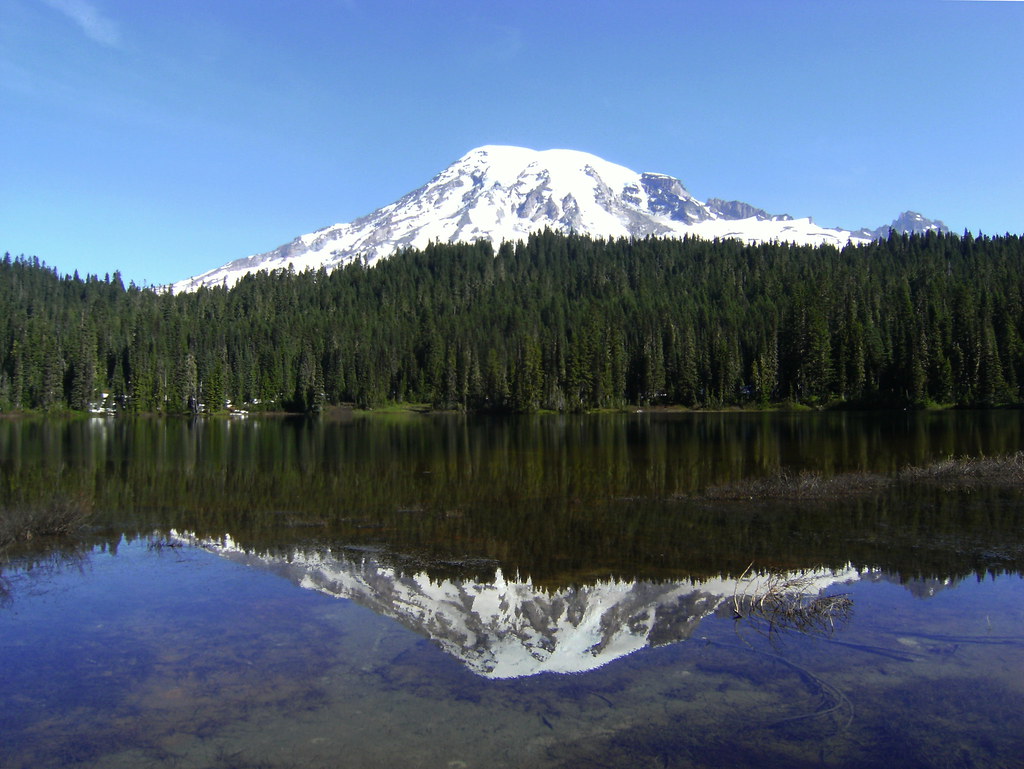
The prime trekking season on Mount Rainier runs from July through September, when snowpack is reduced and weather conditions are most stable. Summer offers warmer temperatures and longer daylight hours, ideal for both day hikes and summit attempts. Outside this window, snow and ice increase hazards, and many trails become inaccessible. Climbers should monitor volcanic activity and weather forecasts closely, as sudden storms and volcanic gas emissions can pose risks. Timed-entry permits are required during peak seasons to manage visitor impact. Early morning starts are recommended for summit climbs to avoid afternoon storms and to maximize safety.
Trekking Routes and Trail Options
Mount Rainier offers a variety of trekking routes catering to different skill levels and interests. The Wonderland Trail is the most famous, a 93-mile loop circumnavigating the mountain that features approximately 22,000 feet of cumulative elevation gain. This multi-day trek typically takes 10 to 14 days and offers an immersive wilderness experience through diverse ecosystems including dense forests, alpine meadows, and glaciated slopes. For those aiming to summit, the two most popular technical routes are the Disappointment Cleaver and Emmons Glacier routes. Both require advanced mountaineering skills, including glacier travel, crevasse navigation, and use of technical equipment such as crampons and ice axes. These routes start from different trailheads: the Disappointment Cleaver route from Camp Muir accessed via the Paradise area, and the Emmons Glacier route from the White River entrance. For less technical day hikes, the Skyline Trail at Paradise offers spectacular views with moderate elevation gain, suitable for hikers seeking alpine scenery without glacier travel. The Tatoosh Range’s Pinnacle Peak Trail provides a steep and challenging climb with dramatic alpine vistas, popular among experienced hikers. Access to trailheads is available via Nisqually, Stevens Canyon, and White River entrances, each offering distinct approaches and parking facilities. Guided climbs and self-guided options are widely available, with permits required for summit attempts and some backcountry camping. Planning routes according to skill level, weather, and permit availability is essential for a safe and enjoyable trek.
Difficulty Assessment
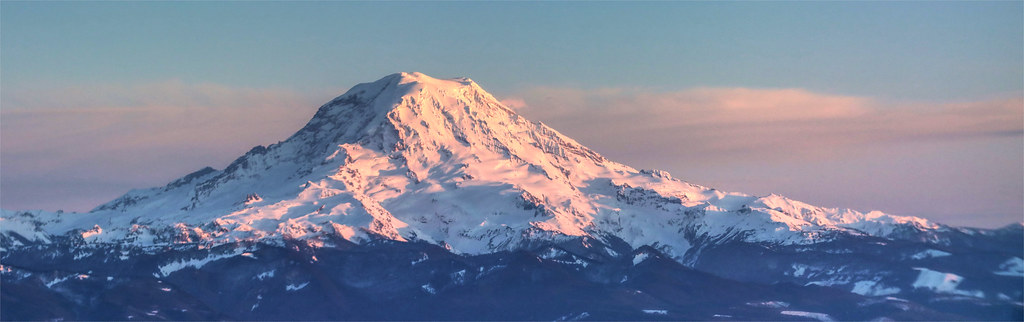
Mount Rainier is classified as a demanding technical mountaineering trek. Summit attempts require proficiency in glacier travel, crevasse rescue, and use of crampons and ice axes. Altitude gain can exceed 9,000 feet, demanding excellent physical fitness and acclimatization. Day hikes vary from moderate to challenging, with steep ascents and rugged terrain. Weather and volcanic hazards add complexity. Beginners should consider guided climbs or less technical trails. The mountain’s unpredictable conditions and technical demands place it beyond beginner level, suitable for experienced hikers and climbers prepared for alpine environments.
Essential Volcano Trekking Gear
Key gear for Mount Rainier trekking includes sturdy hiking boots with crampon compatibility, crampons, ice axe, helmet, harness, and rope for glacier travel. Trekking poles aid stability on varied terrain. Layered clothing with moisture-wicking base layers, insulating mid-layers, and waterproof outer shells protect against cold, wind, and precipitation. Sun protection is critical due to high elevation and snow glare. Headlamps are essential for early starts. Gas masks are generally not required but monitoring volcanic gas advisories is advised. Hydration systems and high-energy food support endurance. Navigation tools and emergency communication devices enhance safety.
Safety and Volcanic Hazards
Mount Rainier presents several safety challenges including volcanic gases, unstable crater edges, falling rocks, loose scree, and crevasse dangers on glaciers. Lahars pose significant risk to downstream communities, especially in river valleys where towns and infrastructure exist. Climbers must heed warnings from the United States Geological Survey and National Park Service, which monitor volcanic activity and provide timely alerts. Proper training in glacier travel and rescue techniques is essential for summit attempts. Visitors should stay on marked trails, avoid hazardous areas, and carry emergency equipment such as first aid kits, communication devices, and navigation aids. Sudden weather changes can cause hypothermia or disorientation, so preparedness for cold, wet, and windy conditions is critical. Park rangers provide safety briefings and updates, and climbers are encouraged to register their plans with park authorities. Respecting the mountain’s power and adhering to safety protocols ensures a safer trekking experience.
Permits, Guides, and Logistics
Mount Rainier National Park requires permits for summit climbs and some backcountry camping to manage environmental impact and ensure safety. Summit permits are limited in number and must be obtained in advance through the National Park Service’s online reservation system. These permits are essential for all climbers attempting to reach Columbia Crest or other high points. Day hiking generally requires a park entrance pass, with timed-entry reservations implemented during peak summer months to control visitor flow and reduce overcrowding. Visitors should plan ahead to secure these permits, especially during July through September. Guided climbing services are widely available and recommended for less experienced climbers. Notable operators include Alpine Adventures, Toubkal Trekking, and Washington State Tours, all offering expert instruction, equipment rental, and logistical support such as transportation to trailheads and campsite reservations. The park’s primary access points are the Nisqually, Stevens Canyon, and White River entrances, each with parking facilities and shuttle options during busy periods. Climbers should prepare for variable weather, carry appropriate gear, and register with park authorities before beginning their climbs. Logistics also involve planning for acclimatization, arranging transportation, and understanding emergency procedures. Early booking of permits and guided services is strongly advised due to high demand and safety considerations.
Where to Stay Near Mount Rainier
Accommodation options near Mount Rainier cater to diverse preferences and itineraries, ranging from historic lodges to campgrounds and nearby town lodging. Inside the park, the National Park Inn located at Longmire offers rustic charm with comfortable rooms and easy access to lower elevation trails. Paradise Inn, situated near the Paradise visitor center, is famous for its historic architecture and proximity to popular hiking routes such as the Skyline Trail. Both lodges provide dining facilities, gift shops, and ranger programs. For camping enthusiasts, Cougar Rock and White River Campgrounds offer well-maintained sites with amenities including potable water, restrooms, and picnic areas; reservations are recommended during the busy summer season. Outside the park, the town of Ashford is a favored base due to its close proximity to the Nisqually Entrance and Paradise area. Lodging options here include Rainier Lodge and Alexander’s Lodge, both known for their cozy atmosphere, mountain views, and convenient access to trailheads. Ashford also offers restaurants, gear shops, and shuttle services. Packwood, located further south, provides central access to both Paradise and Sunrise regions, with accommodations such as The Valley Loft apartment and various cabins featuring amenities like fireplaces and hot tubs. Crystal Mountain and Greenwater are smaller communities near the White River Entrance, ideal for Sunrise access, offering lodges and cabins with ski resort facilities in winter and hiking access in summer. Early booking is advised due to high demand, especially during peak trekking season. Visitors should consider proximity to trailheads, available amenities, and transportation options when selecting accommodations to optimize their Mount Rainier trekking experience.