
Hiking Mount Lassen: The Ultimate Volcano Trekking Guide to Northern California’s Largest Plug Dome Volcano
Explore the thrilling ascent of Mount Lassen, the largest plug dome volcano in the world, located in Lassen Volcanic National Park, Northern California. This comprehensive guide covers the geology, hiking terrain, routes, safety, permits, accommodations, and unique volcanic features that make Lassen Peak a must-visit destination for volcano trekking enthusiasts.
Quick Volcano Snapshot
| Attribute | Value |
|---|---|
| Volcano type | Stratovolcano (largest plug dome volcano) |
| Elevation | 10,457 ft (3,187 m) |
| Location | Northern California, United States |
| Activity status | Dormant |
| Trekking difficulty | Moderate |
| Typical trek duration | 4-5 hours round trip |
| Altitude gain | 1,957 ft (596 m) |
| Terrain type | Packed dirt, loose volcanic rock, ash slopes, rocky ridge |
| Best season | June to September |
| Temperature range | 40°F to 75°F (4°C to 24°C) depending on season and elevation |
| Permit requirement | Park entrance fee required; no additional permits for hiking Lassen Peak |
The Experience of Hiking Mount Lassen
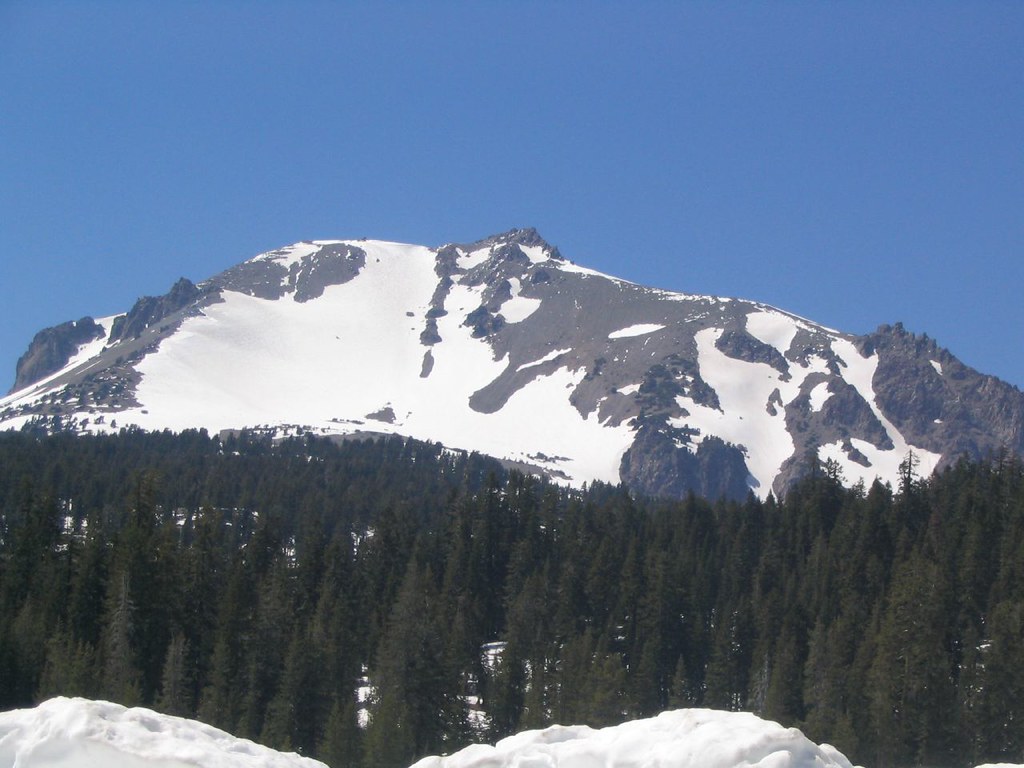
Approaching Mount Lassen, hikers are greeted by a dramatic volcanic landscape that contrasts starkly with the lush forests below. The trail begins amid twisted mountain hemlock and whitebark pine, offering shade and a sense of calm before the ascent. As the trail climbs, the terrain opens to reveal expansive views of volcanic moonscapes, rugged ridges, and distant peaks. The air thins and the sun intensifies, heightening the sense of adventure. Reaching the summit, trekkers stand atop the largest plug dome volcano in the world, surrounded by panoramic vistas of Lassen Volcanic National Park’s diverse volcanic features. The emotional impact of standing on this geological giant is profound, a testament to the Earth’s fiery power and the enduring allure of volcano trekking.

Geological Background of Mount Lassen
Mount Lassen is a stratovolcano and the largest plug dome volcano globally, forming part of the Cascade Range in Northern California. Its volcanic activity is driven by the subduction of the Gorda Plate beneath the North American Plate along the Pacific Northwest coast. This tectonic interaction has created a complex volcanic landscape featuring all four major volcano types: plug dome, shield, cinder cone, and stratovolcano. Lassen’s most recent eruptive period occurred between 1914 and 1921, with notable explosive events that reshaped the surrounding terrain. The volcano’s summit crater and surrounding lava flows exhibit classic volcanic minerals and formations, including fumaroles, steam vents, and sulfur deposits. These geothermal features continue to shape the landscape, providing hikers with a vivid glimpse into the dynamic processes beneath the Earth’s surface.
Terrain and Hiking Experience on Mount Lassen
The hike up Mount Lassen is a compelling journey through diverse volcanic terrain that challenges and rewards trekkers alike. Starting at approximately 8,500 feet, the trail ascends 1,957 feet over a 5-mile round trip, classified as moderate but strenuous due to elevation gain and terrain. Initially, hikers traverse a forested path with mountain hemlock and whitebark pine, providing welcome shade and a soft, sand-like cinder surface underfoot. As the trail progresses, the forest thins, and the landscape transitions to exposed volcanic ash slopes and loose pumice, demanding careful footing and steady balance. The switchbacks zigzag up a rocky ridge, where erosion has exposed loose rocks and scree, requiring hikers to use trekking poles for stability. The trail’s steepness intensifies near the summit, with sections of rock scrambling and narrow ridgelines offering panoramic views but also exposure to wind and sudden weather changes. Snow can linger into summer months, adding to the challenge and necessitating appropriate footwear and caution. The terrain’s volcanic nature means hikers encounter a stark, barren moonscape punctuated by fumaroles and sulfur vents, enhancing the sense of walking on a living volcano. Altitude effects may cause shortness of breath and fatigue, so pacing and hydration are critical. Overall, the hike offers a physically demanding but accessible experience for those in good fitness, combining geological wonder with breathtaking natural beauty.
What Makes the Mount Lassen Trek Unique
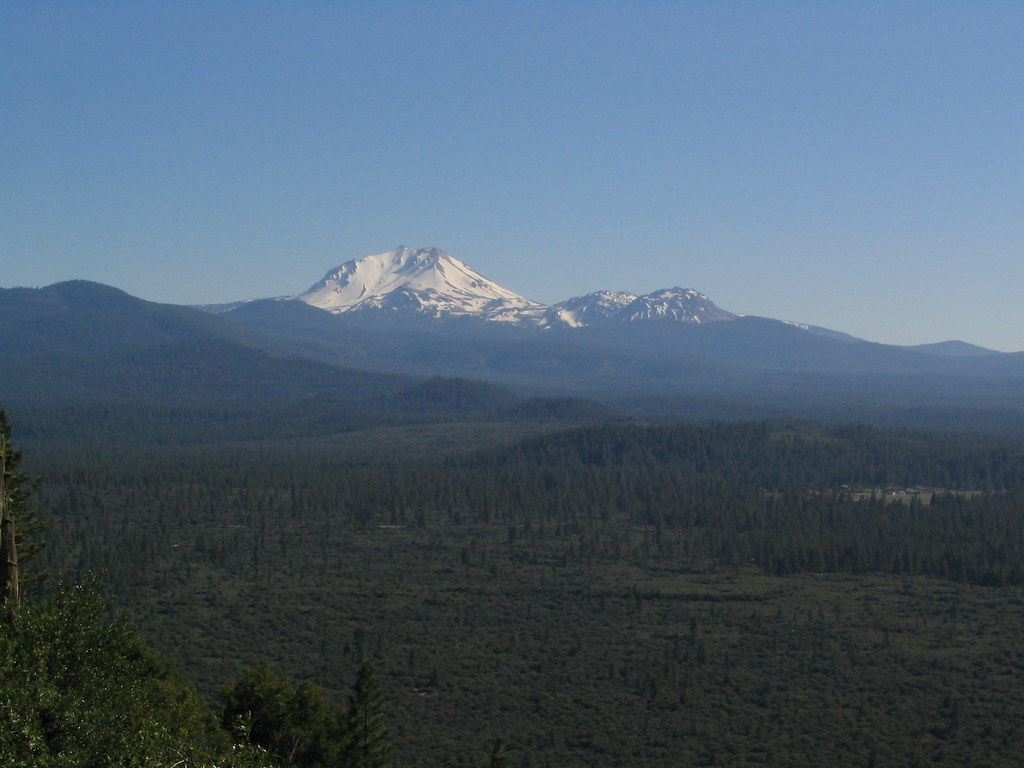
Mount Lassen’s trek stands out for its status as the largest plug dome volcano in the world and its location within a park that features all four major volcano types. The trail offers a rare opportunity to witness active geothermal phenomena such as boiling mud pots, fumaroles, and steam vents alongside diverse volcanic formations. The juxtaposition of lush forests at lower elevations with stark volcanic moonscapes near the summit creates a striking visual and ecological contrast. The 1914-1921 eruptions left a dramatic imprint on the landscape, visible in the Devastated Area and lava flows, providing hikers with a tangible connection to recent volcanic activity. The summit rewards trekkers with sweeping views of the Cascade Range, including Mount Shasta, and the chance to explore the crater’s interior. This blend of geological significance, varied terrain, and accessible hiking makes Mount Lassen a uniquely compelling volcano trekking destination.
The Summit and Crater Experience on Mount Lassen
Reaching the summit of Mount Lassen is a moment of awe and exhilaration. The trail culminates at a flat area overlooking the summit crater, where interpretive signs provide insights into the volcano’s history and geology. From here, hikers can scramble to the true summit, a rocky high point offering panoramic views of the surrounding Cascades, including the distant Mount Shasta. The crater itself reveals remnants of past eruptions, with jagged rocks and volcanic debris scattered across the landscape. The air carries the faint scent of sulfur from nearby fumaroles, and the ground may emit subtle warmth, a reminder of the volcano’s dormant but not extinct status. The expansive vistas stretch over wildflower meadows, alpine lakes, and rugged peaks, creating a sensory experience that combines natural beauty with the raw power of volcanic forces. The summit’s exposure to wind and weather demands respect, but the reward is an unforgettable encounter with one of Earth’s most dynamic landscapes.
Best Time to Trek Mount Lassen
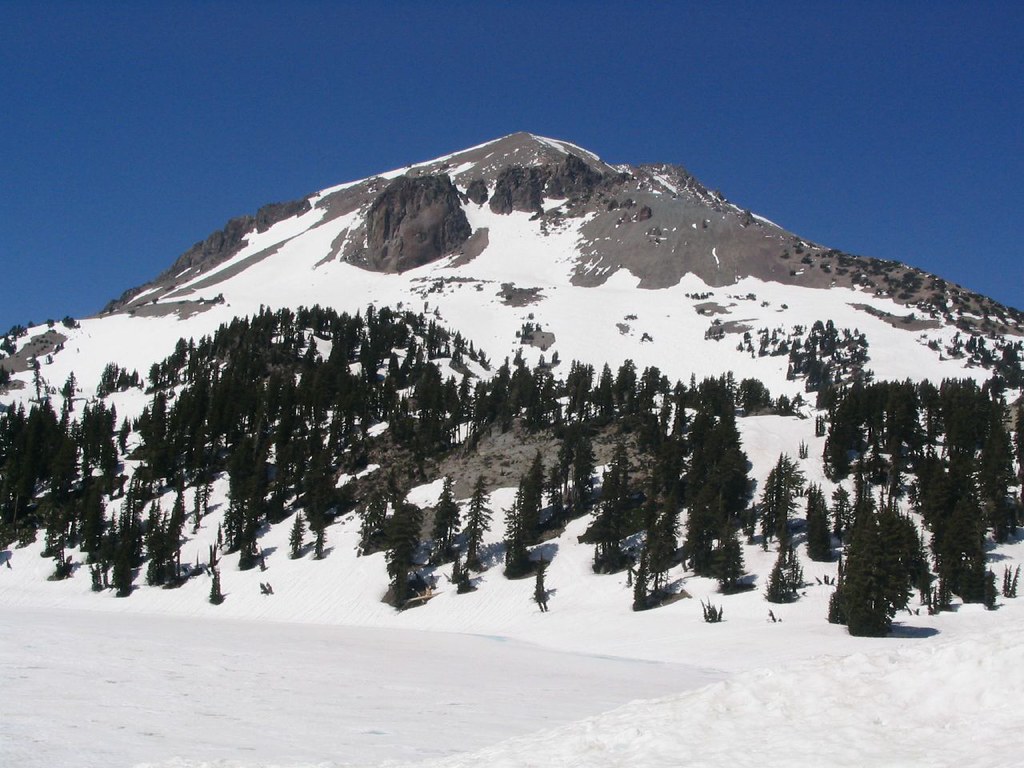
The optimal trekking season for Mount Lassen spans from June through September, when snow has typically melted from the trails and weather conditions are most stable. Early summer may still present lingering snow patches, especially at higher elevations, requiring proper footwear and caution. Afternoon thunderstorms are common during summer months, so hikers are advised to start early in the day to avoid lightning risks near exposed ridges and the summit. Temperatures range from cool to warm, but can drop rapidly with elevation and weather changes, necessitating layered clothing. Winter and spring visits require advanced backcountry skills and equipment due to snow and ice. The park’s volcanic activity is closely monitored, and trail access may be restricted during periods of increased geothermal activity or hazardous weather. Planning visits during the recommended months maximizes safety and enjoyment of the volcanic landscape.
Trekking Routes and Trail Options on Mount Lassen
The primary route to Mount Lassen’s summit is the Lassen Peak Trail, a well-maintained 5-mile round trip beginning at the Lassen Peak Trailhead near Highway 89. This trail gains approximately 1,957 feet in elevation and is considered strenuous due to its steep switchbacks and high altitude. The trail surface consists of packed dirt, volcanic ash, and loose rock, requiring sturdy footwear and trekking poles for many hikers. Along the way, interpretive signs provide geological context and historical information about the 1914-1921 eruptions. For those seeking alternative experiences, the park offers numerous other trails such as the Devastated Area Interpretive Loop, a short paved trail showcasing eruption aftermath, and the Bumpass Hell Trail, which leads to hydrothermal features. Multi-day backpacking routes traverse the park’s diverse volcanic terrain, including lakes, meadows, and fumarole fields. Guided tours often combine Lassen Peak with hikes to Brokeoff Mountain and Cinder Cone, providing a comprehensive volcanic exploration. Self-guided hikers should plan logistics carefully, considering trail conditions, weather, and elevation challenges.
Difficulty Assessment of the Mount Lassen Trek
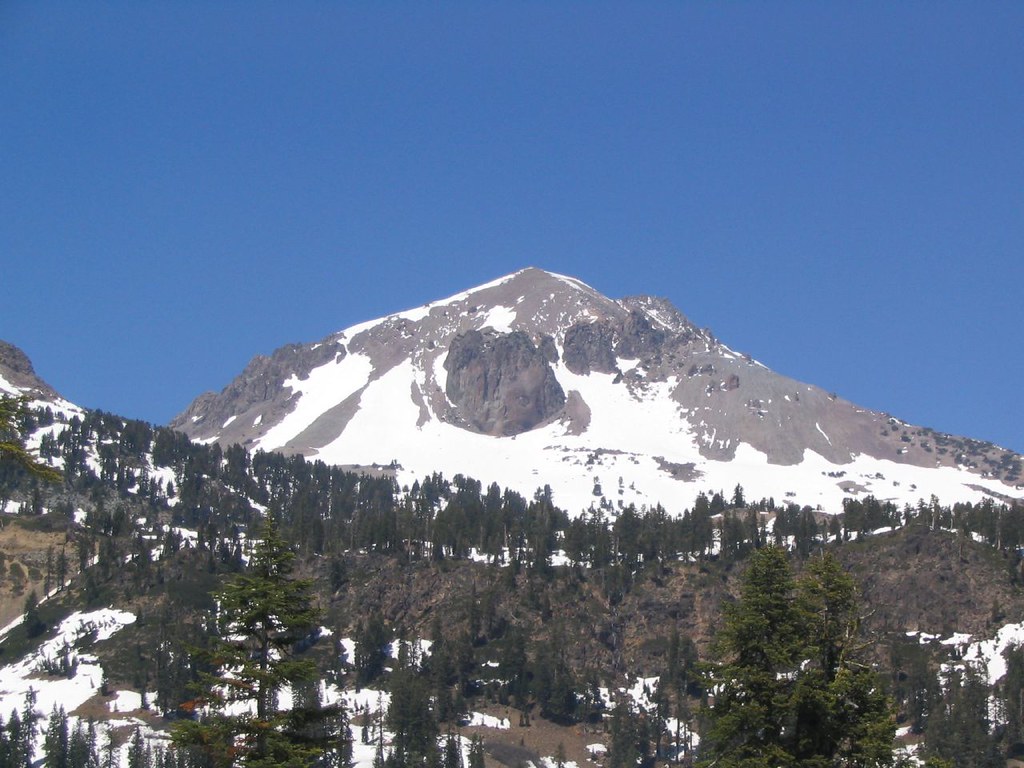
Mount Lassen’s summit hike is classified as a moderate volcano trek with strenuous elements. The 5-mile round trip involves a steady elevation gain of nearly 2,000 feet, with steep switchbacks and sections of loose volcanic rock that demand good balance and endurance. Altitude plays a significant role, as the trailhead starts at 8,500 feet and the summit reaches 10,457 feet, which can cause altitude sickness symptoms in some hikers. The trail is non-technical, requiring no climbing gear, but physical fitness and acclimatization to high elevation are important. Weather conditions can change rapidly, adding to the challenge. Overall, the trek is suitable for hikers with moderate experience and good cardiovascular health, while beginners should prepare adequately and consider guided options.
Essential Volcano Trekking Gear for Mount Lassen
Hiking Mount Lassen requires gear suited to high elevation and volcanic terrain. Essential items include sturdy hiking boots with good grip to navigate loose volcanic ash and rocky switchbacks. Trekking poles are highly recommended to aid balance and reduce strain on knees during steep ascents and descents. Layered clothing is necessary to adapt to temperature fluctuations and sudden weather changes; a windproof jacket and insulating layers are vital. Sun protection is critical due to intense UV exposure at altitude—bring sunscreen, sunglasses, and a wide-brimmed hat. Carry ample water and high-energy snacks to maintain hydration and stamina. A headlamp or flashlight is useful for early starts or unexpected delays. While gas masks are not typically required, hikers should be aware of fumarole areas and avoid inhaling volcanic gases directly. A basic first aid kit and map or GPS device complete the recommended gear list.
Safety and Volcanic Hazards on Mount Lassen
Safety on Mount Lassen requires awareness of volcanic and environmental hazards. Although dormant, Lassen remains geothermally active, with fumaroles, boiling mud pots, and steam vents emitting gases such as sulfur dioxide that can irritate respiratory systems. Hikers should avoid venturing off marked trails to prevent exposure to unstable ground and hazardous gases. The summit and crater edges can be unstable, with loose rocks and steep drop-offs posing fall risks. Sudden weather changes, including thunderstorms and snow, are common, especially at higher elevations, increasing risks of hypothermia and lightning strikes. Altitude sickness is a concern; symptoms include headache, dizziness, and nausea, and affected hikers should descend promptly. The National Park Service monitors volcanic activity and issues warnings or trail closures as needed. Visitors must follow park regulations, stay on designated trails, and prepare adequately to ensure a safe trekking experience.
Permits, Guides, and Logistics for Hiking Mount Lassen
Visiting Mount Lassen requires a valid park entrance pass, currently priced at $30 per vehicle for a 7-day period, with an annual pass option available for frequent visitors. No additional permits are necessary for hiking Lassen Peak, making it accessible for self-guided trekkers. However, backcountry camping and overnight backpacking within Lassen Volcanic National Park require permits obtainable through recreation.gov. Several reputable tour operators offer guided hiking experiences that enhance safety and educational value. Wildland Trekking provides multi-day hiking tours exploring Lassen’s volcanic features, including summit ascents and geothermal areas. 10Adventures offers expert-led hikes combining Lassen Peak with other regional volcanoes. Timberline Adventures organizes comprehensive tours with lodging, meals, and shuttle services included, facilitating stress-free exploration. Lasting Adventures focuses on environmental stewardship and wilderness skills in their guided programs. Lassen Sightseeing Tours offers van-based excursions for visitors preferring scenic overland exploration. Logistics include planning for limited cell service, variable weather, and early trail starts to avoid afternoon thunderstorms. Visitors should prepare for limited services within the park, including scarce gas stations and food supplies, and consider accommodations in nearby towns such as Chester or at park lodges. Reservations for campgrounds and some lodgings are highly recommended, especially during peak summer months.
Where to Stay Near Mount Lassen
Accommodations near Mount Lassen cater to a range of preferences, from rustic lodges to upscale resorts. Within Lassen Volcanic National Park, the Manzanita Lake Camping Cabins offer convenient access to trailheads with basic amenities and options for a Camper’s Amenity Package including cooking gear. Drakesbad Guest Ranch, open June to October in Warner Valley, provides a historic lodge experience with meals included, horseback riding, archery, and a hot spring-fed pool, ideal for those seeking comfort amid wilderness. Outside the park, the town of Chester serves as a popular base with several lodging options. Timber House Lodge offers family-friendly suites with themed rooms and fireplaces, combining affordability with comfort. Highlands Ranch Resort near Chester provides upscale suites and cottages featuring fireplaces, private hot tubs, and scenic terraces overlooking the mountains, perfect for a luxurious retreat. The St. Bernard Lodge, located on ten acres near Chester, is a rustic bed and breakfast known for hearty breakfasts and personalized service, popular among international travelers. Reservations are advised, especially during summer and holiday seasons. Nearby towns such as Susanville and Mineral offer additional lodging, dining, and supply options, with Susanville featuring local eateries and cultural events. Visitors should plan accommodations in advance due to limited availability and seasonal demand.