
Mount Konocti Volcano Trekking Guide: Exploring California’s Majestic Dormant Complex
Mount Konocti, a dormant complex volcano in California’s Clear Lake Volcanic Field, offers a moderately challenging trek with panoramic views, rich geological history, and unique cultural significance. This guide covers terrain details, routes, safety, permits, accommodations, and more for adventurous volcano hikers.
Quick Volcano Snapshot
| Attribute | Value |
|---|---|
| Volcano type | Complex volcano |
| Elevation | 4,305 feet (1,312 m) |
| Location | Lake County, California, United States |
| Activity status | Dormant |
| Trekking difficulty | Moderate |
| Typical trek duration | 3 to 5 hours |
| Altitude gain | Approximately 1,800 feet |
| Terrain type | Dirt roads, chaparral, oak woodland, volcanic slopes |
| Best season | Spring and Fall |
| Temperature range | Mild, variable with elevation and season |
| Permit requirement | No permit required |
The Experience of Hiking Mount Konocti
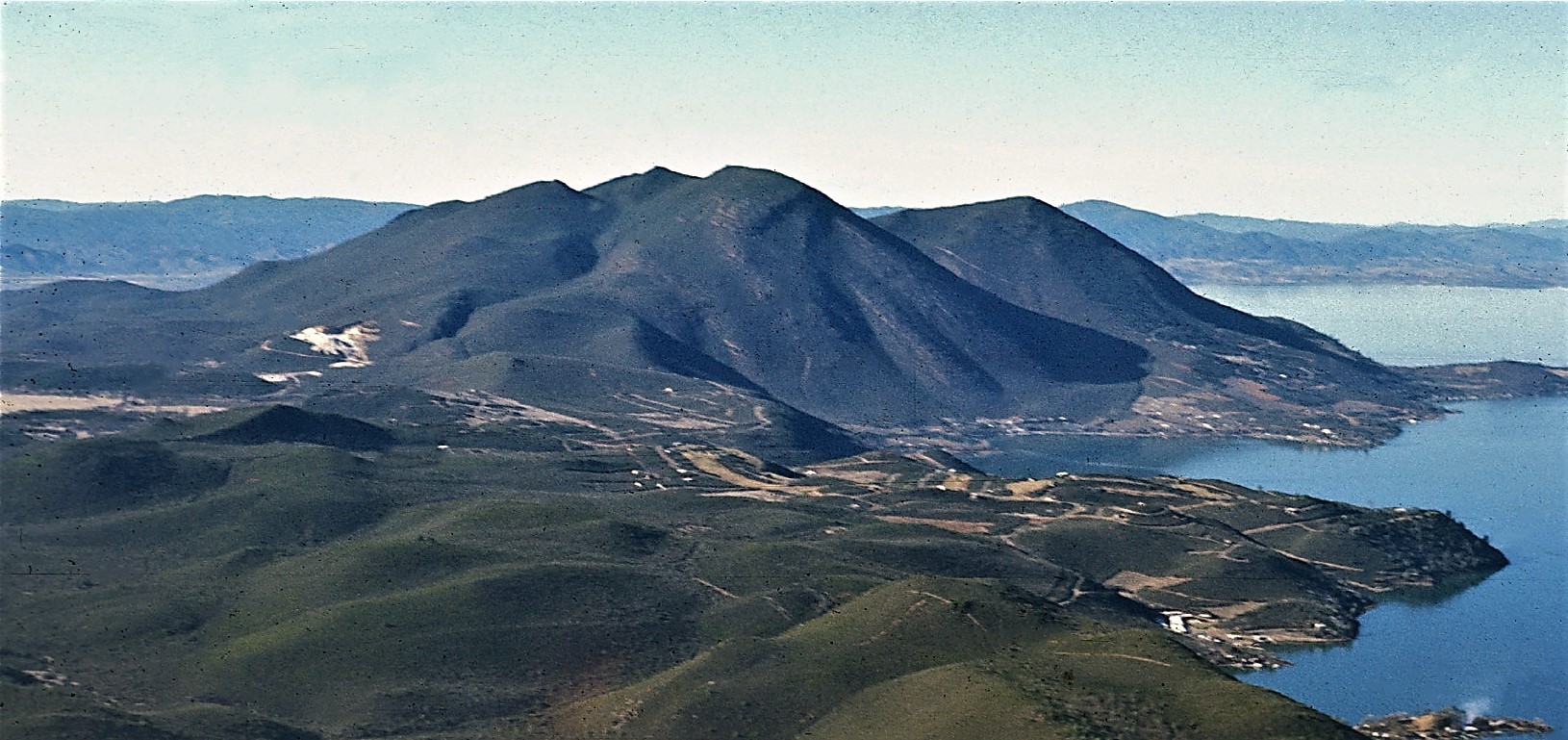
Approaching Mount Konocti, the dormant giant looms like a sentinel over Clear Lake, its five peaks carving a dramatic silhouette against the sky. The trek offers a profound sense of geological power, as hikers traverse ancient volcanic slopes layered with chaparral and oak forests. The contrast between the rugged volcanic terrain and the shimmering expanse of Clear Lake below creates a breathtaking panorama. Reaching the summit, the silence and vast sky evoke a deep connection to the earth’s fiery past, rewarding trekkers with a rare blend of natural beauty and volcanic mystery.
Geological Background of Mount Konocti
Mount Konocti is a complex volcano forming part of the Clear Lake Volcanic Field, one of California’s geothermally active regions. Its formation began approximately 350,000 years ago through a series of explosive eruptions and slow lava flows that shaped its five distinctive peaks. The mountain’s current form was largely sculpted between 300,000 and 600,000 years ago. Although dormant for around 11,000 years, Mount Konocti remains classified by the USGS as having a high threat potential due to the underlying magma field beneath the region. The volcano’s geology is marked by layers of volcanic rock, ash deposits, and fumaroles, with nearby geothermal activity evident at surrounding sites like Cobb Mountain. The volcanic soils support diverse vegetation, including chaparral and oak forests, while the mountain’s slopes reveal a rich volcanic history visible in its rugged terrain and mineral deposits.
Terrain and Hiking Experience on Mount Konocti
The hike up Mount Konocti is a moderately challenging journey that rewards trekkers with diverse terrain and stunning views. The primary trail follows a well-maintained dirt road that ascends steadily for about 3 miles to the summit, gaining approximately 1,800 feet in elevation. Early sections of the trail pass through private orchards and farmland, requiring hikers to stay on designated paths. As the trail climbs, the landscape transitions into dense chaparral dominated by manzanita, toyon, and chamise, with occasional breaks revealing glimpses of Clear Lake below. The terrain is mostly stable, with packed dirt and gravel surfaces, but hikers should be prepared for some loose scree and rocky patches near the summit. The trail winds through a surreal grove of massive Maul Oak trees, creating a shaded, almost enchanted atmosphere. Along the way, benches and pit toilets provide rest stops, and interpretive panels offer insights into the mountain’s natural and cultural history. The final ascent to Wright Peak, the highest summit, opens onto exposed ridges with panoramic views of the lake, surrounding valleys, and distant mountain ranges. Weather can vary, with cooler temperatures and stronger winds near the top, so layered clothing is recommended. The hike’s moderate difficulty makes it accessible to hikers with reasonable fitness, though the steady incline demands endurance. Overall, the terrain combines volcanic slopes, forested sections, and open ridgelines, offering a varied and rewarding trekking experience.
What Makes the Mount Konocti Trek Unique
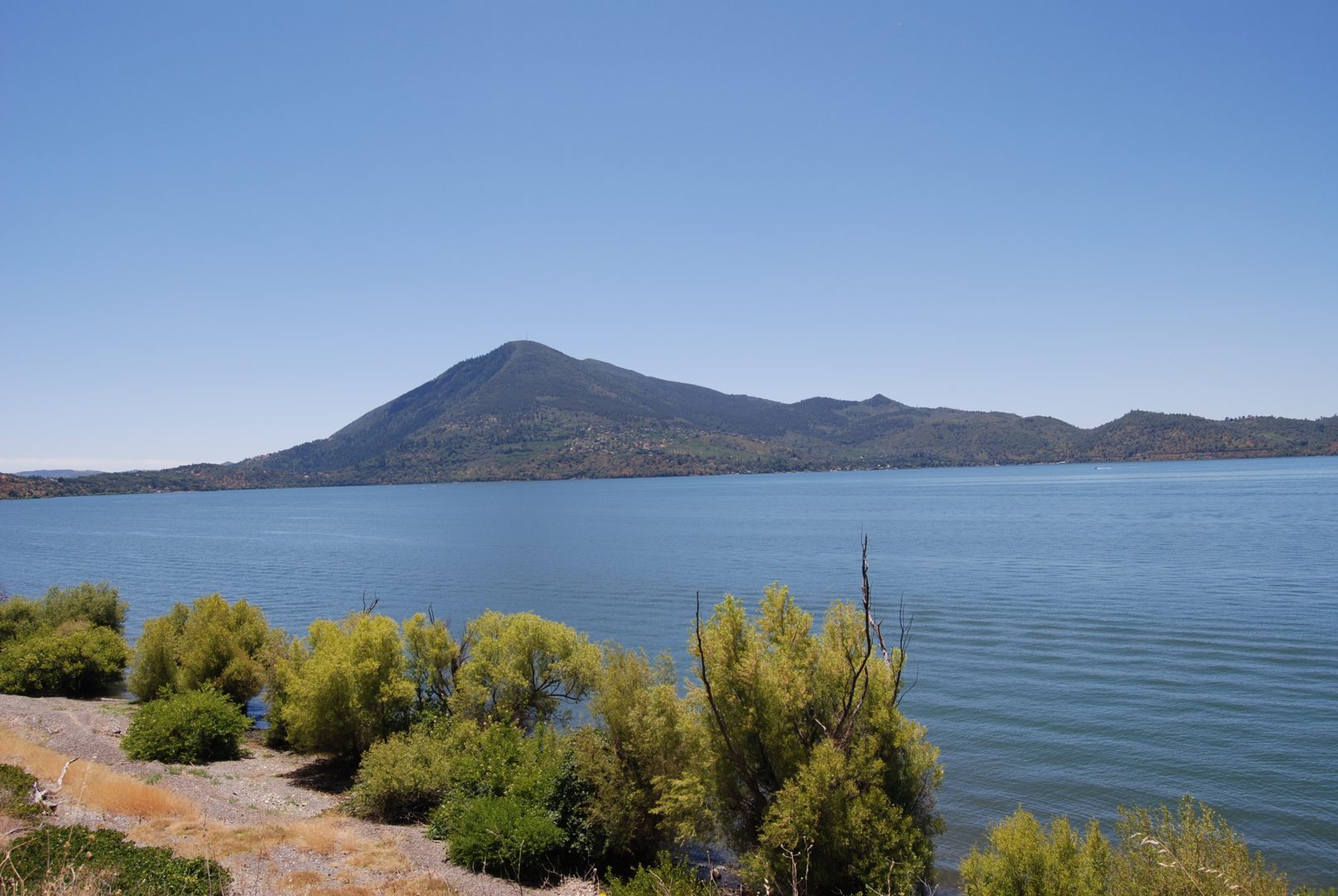
Mount Konocti stands out for its combination of geological significance, cultural heritage, and scenic vistas. Unlike many volcano hikes, it offers a blend of volcanic terrain and lush forests, with the surreal Maul Oak grove providing a magical hiking environment. The mountain’s five peaks allow for multiple summit experiences, each with distinct views. The trek is steeped in Native American legends, with the Pomo people considering it sacred ground. The presence of historical sites, such as the early 1900s Mary Downen cabin, adds a human story to the natural landscape. Panoramic views of Clear Lake, California’s largest natural freshwater lake, and the surrounding Coast Ranges create a dramatic backdrop. The relatively gentle volcanic slopes and well-maintained trails make it accessible while retaining a sense of wilderness and adventure. This combination of natural beauty, history, and geology makes Mount Konocti a compelling destination for volcano enthusiasts.
Summit and Crater Experience on Mount Konocti
Reaching the summit of Mount Konocti, hikers are greeted by expansive views that stretch across Clear Lake and the surrounding valleys. The summit area is open and windswept, offering a quiet, contemplative space far above the bustle below. Although the volcano is dormant and lacks an active crater, the summit’s volcanic origins are evident in the rugged rock formations and panoramic vistas. The air carries a faint scent of the earth’s geothermal past, and on clear days, distant peaks like Snow Mountain and Lassen Peak punctuate the horizon. The silence at the top is profound, broken only by the calls of birds and the rustling wind. The experience is both humbling and exhilarating, connecting visitors to the ancient volcanic forces that shaped this landscape.
Best Time to Trek Mount Konocti
The optimal seasons for trekking Mount Konocti are spring and fall, when temperatures are mild and the weather is generally stable. Spring brings vibrant wildflowers such as Indian paintbrush and California poppy, enhancing the natural beauty along the trail. Fall offers crisp air and clear skies, ideal for panoramic views. Summer hikes are possible but require early starts to avoid midday heat, as the exposed volcanic slopes offer little shade. Winter can bring cooler temperatures and occasional rain, making the trail slippery and less comfortable. Hikers should check weather forecasts and be prepared for variable conditions, especially wind near the summit. There are no volcanic activity restrictions currently, but visitors should stay informed through local park services.
Routes and Trail Options on Mount Konocti
Mount Konocti offers several hiking routes primarily accessed from Mount Konocti County Park. The most popular and straightforward route is the Wright Peak Trail, a 7.5-mile round trip that ascends about 1,800 feet. This trail follows a dirt road with a steady incline, suitable for moderate hikers. Starting at the main parking area near the park entrance, hikers pass through private orchards on approved trails before rejoining the fire road that leads to the summit. Along the way, a fork offers a side trip to Buckingham Peak, a 0.8-mile round trip detour with excellent views of Clear Lake, though the summit itself is crowded with radio towers. Another route leads to Howard Peak, adjacent to Wright Peak, allowing hikers to bag two summits in one outing. The trails are well-marked and maintained, with pit toilets and picnic benches at key points. While self-guided hiking is common, local tour operators provide guided hikes that include historical and geological insights. The terrain is mostly dirt roads and fire trails, making navigation straightforward. For those seeking longer adventures, connecting trails within the Konocti Regional Trails system offer extended hiking and mountain biking options.
Difficulty Assessment of Mount Konocti Trek
Mount Konocti is classified as a moderate volcano trek. The trail’s steady elevation gain of approximately 1,800 feet over 3 miles requires good cardiovascular fitness and endurance. The terrain is mostly dirt and gravel roads with some loose scree near the summit but no technical climbing or scrambling. The altitude of 4,305 feet is moderate and unlikely to cause significant altitude sickness for most hikers. The trail is well-maintained and marked, reducing navigational challenges. However, the exposed sections near the summit can be windy and cooler, requiring appropriate clothing. Overall, the trek is accessible to hikers with moderate experience and fitness, suitable for adventurous day hikers seeking a rewarding volcano summit experience without technical mountaineering.
Essential Gear for Mount Konocti Volcano Trekking
For a safe and comfortable hike on Mount Konocti, essential gear includes sturdy hiking boots with good grip to handle dirt and gravel trails. Trekking poles can aid stability on the steady incline and loose scree sections. Layered clothing is recommended to adapt to temperature changes and wind exposure near the summit. A windproof jacket is essential for summit conditions. Sun protection such as a wide-brimmed hat, sunglasses, and sunscreen is important due to limited shade on exposed slopes. Carry sufficient water and snacks to stay hydrated and energized during the 3 to 5-hour trek. A headlamp is useful if hiking early morning or late afternoon. While volcanic gases are minimal due to dormancy, a lightweight dust mask can be helpful on windy days to reduce inhalation of dust and pollen. A map or GPS device is recommended, although trails are well-marked. Finally, a camera or smartphone will capture the stunning panoramic views.
Safety and Volcanic Hazards on Mount Konocti
Mount Konocti is a dormant volcano with no recent eruptive activity, significantly reducing volcanic hazards for hikers. However, safety considerations include the risk of loose scree and gravel on the trail, which can cause slips and falls, especially near the summit. The exposed ridges can be windy, increasing the risk of hypothermia or wind chill, so appropriate clothing is essential. While volcanic gases are not currently a hazard, hikers should remain aware of any unusual odors or steam vents and avoid those areas. The trail crosses private property in some sections; staying on marked paths is important to respect landowners and avoid trespassing. Weather can change rapidly, so hikers should be prepared for sudden shifts and carry emergency supplies. Local agencies monitor volcanic activity, and hikers should check for any alerts before visiting. Overall, the trek is safe with standard hiking precautions and awareness of the natural environment.
Permits, Guides, and Logistics for Mount Konocti Trekking
Mount Konocti County Park is open to the public with no permit requirements or entry fees, making access straightforward for independent hikers. The trailhead is located at 518 Konocti Road, Kelseyville, California, with parking available near the park entrance. Facilities include pit toilets and picnic benches along the trail. While self-guided hiking is common, several local tour operators offer guided hikes that provide expert insights into the volcano’s geology, history, and ecology. Notable operators include Konocti Regional Trails, Lake County Adventure Tours, and Clear Lake Hiking Guides. These services often include transportation, interpretive commentary, and safety briefings, enhancing the trekking experience. Logistics for reaching Mount Konocti are convenient, with the mountain located approximately two hours north of San Francisco. Visitors can access the trailhead via Highway 29 and Konocti Road, which transitions to a well-maintained gravel road leading to the parking area. Accommodations are available in nearby towns such as Kelseyville and Clearlake, with options ranging from resorts to vacation rentals. Hikers are advised to carry sufficient water and supplies, as there are no services on the trail. Seasonal considerations include avoiding the hottest summer midday hours and checking weather forecasts. Overall, the lack of permit restrictions and presence of knowledgeable guides make Mount Konocti an accessible and well-supported volcano trekking destination.
Where to Stay Near Mount Konocti
Accommodation options near Mount Konocti cater to a range of preferences and budgets, providing convenient bases for volcano trekking. The historic Konocti Harbor Resort, located at the mountain’s base on the south shore of Clear Lake, offers 124 fully renovated rooms and suites with spectacular lake views. Amenities include a marina, multiple restaurants, a concert hall, a pool area, and shuttle services within the resort, making it ideal for travelers seeking comfort and convenience. In the nearby town of Kelseyville, visitors can find charming vacation rentals and furnished homes suitable for longer stays, many featuring modern amenities and scenic views. Clearlake and Nice, located within a short drive, offer additional lodging including motels, inns, and bed and breakfasts. For those preferring a more rustic experience, Mount Konocti County Park provides picnic areas and access to natural surroundings, though no camping facilities are currently available within the park. The proximity of these accommodations to the trailhead—typically within a 10 to 15-minute drive—allows for early morning starts and relaxed evenings after the hike. Local wineries and dining establishments enhance the visitor experience, offering opportunities to explore Lake County’s burgeoning wine country. Overall, the region’s lodging options provide comfortable and accessible bases for exploring Mount Konocti and its volcanic landscapes.