
Trekking Lake Lanoto’o: A Complete Guide to Samoa’s Volcanic Crater Lake Hike
Explore the volcanic crater lake of Lake Lanoto’o on Upolu Island, Samoa. This moderate trek through lush rainforest leads to a stunning volcanic caldera lake, a Ramsar Wetland of international importance. Discover the unique geology, diverse terrain, and practical details for an unforgettable volcano hiking adventure.
Quick Volcano Snapshot
| Attribute | Value |
|---|---|
| Volcano type | Caldera |
| Elevation | Approximately 760 meters |
| Location | Upolu Island, Samoa |
| Activity status | Dormant |
| Trekking difficulty | Moderate |
| Typical trek duration | 5 to 5.5 hours round trip |
| Altitude gain | Moderate elevation gain over 3 km ascent |
| Terrain type | Dense tropical rainforest, steep and slippery trails, volcanic crater lake |
| Best season | Dry season (May to October) |
| Temperature range | 20°C to 28°C (68°F to 82°F) |
| Permit requirement | Entrance fee required; guided tours recommended |
The Experience of Hiking Lake Lanoto’o
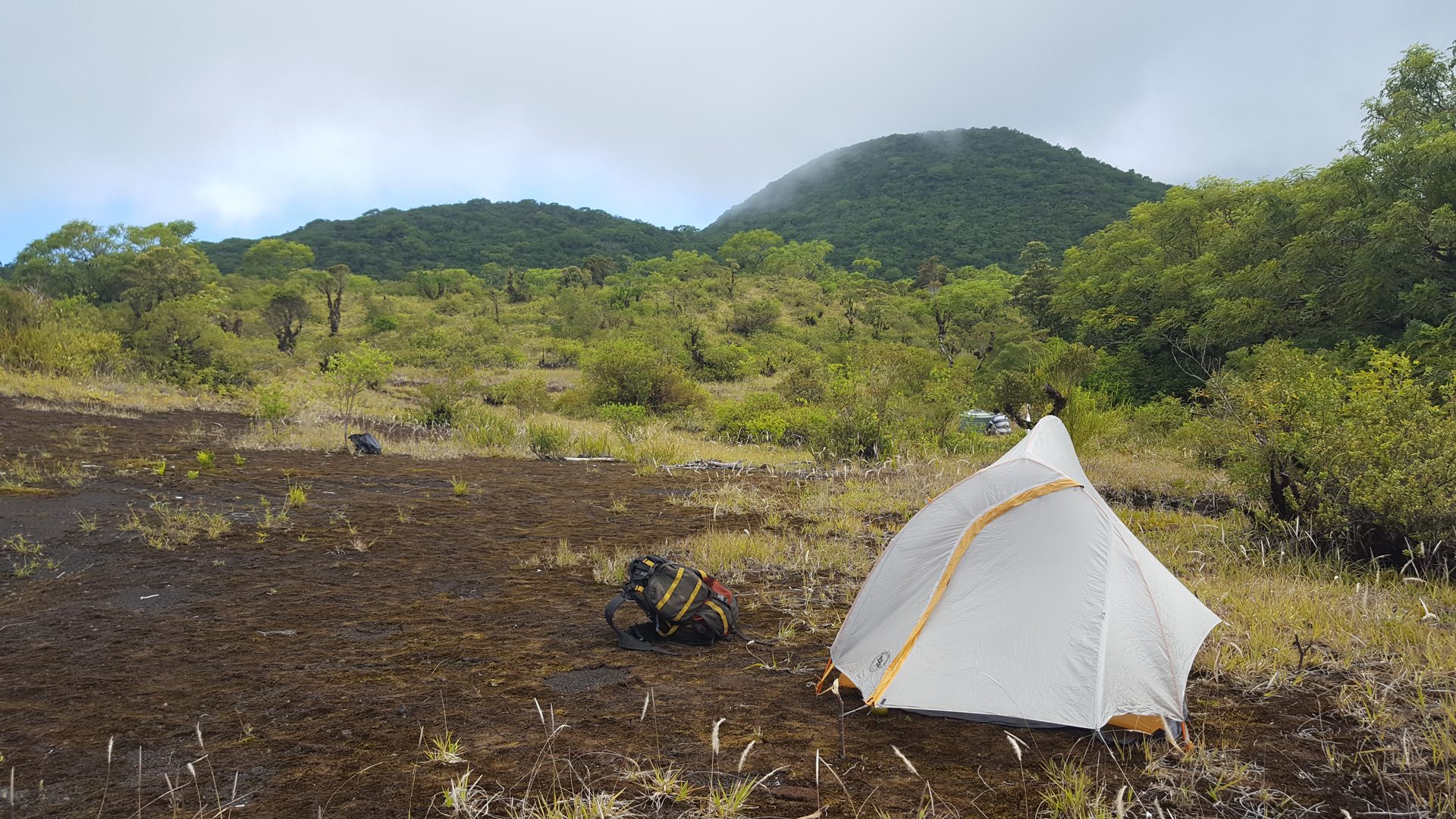
Approaching Lake Lanoto’o, the air thickens with the scent of tropical rainforest and the promise of volcanic mystery. The trail winds steeply through dense foliage, the canopy filtering dappled sunlight onto the moist earth beneath your feet. Each step brings you closer to the caldera rim, where the lush green forest abruptly gives way to the shimmering emerald waters of the crater lake. The contrast between the vibrant life of the rainforest and the serene, almost otherworldly stillness of the volcanic lake creates a profound sense of geological power and natural beauty. Reaching the lake’s edge, the cool water invites a refreshing swim, a rare reward after the challenging ascent. The silence here is punctuated only by bird calls and the gentle ripple of water, a humbling reminder of the Earth’s ancient forces sculpting this landscape.
Geological Background of Lake Lanoto’o
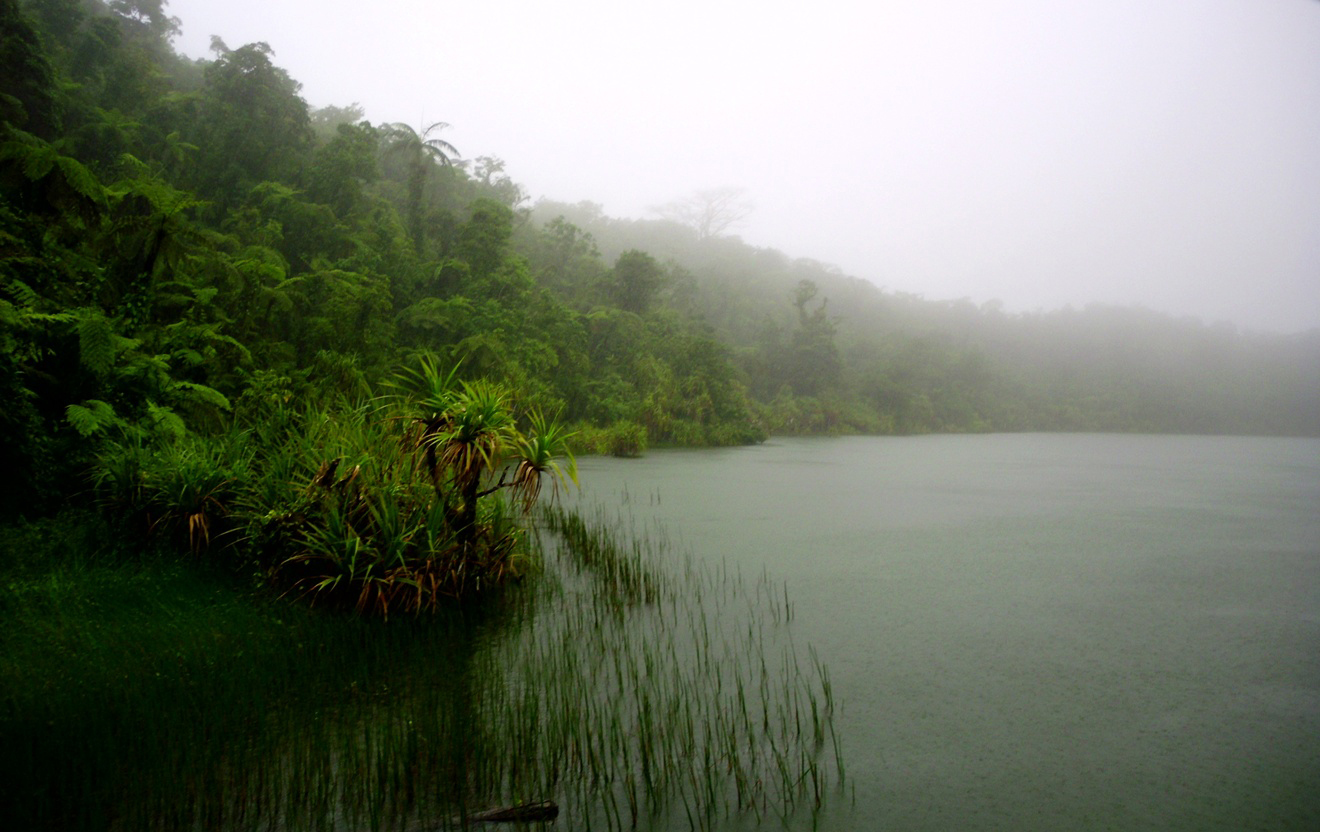
Lake Lanoto’o is a volcanic caldera formed by the collapse of a large magma chamber following a massive eruption in Samoa’s geological past. This caldera, now filled with water, represents the largest crater lake on Upolu Island. The volcano’s dormant status means no recent eruptions, but its volcanic origins are evident in the surrounding terrain and mineral-rich waters. The caldera’s steep walls are cloaked in dense tropical rainforest, a stark contrast to the barren lava fields often associated with volcanoes. The lake itself is a Ramsar Wetland of international importance, reflecting its unique ecological and geological significance. Fumaroles and sulfur deposits are minimal here, but the volcanic minerals enrich the lake’s ecosystem, supporting diverse flora and fauna. The volcanic soils contribute to the lush vegetation, making this caldera a rare blend of volcanic heritage and vibrant biodiversity.
Terrain and Hiking Experience on Lake Lanoto’o Trek
The trek to Lake Lanoto’o is a rewarding journey through some of Samoa’s most pristine rainforest landscapes, combined with the unique challenge of volcanic terrain. Starting from a rough 4WD access road, the trail quickly immerses hikers in dense tropical foliage. The path is approximately 6.5 kilometers round trip, with a 3-kilometer ascent to the crater rim. The terrain varies from well-trodden dirt tracks to steeper, sometimes slippery sections covered in wet leaves and volcanic soil. After rain, the trail can become particularly slick, demanding sturdy hiking boots with good tread and careful footing. The ascent involves a mix of gradual climbs and more demanding uphill stretches that elevate the heart rate and test endurance. Along the way, hikers navigate through a rich variety of native plants and trees, with guides often pointing out unique flora and fauna, including the endemic bird species that inhabit the forest. The trail’s volcanic origin is subtly felt in the soil texture and occasional rocky outcrops, though the dense vegetation softens the volcanic harshness. Nearing the summit, the forest canopy opens to reveal breathtaking views of the crater lake below, its emerald waters framed by steep caldera walls. The lake’s surface is often calm, reflecting the sky and surrounding greenery, creating a surreal and tranquil atmosphere. The final descent to the lake’s edge is a gentle walk, where hikers can cool off with a swim in the pristine volcanic waters. The lake is home to wild goldfish, adding a touch of life to the serene environment. The return hike retraces the ascent, allowing trekkers to appreciate the rainforest’s changing light and sounds. Overall, the terrain offers a moderate challenge suitable for hikers with a reasonable level of fitness and experience with uneven, sometimes slippery trails. The combination of volcanic landscape and tropical rainforest makes this trek a unique adventure, blending geological intrigue with ecological richness.
What Makes the Lake Lanoto’o Trek Unique
Lake Lanoto’o stands out as a volcano trek due to its rare combination of volcanic geology and rich tropical ecology. Unlike many volcanic hikes dominated by barren lava fields, this trek immerses hikers in a lush rainforest that cloaks the caldera’s steep walls. The destination itself—a volcanic crater lake designated as a Ramsar Wetland of international importance—offers a pristine swimming spot rarely found on volcano treks. The presence of wild goldfish in the lake adds an unusual aquatic element to the volcanic environment. The trek’s moderate difficulty and relatively short duration make it accessible to a broad range of hikers seeking adventure without extreme technical challenges. Additionally, the cultural significance of the area and the opportunity to explore Samoa’s hinterland with experienced local guides enrich the experience. The trail’s steep and sometimes slippery sections provide a physical challenge, while the rewarding views and refreshing lake swim create a memorable balance of effort and relaxation. This trek is also notable for its off-the-beaten-path character, offering solitude and an authentic connection to Samoa’s volcanic heritage and natural beauty.
Summit and Crater Experience at Lake Lanoto’o
Reaching the summit of Lake Lanoto’o’s caldera is a moment of profound awe. The dense rainforest canopy parts to reveal the crater lake’s shimmering emerald surface, nestled within steep volcanic walls. The air here is cooler and carries the fresh scent of water and earth. The lake’s stillness contrasts with the exertion of the climb, inviting hikers to pause and absorb the panoramic views of Upolu’s mountainous interior. The volcanic origin of the crater is palpable in the steep, rugged rim and the unique mineral composition of the lake’s waters. The opportunity to swim in the cool, clear lake is a rare and refreshing reward, offering a chance to connect physically with the volcanic landscape. The surrounding forest teems with birdlife, and the quiet is punctuated by their calls, enhancing the sensory experience. The summit area provides a serene vantage point to contemplate the power of volcanic forces that shaped this landscape millennia ago.
Best Time to Trek Lake Lanoto’o
The optimal time to trek Lake Lanoto’o is during Samoa’s dry season, from May to October. During these months, rainfall is reduced, making the trail less slippery and the ascent safer and more enjoyable. The temperatures range from 20°C to 28°C, providing comfortable hiking conditions without extreme heat. Trekking in the wet season, from November to April, can be challenging due to heavy rains that make the trail muddy and slippery, increasing the risk of falls. Additionally, the wet season may bring more insects and unpredictable weather changes. Early morning starts are recommended to avoid midday heat and to experience the rainforest’s vibrant wildlife activity. Sunrise hikes are less common here due to logistical constraints but can offer spectacular lighting on the crater lake. Visitors should also consider local weather forecasts and volcanic monitoring updates, although Lake Lanoto’o is dormant and poses minimal volcanic risk. Planning your trek during the dry season ensures safer footing, clearer views, and a more pleasant overall experience.
Routes and Trail Options for Lake Lanoto’o Trek
The primary route to Lake Lanoto’o begins near the Lake Lanoto’o National Park entrance, accessible via a rough 4WD road from Apia. The trail is approximately 6.5 kilometers round trip, with a 3-kilometer ascent to the crater rim. The hike typically takes between 5 and 5.5 hours, including time for swimming and resting at the lake. The first kilometer follows a 4WD track, which then transitions into a narrow, steep trail through dense rainforest. There are no alternative official routes, making this a straightforward out-and-back trek. Guided tours often include hotel pickup from Apia, transportation to the trailhead, and a knowledgeable guide who provides insights into the local flora, fauna, and volcanic geology. Self-guided hiking is possible but less common due to the challenging terrain and limited signage. The trail features some steep and slippery sections, especially after rain, so hikers should be prepared with appropriate footwear and trekking poles if desired. The return route follows the same path, allowing hikers to experience the changing forest atmosphere on descent. Some tours combine the Lake Lanoto’o hike with additional activities such as a refreshing dip in a nearby creek pool at the base of Mt. Vaea, enhancing the day’s adventure. Overall, the route offers a well-defined, moderately challenging trek suitable for hikers seeking a unique volcanic rainforest experience.
Difficulty Assessment of Lake Lanoto’o Trek
The Lake Lanoto’o trek is classified as a moderate volcano trek. The trail covers approximately 6.5 kilometers round trip with an elevation gain of around 300 to 400 meters. Hikers encounter steep and sometimes slippery sections, particularly after rainfall, requiring good balance and sturdy footwear with strong grip. The terrain consists mainly of dirt paths through dense rainforest, with occasional rocky outcrops and wet leaves that can increase the risk of slipping. While no technical climbing skills are required, a reasonable level of fitness is necessary to manage the sustained uphill sections and the overall duration of 5 to 5.5 hours. Altitude is not a significant factor here, as the summit elevation is moderate at approximately 760 meters. The trail is not suitable for those with back, mobility, or heart problems, and caution is advised for hikers prone to slips or falls. The presence of a guide is recommended for safety and navigation, especially for visitors unfamiliar with tropical rainforest hiking. Overall, the trek offers a rewarding challenge that balances physical exertion with the opportunity to explore a unique volcanic and ecological environment.
Essential Gear for Trekking Lake Lanoto’o
Proper gear is crucial for a safe and enjoyable trek to Lake Lanoto’o. Recommended items include sturdy hiking boots with good tread to handle slippery and uneven terrain. Trekking poles can provide additional stability on steep or wet sections. Lightweight, breathable clothing suitable for tropical rainforest conditions is advised, along with a waterproof jacket or poncho in case of rain. A sun hat and sunscreen are essential due to limited shade in some areas. Insect repellent is important to protect against mosquitoes and other insects common in rainforest environments. Carry a daypack with sufficient water (at least 2 liters) and snacks or a packed lunch, as the hike can take over five hours. Swimming gear and a towel are recommended to enjoy the refreshing crater lake swim. A waterproof bag or case for electronics and valuables helps protect against moisture. A headlamp or flashlight is useful if hiking early or late in the day. Finally, a basic first aid kit and any personal medications should be included. Guides often provide additional safety equipment and refreshments on organized tours.
Safety and Volcanic Hazards on Lake Lanoto’o Trek
Lake Lanoto’o is a dormant volcanic caldera, presenting minimal volcanic hazards to trekkers. However, safety considerations remain important. The trail’s steep and slippery sections pose risks of falls and injuries, especially after rain. Hikers should wear appropriate footwear and consider trekking poles for stability. The dense rainforest environment can harbor insects, including mosquitoes, so insect repellent is essential to prevent bites and potential diseases. Sudden weather changes, such as tropical showers, can make the trail wet and slippery, increasing accident risk. There are no active fumaroles or sulfur vents near the trail, reducing exposure to volcanic gases. Nonetheless, hikers should remain alert to any unusual smells or signs and follow guidance from local authorities or guides. The caldera rim edges can be steep and unstable in places, so caution is advised near cliff edges. Emergency services are limited in this remote area, so preparedness and communication with guides are critical. Visitors should heed park regulations, stay on marked trails, and avoid hiking alone. Monitoring agencies in Samoa maintain oversight of volcanic activity, but Lake Lanoto’o’s dormant status means no current eruption risk.
Permits, Guides, and Logistics for Lake Lanoto’o Trek
Visiting Lake Lanoto’o requires an entrance fee to the Lake Lanoto’o National Park, typically ranging from $5 to $10 USD per person. This fee supports park maintenance and conservation efforts. While self-guided hiking is possible, hiring a local guide is highly recommended for safety, navigation, and enriching the experience with cultural and ecological insights. Several reputable tour operators offer guided hikes, including Samoan Island Adventures, Samoa Hideaway Adventures, Spacifica Travel, and TourHQ. These operators provide comprehensive packages that often include hotel pickup from Apia, transportation to the trailhead via 4WD vehicles, guided trekking, refreshments, and sometimes a packed lunch. Guided tours generally cost between $50 and $100 USD per person for a half-day excursion. Booking in advance is advisable, especially during peak tourist seasons. The trailhead is accessible by a rough 4WD road, and private or rental vehicles can be used, though public transportation options are limited. Hikers should prepare for moderate physical exertion and bring appropriate gear, including sturdy footwear and insect repellent. The hike covers approximately 6.5 kilometers round trip and takes about 5 to 5.5 hours, including time for swimming in the crater lake. Safety briefings and printed informational handouts are often provided by guides. Visitors should be aware that the trail can be wet and slippery, so caution is necessary. The park is not wheelchair or stroller accessible, and the hike is unsuitable for young children, pregnant women, or individuals with significant health issues. Planning logistics around accommodation in Apia or nearby lodges is common, with many tours offering convenient hotel transfers. Overall, the combination of permit requirements, guided services, and logistical support ensures a safe and rewarding trekking experience at Lake Lanoto’o.
Where to Stay Near Lake Lanoto’o
Accommodation options near Lake Lanoto’o are primarily centered around Apia, Samoa’s capital city, located approximately 30 to 40 minutes’ drive from the trailhead. Apia offers a range of lodging choices, from budget guesthouses to mid-range hotels and boutique resorts. Popular options include the Taumeasina Island Resort, known for its beachfront location and modern amenities, and the Central Hotel Apia, offering comfortable rooms in the city center. For travelers seeking eco-tourism experiences closer to nature, several lodges and guesthouses on Upolu Island provide a more rustic stay with easy access to the national park. These include the Le Lagoto Resort & Spa and the Sinalei Reef Resort & Spa, both offering tranquil environments and cultural experiences. Basic accommodations near the park start at around $30 USD per night, while more upscale options can reach $100 USD or more. Many guided tours include hotel pickup and drop-off from Apia, making it convenient to stay in the city and access the trailhead without the need for remote lodging. Amenities in Apia include restaurants, markets, and shops for outdoor gear and supplies. For those interested in extending their volcanic exploration, Apia serves as a strategic base with transport connections to other natural attractions on Upolu and neighboring islands. Early booking is recommended during peak travel seasons to secure preferred accommodations.