
Hiking Mount Susitna: Exploring Alaska’s Iconic Sleeping Lady Volcano Trek
Mount Susitna, known as the Sleeping Lady, is a majestic extinct stratovolcano in Alaska offering a moderate trek with rich geological history, stunning landscapes, and cultural significance. This guide covers routes, terrain, safety, permits, accommodations, and expert tips for an unforgettable volcano hiking experience.
Quick Volcano Snapshot
| Attribute | Value |
|---|---|
| Volcano type | Stratovolcano (extinct) |
| Elevation | 4,396 feet (1,340 meters) |
| Location | Alaska, United States |
| Activity status | Extinct |
| Trekking difficulty | Moderate |
| Typical trek duration | 3-5 hours round trip |
| Altitude gain | Approximately 1,500 feet |
| Terrain type | Mixed forest trails, rocky slopes, alpine tundra |
| Best season | Late spring to early fall (May to September) |
| Temperature range | 20°F to 65°F (-6°C to 18°C) depending on season |
| Permit requirement | No formal permit required, but guided tours recommended |
Introduction: The Experience of Hiking Mount Susitna
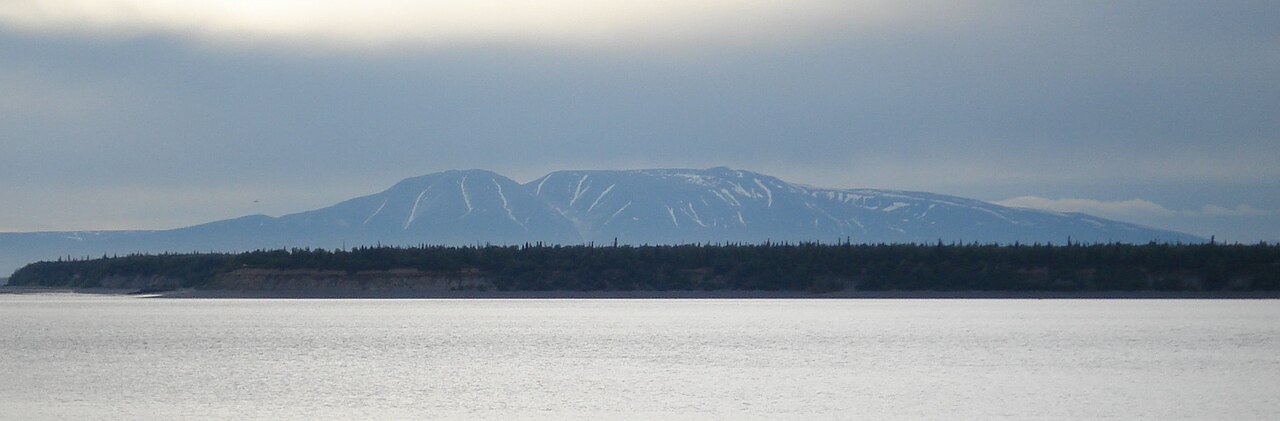
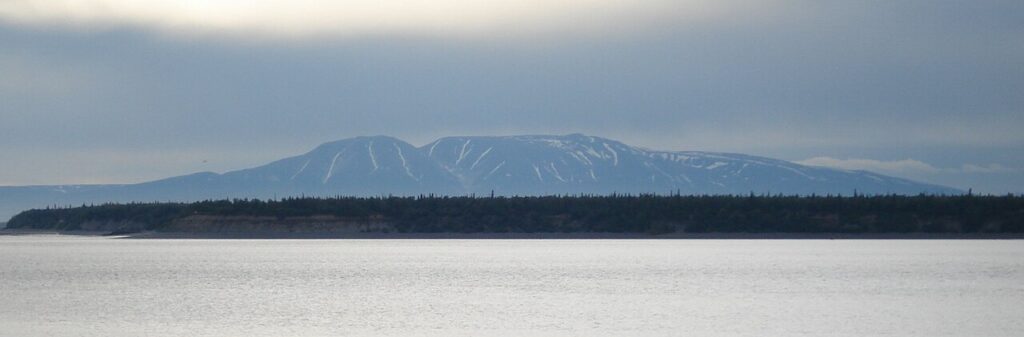
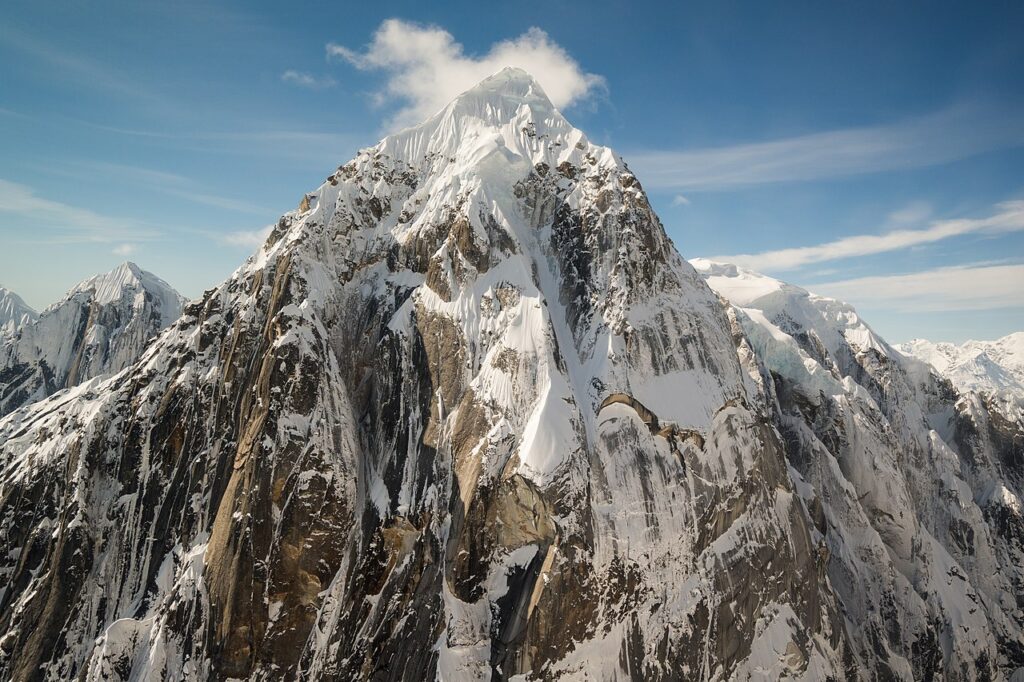
Approaching Mount Susitna, also known as the Sleeping Lady, is like stepping into a living legend. The mountain’s distinctive silhouette, resembling a reclining woman, dominates the horizon across the Susitna River valley. As you begin the ascent, the landscape shifts from dense cottonwood forests to open alpine tundra, revealing the raw power of Alaska’s geological past. The air is crisp and often carries the scent of pine and earth, while the vast sky above frames the mountain’s rugged profile. Reaching the summit offers a profound sense of connection to the land and its stories, with panoramic views stretching from the Alaska Range to the Cook Inlet. The climb is both a physical challenge and a journey through time, where every step echoes ancient glacial movements and native legends.
The Volcano Itself: Geological Background
Mount Susitna is an extinct stratovolcano shaped by ancient volcanic activity and sculpted by glaciers over millions of years. Classified as a roche moutonnée, its smooth, streamlined form was carved by massive ice sheets during the late Pliocene to early Pleistocene epochs, approximately 2 to 6 million years ago. This glacial action polished the mountain’s surface, creating its characteristic teardrop shape aligned with ice flow direction. The mountain is composed primarily of Jurassic quartz monzonite to granodiorite plutons, reflecting deep magmatic processes from the Mesozoic era. Though no longer active, Mount Susitna’s volcanic roots are evident in its rugged terrain and mineral composition. The mountain’s geological story is intertwined with the region’s glaciations, including the Mount Susitna glaciation, which left behind erratics and distinctive landforms. Fumaroles and volcanic gases are absent today, but the mountain’s form remains a testament to Alaska’s dynamic volcanic and glacial history.
The Volcano Trek: Terrain and Hiking Experience
Hiking Mount Susitna offers a diverse and engaging terrain that challenges and rewards trekkers with every step. The trail begins in dense boreal forest, where towering cottonwoods and spruce trees create a shaded canopy. Early sections feature well-defined dirt paths interspersed with roots and occasional rocky patches, requiring careful footing. As you ascend, the forest thins, giving way to open slopes covered in wildflowers during summer months, including Arctic lupine and fireweed. The terrain becomes rockier and steeper, with loose scree and volcanic debris demanding steady balance and surefootedness. Near the summit, hikers encounter alpine tundra characterized by low-lying shrubs, mosses, and lichens, with panoramic views opening to the surrounding Alaska Range and Cook Inlet. The ascent involves approximately 1,500 feet of elevation gain over roughly 3 to 5 miles round trip, making it a moderate challenge suitable for hikers with good fitness. Weather can shift rapidly, with strong winds and temperature drops common near the summit, so layered clothing is essential. The trail’s varied terrain—from forested paths to rocky ridges—provides a comprehensive hiking experience that immerses visitors in Alaska’s wild heart. Wildlife sightings, including black bears and moose, are possible, so hikers should remain vigilant and prepared. The descent offers opportunities to slide down scree slopes, adding an element of playful adventure to the trek. Overall, Mount Susitna’s terrain demands respect and preparation but rewards with stunning natural beauty and a profound sense of accomplishment.
What Makes This Volcano Trek Unique
Mount Susitna’s trek is unique for its blend of geological significance, cultural heritage, and accessible wilderness. The mountain’s iconic profile, known as the Sleeping Lady, is steeped in Dena’ina Native legends that add a deep cultural resonance to the hike. Unlike many volcanic treks, Susitna is extinct, allowing hikers to explore without the immediate hazards of volcanic activity while still experiencing dramatic volcanic landscapes shaped by ancient eruptions and glaciations. The proximity to Anchorage makes it a rare opportunity to access wild Alaskan terrain within a short drive from a major city. The mountain’s diverse ecosystems, from river-bottom forests to alpine tundra, showcase Alaska’s ecological richness. The panoramic summit views encompass the Alaska Range, Cook Inlet, and neighboring peaks, providing a breathtaking reward. Seasonal wildflower blooms and potential wildlife encounters further enrich the experience. This combination of natural beauty, cultural storytelling, and geological intrigue makes Mount Susitna a standout volcano trek in North America.
The Summit and Crater Experience
Reaching Mount Susitna’s summit is a moment of awe and reflection. The peak, standing at 4,396 feet, offers sweeping views of the Alaska Range’s rugged peaks, the winding Susitna River, and the vast expanse of Cook Inlet. The air is often crisp and carries the faint scent of alpine flora. Though the volcano is extinct and lacks an active crater, the summit’s rocky outcrops and tundra vegetation reveal the mountain’s volcanic origins. The silence at the top is profound, broken only by the wind and distant calls of birds. The panoramic vistas allow hikers to appreciate the scale of Alaska’s wilderness and the mountain’s place within it. The summit’s exposure to wind and weather demands appropriate gear, but the reward is a serene vantage point steeped in natural and cultural history.
Best Time to Trek Mount Susitna
The optimal time to hike Mount Susitna is from late spring through early fall, typically May to September. During these months, trails are mostly free of snow, temperatures are milder, and daylight hours are long, providing ample time for safe trekking. Summer brings wildflower blooms and active wildlife, enhancing the hiking experience. Early spring and late fall can be unpredictable, with snow cover and colder temperatures increasing difficulty and risk. Winter ascents are possible for experienced mountaineers equipped for snow and ice but are not recommended for casual hikers. Weather in Alaska is notoriously variable; hikers should prepare for sudden changes including rain, wind, and temperature drops. Monitoring local weather forecasts and trail conditions before the hike is essential. Guided tours often operate during the peak season, offering added safety and local knowledge.
Trekking Routes and Trail Options
Mount Susitna offers several trekking routes catering to different preferences and fitness levels. The most popular route begins at the Government Peak Recreation Area, following a well-marked trail that ascends through mixed forest and alpine zones. This main trail covers approximately 3.8 miles with an elevation gain of around 1,500 feet, typically completed in 3 to 5 hours round trip. The trail is moderately steep with some rocky sections and loose scree near the summit. Another option is the Wolverine Peak Trail, located nearby, which offers a shorter 5-mile hike with rewarding views of the Alaska Range and Cook Inlet. Starting points are accessible by car from Anchorage and nearby communities, with parking available at trailheads. Both routes can be tackled independently by experienced hikers or with guided tours provided by local operators such as Susitna Adventure Lodge and Anchorage Mountain Guides. These guided options include transportation, safety briefings, and expert knowledge of the terrain and local ecology. Seasonal trail conditions vary, so hikers should check current reports before setting out. The variety of routes allows visitors to tailor their experience, whether seeking a day hike or a more immersive adventure.
Difficulty Assessment
Mount Susitna is classified as a moderate volcano trek. The trail involves steady elevation gain of approximately 1,500 feet over a few miles, with sections of rocky and loose terrain that require good balance and hiking experience. While technical climbing skills are not necessary, hikers should be prepared for uneven surfaces, potential wind exposure near the summit, and variable weather conditions. The altitude is moderate, so altitude sickness is generally not a concern. Fitness levels should be adequate for sustained uphill hiking and some scrambling over rocks. Beginners with good physical condition can complete the trek, but those new to mountain hiking should consider guided tours for safety and support. Proper preparation, including appropriate gear and awareness of weather changes, is essential to ensure a safe and enjoyable ascent.
Essential Volcano Trekking Gear
For hiking Mount Susitna, essential gear includes sturdy hiking boots with good grip to navigate rocky and loose terrain safely. Trekking poles are recommended to assist with balance and reduce strain on knees during ascent and descent. Layered clothing is vital to adapt to changing temperatures and wind exposure, including a windproof and waterproof jacket. A warm hat and gloves are advisable, especially near the summit. Sun protection such as sunglasses, sunscreen, and a wide-brimmed hat is important due to limited shade and reflective surfaces. Carry sufficient water and high-energy snacks to maintain hydration and energy levels. A headlamp is useful for early starts or late finishes. While the volcano is extinct and volcanic gases are not a concern, a basic first aid kit and a map or GPS device are recommended for safety. Bear spray is advisable in this Alaskan wilderness area due to potential wildlife encounters. Finally, a fully charged mobile phone and knowledge of emergency contacts enhance preparedness.
Safety and Volcanic Hazards
Mount Susitna is an extinct volcano, so active volcanic hazards such as eruptions, lava flows, or toxic gases are not present. However, safety considerations remain paramount due to the mountain’s rugged terrain and Alaskan wilderness setting. Hikers should be cautious of loose rocks and scree slopes that can cause slips and falls. Weather conditions can change rapidly, bringing cold temperatures, strong winds, rain, or fog, which reduce visibility and increase risk. Wildlife encounters, including black bears and moose, require vigilance and preparedness; carrying bear spray and knowing how to respond to wildlife is essential. Trailheads and routes are not heavily trafficked, so hikers should inform someone of their plans and expected return time. Emergency services may be limited in remote areas. Monitoring local weather forecasts and trail conditions before and during the hike is critical. While volcanic hazards are absent, natural mountain risks demand respect and careful planning to ensure a safe and rewarding experience.
Permits, Guides, and Logistics
Mount Susitna does not require formal permits for hiking, making it accessible for independent trekkers. However, guided tours are highly recommended for safety, local knowledge, and enhanced experience. Notable tour operators include Susitna Adventure Lodge, Susitna River Lodge, and Anchorage Mountain Guides. These companies offer packages that may include transportation from Anchorage, guided hikes, equipment rental, and meals. The Susitna Adventure Lodge, located along the Denali Highway, provides all-inclusive adventure experiences year-round, catering to families and small groups. Susitna River Lodge in Talkeetna offers comfortable accommodations and access to local trails, serving as a convenient base for exploring Mount Susitna and surrounding areas. Anchorage Mountain Guides specializes in mountain and volcano trekking, providing expert guides familiar with the terrain and weather conditions. Costs for guided hikes vary but typically range from $150 to $300 per person depending on the length and inclusions. Logistics include traveling from Anchorage, approximately 33 miles southeast, via car or shuttle services to trailheads. Parking is available at Government Peak Recreation Area and other access points. Hikers should prepare for variable weather and bring appropriate gear. While no permits are required, respecting local regulations, wildlife, and natural resources is essential. Seasonal closures are rare but checking with local authorities or tour operators before planning is advised.
Where to Stay Near Mount Susitna
Accommodation options near Mount Susitna cater to a range of preferences, from rustic lodges to comfortable bed and breakfasts. The Susitna Adventure Lodge, situated along the Denali Highway, offers a private, year-round all-inclusive experience surrounded by pristine wilderness and mountain peaks. The lodge features cozy rooms, locally sourced meals prepared by Alaskan chefs, and daily guided adventures, making it ideal for families and small groups seeking immersive nature experiences. For travelers preferring proximity to town amenities, Susitna River Lodge in Talkeetna provides well-furnished cabins and lodge rooms with stunning views of the Susitna River. Located within walking distance of Talkeetna’s historic downtown, it offers easy access to shops, restaurants, and museums. The lodge is praised for its cleanliness, hospitality, and convenient location for day trips to Mount Susitna and Denali National Park. In Anchorage, Susitna Place Bed & Breakfast offers a quiet retreat with panoramic views of Cook Inlet and the Alaska Range, including Mount Susitna. Located just minutes from downtown Anchorage, it combines city convenience with scenic tranquility. Rooms feature private baths and hearty homemade breakfasts. Additional lodging options include campgrounds and smaller inns in the Matanuska-Susitna Borough, providing bases for exploring the region’s trails. Early booking is recommended during peak hiking season. Whether seeking wilderness immersion or town comforts, visitors to Mount Susitna will find suitable accommodations within a short drive of trailheads.