Mount Teide Volcano Trekking Guide: Summit Permits, Routes, and Safety Tips for Spain’s Highest Peak
Mount Teide, Spain’s highest volcano at 3,715 meters, offers a dramatic trekking experience through volcanic landscapes, requiring permits for summit access. This guide covers geology, terrain, routes, permits, accommodations, and safety for adventurous hikers.
Quick Volcano Snapshot
| Attribute | Value |
|---|---|
| Volcano type | stratovolcano |
| Elevation | 3,715 m |
| Location | Tenerife, Canary Islands, Spain |
| Activity status | active (dormant phase) |
| Trekking difficulty | moderate to demanding |
| Typical trek duration | 5 to 7 hours (base to summit and back) |
| Altitude gain | 1,350 m (from base to summit) |
| Terrain type | lava fields, volcanic ash slopes, rocky ridges |
| Best season | April to October |
| Temperature range | -5°C to 20°C (summit temperatures vary seasonally) |
| Permit requirement | mandatory permit required for summit access |
Introduction: The Experience of Hiking Mount Teide
Approaching Mount Teide, the landscape unfolds into a vast volcanic wilderness marked by jagged lava fields and barren ash slopes. The towering stratovolcano dominates Tenerife’s skyline, its summit piercing the sky at 3,715 meters. Hiking here is a journey into the heart of geological power, where the earth’s molten past is etched in every rock and crater. The contrast between the stark volcanic terrain and the lush pine forests below creates a surreal atmosphere. Reaching the summit, hikers are rewarded with panoramic views stretching across the Canary Islands and a profound sense of standing atop Spain’s highest point, surrounded by fumaroles and the scent of sulfur.
Geological Background of Mount Teide
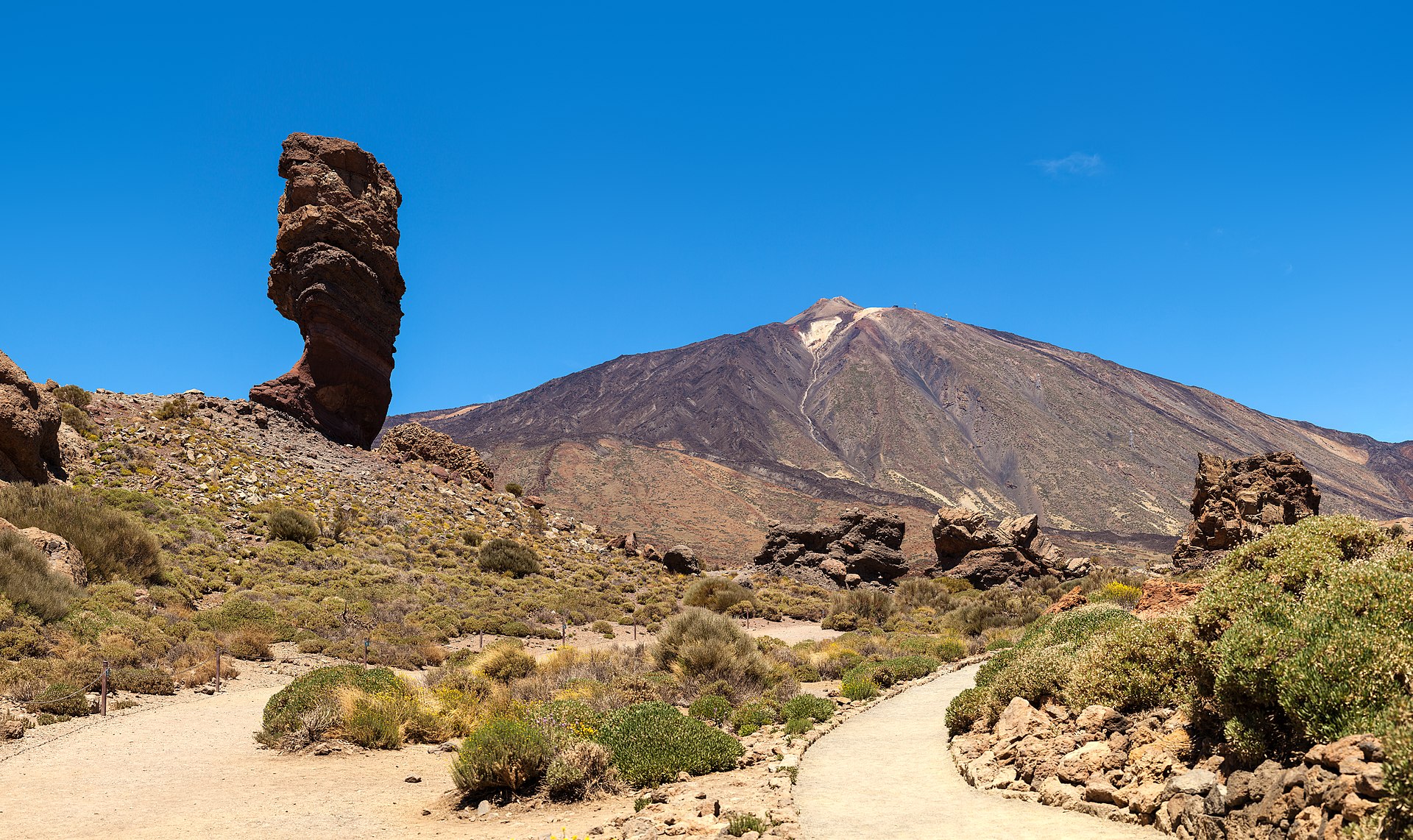
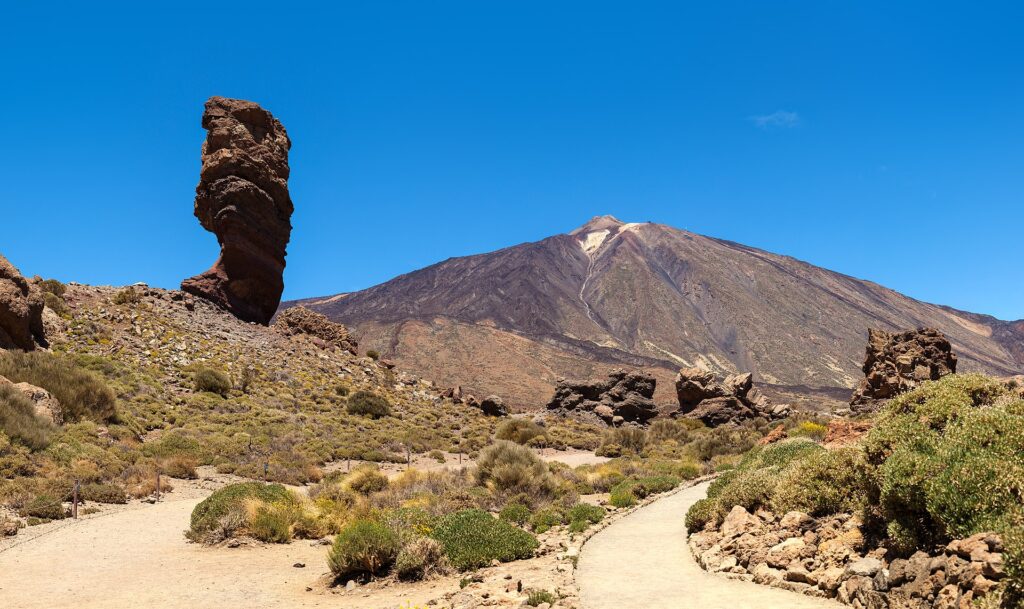
Mount Teide is a stratovolcano formed by successive eruptions over hundreds of thousands of years, built upon older volcanic structures on Tenerife. Its formation is linked to the Canary hotspot, which has created a chain of volcanic islands. The volcano’s summit crater, approximately 80 meters deep, reveals layers of volcanic ash, pumice, and solidified lava flows. Notable eruptions include the 1798 and 1909 events, which shaped the current landscape. The area features fumaroles emitting sulfurous gases, and mineral deposits such as sulfur and iron oxides color the rocks in vivid reds and yellows. Unique geological formations like the Roques de García add to the park’s dramatic scenery, illustrating the dynamic volcanic processes that continue to shape the island.
The Volcano Trek: Terrain and Hiking Experience
Hiking Mount Teide presents a diverse and challenging terrain that tests both endurance and acclimatization. The trek typically begins at the base or from the cable car upper station, La Rambleta, at 3,555 meters. From the cable car station, the Telesforo Bravo trail ascends steeply to the summit, with gradients reaching up to 60%. The path is rocky and uneven, composed mainly of volcanic ash, pumice, and solidified lava, requiring careful footing especially on loose scree sections. The terrain varies from barren lava fields resembling a lunar landscape to rugged rocky ridges near the summit. Hikers experience significant altitude effects, including thinner air and cooler temperatures, which can cause fatigue and require frequent rest stops. Wind conditions near the summit can be strong and biting, adding to the challenge. Temperature shifts are notable, with warm sun exposure at lower elevations contrasting with near-freezing conditions at the peak. The trail offers spectacular views of fumaroles emitting steam and sulfurous gases, rare endemic plants like the Teide violet, and panoramic vistas of Tenerife and neighboring islands. The volcanic terrain demands sturdy hiking boots with good grip and trekking poles for stability. Overall, the hike is a rewarding blend of physical challenge and immersive volcanic landscape exploration.
What Makes the Mount Teide Trek Unique
Mount Teide’s trek is distinguished by its status as Spain’s highest peak and one of the tallest volcanoes measured from its base. The volcanic landscape is unlike any other in Europe, featuring vast lava fields, fumaroles, and the rare Teide edelweiss flower. The summit offers a dramatic crater rim experience with active fumaroles and sulfur vents, providing a sensory encounter with volcanic activity. The park’s designation as a UNESCO World Heritage Site underscores its geological and ecological significance. The opportunity to ascend via a cable car to La Rambleta and then hike the final steep section is unique, blending accessibility with adventure. Nighttime stargazing here is world-renowned due to the clear skies and high altitude. The combination of geological grandeur, ecological rarity, and cultural importance makes the Mount Teide trek a singular experience.

The Summit and Crater Experience
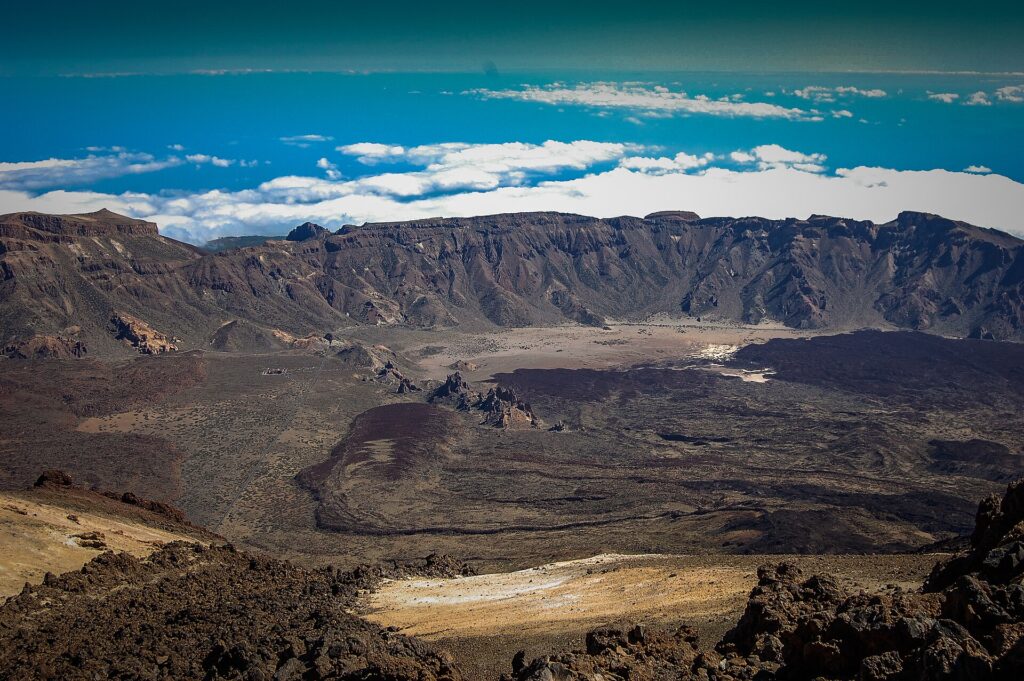
Reaching the summit of Mount Teide is a moment of awe and exhilaration. The crater rim reveals a vast depression lined with jagged volcanic rock and steaming fumaroles that emit a faint sulfurous aroma. The ground beneath your feet radiates residual heat, a reminder of the volcano’s latent power. From this vantage point, panoramic views stretch across Tenerife’s diverse landscapes, the Atlantic Ocean, and neighboring islands like La Gomera and Gran Canaria. The air is thin and crisp, and the wind often whistles across the summit, heightening the sense of isolation and grandeur. The silence is punctuated only by the occasional hiss of escaping gases. The summit experience is both humbling and invigorating, offering a rare chance to stand atop an active volcano and witness the earth’s dynamic forces firsthand.
Best Time to Trek Mount Teide
The optimal trekking season for Mount Teide is from April to October, when weather conditions are most stable and temperatures are milder. Summer months provide clear skies ideal for panoramic views and stargazing, while winter can bring snow and icy conditions near the summit, increasing the difficulty and risk. Trekking outside these months requires careful preparation for cold temperatures and potential trail closures. Volcanic activity is closely monitored, and access may be restricted during periods of increased gas emissions or eruptions. Sunrise and sunset hikes are popular for their spectacular light and cooler temperatures but require early starts and warm clothing. Hikers should always check weather forecasts and park advisories before planning their ascent.
Trekking Routes and Trail Options on Mount Teide
Mount Teide offers several trekking routes catering to different fitness levels and interests. The most popular and direct route to the summit is the Telesforo Bravo trail (Trail No. 10), which starts from La Rambleta, the upper cable car station at 3,555 meters. This steep trail covers approximately 600 meters in distance with a 170-meter elevation gain to the summit and typically takes around 40 minutes. Access to this trail requires a mandatory permit, limited to 200 hikers per day to preserve the environment and ensure safety.
For those preferring a longer ascent, the Montaña Blanca trail (Trail No. 7) begins at the park entrance and climbs approximately 1,350 meters over 8 kilometers to La Rambleta. This route takes about 5 to 6 hours and offers a gradual acclimatization to altitude. From La Rambleta, hikers with permits can continue to the summit via the Telesforo Bravo trail.
Other trails include the Pico Viejo route (Trail No. 9), which offers views of a massive volcanic crater, and the Regatones Negros trail (Trail No. 23), which explores unique lava formations. Recent regulations require permits for several trails including Montaña Blanca to La Rambleta and connecting routes, with a daily limit of 300 hikers to protect the park’s fragile ecosystem.
Guided tours are widely available, often including transportation from Tenerife’s north or south, cable car tickets, and expert guides who provide geological insights and safety support. Self-guided hikers must plan carefully, secure permits in advance, and prepare for variable weather and terrain conditions.
Difficulty Assessment of Mount Teide Trek
Mount Teide’s trek is classified as moderate to demanding due to its high altitude, steep gradients, and variable terrain. The final ascent from La Rambleta to the summit is short but steep, with slopes reaching up to 60%, requiring good cardiovascular fitness and careful pacing. Altitude sickness is a significant consideration, as the summit stands at 3,715 meters, where oxygen levels are lower and physical exertion feels more intense. The longer Montaña Blanca trail demands endurance for a 5 to 7-hour hike with substantial elevation gain.
Technical climbing skills are not required, but hikers should be comfortable on uneven volcanic rock, loose scree, and ash slopes. Weather conditions can add difficulty, with strong winds and cold temperatures near the summit. Proper acclimatization, hydration, and preparation are essential. Overall, the trek suits hikers with moderate experience and good physical condition, while beginners should consider guided tours or cable car access to reduce exertion.
Essential Volcano Trekking Gear for Mount Teide
Hiking Mount Teide requires specific gear to handle the volcanic terrain and high-altitude conditions. Sturdy hiking boots with excellent grip are essential for navigating rocky and loose ash surfaces. Trekking poles help maintain balance on steep and uneven slopes. Layered clothing is necessary to adapt to temperature changes, including a windproof and waterproof jacket for summit winds and possible rain.
Sun protection is critical due to intense UV exposure at altitude; bring sunscreen, sunglasses, and a wide-brimmed hat. Carry sufficient water and high-energy snacks to stay hydrated and fueled. A headlamp is recommended for early morning or sunset hikes. Although volcanic gases are generally low risk on permitted trails, sensitive individuals may consider a lightweight respirator or mask. A map, GPS device, or guidebook ensures safe navigation. Finally, a first aid kit and emergency whistle enhance safety on this remote volcanic landscape.
Safety and Volcanic Hazards on Mount Teide
Mount Teide presents several safety considerations unique to active volcano trekking. Volcanic gases such as sulfur dioxide can be present near fumaroles and vents, posing respiratory risks especially for sensitive individuals. Hikers should avoid venturing off marked trails to minimize exposure. The summit crater edges can be unstable and slippery, requiring caution to prevent falls.
Loose scree and volcanic ash increase the risk of slips and falls, particularly on steep sections. Sudden weather changes, including high winds and temperature drops, are common at altitude and can impair safety. Although Mount Teide is currently in a dormant phase, volcanic activity is continuously monitored by the National Park authorities, and access restrictions may be imposed during increased activity.
Visitors must obtain permits and adhere to park regulations designed to protect both hikers and the fragile environment. Emergency services are available but can be delayed due to the remote terrain. Proper preparation, awareness of symptoms of altitude sickness, and respect for safety guidelines are essential for a secure trekking experience.
Permits, Guides, and Logistics for Mount Teide Trekking
Access to Mount Teide’s summit via the Telesforo Bravo trail requires a mandatory permit, limited to 200 hikers per day to protect the fragile environment and ensure safety. Permits are free but must be reserved well in advance through the official Tenerife ON platform (www.tenerifeon.es). Slots open every Monday at 7:00 AM Canary time for the following 28 days, and demand is high, especially during peak seasons.
Starting November 29, 2024, additional permits are required for several other key trails within Teide National Park, including Montaña Blanca to La Rambleta (PNT 7+11), Teide to Pico Viejo (PNT 9), Regatones Negros (PNT 23), and part of Trail 28 (Chafarí). These new regulations limit daily hikers to 300 on these routes and aim to enhance visitor safety and environmental conservation.
Cable car access to La Rambleta (3,555 m) does not require a permit, but hikers must have a summit permit to proceed beyond this point. Cable car tickets can be purchased separately and are subject to operational conditions; closures due to weather or maintenance may require hikers to descend on foot.
Several reputable tour operators offer guided Mount Teide hikes, including TeideHike.com, VolcanoTeide.com, MountTeideTours.com, TUI Musement, and Tenerife Adventures. These tours often include transportation from Tenerife’s main towns, cable car tickets, permits, and expert guides who provide geological insights and safety support. Guided tours are recommended for first-time visitors or those unfamiliar with high-altitude trekking.
Hikers should prepare for high-altitude conditions, carry appropriate gear, and check weather and volcanic activity updates before their trek. The permit system and guided options ensure a controlled, safe, and enriching experience on Spain’s highest volcano.
Where to Stay Near Mount Teide
Accommodation options near Mount Teide range from unique lodgings inside the National Park to rural houses and hotels in nearby towns. The Parador de Las Cañadas del Teide is the only hotel located within the park itself, offering rooms with spectacular volcano views, direct access to trails, and an immersive natural environment. It is ideal for hikers seeking early starts and late finishes without long commutes.
Outside the park, towns such as Vilaflor, La Orotava, Santiago del Teide, and El Portillo provide a variety of lodging options including family-run hotels, guesthouses, and tourist apartments. Vilaflor is particularly popular among mountaineers due to its proximity (about 20 minutes by car) to the Montaña Blanca trailhead and other access points. Hotel Villalba in Vilaflor combines comfort with strategic location for trekkers.
For budget-conscious hikers, mountain shelters like the Altavista Refuge (currently closed) have historically offered overnight stays near the summit. Alternative affordable options include Albergue Montes de Anaga in La Laguna and Albergue Rural Mamio Verde near La Orotava, which provide dormitory-style accommodations with communal facilities, though they are farther from the park.
Camping within Teide National Park is prohibited to protect the environment, but legal camping and motorhome areas exist nearby. Booking accommodations well in advance is recommended, especially during peak trekking seasons. Many hotels and lodges offer shuttle services or easy access to the park’s entrance and cable car stations, facilitating logistics for summit attempts.