

Hiking Mount Tehama (Brokeoff Mountain): A Complete Volcano Trekking Guide to Lassen Volcanic National Park
Mount Tehama, also known as Brokeoff Mountain, is the eroded remnant of a massive extinct stratovolcano in Northern California’s Lassen Volcanic National Park. This guide covers the geological history, hiking terrain, routes, safety, permits, and accommodations for an unforgettable volcano trekking experience.
Quick Volcano Snapshot
| Attribute | Value |
|---|---|
| Volcano type | Stratovolcano (eroded) |
| Elevation | 9,235 ft (2,815 m) |
| Location | Lassen Volcanic National Park, California, United States |
| Activity status | Extinct |
| Trekking difficulty | Moderate |
| Typical trek duration | 6 hours round trip |
| Altitude gain | 2,600 ft (792 m) |
| Terrain type | Rocky, forested, alpine, volcanic sand, rocky outcrops |
| Best season | Mid-July to mid-September |
| Temperature range | 40°F to 75°F (4°C to 24°C) during hiking season |
| Permit requirement | Park entry fee required; no special permits needed for hiking |
The Experience of Hiking Mount Tehama (Brokeoff Mountain)
Approaching Brokeoff Mountain, the tallest remnant of the ancient Mount Tehama stratovolcano, hikers are immediately immersed in a landscape shaped by volcanic fury and relentless erosion. The trail winds through lush forests, open meadows, and rugged volcanic terrain, offering a vivid contrast between the vibrant life below and the stark, rocky summit above. As you ascend, the air grows thinner and cooler, the scent of pine mingling with the crisp mountain breeze. Reaching the summit, the panorama unfolds dramatically: Lassen Peak rises nearby, while distant peaks like Mount Shasta punctuate the horizon. The sense of standing atop the spine of a geological giant, surrounded by remnants of a volcano that once towered over 11,000 feet, is both humbling and exhilarating.
Geological Background of Mount Tehama
Mount Tehama, also known as Brokeoff Volcano, was a massive andesitic stratovolcano active approximately between 590,000 and 387,000 years ago. At its peak, it soared to an estimated height of 11,000 feet with a basal circumference of about 12 kilometers. The volcano formed as part of the Cascade Volcanic Arc, created by subduction of the Juan de Fuca Plate beneath the North American Plate. Over hundreds of thousands of years, Mount Tehama erupted numerous lava flows ranging from basaltic andesite to dacite, building a towering volcanic edifice. Eventually, intense hydrothermal alteration weakened the central vent area, and combined with glacial erosion during the Ice Age, the volcano collapsed inward, forming a caldera approximately 3 kilometers wide. Today, Brokeoff Mountain represents the highest remaining remnant of this ancient volcano, with other peaks like Mount Diller and Diamond Peak marking the eroded flanks. The volcanic activity shifted northeastward, giving rise to Lassen Peak and other volcanic domes in the area.
The Volcano Trek: Terrain and Hiking Experience
The Brokeoff Mountain Trail offers a diverse and challenging hiking experience through a variety of volcanic and alpine terrains. The trail begins at the Brokeoff Mountain parking lot near the park’s southwest entrance, initially winding through dense forests of pine, fir, and hemlock. The forested section provides shade and a rich habitat for wildlife such as deer and numerous bird species including juncos, chickadees, and western tanagers. After approximately two miles, the trail transitions into open meadows where wildflowers bloom vibrantly during summer months, including lupine, paintbrush, and penstemon. This section offers expansive views and a welcome respite from the forest canopy.
As the trail ascends, hikers encounter increasingly rugged terrain characterized by volcanic sand, loose scree, and rocky outcrops. The path becomes steeper with several switchbacks leading above the timberline. Here, the environment shifts to an alpine setting with sparse vegetation adapted to harsher conditions. The rocky slopes require careful footing, and sturdy hiking boots with good grip are essential. Trekking poles are recommended to aid balance and reduce strain on knees during steep ascents and descents.
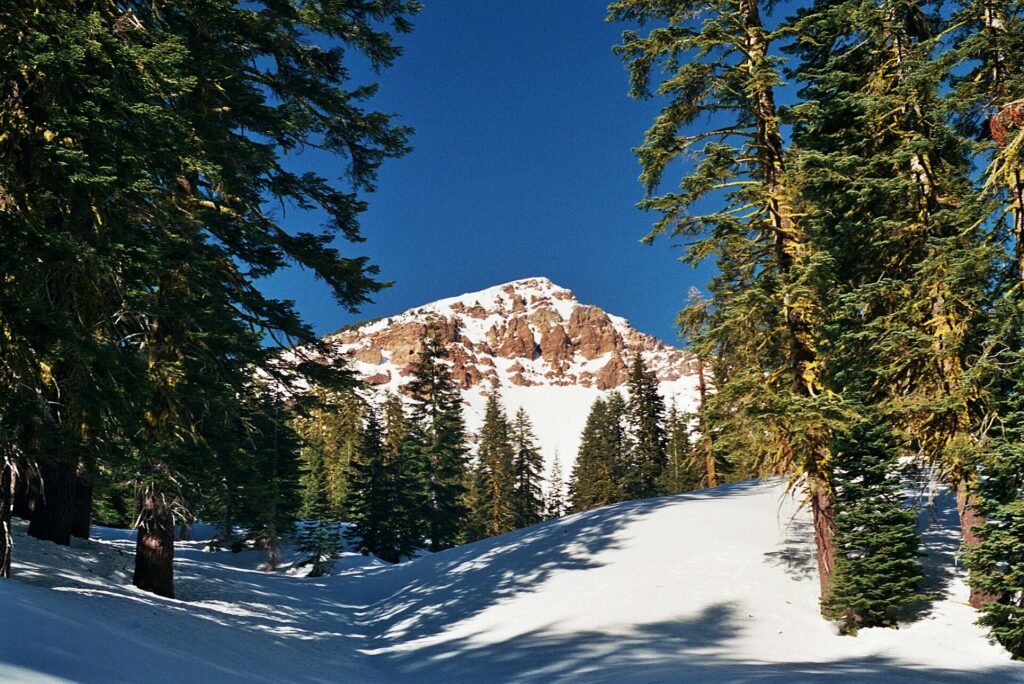
The final half-mile to the summit involves navigating rocky ridges and occasional scrambling over volcanic rocks. The trail is exposed to winds and rapid weather changes, so hikers should be prepared with windproof clothing and layered gear. Altitude effects may be felt near the summit at 9,235 feet, including shortness of breath and fatigue, especially for those not acclimated. Despite the physical demands, the trail rewards hikers with breathtaking panoramic views of Lassen Peak, Mount Diller, Chaos Crags, and on clear days, Mount Shasta in the distance.
Snow can linger on the trail until mid-August, making early season hikes more challenging and sometimes requiring microspikes or crampons. The trail is considered one of the toughest in Lassen Volcanic National Park due to its elevation gain of approximately 2,600 feet over 7.4 miles round trip. However, the varied terrain, rich flora and fauna, and geological significance make it a deeply rewarding experience for adventurous trekkers.
What Makes the Mount Tehama Trek Unique
Mount Tehama’s trek stands out due to its unique geological history as the eroded remnant of a once colossal stratovolcano. Unlike typical volcanic hikes that focus on active or dormant peaks, this trail offers a rare opportunity to explore the spine of a volcano that collapsed and was sculpted by glaciers and hydrothermal activity. The summit provides exceptional 360-degree views of volcanic features, including the caldera rim of the ancient Brokeoff Volcano, Lassen Peak’s imposing dome, and distant Cascade Range peaks. The trail’s diverse ecosystems—from dense forests to alpine meadows—showcase the resilience of life in volcanic landscapes. The solitude found on this less-traveled path contrasts with the busier Lassen Peak trail, offering a more intimate connection with the volcanic terrain and its history.
Summit Experience on Brokeoff Mountain
Reaching the summit of Brokeoff Mountain is a moment of profound awe. Standing at 9,235 feet, hikers are enveloped by a sweeping panorama of volcanic majesty. Lassen Peak dominates the eastern skyline, its snow-capped dome a striking contrast to the rugged, rocky summit beneath your feet. To the south and west, peaks like Mount Diller and Chaos Crags punctuate the horizon, while on clear days, the majestic Mount Shasta appears in the distance. The air is crisp and often carries the faint scent of pine and earth. The summit’s exposed ridges offer a tactile connection to the ancient volcanic forces that shaped the region. The silence is punctuated only by the wind and distant calls of alpine birds, creating a serene yet powerful atmosphere. This vantage point allows hikers to reflect on the immense geological time scales and the dynamic processes that continue to shape the Cascades.
Best Time to Trek Mount Tehama
The optimal time to hike Brokeoff Mountain is from mid-July through mid-September when snow has mostly melted and trail conditions are safest. Snow often lingers on the trail until mid-August, especially at higher elevations, making earlier attempts more challenging and potentially hazardous. Summer months bring wildflower blooms in the meadows, enhancing the scenic beauty. Weather during this period is generally mild, with daytime temperatures ranging from 50°F to 75°F (10°C to 24°C), though nights can be chilly. Hikers should be prepared for sudden weather changes, including afternoon thunderstorms and strong winds near the summit. Winter and spring hikes are not recommended without specialized equipment due to snow and avalanche risks. Always check current trail conditions and park alerts before planning your trek.
Trekking Routes and Trail Options on Brokeoff Mountain
The primary route to Brokeoff Mountain’s summit begins at the Brokeoff Mountain parking lot near the southwest entrance of Lassen Volcanic National Park. This well-marked trail covers approximately 7.4 miles round trip with an elevation gain of about 2,600 feet. The trail heads northwest from the parking area, initially passing through forested terrain with occasional creek crossings. After about two miles, hikers reach open meadows and then ascend through scattered hemlocks toward the alpine zone.
The trail features several switchbacks as it climbs the mountain’s western flank, transitioning from forest to rocky volcanic terrain. Near the summit, the path becomes steeper and rockier, requiring careful footing and occasional scrambling. The summit trail runs along the ridge, offering expansive views.
There is a side trail to Forest Lake, a scenic alpine lake located near the main trail, which is a popular detour for wildflower viewing and a rest spot. The main trail is generally used for both ascent and descent, with no alternative routes to the summit.
Guided hikes are available through local tour operators and park ranger programs, providing educational insights into the geology and ecology of the area. Self-guided hikers should prepare with detailed maps and be aware of changing weather conditions. The trail is considered moderately strenuous due to its length and elevation gain but does not require technical climbing skills.
Difficulty Assessment of the Brokeoff Mountain Trek
The Brokeoff Mountain Trail is classified as a moderate to moderately strenuous volcano trek. The 7.4-mile round trip distance combined with an elevation gain of approximately 2,600 feet demands a good level of physical fitness and endurance. The trail surface varies from packed volcanic sand and soil to loose scree and rocky outcrops, requiring sturdy hiking boots with good traction. The ascent includes several switchbacks and a steep final section above timberline that may challenge less experienced hikers.
Altitude can affect hikers as the summit reaches over 9,200 feet, potentially causing mild altitude sickness symptoms such as shortness of breath and fatigue. No technical mountaineering skills or equipment are necessary during the typical hiking season, but trekking poles are recommended to aid balance and reduce joint strain. Snow and ice may persist on the trail until mid-August, increasing difficulty and necessitating additional gear such as microspikes.
Overall, the trek is suitable for hikers with moderate experience who are prepared for a sustained uphill climb and variable terrain.
Essential Gear for Hiking Mount Tehama
Hiking Brokeoff Mountain requires gear suited for variable alpine conditions and volcanic terrain. Essential items include sturdy hiking boots with good ankle support and traction to navigate rocky and loose volcanic surfaces. Trekking poles are highly recommended to assist with balance and reduce fatigue on steep ascents and descents. Layered clothing is necessary to adapt to temperature fluctuations, including a moisture-wicking base layer, insulating mid-layer, and windproof waterproof outer shell.
Sun protection is critical due to high elevation and limited shade; bring a wide-brimmed hat, UV-blocking sunglasses, and sunscreen. Carry sufficient water (at least 2 liters) and high-energy snacks to maintain hydration and energy during the 6-hour trek. A headlamp or flashlight is advisable if starting early or finishing late. In early season or late fall, microspikes or crampons may be necessary for snow and ice patches. A basic first aid kit, map, compass or GPS device, and a whistle for emergencies complete the recommended gear list.
Safety and Volcanic Hazards on Mount Tehama
Although Mount Tehama is an extinct volcano with no current eruptive activity, hikers should remain aware of general mountain safety and volcanic terrain hazards. The trail traverses steep slopes with loose volcanic scree and rocky outcrops, posing risks of slips and falls. The summit area is exposed to strong winds and sudden weather changes, including thunderstorms and temperature drops.
There are no active fumaroles or volcanic gases on Brokeoff Mountain, but hikers should still be cautious of unstable ground near old hydrothermal alteration zones. Wildlife encounters are generally benign but maintaining distance from animals is advised. Snow and ice can persist on the trail well into summer, increasing the risk of slips; appropriate footwear and traction devices are essential.
Park rangers monitor trail conditions and weather, and hikers should check for alerts before embarking. Carrying a map, compass, or GPS and informing someone of your itinerary enhances safety. Emergency services are accessible within Lassen Volcanic National Park, but response times may be extended due to remote terrain.
Permits, Guides, and Logistics for Hiking Brokeoff Mountain
Access to Brokeoff Mountain requires entry into Lassen Volcanic National Park, which charges a park entrance fee of $30 per vehicle for a 7-day pass. No special permits are required for hiking the Brokeoff Mountain Trail itself. Visitors should obtain the latest trail conditions and park alerts from the National Park Service website or visitor centers before planning their hike.
Guided tours and hikes are offered by several local operators, including Lassen Volcanic National Park Guided Tours, Northern California Adventure Guides, and Sierra Trekking Services. These companies provide expert-led experiences that include geological interpretation, safety briefings, and logistical support. Booking a guided hike is recommended for those unfamiliar with the terrain or seeking educational enrichment.
The Brokeoff Mountain Trailhead is located near the park’s southwest entrance, with a parking lot that fills early during peak season. Additional parking is available at a turnout across Highway 89, though it is limited and outside the park boundary. Visitors should arrive early to secure parking and avoid crowds.
The trail is open seasonally from mid-July to mid-September due to snow conditions. Winter access is limited and requires specialized equipment and experience. Hikers should carry sufficient water, food, and layered clothing, as there are no services along the trail. Cell phone coverage is limited; emergency communication devices are recommended for solo hikers.
Camping is permitted in designated areas within Lassen Volcanic National Park with a backcountry permit, which can be obtained from park offices. The Kohm Yah-mah-nee Visitor Center near the park entrance provides maps, permits, and ranger advice. For accommodations, nearby towns such as Mineral and Chester offer lodging options, and the St. Bernard Lodge near the park entrance is a popular choice among hikers.
Where to Stay Near Mount Tehama
Accommodations near Mount Tehama and Lassen Volcanic National Park range from rustic lodges to campgrounds and nearby town hotels. The closest lodging option is the St. Bernard Lodge, located near the park’s southwest entrance. This cozy lodge offers comfortable rooms, a restaurant, and easy access to the Brokeoff Mountain trailhead. It is a favored base for hikers seeking a warm welcome after a challenging day on the trail.
Within the park, several campgrounds such as Butte Lake Campground provide a more immersive natural experience. Butte Lake Campground sits at an elevation of about 6,100 feet and offers basic amenities including picnic tables, fire rings, and access to nearby hiking trails. Reservations are recommended during peak summer months.
The towns of Mineral and Chester, located approximately 15 to 30 miles from the park entrances, offer a wider range of accommodations including motels, inns, and vacation rentals. Mineral is a small community with a few lodging options and dining establishments, while Chester provides more services and is a convenient gateway to the park.
For visitors seeking a more remote experience, backcountry camping permits are available from the park ranger stations. These permits allow overnight stays in designated wilderness areas, enabling multi-day hikes and exploration of the volcanic landscape.
When planning your stay, consider proximity to the Brokeoff Mountain trailhead, availability of amenities, and seasonal accessibility. Early reservations are advised during the busy summer season to secure preferred accommodations.