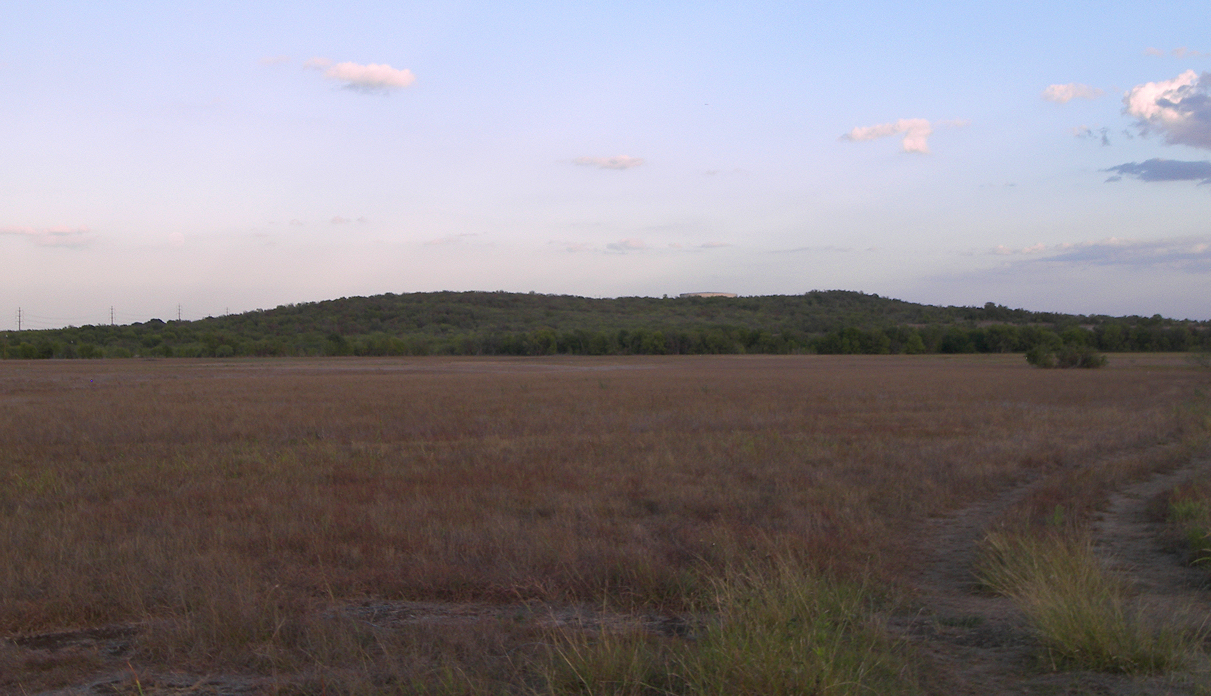

Mount Adams Volcano Trekking Guide: Conquer Washington’s Majestic Stratovolcano
Mount Adams, Washington’s second highest peak and largest stratovolcano by volume, offers a demanding yet rewarding volcano trekking experience. This guide covers its geology, terrain, routes, permits, gear, safety, and lodging options for adventurous climbers.
Quick Volcano Snapshot
| Attribute | Value |
|---|---|
| Volcano type | Stratovolcano |
| Elevation | 12,276 ft (3,742 m) |
| Location | Yakima and Skamania Counties, Washington, United States |
| Activity status | Dormant |
| Trekking difficulty | Demanding |
| Typical trek duration | 2-3 days |
| Altitude gain | Approximately 6,700 ft (2,040 m) from trailhead to summit |
| Terrain type | Glaciers, snowfields, volcanic rock, scree, alpine meadows, forest |
| Best season | May to September |
| Temperature range | Variable; sudden snowstorms possible above 6,000 ft any month |
| Permit requirement | Cascade Volcano Pass required above 7,000 ft from May 1 to September 30; wilderness permit required |
The Experience of Hiking Mount Adams
Approaching Mount Adams, the vast bulk of this massive stratovolcano dominates the horizon, its snow-capped summit rising above dense forests and alpine meadows. The landscape shifts dramatically from lush greenery to stark volcanic terrain, revealing the mountain’s raw geological power. As you ascend, the air thins and the terrain becomes rugged, with glaciers and snowfields sculpting the slopes. Reaching the crater offers an awe-inspiring panorama of the Cascade Range, where the silence is punctuated only by the wind and distant calls of wildlife. The emotional impact of standing atop this colossal volcano, surrounded by sweeping views and the evidence of Earth’s fiery past, is profound and unforgettable.
Geological Background of Mount Adams
Mount Adams is a broad, heavily glaciated stratovolcano located in the southern Cascade Range of Washington State. Formed by successive eruptions of andesitic lava flows, it is the second highest peak in Washington and the largest volcano by volume in the state, with an eruptive volume of approximately 48 cubic miles. The volcano’s symmetrical cone is crowned by a small crater and surrounded by eleven named glaciers, which carve deep cirques and couloirs into its flanks. Its geological history includes multiple eruptive phases, with lava flows and pyroclastic deposits shaping the rugged terrain. Fumaroles and steam vents are present near the summit, indicating residual volcanic heat. The mountain’s glaciers and snowfields interact dynamically with the volcanic rock, creating a complex alpine environment that continues to evolve.
Terrain and Hiking Experience on Mount Adams
The trek up Mount Adams is a demanding journey through diverse and challenging terrain. Starting at the South Climb Trailhead near Cold Springs, hikers begin in dense conifer forests and subalpine meadows, where the trail follows an old road bed through areas affected by past wildfires. Early sections are relatively gentle but exposed, with little shade, requiring ample water and sun protection. As the trail ascends beyond Morrison Creek, the terrain becomes increasingly rocky and loose, with steep volcanic scree slopes that demand careful footing to avoid slips.
Above the tree line, hikers encounter expansive snowfields and glaciers, including the Crescent Glacier near the Lunch Counter campsite. Traversing these snowfields requires proficiency with crampons and ice axes, especially in early or late season when snow and ice conditions prevail. The ascent to the Lunch Counter is relentless, with a steady gain in elevation and exposure to strong winds. This area offers several established campsites, often protected by rock walls to shield tents from the wind.
From the Lunch Counter, the climb continues to Pikers Peak, a false summit that can be deceptively exhausting due to its steepness and altitude. The final push to the summit cone involves negotiating loose volcanic rock and snow, with the air thinning significantly. The summit plateau is broad and wind-swept, crowned by a small crater that offers panoramic views of surrounding Cascade volcanoes including Mount Rainier, Mount St. Helens, Mount Hood, and Mount Jefferson.
Throughout the climb, hikers must be prepared for rapidly changing weather, including sudden snowstorms even in summer months. The combination of altitude, variable terrain, and exposure makes this trek suitable only for experienced and well-prepared climbers. The physical challenge is compounded by the need for technical skills in alpine mountaineering, including route finding, glacier travel, and self-arrest techniques. Despite the difficulty, the diverse landscapes—from lush forests to stark volcanic rock and glaciated slopes—create a rich and rewarding hiking experience that tests endurance and skill.
What Makes the Mount Adams Trek Unique
Mount Adams stands out among Cascade volcanoes due to its immense bulk and extensive glaciation. Unlike many peaks with sharp summits, Adams features a broad, rounded summit plateau crowned by a small crater, offering a unique alpine environment where rock, ice, and atmosphere interact. The presence of over ten glaciers provides climbers with the opportunity to experience true glacier travel on a volcano, including negotiating crevasses and icefalls on more technical routes.
The mountain’s isolation and size create a wilderness experience that feels remote despite its accessibility. The South Climb route, while demanding, is considered the least technical, making it a popular choice for climbers seeking a challenging but achievable summit. The opportunity to glissade on snowfields during descent adds an exhilarating element to the trek.
The panoramic views from the summit are spectacular, encompassing multiple Cascade peaks and vast wilderness areas. The combination of geological grandeur, alpine challenges, and the chance to witness diverse volcanic and glacial features makes Mount Adams a distinctive and memorable volcano trekking destination.
Summit and Crater Experience on Mount Adams
Reaching the summit of Mount Adams is a moment of profound accomplishment and awe. The summit plateau is broad and windswept, crowned by a small volcanic crater that hints at the mountain’s fiery origins. The air is thin and crisp, carrying the faint scent of sulfur from fumaroles and steam vents near the crater rim. The ground beneath is a mix of volcanic rock and patches of snow, warmed by the sun but chilled by persistent alpine winds.
From this vantage point, climbers are rewarded with sweeping panoramic views of the Cascade Range. On clear days, Mount Rainier’s towering peak dominates the skyline to the west, while Mount St. Helens, Mount Hood, Mount Jefferson, and Mount Baker are visible in the distance. The vast wilderness stretches in every direction, a mosaic of forests, rivers, and volcanic landscapes.
The summit experience is both humbling and exhilarating, a sensory immersion in the power and beauty of the Pacific Northwest’s volcanic heart. The sound of the wind, the sight of distant peaks, and the knowledge of the mountain’s geological history combine to create an unforgettable moment for every climber.
Best Time to Trek Mount Adams
The optimal climbing season for Mount Adams is from May through September, when the weather is generally more stable and the roads to trailheads are plowed and accessible. Early in the season, snowfields and glaciers dominate the upper slopes, requiring full alpine gear and skills. By late summer, snow may recede, exposing loose volcanic rock and scree, which can increase the risk of rockfall.
Weather on Mount Adams can change rapidly at any time of year, with sudden snowstorms possible above 6,000 feet even in summer months. Climbers should monitor forecasts closely and be prepared for cold temperatures, high winds, and reduced visibility.
Summit attempts are often started very early in the morning to take advantage of firmer snow conditions and to avoid afternoon weather changes. The period from late June to early September typically offers the most reliable conditions for a safe and successful ascent.
Trekking Routes and Trail Options on Mount Adams
Mount Adams offers several climbing routes, with the South Climb (also known as the Lunch Counter Approach) being the most popular and least technical. This route begins at the Cold Springs Trailhead, accessed via a rough forest road. The trail initially follows an old road bed through forest and burn zones before ascending steep volcanic slopes and snowfields.
The South Climb route typically takes two days: the first day involves hiking to the Lunch Counter campsite at approximately 9,250 feet, where climbers can rest and acclimate. The second day is summit day, starting early to reach the 12,276-foot peak and return. The route requires use of crampons, ice axes, and trekking poles, especially on snow and glacier sections.
Other routes include the North Cleaver, Mazama Glacier, and Adams Glacier routes, which are more technical and require advanced mountaineering skills, including glacier travel and crevasse navigation. These routes are less frequented and demand greater experience and preparation.
Guided climbs are available through operators such as Alpine Ascents International and AdventureTripr, which provide instruction on alpine skills, gear use, and safety. Self-guided climbers must obtain the required permits and be proficient in route finding and alpine techniques.
Water sources are limited above Morrison Creek, so climbers should plan accordingly to carry or melt snow for hydration. Campsites are available at the Lunch Counter and below Crescent Glacier, with rock walls constructed to shield tents from wind.
Difficulty Assessment of Mount Adams Trek
Mount Adams is classified as a demanding volcano ascent. The trek involves significant altitude gain of approximately 6,700 feet, with a summit elevation of 12,276 feet. The terrain includes loose volcanic scree, steep snowfields, glaciers, and exposed ridges, requiring good physical fitness and endurance.
Technical skills are necessary for safe glacier travel, including the use of crampons, ice axes, and self-arrest techniques. Route finding can be challenging in poor visibility, and climbers must be prepared for rapidly changing weather conditions.
The South Climb route is considered the least technical but still demands alpine mountaineering proficiency. Climbers should have prior experience with snow and ice travel and be comfortable with exposure and altitude effects. This trek is not suitable for beginners without guided support and training.
Essential Gear for Mount Adams Volcano Trek
Climbing Mount Adams requires specialized alpine gear to ensure safety and comfort. Essential items include sturdy hiking boots compatible with crampons, crampons or microspikes for traction on snow and ice, and an ice axe for self-arrest and stability. Trekking poles are recommended for balance on uneven terrain.
Climbers should carry windproof and waterproof clothing layers, including insulated jackets and gloves, to protect against cold and sudden weather changes. A helmet is advisable to guard against rockfall in steep sections.
Sun protection is critical due to high altitude and reflective snow surfaces; bring sunglasses with UV protection and high-SPF sunscreen. Hydration systems and water purification methods are necessary, as water sources are limited.
Additional gear includes a headlamp for early morning summit attempts, navigation tools such as maps and GPS, and emergency equipment like a first aid kit and communication devices. For overnight climbs, a four-season tent, sleeping bag rated for alpine conditions, and cooking equipment are required.
Safety and Volcanic Hazards on Mount Adams
While Mount Adams is currently dormant, climbers must remain vigilant about the inherent risks of high-altitude volcanic terrain. Hazards include unstable crater edges, loose scree slopes prone to rockfall, and crevassed glaciers that require careful navigation. Sudden weather changes can bring snowstorms, high winds, and low visibility, increasing the risk of hypothermia and disorientation.
Volcanic gases are generally minimal due to the mountain’s dormancy, but fumaroles near the summit may emit sulfurous odors. Climbers should avoid prolonged exposure to these vents.
Search and rescue operations are limited in this remote wilderness area, so self-rescue preparedness is critical. Carrying emergency communication devices, informing others of your itinerary, and having the skills to manage emergencies are essential safety measures.
Monitoring weather forecasts from the National Weather Service and avalanche conditions from the NW Weather and Avalanche Center is strongly recommended. Adhering to wilderness regulations and permit requirements helps protect both climbers and the environment.
Permits, Guides, and Logistics for Mount Adams Trek
Climbing Mount Adams requires several permits and careful logistical planning. A Cascade Volcano Pass is mandatory for anyone hiking above 7,000 feet in the Mount Adams Wilderness between May 1 and September 30. This climbing activity pass costs $20 per person aged 16 and older and is valid for a single trip. It can be purchased online at recreation.gov. Additionally, a wilderness permit is required for entry into the Mount Adams Wilderness Area.
Vehicle permits or day-use passes are also necessary for parking at trailheads. Visitors must display their climbing pass on their vehicle dashboard and carry a copy of their permit during the climb. Passes are non-transferable and must not be altered.
Several reputable tour operators offer guided climbs, including Alpine Ascents International and AdventureTripr. These companies provide expert guides, gear instruction, and comprehensive support, making them ideal for climbers seeking a safer and more educational experience. Guided trips typically span two to three days, including acclimatization, summit attempt, and descent.
Trailhead access involves driving on rough forest roads, particularly the last three miles to the South Climb Trailhead, which can be narrow and challenging. Many climbers choose to camp at Morrison Creek Campground to avoid late-night driving on these roads.
Climbers must pack out all human waste using carry-out bags, as required by wilderness regulations. Search and rescue resources are limited, so climbers should carry emergency gear, maintain communication devices, and make conservative decisions regarding weather and physical condition.
Planning should include monitoring weather forecasts from the National Weather Service and avalanche conditions from the NW Weather and Avalanche Center. The Mount Adams Ranger District Office in Trout Lake is a valuable resource for current trail and weather conditions.
Where to Stay Near Mount Adams
Several lodging options are available near Mount Adams, catering to climbers and visitors seeking comfort and proximity to trailheads. The town of Trout Lake, located just minutes from the Mount Adams Wilderness, offers cozy accommodations such as the Trout Lake Valley Inn. This family-owned inn features rustic log-furnished rooms, free breakfast, and amenities including a guest lobby with games and a gift shop. It is pet-friendly with specific policies and provides a convenient base for accessing the mountain.
For a more unique experience, Postcard Cabins Mount Adams, part of the Marriott Bonvoy Outdoor Collection, is located in Glenwood, about a 40-minute drive from the South Climb Trailhead. This glamping site offers 40 modern tiny cabins set on 80 private acres with forest views and Mount Adams as a stunning backdrop. Each cabin includes a kitchenette, private fire pit, en-suite bathroom, and year-round climate control. The site encourages guests to bring their own food and enjoy cooking outdoors under the stars.
Camping options are also available within the wilderness area, with established sites at the Lunch Counter and below Crescent Glacier. These sites provide rock walls for wind protection but require climbers to be self-sufficient and prepared for alpine conditions.
Additional lodging can be found in nearby towns such as White Salmon and Hood River, which offer a range of hotels, motels, and vacation rentals. These locations provide amenities and dining options for climbers before or after their ascent.
When planning accommodations, consider proximity to trailheads, road conditions, and the need for early starts on summit days. Reservations are recommended during peak climbing season, and climbers should verify pet policies and available services in advance.