

Hiking Pilot Knob: Exploring Texas’ Largest Extinct Volcanic Plug
Pilot Knob, located just south of Austin, Texas, is the eroded core of an extinct submarine volcano from the late Cretaceous period. This easy trek offers hikers a unique geological experience with panoramic views, volcanic rock formations, and proximity to natural attractions like McKinney Falls State Park.
Quick Volcano Snapshot
| Attribute | Value |
|---|---|
| Volcano type | Extinct volcanic plug |
| Elevation | 711 feet (approx. 216 meters) |
| Location | Austin, Texas, United States |
| Activity status | Extinct |
| Trekking difficulty | Easy |
| Typical trek duration | 2-3 hours |
| Altitude gain | 100-150 feet |
| Terrain type | Trap rock, volcanic ash, rocky hills |
| Best season | Spring to Fall |
| Temperature range | 50°F to 90°F (10°C to 32°C) |
| Permit requirement | No permit required for general hiking; guided tours require registration |
The Experience of Hiking Pilot Knob
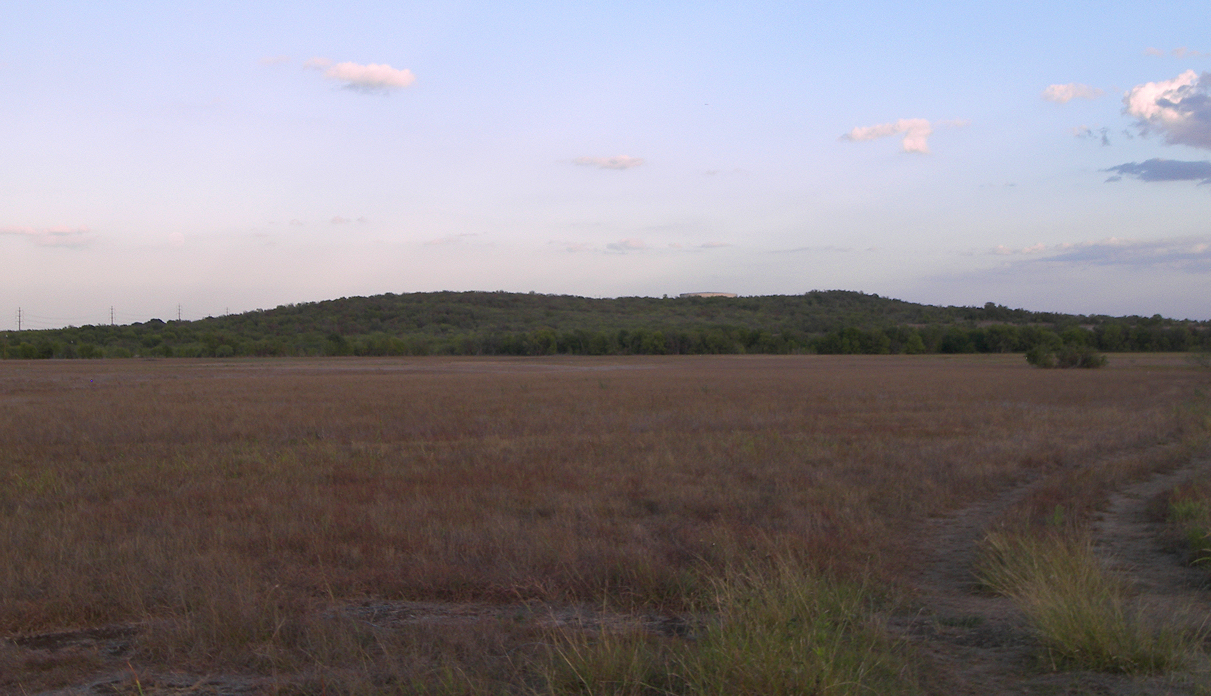
Approaching Pilot Knob, hikers are greeted by a landscape that whispers ancient volcanic tales. The terrain, composed of rugged trap rock hills and volcanic ash, contrasts sharply with the lush greenery of nearby McKinney Falls State Park. The hike is gentle yet evocative, inviting trekkers to touch the remnants of fiery eruptions that shaped Central Texas millions of years ago. Reaching the summit offers sweeping panoramic views of the Austin skyline and surrounding hills, a serene reward that connects you to the deep geological history beneath your feet.
Geological Background of Pilot Knob
Pilot Knob is the eroded core of an extinct submarine volcano formed during the late Cretaceous period, approximately 80 million years ago. Unlike typical volcanoes, it developed beneath a shallow sea, where magma explosively interacted with water-laden sediments, creating a deep explosion crater. Over time, ash cones built up above the water level, and quieter lava eruptions formed the trap rock core visible today. The volcanic complex spans about two miles in diameter and consists of four rounded hills composed of fine-grained mafic volcanic rock. The surrounding sedimentary rocks include lithified beach sediments and volcanic ash deposits, offering a unique window into Texas’ prehistoric marine and volcanic environment.
Terrain and Hiking Experience at Pilot Knob
Hiking Pilot Knob offers an accessible yet geologically rich experience suitable for beginners and casual hikers. The trail meanders through gently rolling hills composed primarily of trap rock, an erosion-resistant volcanic rock that forms the core of the ancient volcano. The terrain features rocky outcrops, volcanic ash beds, and patches of loose scree, requiring hikers to watch their footing but without demanding technical climbing skills. The elevation gain is modest, ranging between 100 to 150 feet, making the ascent comfortable for most fitness levels.
The trail surface varies from compacted volcanic ash to rugged rock slabs, with occasional loose gravel sections that can be slippery, especially after rain. Vegetation is sparse on the volcanic hills but more abundant in the surrounding lowlands, where cottonwood and oak trees thrive near Cottonmouth Creek. Weather conditions can influence the hiking experience; summer temperatures often reach into the 90s Fahrenheit, so early morning or late afternoon hikes are recommended to avoid heat stress.
Wind exposure near the summit can be noticeable, adding a refreshing element to the climb. The trail is well-marked and maintained, with several vantage points offering views of the Austin skyline, McKinney Falls, and the broader Texas Hill Country. Hikers should prepare for limited shade along the route, making sun protection essential. The overall hiking experience balances ease of access with the thrill of exploring a rare volcanic landscape within city limits, providing a unique blend of natural history and outdoor adventure.
What Makes the Pilot Knob Trek Unique
Pilot Knob stands out as the largest exposed submarine volcano in Texas and one of the few volcanic remnants within a major U.S. city’s limits. Its formation beneath a shallow sea and subsequent erosion have created a distinctive landscape of trap rock hills and volcanic ash beds rarely seen in the region. The trek offers a rare opportunity to walk on ancient volcanic rock that shaped the surrounding terrain and influenced local ecosystems.
Unlike active volcano treks, Pilot Knob’s extinct status allows for a peaceful exploration without volcanic hazards, making it ideal for geology enthusiasts and families alike. The proximity to Austin-Bergstrom International Airport and McKinney Falls State Park enhances accessibility, while the panoramic views from the summit connect hikers to both natural and urban environments. The area’s volcanic history also enriches the soil, supporting diverse plant life and contributing to the region’s agricultural heritage.
Summit and Crater Experience at Pilot Knob
Reaching the summit of Pilot Knob, hikers are rewarded with expansive views stretching over the Texas Hill Country and the Austin metropolitan area. The summit, rising approximately 711 feet above sea level, offers a vantage point to appreciate the volcanic plug’s rugged trap rock formations and the surrounding lowlands shaped by ancient lava flows and ash deposits.
Though the original crater has long eroded, the summit area reveals geological features such as cooling joints and volcanic rock layers that tell the story of the volcano’s fiery past. The air is often filled with the scent of dry earth and local flora, while the quiet atmosphere invites reflection on the immense geological forces that once shaped this land. The contrast between the volcanic summit and the nearby urban skyline creates a striking visual narrative of nature’s endurance and transformation.
Best Time to Trek Pilot Knob
The ideal time to hike Pilot Knob is during the spring and fall months when temperatures are mild and the weather is generally stable. Spring brings blooming wildflowers and comfortable daytime temperatures ranging from 60°F to 80°F, while fall offers crisp air and colorful foliage in the surrounding Hill Country.
Summer hikes are possible but require early starts to avoid the intense Texas heat, which can exceed 90°F. Winter is mild but can be unpredictable with occasional cold fronts and rain. Since Pilot Knob is extinct, there are no volcanic activity restrictions; however, hikers should always check local weather forecasts to prepare for sudden changes. Sunrise and late afternoon hikes provide cooler temperatures and dramatic lighting for photography.
Routes and Trail Options at Pilot Knob
Pilot Knob offers several accessible routes suitable for easy to moderate hiking. The most popular approach begins near McKinney Falls State Park, where well-marked trails lead through wooded areas and open volcanic terrain to the summit. This route typically covers 2 to 3 miles round-trip with gentle elevation gain.
Another option is the Waterfall Creek Trail, which provides a scenic ascent alongside cascading waters before reaching the volcanic hills. This trail is favored for its natural beauty and moderate challenge, taking approximately 2.5 hours to complete.
For those seeking guided experiences, the U.S. Fish and Wildlife Service occasionally offers organized hikes at the nearby Pilot Knob National Wildlife Refuge, including tours of the Devil’s Icebox mineshaft. These guided hikes require advance registration and provide expert insights into the area’s geology and ecology.
All routes are non-technical and suitable for hikers with basic fitness. Trail conditions vary from rocky volcanic surfaces to compacted dirt paths, with some sections featuring loose scree. Self-guided hikers should carry maps or GPS devices, as signage can be limited in less trafficked areas.
Difficulty Assessment of the Pilot Knob Trek
Pilot Knob is classified as an easy volcano trek, suitable for beginners and families. The modest elevation gain of approximately 100 to 150 feet and well-maintained trails minimize physical strain. The terrain, while rocky in places, does not require technical climbing skills or specialized equipment.
Hikers should be prepared for uneven footing on volcanic rock and occasional loose gravel, which can pose minor challenges. The altitude is low enough to avoid altitude sickness concerns. Overall, the trek demands basic fitness and good balance but is accessible to most outdoor enthusiasts.
This makes Pilot Knob an excellent introduction to volcanic landscapes without the risks associated with active volcanoes or high-altitude climbs.
Essential Gear for Hiking Pilot Knob
For a comfortable and safe hike at Pilot Knob, essential gear includes sturdy hiking boots with good traction to navigate rocky and uneven volcanic terrain. Trekking poles can provide additional stability on loose scree sections. Given the limited shade, sun protection such as a wide-brimmed hat, sunglasses, and sunscreen is important.
Carry sufficient water to stay hydrated, especially during warmer months. A lightweight windproof jacket is advisable for cooler mornings or windy summit conditions. A small first aid kit, map or GPS device, and a fully charged mobile phone enhance safety. For early morning or late afternoon hikes, a headlamp or flashlight is recommended.
While volcanic gases are not a concern at this extinct volcano, hikers should still be prepared for sudden weather changes typical of Central Texas.
Safety and Volcanic Hazards at Pilot Knob
As an extinct volcano, Pilot Knob poses no active volcanic hazards such as eruptions or toxic gas emissions. However, hikers should remain cautious of natural trail risks including loose rocks, uneven footing, and steep sections that can cause slips or falls. Weather in Central Texas can change rapidly, so preparedness for heat, sun exposure, or sudden storms is essential.
There are no official volcanic monitoring agencies for Pilot Knob due to its extinct status, but local park services maintain trail safety. Visitors should stay on marked trails to protect fragile geological features and avoid disturbing wildlife habitats. During guided tours of nearby areas like the Devil’s Icebox, adherence to safety instructions is mandatory due to steep terrain and protected species.
Overall, Pilot Knob offers a safe hiking environment with standard outdoor precautions.
Permits, Guides, and Logistics for Visiting Pilot Knob
Pilot Knob is freely accessible to the public year-round with no general permit requirements for hiking. Visitors can explore the volcanic hills and surrounding trails independently without fees. However, certain areas such as the Pilot Knob National Wildlife Refuge, which includes the Devil’s Icebox mineshaft, are normally closed to the public and only open during guided tours organized by the U.S. Fish and Wildlife Service. These guided hikes require advance registration and are limited in group size to protect sensitive habitats and endangered species like the Indiana Bat.
Local tour operators and hiking guides in Austin occasionally offer specialized excursions to Pilot Knob and nearby geological sites, providing expert knowledge on volcanic history and ecology. These guided experiences enhance safety and educational value, especially for first-time visitors or geology enthusiasts.
Logistically, Pilot Knob is conveniently located about 8 miles south of downtown Austin, near the Austin-Bergstrom International Airport and McKinney Falls State Park. Access by car is straightforward via U.S. Highway 183 and local roads. Parking is available near trailheads, though spaces may be limited during peak times.
Hikers should bring their own water, snacks, and navigation tools, as there are no facilities on the volcano itself. Nearby amenities, including restaurants and shops, are available in Austin and the surrounding communities. For those interested in guided tours, contacting the U.S. Fish and Wildlife Service or local hiking groups in advance is recommended to secure spots and obtain up-to-date information on tour schedules and conditions.
Where to Stay Near Pilot Knob
While Pilot Knob itself does not have on-site accommodations, the surrounding Austin area offers a wide range of lodging options suitable for volcano hikers and nature enthusiasts. Downtown Austin, approximately 20 minutes north, provides numerous hotels, boutique inns, and vacation rentals with easy access to the volcano by car.
For a more rustic experience, visitors can stay near McKinney Falls State Park, which offers camping facilities and is just a short drive from Pilot Knob’s trailheads. This proximity allows early morning starts and immersion in natural surroundings.
In the nearby communities south of Austin, several bed and breakfasts and guesthouses provide comfortable stays with local charm. Amenities typically include Wi-Fi, parking, and easy access to dining and shopping.
For those willing to explore further afield, accommodations in the Pilot Knob, Missouri area (not to be confused with the Texas volcano) such as the Fort Davidson Hotel and Shepherd Mountain Inn & Suites offer mountain biking and hiking amenities, but these are unrelated to the Texas site.
Overall, Austin’s hospitality infrastructure supports a convenient base for exploring Pilot Knob, combining urban comforts with access to unique volcanic landscapes.

![Saleaula Lava Fields volcano trek - Lava Church at Saleaula [DSC_3278]](https://volcanohiking.com/wp-content/uploads/2026/03/01-lava-church-at-saleaula-dsc-3278.jpg)