
Climbing Mount Teewinot: A Demanding Technical Mountaineering Trek in Wyoming’s Teton Range
Mount Teewinot, an extinct stratovolcano in Wyoming’s Teton Range, offers a challenging and technical mountaineering experience. Known as the deadliest peak in Grand Teton National Park, this demanding route requires expert skills, careful route-finding, and respect for the mountain’s exposure and loose rock. This guide covers the geological background, terrain, routes, safety, permits, and lodging options for climbers seeking to conquer Teewinot.
Quick Volcano Snapshot
| Attribute | Value |
|---|---|
| Volcano type | Extinct Stratovolcano |
| Elevation | 12,330 ft (3,758 m) |
| Location | Grand Teton National Park, Wyoming, United States |
| Activity status | Extinct |
| Trekking difficulty | Technical mountaineering, Class 3-5 scrambling |
| Typical trek duration | 8 to 12 hours round trip |
| Altitude gain | Approximately 5,600 feet |
| Terrain type | Alpine terrain with scree, loose talus, granite slabs, snowfields |
| Best season | July through September |
| Temperature range | Variable alpine temperatures; can drop below freezing at summit |
| Permit requirement | Backcountry permit required for overnight trips; park entrance fee required |
Introduction: The Experience of Hiking Mount Teewinot
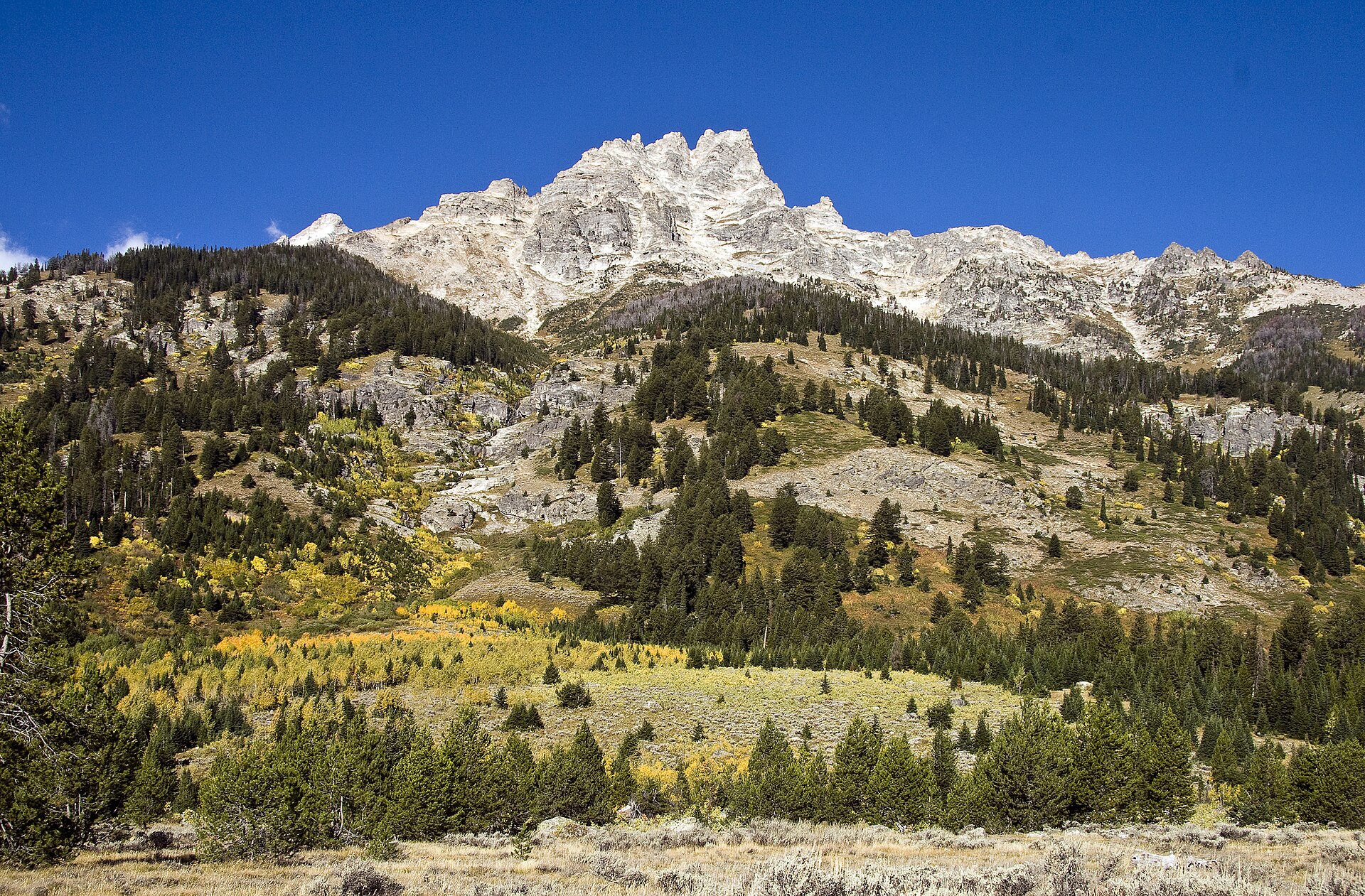
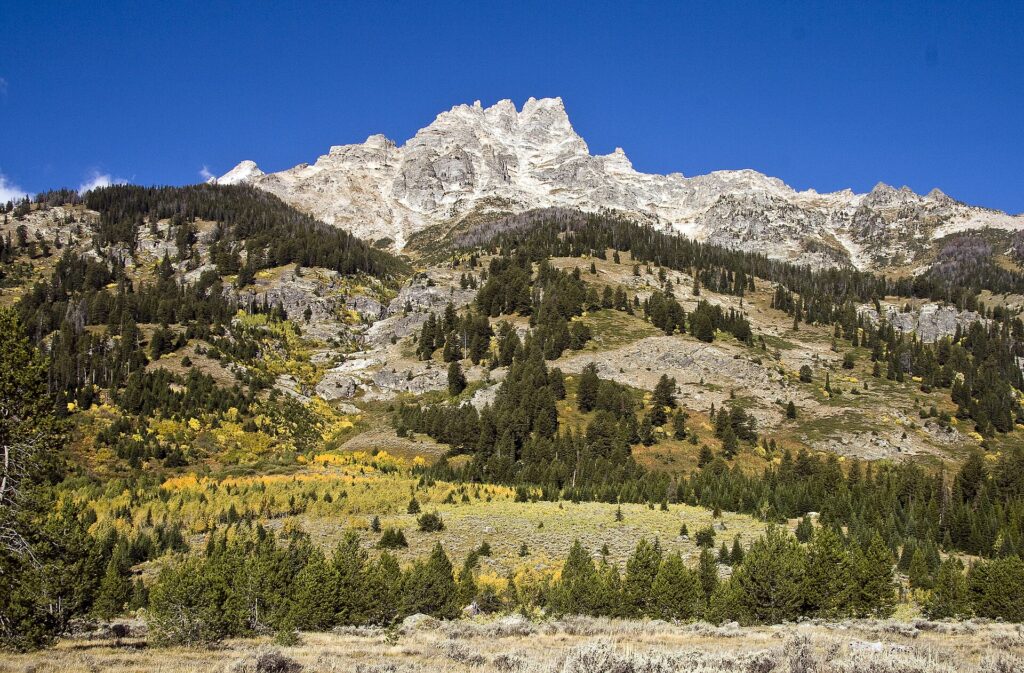
Mount Teewinot rises sharply above the forests and lakes of Grand Teton National Park, its jagged silhouette a striking contrast against the sky. Approaching from Lupine Meadows, the mountain’s steep, serrated ridges and exposed rock faces evoke a sense of raw geological power. The climb is not a casual hike but a demanding mountaineering challenge that tests your skill and resolve. As you ascend through dense lodgepole forests into alpine terrain, the landscape transforms into a dramatic tableau of granite slabs, snowfields, and narrow ridges. Reaching the summit, perched on a narrow saddle with cliffs plunging on either side, rewards climbers with breathtaking panoramic views of the Teton Range, Cascade Canyon, and beyond. The emotional intensity of standing atop this extinct volcanic peak, surrounded by the vast wilderness, is unforgettable.
The Volcano Itself: Geological Background
Mount Teewinot is an extinct stratovolcano forming part of the Teton Range in Wyoming. Though the Tetons are primarily known for their dramatic fault-block mountain geology, Teewinot’s volcanic origins contribute to its unique rugged profile. The mountain’s granite core was shaped by ancient volcanic activity followed by extensive glacial sculpting during the last ice ages. Its steep faces and sharp ridges are composed of resistant gneiss and granite, remnants of deep crustal rocks uplifted and exposed by tectonic forces. Unlike active volcanoes, Teewinot shows no recent eruptions but stands as a testament to the region’s dynamic geological past. The mountain’s name, derived from the Shoshone word for “many pinnacles,” reflects its jagged summit and complex terrain. Fumaroles, lava flows, and volcanic minerals typical of active volcanoes are absent here, replaced by the alpine features carved by erosion and glaciation.
The Volcano Trek: Terrain and Hiking Experience
Climbing Mount Teewinot is a rigorous and technical mountaineering endeavor rather than a simple hike. The route begins at Lupine Meadows trailhead, where a well-defined trail ascends through sagebrush flats and dense lodgepole forests. Early sections feature numerous switchbacks that steadily gain elevation, warming climbers for the challenges ahead. As the trail approaches timberline, the terrain shifts dramatically to steep scree fields and loose talus slopes, demanding careful footing and balance. Above the treeline, the route transforms into sustained alpine scrambling over broken granite slabs, chimneys, and gullies. This section requires continuous hands-on climbing, with exposure to steep drop-offs and loose rock. The rock is often fractured and unstable, increasing the risk of rockfall and slips. Route-finding becomes critical as there are no marked trails beyond approximately 9,000 feet, and climbers must navigate carefully to avoid dangerous Class 5 terrain inadvertently. Snowfields linger late into the summer, especially on the east face, where climbers may need ice axes and crampons for safe passage. The crux of the climb is a narrow V-shaped gully rated Class 4, demanding technical climbing skills and composure under exposure. Above this, the route traverses to the summit ridge, a narrow, exposed crest requiring steady nerves and precise footwork. The summit itself is a small saddle with sheer cliffs on two sides, offering spectacular views but little room to rest. The descent retraces the ascent route, with the east face descent being particularly hard on knees due to loose scree and steep slopes. Some climbers opt to rappel sections to reduce risk. Weather conditions can change rapidly, with sudden snow, wind, and cold temperatures adding to the challenge. Overall, the terrain demands expert mountaineering skills, excellent physical fitness, and thorough preparation.
What Makes This Volcano Trek Unique
Mount Teewinot stands out in the Teton Range for its combination of volcanic origins and alpine mountaineering challenges. Unlike many peaks in the region, it offers a direct, sustained scramble with significant exposure and technical sections that blur the line between hiking and rock climbing. Its extinct volcanic nature adds geological intrigue, contrasting with the fault-block mountains nearby. The mountain’s proximity to the Lupine Meadows trailhead makes it one of the more accessible technical climbs in the Tetons, yet it remains deadly due to loose rock, complex route-finding, and persistent snowfields. The iconic rock formations known as the “Idol and Worshipper” add a dramatic visual element to the ascent. The summit ridge provides a thrilling traverse with panoramic views of the Grand Teton, Mount Owen, and Cascade Canyon. Teewinot’s reputation as the deadliest peak in Grand Teton National Park underscores the seriousness of the climb. It demands respect, preparation, and mountaineering expertise, making it a unique objective for experienced climbers seeking a compact but intense alpine adventure.
The Summit and Crater Experience
Reaching the summit of Mount Teewinot is a moment of profound accomplishment and awe. The summit is a narrow, saddle-like perch with sheer cliffs dropping away on two sides, creating a dramatic and exposed vantage point. From here, climbers are treated to sweeping views of the Teton Range’s jagged peaks, including Mount Owen and the north face of the Grand Teton, as well as Cascade Canyon below. The air is thin and crisp, and the alpine environment feels raw and elemental. The granite underfoot is cool and solid, contrasting with the precarious exposure around. The silence is punctuated only by the wind and distant calls of alpine birds. The summit’s limited space means climbers must savor the moment briefly but intensely, aware of the risks involved in both ascent and descent. Though Teewinot is extinct and shows no volcanic crater activity, the geological story is palpable in the mountain’s rugged form. The summit experience combines physical triumph with a deep connection to the natural forces that shaped this landscape over millennia.
Best Time to Trek Mount Teewinot
The optimal climbing season for Mount Teewinot is during the summer months, typically from July through September. During this period, snowfields are reduced, and weather conditions are generally more stable, offering safer and more predictable climbing. Early summer may still present significant snow and ice on the east face and upper gullies, requiring technical gear such as ice axes and crampons. Late summer and early fall often provide the best balance of snow-free rock and stable weather, but climbers should always check current conditions and avalanche forecasts. Weather in the Tetons can change rapidly, with afternoon thunderstorms, high winds, and sudden temperature drops common. Early morning starts are recommended to avoid afternoon storms and to maximize daylight. Winter and shoulder seasons are not recommended due to persistent snow, ice, and avalanche risk. Climbers should also be aware of park regulations and seasonal closures that may affect access.
Trekking Routes and Trail Options
The primary and classic route to Mount Teewinot’s summit is the East Face route, starting from the Lupine Meadows trailhead in Grand Teton National Park. This route covers approximately 5.9 miles round trip with an elevation gain of about 5,600 feet, typically requiring 8 to 12 hours for fit, experienced climbers. The approach begins with a well-defined trail through sagebrush flats and dense forest, ascending via numerous switchbacks to timberline. Beyond this point, the trail fades, and climbers enter complex alpine terrain with no maintained paths. Route-finding skills are essential to navigate scree fields, snow patches, and broken granite slabs. The East Face route involves sustained Class 3 to 4 scrambling, with short sections of low Class 5 climbing. The crux is a narrow V-shaped gully rated Class 4, demanding careful climbing and exposure management. Climbers must avoid off-route paths that lead to more difficult and dangerous terrain. Descent is typically via the same route, though some parties may choose to rappel certain sections to reduce risk. Alternative routes exist but are generally more technical and less frequented. Guided climbs are available through operators such as Hole Hiking Experience and Exum Mountain Guides, who provide expert leadership, safety equipment, and local knowledge. Self-guided climbers must be well-prepared and experienced in alpine climbing and navigation.
Difficulty Assessment
Mount Teewinot is classified as a demanding and technical mountaineering ascent. The route involves sustained Class 3 and 4 scrambling with short sections of low Class 5 climbing, requiring climbers to have advanced rock climbing skills, route-finding ability, and experience with exposure. The altitude gain of approximately 5,600 feet over a relatively short distance results in a steep and sustained climb, demanding excellent physical fitness and endurance. The mountain’s loose rock, snowfields, and potential for sudden weather changes add to the challenge. This is not a beginner volcano trek or casual hike. It is best suited for expert climbers comfortable with alpine terrain, technical moves, and self-rescue techniques. Helmets, climbing gear, and sometimes ice axes and crampons are necessary depending on conditions. The mountain’s reputation as the deadliest peak in Grand Teton National Park underscores the seriousness of the climb. Proper preparation, respect for the mountain, and conservative decision-making are essential for safety.
Essential Volcano Trekking Gear
Climbing Mount Teewinot requires specialized mountaineering gear to navigate its technical and exposed terrain safely. Essential equipment includes a helmet to protect against rockfall and impacts; climbing harness, ropes, and belay devices for technical sections and potential rappelling; ice axe and crampons necessary for snowfield crossings and icy conditions, especially early or late in the season; sturdy mountaineering boots with good grip to handle scree, rock, and snow; trekking poles useful for approach and descent on less technical terrain; layered clothing to adapt to variable alpine weather, including windproof and waterproof outer layers; gloves and hat for warmth at high altitude; headlamp for early starts or emergency situations; navigation tools such as map, compass, GPS device, and knowledge of route-finding; hydration system and high-energy food to sustain energy on the long climb; and sun protection including sunglasses, sunscreen, and lip balm, as alpine sun exposure is intense. Proper training in the use of technical gear and climbing techniques is critical before attempting Teewinot.
Safety and Volcanic Hazards
Although Mount Teewinot is an extinct volcano with no current volcanic activity, the climb presents significant natural hazards that demand careful attention. The primary risks include loose and unstable rock causing frequent rockfall and scree that can lead to slips and injuries; exposure on narrow ridges and steep drop-offs requiring surefootedness and mental composure; complex route-finding with no maintained trails above timberline increasing the risk of getting off-route into more dangerous terrain; persistent snow and ice fields that may require technical equipment and skills; and sudden weather changes with alpine storms bringing lightning, cold temperatures, and reduced visibility. Climbers should monitor weather forecasts and avalanche conditions before the ascent. Wearing helmets and carrying appropriate climbing gear is mandatory. It is advisable to climb with experienced partners or guides. Grand Teton National Park rangers provide updates and warnings, and climbers should register their plans when possible. While volcanic hazards such as eruptions or gas emissions are not a concern here, general mountain safety protocols apply rigorously.
Permits, Guides, and Logistics
Mount Teewinot lies within Grand Teton National Park, and climbing it requires adherence to park regulations and permit requirements. A backcountry permit is mandatory for overnight trips or if camping in the park. Day climbs typically require a park entrance fee, which can be purchased at park gates or online. Due to the technical nature and inherent risks of the climb, many climbers opt to hire professional guides. Reputable operators include Hole Hiking Experience and Exum Mountain Guides, both offering expert-led climbs, safety instruction, and logistical support. These guides provide essential knowledge of route conditions, weather, and climbing techniques, significantly enhancing safety. The climb starts at the Lupine Meadows trailhead, accessible by car from nearby towns such as Jackson, Wyoming. Parking is limited and fills early in the day during peak season. Early arrival is recommended. Climbers should prepare for a full day of strenuous activity, carrying all necessary gear, food, and water. There are no facilities on the mountain, so self-sufficiency is critical. Weather can change rapidly, so monitoring forecasts and park alerts is essential. Permits can be obtained through the National Park Service website or visitor centers. Guided climbs often include permit arrangements as part of their service. Climbers should also register their plans with park rangers when possible for safety tracking. Overall, thorough preparation, respect for regulations, and consideration of hiring a guide are key to a successful and safe ascent of Mount Teewinot.
Where to Stay Near Mount Teewinot
The primary access point for climbing Mount Teewinot is the Lupine Meadows trailhead within Grand Teton National Park, near the town of Jackson, Wyoming. While there are no accommodations directly at the trailhead, several lodging options are available within a reasonable driving distance. Jackson offers a range of hotels, lodges, and guesthouses catering to outdoor enthusiasts. Popular choices include the Rustic Inn Creekside Resort and Spa, and the Snow King Resort, both offering comfortable amenities and proximity to park entrances. For those seeking ski resort lodging with mountain views and amenities, Teewinot Lodge by Grand Targhee Resort in Alta, Idaho, approximately 1.5 hours’ drive from Jackson, provides modern rooms with conveniences such as Wi-Fi, dining, and equipment rentals. The lodge features air conditioning, boot dryers, and is dog-friendly. Guests can enjoy the alpine setting and access to other mountain activities. Camping options are available within Grand Teton National Park at designated campgrounds such as Jenny Lake and Gros Ventre, but reservations are recommended well in advance during peak season. Due to the technical and demanding nature of the climb, many climbers choose to stay in Jackson or Alta the night before and after their ascent to rest and prepare. Both towns offer outdoor gear shops, guiding services, and dining options. Transportation to the trailhead is typically by private vehicle, with limited public transit options. Early arrival is advised to secure parking at Lupine Meadows.