
Hiking Mount Lassen Cinder Cone: A Complete Volcano Trekking Guide to California’s Volcanic Wonder
Mount Lassen Cinder Cone is a dormant cinder cone volcano located in Lassen Volcanic National Park, California. This moderate difficulty trek offers hikers a unique opportunity to explore volcanic landscapes, including lava flows, colorful Painted Dunes, and panoramic summit views. The trail combines forested approaches with steep volcanic ash slopes, providing a challenging yet rewarding hiking experience.
Quick Volcano Snapshot
| Attribute | Value |
|---|---|
| Volcano type | Cinder cone |
| Elevation | 6,907 feet (2,105 meters) |
| Location | Lassen Volcanic National Park, California, United States |
| Activity status | Dormant |
| Trekking difficulty | Moderate |
| Typical trek duration | 3 to 4 hours round trip |
| Altitude gain | 846 feet (258 meters) |
| Terrain type | Volcanic ash slopes, lava fields, forest trails |
| Best season | June through November |
| Temperature range | 40°F to 75°F (4°C to 24°C) depending on season and elevation |
| Permit requirement | No permit required for day hikes; wilderness permits required for overnight backcountry camping |
The Experience of Hiking Mount Lassen Cinder Cone
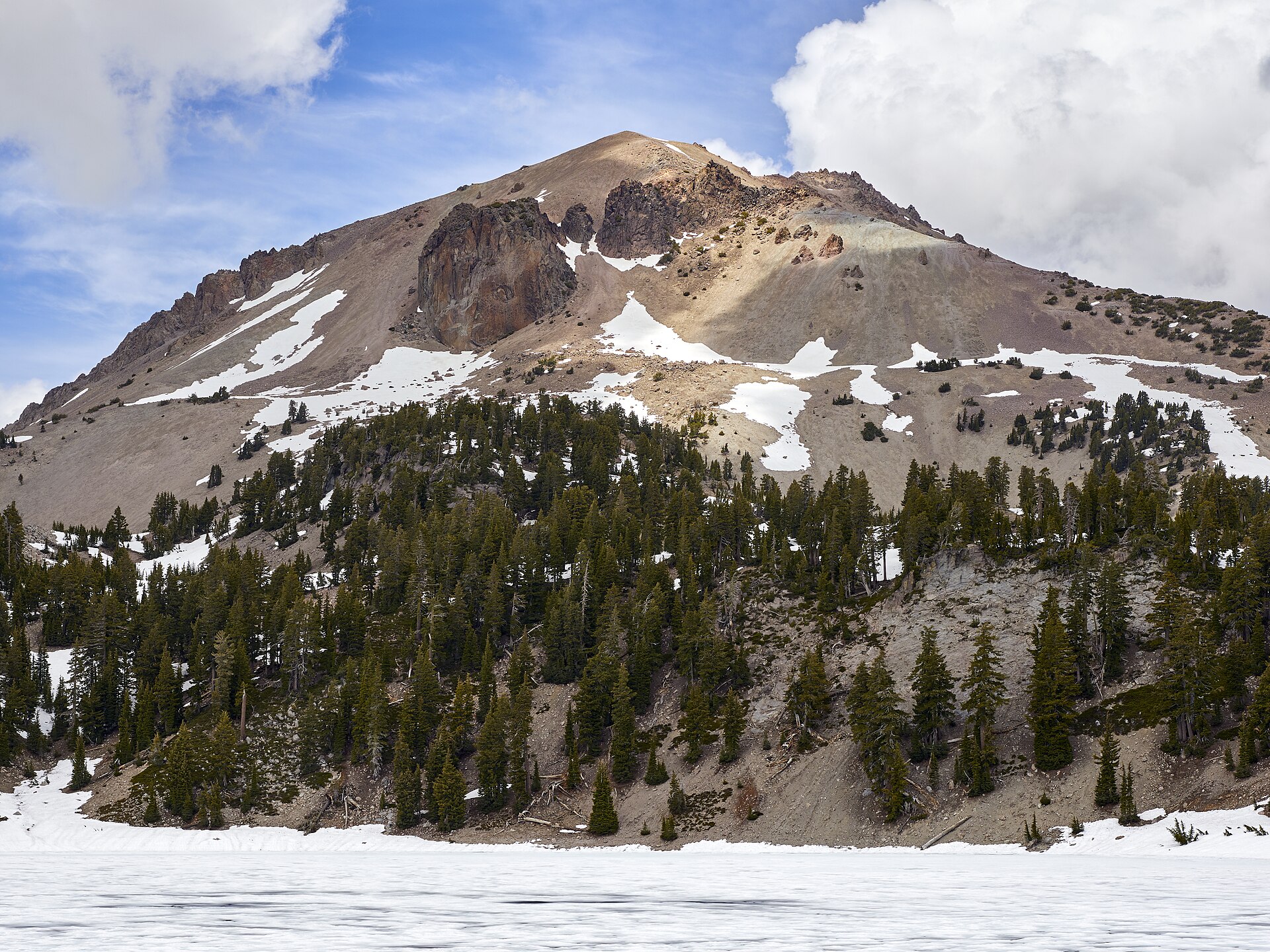
Approaching Mount Lassen Cinder Cone, hikers are immediately struck by the stark contrast between dense pine forests and the barren volcanic landscape that unfolds ahead. The trail begins gently, winding through towering Jeffrey Pines, but soon transitions to the loose, shifting volcanic cinders that define the cone itself. The air carries a faint scent of earth and minerals, hinting at the fiery forces that shaped this land. As you ascend the steep slopes, the panorama expands to reveal the Painted Dunes’ vibrant reds and yellows, the jagged Fantastic Lava Beds, and distant peaks like Lassen Peak. Reaching the summit, the sense of standing atop a geological monument is profound — the crater rim offers a commanding view of the park’s volcanic heart, a testament to nature’s raw power and artistry.
Geological Background of Mount Lassen Cinder Cone
Mount Lassen Cinder Cone is a classic example of a cinder cone volcano, formed by explosive eruptions that ejected volcanic ash, cinders, and lava fragments into the air. These materials settled around the volcanic vent, creating the steep, conical shape characteristic of cinder cones. The cone itself rises approximately 700 feet above the surrounding terrain, reaching an elevation of 6,907 feet. Its formation dates back to eruptions in the 1650s, which also produced extensive lava flows known as the Fantastic Lava Beds. These flows are composed primarily of basaltic lava, which cooled into sharp, jagged rock formations. The Painted Dunes adjacent to the cone display striking mineral deposits, with vivid reds, yellows, and oranges resulting from oxidized iron and other volcanic minerals. The area also features fumaroles and steam vents, remnants of the volcanic activity that continue to shape the landscape. This geological diversity offers hikers a unique window into volcanic processes and the dynamic nature of Earth’s crust.
The Volcano Trek: Terrain and Hiking Experience
The hike to Mount Lassen Cinder Cone is a compelling blend of contrasting terrains that challenge and reward trekkers. The trail begins in a serene forest of Jeffrey Pines and ponderosa pines, where the ground is firm and shaded, providing a comfortable start. This section is relatively flat, allowing hikers to warm up and absorb the natural surroundings. As the trail progresses, it follows a historic segment of the Nobles Emigrant Trail, adding a cultural layer to the journey. Approaching the base of the cinder cone, the landscape abruptly shifts to volcanic terrain. Here, hikers encounter loose volcanic cinders that resemble coarse sand, making footing unstable and requiring careful steps. The ascent becomes steep, climbing approximately 500 feet in less than half a mile. This steep incline on shifting volcanic ash demands good balance and endurance, and trekking poles are highly recommended for stability. The trail is wide but exposed, offering little shade, so sun protection and hydration are essential. Wind conditions can vary, sometimes intensifying near the summit, adding to the challenge. Upon nearing the top, the trail curves around the southern side of the cone, revealing expansive views of the Painted Dunes — a colorful expanse of oxidized volcanic ash — and the jagged Fantastic Lava Beds, a vast field of basaltic lava rocks. The summit rewards hikers with panoramic vistas of Lassen Peak, Prospect Peak, Snag Lake, and the surrounding wilderness. The crater rim trail allows exploration of the volcanic vent itself, where the earth’s fiery past is palpable. Descending requires caution as the loose cinders can cause slipping; many hikers find a controlled slide down sections of the slope both fun and efficient. Overall, the hike combines moderate physical exertion with the thrill of traversing a dynamic volcanic landscape, making it a memorable adventure for those prepared for its unique challenges.
What Makes the Mount Lassen Cinder Cone Trek Unique
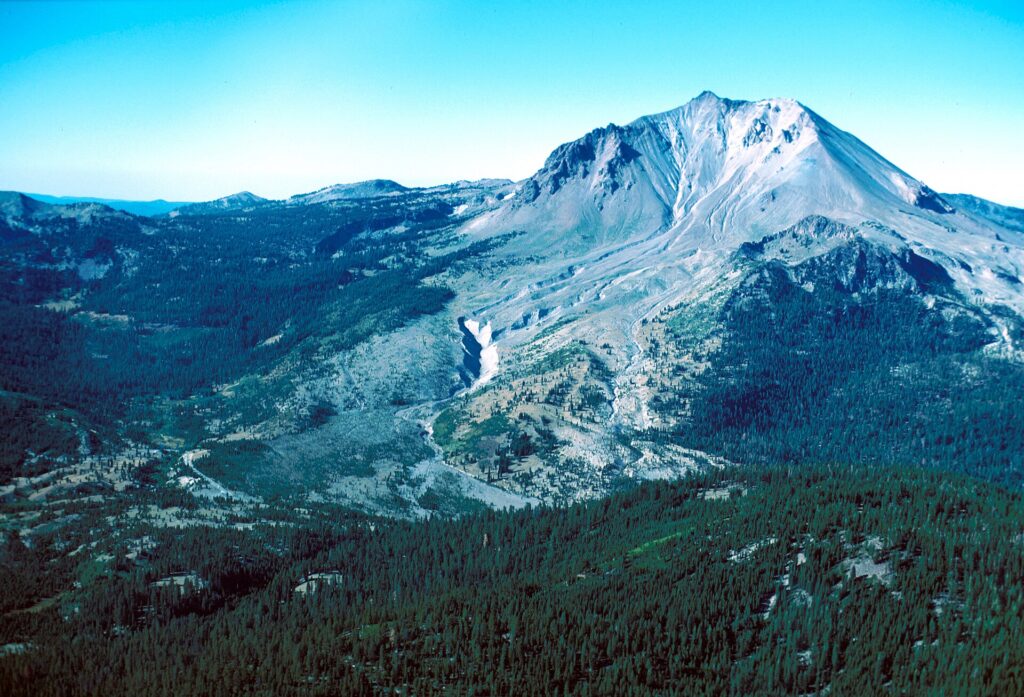
Mount Lassen Cinder Cone offers a rare opportunity to hike on a well-preserved cinder cone volcano with direct access to its crater rim and surrounding lava flows. Unlike many volcanic hikes that focus solely on summit views, this trek immerses hikers in diverse volcanic features including the Painted Dunes — vibrant mineral-rich ash slopes that create a surreal palette of reds, yellows, and oranges. The Fantastic Lava Beds adjacent to the cone provide a dramatic contrast with their jagged, black basalt formations, inviting exploration and geological curiosity. The trail’s incorporation of the historic Nobles Emigrant Trail adds a cultural and historical dimension, connecting hikers to the pioneer era of westward expansion. The combination of forested approaches, steep volcanic ash slopes, and panoramic summit views creates a multifaceted hiking experience that appeals to both geology enthusiasts and adventure seekers. The accessibility of the trailhead via a scenic dirt road and the availability of interpretive materials at the park enhance the educational value of the trek. This blend of natural beauty, geological significance, and historical context makes the Mount Lassen Cinder Cone hike a standout volcano trekking destination.
The Summit and Crater Experience
Reaching the summit of Mount Lassen Cinder Cone is a moment of exhilaration and awe. The crater rim trail offers a close-up view of the volcanic vent, where layers of cooled ash and cinders reveal the cone’s explosive origins. The air here is crisp and often carries a faint mineral scent, a subtle reminder of the earth’s inner heat. From the summit, hikers are treated to sweeping 360-degree panoramas that encompass the Painted Dunes’ vivid colors, the rugged Fantastic Lava Beds, and the towering Lassen Peak in the distance. The landscape stretches out in every direction, a mosaic of volcanic features and dense forests. The crater itself invites exploration; descending into it reveals the steep walls and loose volcanic debris that formed during past eruptions. The summit’s exposed position means wind can be brisk, and the sun intense, so hikers often pause to savor the views while seeking shelter behind rocky outcrops. The combination of geological wonder and breathtaking scenery makes the summit experience deeply rewarding and memorable.
Best Time to Trek Mount Lassen Cinder Cone
The optimal season for hiking Mount Lassen Cinder Cone is from June through November, when the trail is generally free of snow and weather conditions are favorable. Snow can linger on the trail well into July, especially at higher elevations, making early summer hikes potentially challenging or inaccessible. Summer months offer the longest daylight hours and warmer temperatures, but hikers should be prepared for strong sun exposure and occasional afternoon thunderstorms. Fall brings cooler temperatures and fewer crowds, with the added bonus of colorful foliage in the surrounding forests. Winter and early spring are not recommended for this trek due to heavy snow cover and limited road access. Visitors should always check current trail conditions and weather forecasts before planning their hike. Additionally, Lassen Volcanic National Park monitors volcanic activity and weather hazards, issuing alerts as needed to ensure hiker safety.
Trekking Routes and Trail Options
The primary route to Mount Lassen Cinder Cone begins at the Butte Lake parking area, accessible via a six-mile dirt road off Highway 44. This trailhead is located near the boat ramp in the northeast corner of Lassen Volcanic National Park. The main trail to the base of the cone is approximately 2.4 miles round trip and is suitable for hikers seeking a moderate challenge with rewarding views. For those aiming to summit the cone, the round-trip distance extends to about 4 miles, with an elevation gain of 846 feet. The trail initially follows the Cinder Cone Nature Trail, which includes interpretive stops highlighting geological and cultural features. At 1.2 miles, hikers reach a fork at the base of the cone; the left fork leads to the Painted Dunes and the steep ascent to the summit, while the right fork bypasses the cone for a gentler route. The summit trail circles the southern side of the cone, offering panoramic views before reaching the crater rim. An additional trail descends into the crater itself for closer exploration. While the trail is well-marked and maintained, the steep volcanic ash slopes require careful footing. Guided tours are available through operators such as Lasting Adventures and Wildland Trekking, which offer expert-led hikes incorporating broader park highlights. For multi-day backpackers, wilderness permits are required for overnight stays in designated backcountry zones, accessible via other trailheads like Warner Valley or Juniper Lake. These longer routes provide opportunities to explore more remote volcanic features within the park.
Difficulty Assessment
The Mount Lassen Cinder Cone hike is classified as a moderate volcano trek. The initial approach through forested terrain is relatively easy, but the steep ascent on loose volcanic cinders significantly increases the physical demands. The unstable footing on the volcanic ash slopes requires good balance, strong ankles, and careful pacing. Altitude is moderate, with the summit at just under 7,000 feet, which may affect some hikers sensitive to elevation. No technical climbing skills or equipment are necessary, but trekking poles are highly recommended to aid stability. Fitness levels should include the ability to sustain a steady climb over a short but strenuous section. Weather conditions can add difficulty, with exposure to sun, wind, and occasional sudden storms. Overall, the trek is suitable for hikers with some experience and a reasonable level of fitness seeking a rewarding volcanic landscape adventure.
Essential Volcano Trekking Gear
For hiking Mount Lassen Cinder Cone, essential gear includes sturdy hiking boots with good traction to handle loose volcanic cinders and rocky terrain. Trekking poles are highly recommended to improve balance and reduce strain on knees during the steep ascent and descent. Sun protection is critical due to minimal shade on the upper slopes; bring a wide-brimmed hat, sunglasses, and high-SPF sunscreen. Carry ample water, at least two liters per person, as dehydration risk is high on exposed volcanic terrain. Layered clothing is advised to adapt to temperature changes and wind exposure, including a lightweight windproof jacket. A headlamp or flashlight is useful if hiking early or late in the day. A bandana or buff can help protect against dust and volcanic ash, especially on windy days. Additionally, a basic first aid kit, map or GPS device, and snacks for energy are recommended. While volcanic gases are minimal at this dormant cone, hikers sensitive to respiratory irritants may consider carrying a lightweight mask.
Safety and Volcanic Hazards
While Mount Lassen Cinder Cone is dormant, hikers should remain aware of general volcanic and trail hazards. The loose volcanic cinders on the steep slopes can cause slipping and falling; proper footwear and trekking poles mitigate this risk. The exposed summit area offers little shelter from sudden weather changes, including thunderstorms and strong winds, which can develop rapidly in mountainous terrain. Visitors should heed weather forecasts and avoid hiking during electrical storms, as lightning strikes are a known hazard. Volcanic gases are minimal at this dormant cone, but hikers should avoid fumaroles and steam vents elsewhere in Lassen Volcanic National Park, where toxic gases can be present. Trail conditions may vary seasonally, with snow patches lingering into summer; hikers should be prepared for slippery or icy sections early in the season. Park rangers monitor volcanic activity and issue alerts if conditions change. It is essential to stay on designated trails to protect fragile volcanic soils and avoid unstable ground. Carrying a map, informing others of your itinerary, and having a communication device are recommended safety practices.
Permits, Guides, and Logistics
Day hikes to Mount Lassen Cinder Cone do not require permits; however, visitors must pay the standard Lassen Volcanic National Park entrance fee. For overnight backcountry camping in the park’s wilderness areas, including routes extending beyond the Cinder Cone Trail, a wilderness permit is required. These permits can be obtained online via Recreation.gov up to 90 days in advance, with a non-refundable reservation fee of $6 per permit plus a $5 per person recreation fee. Permits are unlimited in number but mandatory for overnight stays to help manage visitor impact and safety. Guided hiking tours to Mount Lassen Cinder Cone and other park highlights are offered by reputable operators such as Lasting Adventures and Wildland Trekking. These companies provide expert leadership, interpretive insights, and logistical support, ideal for those seeking a structured experience or unfamiliar with the terrain. The Cinder Cone Trailhead is accessed via a six-mile dirt road off Highway 44, open seasonally from May through October depending on conditions. Most vehicles can navigate this road, but high-clearance vehicles are recommended. Parking is available at the Butte Lake Day Use Area near the trailhead, which includes restrooms and potable water when the campground is open. Visitors should prepare for limited services in this remote area and carry sufficient water and supplies. The park advises checking trail and weather conditions before hiking and recommends starting early to avoid afternoon thunderstorms and complete the hike before dark. Visitors should also familiarize themselves with park safety guidelines, including bear awareness and lightning safety.
Where to Stay Near Mount Lassen Cinder Cone
Accommodations near Mount Lassen Cinder Cone cater to a range of preferences, from rustic lodges to family-friendly motels. The closest lodging options are found in the nearby towns of Chester and Mineral, both within a 20 to 30-minute drive from the Butte Lake trailhead. St. Bernard Lodge in Chester is a historic and charming bed and breakfast set on ten scenic acres. It offers cozy rooms with knotty-pine interiors, hearty breakfasts, and personalized trip planning assistance. This lodge is popular among visitors seeking a peaceful retreat with easy access to Lassen Volcanic National Park. For travelers desiring more upscale amenities, Highlands Ranch Resort near the park provides suites and cottages featuring fireplaces, private hot tubs, and scenic terraces overlooking mountain landscapes. The resort includes fine dining and a social lodge atmosphere, ideal for relaxation after a day of hiking. Families and budget-conscious visitors may prefer Timber House Lodge in Chester, which offers themed rooms, spacious suites with living areas, and a welcoming environment. For those camping, Butte Lake Campground near the trailhead provides a convenient base with access to potable water and restrooms during the summer season. Additional lodging options are available in Mineral, a small town near the park’s southern entrance, offering basic motels and cabin rentals. Visitors should book accommodations well in advance during peak summer months due to limited availability. Proximity to the trailhead, amenities, and personal preferences will guide the best choice for each traveler.