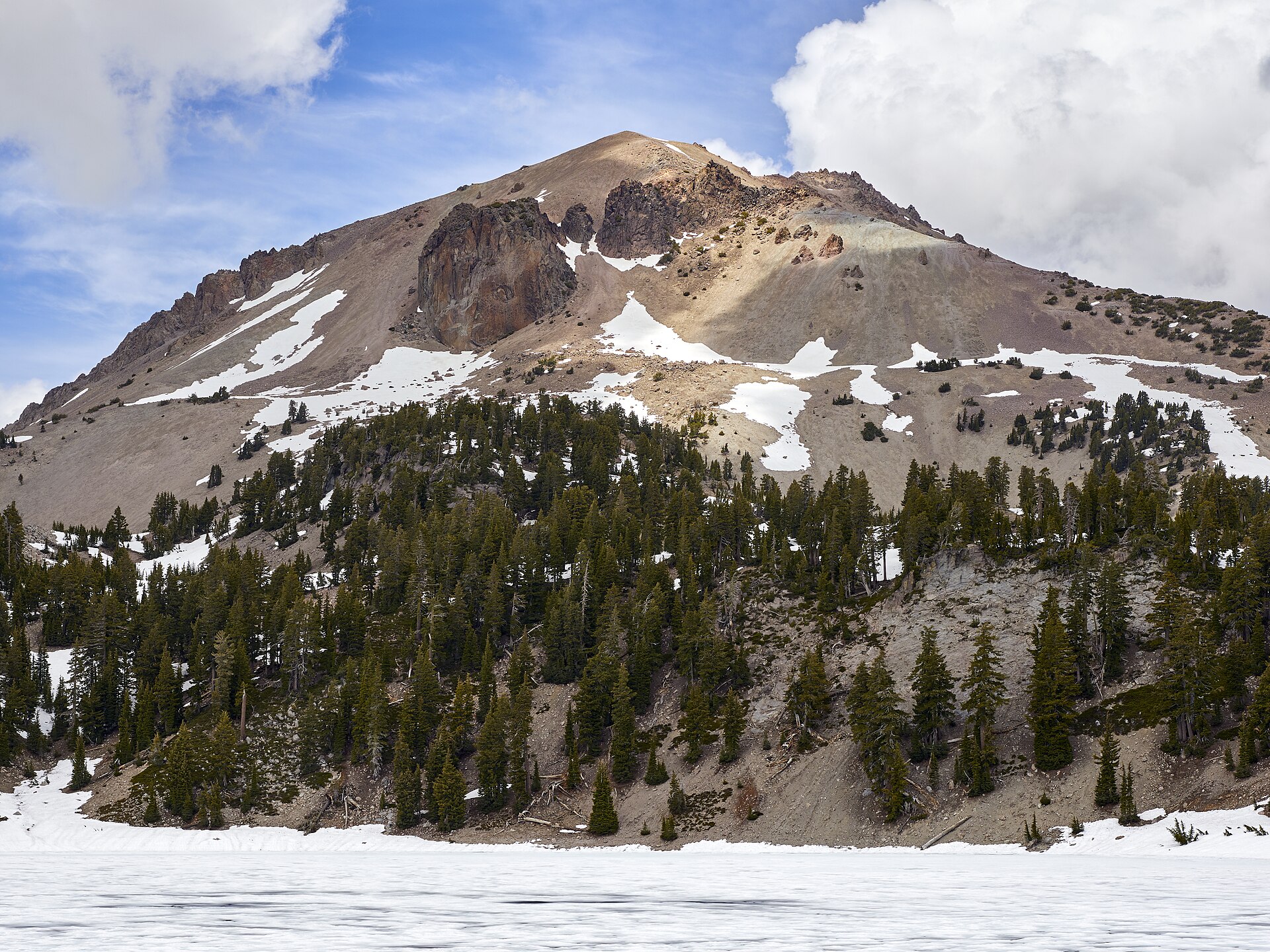

Mount Spurr Volcano Trekking Guide: Conquer Alaska’s Majestic Stratovolcano with Summit Crater Lake
Mount Spurr, Alaska’s highest volcano at 11,070 feet, offers a demanding and thrilling trek through volcanic landscapes, glaciers, and alpine ecosystems. This comprehensive guide covers geological background, terrain challenges, route options, safety protocols, permits, and accommodation near this active stratovolcano with a unique summit crater lake.
Quick Volcano Snapshot
| Attribute | Value |
|---|---|
| Volcano type | Stratovolcano |
| Elevation | 11,070 ft (3,374 m) |
| Location | Tordrillo Mountains, Alaska, United States |
| Activity status | Active |
| Trekking difficulty | Demanding |
| Typical trek duration | 2-3 days |
| Altitude gain | Approximately 3,000 ft (900 m) from base camps |
| Terrain type | Glaciated volcanic slopes, lava domes, ash fields, rocky ridges |
| Best season | Late June to early September |
| Temperature range | 20°F to 60°F (-6°C to 15°C) during trekking season |
| Permit requirement | Required for backcountry access; permits managed by Alaska state agencies |
Introduction: The Experience of Hiking Mount Spurr
Approaching Mount Spurr, the vastness of Alaska’s wilderness unfolds beneath a towering stratovolcano crowned by glaciers and a rare summit crater lake. The air is crisp and charged with the subtle scent of sulfur, hinting at the volcanic forces simmering beneath. As you ascend, the landscape shifts dramatically from dense spruce forests to stark volcanic ash and jagged lava formations. The silence is profound, broken only by the crunch of boots on gravel and the distant rumble of shifting ice. Reaching the summit crater, the panorama reveals a breathtaking vista of rugged peaks, glacial valleys, and the shimmering crater lake — a testament to the mountain’s fiery heart and icy mantle. This trek is a profound journey into the raw power and serene beauty of an active Alaskan volcano.
The Volcano Itself: Geological Background
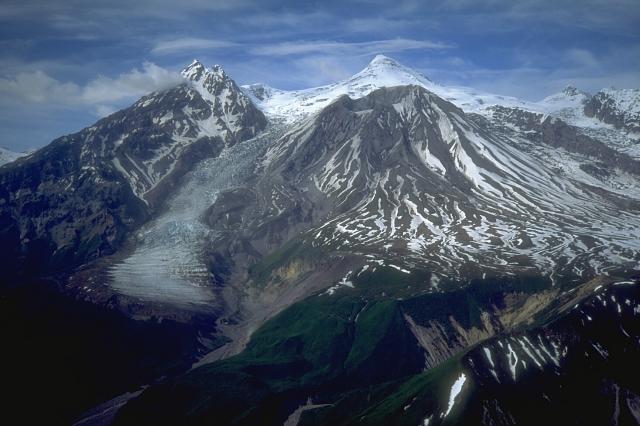
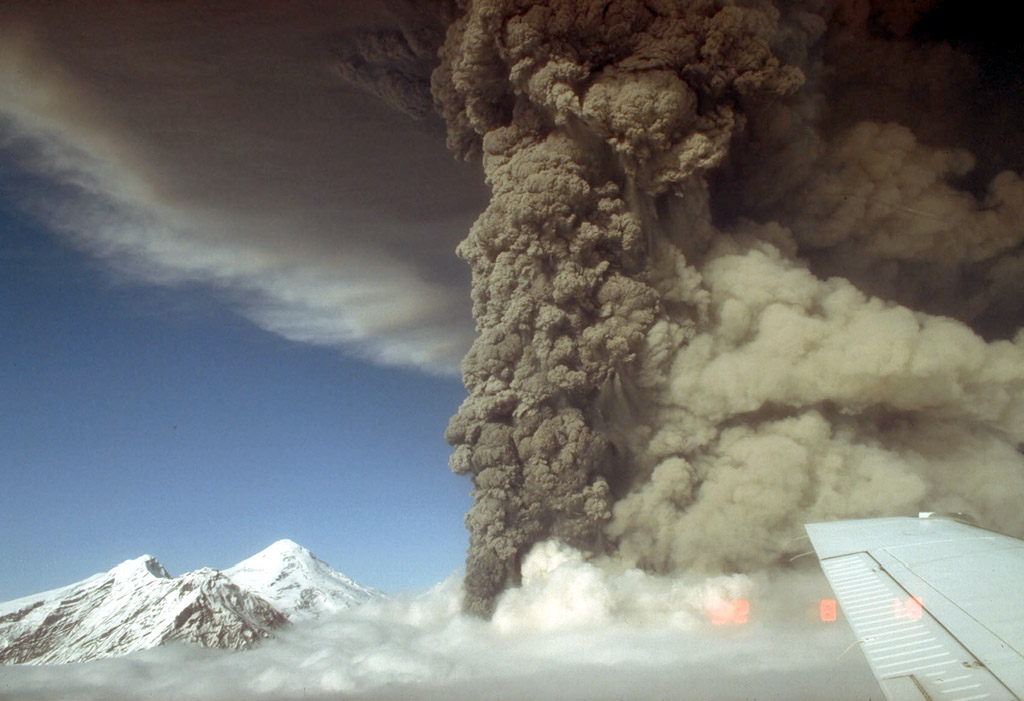
Mount Spurr is a prominent stratovolcano located in the Tordrillo Mountains of Alaska, part of the Aleutian volcanic arc. It rises to 11,070 feet (3,374 meters) and is composed of a complex lava dome atop a large caldera formed by a catastrophic collapse in the early Holocene epoch. This collapse left a three-mile-wide caldera with a distinctive breach facing southeast. Since then, two main vents have developed: the summit lava dome of Mount Spurr itself and Crater Peak, a stratocone vent on the caldera’s margin. Crater Peak has erupted explosively in 1953 and 1992, producing ash clouds that affected Anchorage and surrounding areas. Mount Spurr’s summit hosts a unique crater lake, formed within the volcanic crater and surrounded by glaciers. The volcano’s geology is marked by layers of lava flows, ash deposits, and hydrothermal features such as fumaroles and sulfur vents. Its glaciers are extensive, containing ice volumes far exceeding those of Mount Rainier, shaping the landscape through glacial erosion and deposition. Continuous monitoring by the Alaska Volcano Observatory tracks seismic activity, gas emissions, and ground deformation to anticipate future eruptions.
The Volcano Trek: Terrain and Hiking Experience
Trekking Mount Spurr is a demanding adventure that challenges hikers with a diverse and rugged terrain shaped by volcanic activity and glacial forces. The ascent begins in dense lowland forests of white spruce and paper birch, where the trail weaves through thick undergrowth and occasional wetlands. As elevation increases, the forest gives way to subalpine zones dominated by mountain hemlock and fir, with alpine azaleas and mountain ash adding bursts of color during the short growing season. Beyond the tree line, the landscape transforms into a stark volcanic wilderness. Hikers encounter steep slopes of volcanic ash and pumice, which can be loose and slippery, requiring careful footing and sometimes the use of trekking poles for stability. Jagged lava domes and rocky ridges demand scrambling skills and caution, especially where volcanic rock is fractured and unstable. Extensive glaciers mantle the upper slopes, and while the main trekking routes typically avoid technical glacier travel, snowfields and ice patches may be present even in summer, necessitating crampons and ice axes for some sections. The altitude and exposure to wind and cold temperatures add to the challenge, with weather conditions changing rapidly. The trail to the summit crater lake offers dramatic views of steaming fumaroles and sulfur deposits, with the crater’s icy lake reflecting the sky. Descents often involve navigating loose scree and volcanic debris, requiring controlled movements to prevent slips. Overall, the trek demands good physical fitness, experience with alpine terrain, and preparedness for variable conditions. The combination of volcanic rock, glaciers, and alpine flora creates a unique hiking experience that is both physically taxing and visually spectacular.
What Makes This Volcano Trek Unique
Mount Spurr stands out among Alaska’s volcanoes due to its combination of an active stratovolcano with a summit crater lake and extensive glacial coverage. The presence of a crater lake at such a high elevation is rare and adds a mystical element to the climb. The volcano’s history of explosive eruptions, including the impactful 1953 and 1992 events, underscores the dynamic nature of this mountain. Its location within the Tordrillo Mountains offers a remote wilderness experience, with panoramic views of the Cook Inlet and neighboring volcanic peaks. The diverse ecosystems along the ascent—from dense boreal forests to alpine tundra—showcase the resilience of life in volcanic soils. Additionally, the cultural significance of Mount Spurr to the indigenous Dena’ina people, who call it K’idazq’eni or “that which is burning inside,” enriches the trek with a sense of connection to the land’s ancient stories. The combination of geological activity, glacial landscapes, and cultural heritage makes Mount Spurr a truly unique volcano trekking destination.
The Summit and Crater Experience
Reaching the summit of Mount Spurr is a moment of awe and reverence. The crater rim reveals a steaming volcanic landscape, where fumaroles emit sulfurous gases that carry a sharp, distinctive scent. The summit crater lake, nestled amidst ice and volcanic rock, reflects the sky’s shifting moods, from brilliant blue to brooding gray. The air is thin and crisp, and the panoramic views stretch across the Tordrillo Mountains, Cook Inlet, and distant peaks of the Alaska Range. The ground near fumaroles is warm to the touch, a tangible reminder of the molten forces beneath. The silence is punctuated by the occasional hiss of escaping gases and the distant rumble of shifting glaciers. The experience is both humbling and exhilarating, connecting hikers to the primal energy of Earth’s inner workings. The summit’s exposure to wind and cold demands quick but mindful enjoyment before beginning the careful descent.
Best Time to Trek Mount Spurr
The optimal trekking season for Mount Spurr is from late June through early September, when snow cover is reduced and weather conditions are relatively stable. During this window, temperatures range from 20°F to 60°F (-6°C to 15°C), allowing safer access to the volcanic slopes and crater area. Early summer can still present snowfields and icy patches, requiring appropriate gear and caution. Weather in Alaska’s mountains is notoriously variable, with sudden storms, high winds, and temperature drops possible even in summer. Trekking outside this season is generally not recommended due to deep snow, avalanche risk, and extreme cold. Additionally, volcanic activity and monitoring alerts should be checked before planning a trip, as unrest can lead to temporary closures or increased hazards. Sunrise climbs are popular for their spectacular lighting and calmer winds, but require headlamps and preparedness for cold pre-dawn conditions. Avoiding periods of heavy rain or volcanic gas emissions is essential for safety and comfort.
Trekking Routes and Trail Options
Mount Spurr offers several trekking routes, each with distinct challenges and starting points. The most common approach begins from the Chakachatna River valley, accessible via backcountry roads and requiring a multi-day trek. This route ascends through dense forest and subalpine zones before reaching the volcanic slopes and glacier margins. Elevation gain is approximately 3,000 feet (900 meters), with a total trek duration of 2 to 3 days depending on pace and weather. Another option includes a longer traverse from the vicinity of Chakachamna Lake, which offers a more gradual ascent but requires advanced navigation skills and wilderness camping experience. Both routes demand self-sufficiency and preparedness for remote conditions, as there are no established trailheads or maintained paths. Guided expeditions are available through specialized operators such as Fly AK Air and Regal Air, who provide flightseeing tours and can arrange access and logistical support. These operators offer options including aerial views, landings near base camps, and combined hiking and flight packages. Self-guided trekkers must secure permits and coordinate transportation carefully, as access roads are limited and weather-dependent. Trail conditions vary from forested paths to loose volcanic scree and occasional snowfields, requiring versatile hiking skills.
Difficulty Assessment
Mount Spurr is classified as a demanding volcano trek, suitable for experienced hikers and mountaineers with strong fitness levels. The terrain includes steep volcanic ash slopes, rocky lava domes, and glaciated sections that may require technical equipment such as crampons and ice axes. Altitude effects at 11,070 feet (3,374 meters) can impact endurance and breathing, especially for those unacclimated. The route demands good navigation skills due to limited trail markings and remote wilderness conditions. Weather variability and exposure to cold, wind, and volcanic gases add to the challenge. This trek is not recommended for beginners or casual hikers. Preparation should include physical training, knowledge of alpine safety, and familiarity with volcanic hazards. Guided trips can mitigate some risks by providing expert leadership and logistical support.
Essential Volcano Trekking Gear
Successful trekking on Mount Spurr requires specialized gear to handle volcanic and alpine conditions. Key items include sturdy hiking boots with excellent grip for loose volcanic rock and scree, trekking poles for stability on steep and slippery slopes, and gaiters to protect against volcanic ash and debris. Due to potential volcanic gas emissions, carrying a gas mask or respirator (such as an N95 mask) is advisable. Layered clothing with a windproof and waterproof jacket is essential to adapt to rapid weather changes and cold temperatures. A headlamp is necessary for early morning or late evening climbs. Crampons and an ice axe may be required for snow and ice sections, depending on season and conditions. Hydration systems and high-energy food are critical for endurance. Sun protection, including sunglasses and sunscreen, is important as volcanic terrain offers little shade. A first aid kit, map, compass or GPS device, and communication tools complete the essential gear list for safety and preparedness.
Safety and Volcanic Hazards
Mount Spurr poses several specific hazards that hikers must respect. Volcanic gases such as carbon dioxide and sulfur dioxide can accumulate in crater areas and low-lying zones, posing respiratory risks; hikers should monitor gas levels and avoid fumarole vents. The terrain includes unstable crater edges and loose scree slopes, increasing the risk of falls and rockslides. Sudden weather changes can bring extreme cold, high winds, and reduced visibility, complicating navigation and increasing exposure risk. Although the volcano is currently at a normal alert level, its history of explosive eruptions means that sudden activity remains possible. The Alaska Volcano Observatory continuously monitors seismic activity, gas emissions, and ground deformation, providing alerts and guidance. Hikers should check current volcanic activity reports before and during their trip. Carrying communication devices and informing others of plans enhances safety. Proper acclimatization and preparedness for altitude sickness are also important. Respecting park regulations and staying on recommended routes minimizes risk.
Permits, Guides, and Logistics
Trekking Mount Spurr requires careful planning due to its remote location and wilderness status. Permits are mandatory for backcountry access and are managed by Alaska state agencies; hikers must apply in advance and comply with regulations designed to protect the environment and ensure safety. There are no developed trailheads or visitor centers, so logistical arrangements for transportation and camping are essential. The closest major city is Anchorage, approximately 80 miles east, which serves as the primary gateway. From Anchorage, access to trailheads involves travel on unpaved backcountry roads or chartered flights. Two notable tour operators specializing in Mount Spurr expeditions are Fly AK Air and Regal Air. Fly AK Air offers flightseeing tours with optional landings near the volcano, providing aerial perspectives and logistical support for hiking parties. Regal Air provides combined glacier and volcano flightseeing tours with water landings and wilderness experiences. These operators can assist with permits, transport, and guided hikes, making them valuable resources for visitors unfamiliar with Alaska’s rugged terrain. Costs for permits vary depending on the duration and group size, typically ranging from $30 to $100. Guided expeditions can cost several hundred to over a thousand dollars, depending on services included. Due to the volcano’s active status, hikers should monitor Alaska Volcano Observatory updates and coordinate with local emergency management offices. Preparation should include arranging food supplies, camping gear, and emergency communication devices, as there are no facilities near the volcano. Visitors are advised to plan for self-sufficiency and to respect all safety advisories.
Where to Stay Near Mount Spurr
Accommodation options near Mount Spurr are limited due to its remote wilderness setting, but Anchorage, located about 80 miles east, offers a wide range of lodging suitable for trekkers. In Anchorage, visitors can find hotels, hostels, and rental cabins equipped with modern amenities, providing comfortable bases for acclimatization and preparation. For those seeking proximity to nature, the Cozy Mountain Cabins in Sterling, Alaska, offer private chalets with full kitchens, Wi-Fi, and outdoor fire pits approximately 100 miles south of Mount Spurr. These cabins provide a rustic yet comfortable experience with easy access to nearby wildlife refuges and trails. Closer to the volcano, there are no established lodges or campsites; most trekkers camp in designated backcountry areas or use base camps arranged through guided tours. Fly AK Air and Regal Air can facilitate access to remote landing sites near the volcano for camping or day trips. Due to the lack of infrastructure, visitors should bring all necessary camping equipment and supplies. Anchorage also serves as the hub for gear rental, last-minute provisioning, and connecting with local guides. Early booking is recommended during the trekking season to secure accommodations and logistical support.