
Mount Silisili Crater Rim Trekking Guide: Conquer Samoa’s Highest Volcano
Mount Silisili, Samoa’s highest peak at 1,858 meters, offers a demanding multi-day trek through lush rainforests, volcanic ridges, and a rare crater rim experience. This guide covers geology, terrain, routes, logistics, and local culture for an unforgettable volcano adventure on Savai’i Island.
Quick Volcano Snapshot
| Attribute | Value |
|---|---|
| Volcano type | Stratovolcano |
| Elevation | 1,858 m (6,096 ft) |
| Location | Savai’i Island, Samoa |
| Activity status | Dormant |
| Trekking difficulty | Demanding |
| Typical trek duration | 2-3 days round trip |
| Altitude gain | Approximately 1,200 m |
| Terrain type | Rainforest trails, volcanic ridges, lava rocks, grassy slopes |
| Best season | June to September |
| Temperature range | Cooler temperatures at altitude, 10-25°C |
| Permit requirement | Hike fee SAT$150 per person including guide, sleeping bag, and tent |
Introduction: The Experience of Hiking Mount Silisili
Approaching Mount Silisili, the highest peak in Samoa, is like stepping into a realm where lush tropical rainforest meets ancient volcanic power. The trail winds through dense greenery, the air thick with humidity and the scent of earth and foliage. As you ascend, the forest gradually gives way to open grassy ridges and fragile lava fields, revealing the raw geological forces that shaped this island. The climb challenges both body and spirit, with slippery paths and steep gradients demanding focus and endurance. Reaching the crater rim, you are rewarded with sweeping views of Savai’i’s northern coast and the vast Pacific beyond. The summit itself, a modest volcanic knob, offers a quiet moment to reflect on the island’s volcanic heritage and the enduring spirit of Samoa’s natural landscape.
The Volcano Itself: Geological Background
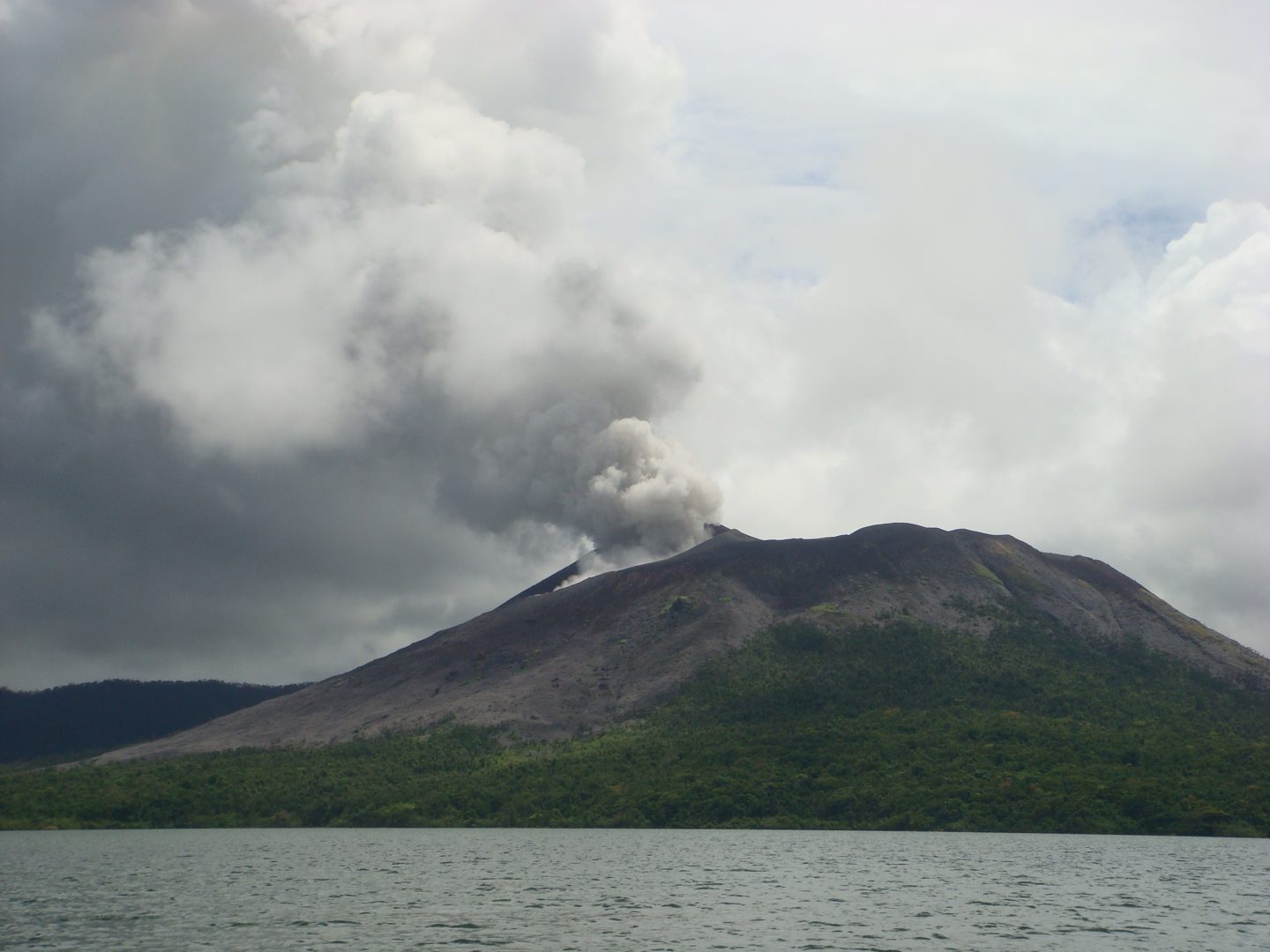
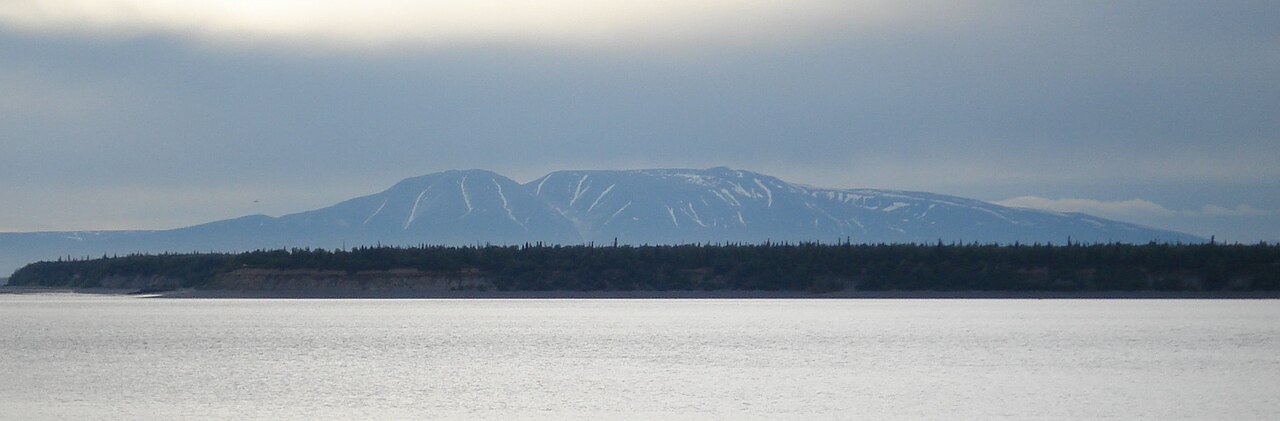
Mount Silisili is a dormant stratovolcano located at the center of Savai’i Island, the largest shield volcano island in the South Pacific. Rising to 1,858 meters, it is the highest point in Samoa and ranks 24th worldwide by topographic isolation. The volcano formed through successive eruptions that built up layers of lava and ash, creating the island’s rugged mountainous spine. Notable volcanic activity includes eruptions in the early 1900s, with the last significant eruption recorded in 1911. The crater rim area features fragile lava rocks covered with distinctive orange and white spongy moss, along with blueberry bushes that thrive in this unique volcanic soil. The crater named Mata o le Afi, which erupted in 1902, holds remnants of a research settlement, highlighting the scientific interest in this volcanic landscape. Fumaroles and steam vents are rare here, but the volcanic minerals enrich the soil, supporting diverse flora in the surrounding rainforest.
The Volcano Trek: Terrain and Hiking Experience
The trek to Mount Silisili’s crater rim is a demanding adventure that immerses hikers in a variety of challenging terrains. The journey begins on a plantation path, which is relatively gentle but quickly transitions into a lush rainforest within the Aopo Conservation Area. Here, the trail becomes slippery when wet, with muddy sections and roots that require careful footing. The gradient rises slowly but steadily, with occasional moderately steep sections that test endurance. As altitude increases, temperatures drop noticeably, and hikers should be prepared with warm clothing and rain protection. After approximately six hours, the trail opens into a grassy clearing, an ideal spot for rest and lunch. Beyond this, the terrain shifts dramatically to a volcanic crater ridge characterized by fragile lava rocks and spongy mosses in vivid orange and white hues. This section is difficult to navigate due to the unstable ground and overgrown vegetation. Guides mark the path by cutting bushes and leaving machete marks on trees to ensure safety and prevent erosion. The ridge leads to Mata o le Afi, a volcanic crater that last erupted in 1902, where hikers can camp in wind-protected areas with spectacular views of the northern coast. The final ascent to the summit is unmarked and requires careful navigation, relying on gravity and natural landmarks rather than a defined trail. The terrain here is rocky and uneven, demanding sure-footedness and physical fitness. Throughout the trek, hikers experience a blend of tropical rainforest humidity, cooler mountain air, and the stark, open volcanic landscape near the summit. The combination of slippery forest paths, steep climbs, and rugged volcanic ridges makes this trek both physically challenging and richly rewarding for those seeking an authentic volcano hiking experience.
What Makes This Volcano Trek Unique
Mount Silisili offers a rare opportunity to trek along a volcanic crater rim in the South Pacific, a feature seldom accessible on islands like Samoa. The combination of dense rainforest, volcanic ridges, and the chance to camp near the crater of Mata o le Afi sets this trek apart. The vivid orange and white mosses clinging to fragile lava rocks create an otherworldly landscape, contrasting sharply with the lush greenery below. The presence of blueberry bushes along the ridge adds an unexpected natural treat for hikers. Additionally, the cultural experience of staying overnight with a Samoan family in Aopo village before the hike enriches the journey, offering insights into local hospitality and traditions. The summit’s panoramic views of Savai’i’s northern coast and the surrounding ocean provide a breathtaking reward for the demanding ascent. This trek combines geological wonder, natural beauty, and cultural immersion, making it a distinctive adventure for volcano enthusiasts.
The Summit and Crater Experience
Reaching the summit of Mount Silisili is a moment of profound accomplishment. The summit itself is a modest volcanic knob, but the journey there is what makes the experience unforgettable. From the crater rim camp at Mata o le Afi, the final ascent takes about an hour and a half over unmarked, rocky terrain. At the top, hikers are greeted with sweeping panoramic views that stretch across the island of Savai’i, the Apolima Strait, and on clear days, the neighboring islands of Upolu and Manono. The air is cooler and often shrouded in mist, lending a mystical atmosphere to the peak. The crater rim area reveals the scars of past eruptions, with names and words etched into the volcanic rock by previous visitors and researchers. The smell of earth and faint traces of sulfur linger subtly, reminding trekkers of the volcano’s dormant power. The silence at the summit is profound, broken only by the wind and distant bird calls, offering a rare chance to connect deeply with Samoa’s volcanic heart.
Best Time to Trek Mount Silisili
The optimal trekking season for Mount Silisili is during Samoa’s dry months, from June to September. During this period, rainfall is reduced, making the slippery rainforest trails safer and more manageable. Temperatures are cooler at higher elevations, so hikers should prepare for chilly conditions, especially in the early morning and late afternoon. The wet season, typically from November to April, brings heavy rains that can turn trails muddy and treacherous, increasing the risk of slips and falls. Additionally, the wet season may cause trail closures or restrict access due to safety concerns. Early starts are recommended to avoid afternoon showers and to maximize daylight for the multi-day trek. Monitoring local weather forecasts and volcanic activity reports is advisable, although Mount Silisili is currently dormant. Planning the trek during the dry season ensures the best combination of trail conditions, visibility, and overall safety.
Trekking Routes and Trail Options
The primary route to Mount Silisili’s summit begins in the village of Aopo, located approximately 10 kilometers north of the volcano. This trail is the most established and commonly used, offering a 2-3 day round trip that includes camping near the crater rim. The hike starts on a plantation path leading into the Aopo Conservation Area rainforest, progressing through slippery, muddy trails with a gradual elevation gain. After about six hours, hikers reach an open grassy area suitable for rest before continuing to the crater ridge. The ridge section is more challenging, with fragile lava rocks and moss-covered terrain requiring careful navigation. Guides from Aopo mark the trail with machete cuts and tree marks to aid hikers. Camping is typically done near Mata o le Afi, the 1902 eruption crater, where wind-protected spots are available. From the camp, the summit is an unmarked ascent of roughly 1.5 hours over rocky terrain. Alternative routes are limited due to the dense rainforest and volcanic topography, making the Aopo trail the preferred and safest option. Guided treks are strongly recommended for navigation and safety, especially on the crater ridge and summit sections where trails are faint or non-existent.
Difficulty Assessment
Mount Silisili is classified as a demanding volcano trek. The trail covers varied terrain including slippery rainforest paths, steep gradients, and unstable volcanic ridges. The altitude of 1,858 meters introduces cooler temperatures and potential altitude-related fatigue, though it is not high enough to cause severe altitude sickness. The final summit ascent is unmarked and requires good navigation skills and sure-footedness. Physical fitness is essential, as hikers must be prepared for long days of trekking with significant elevation gain and challenging footing. The trek is not technical mountaineering but demands endurance, balance, and experience with rugged trails. Beginners should consider guided tours and adequate preparation, while experienced hikers will find the route rewarding but physically taxing.
Essential Volcano Trekking Gear
Key gear for Mount Silisili includes sturdy hiking boots with excellent grip for slippery and rocky terrain, trekking poles to aid balance on uneven paths, and gaiters to protect against mud and debris. A waterproof and windproof jacket is vital due to frequent rain and cooler temperatures at altitude. Warm layers are necessary for the chilly summit and overnight camping. A headlamp is recommended for early starts and late finishes. Carry sufficient water and a hydration system, as natural water sources may be scarce or untreated. Sun protection including a hat, sunglasses, and sunscreen is important despite the forest cover. A gas mask or respirator is not typically required as the volcano is dormant with no active fumaroles. Camping gear such as a lightweight tent and sleeping bag is essential for the overnight stay near the crater rim. Finally, a machete or guide assistance is advised for navigating the overgrown sections of the trail.
Safety and Volcanic Hazards
While Mount Silisili is currently dormant, safety precautions remain critical. The primary hazards include slippery and muddy trails in the rainforest, unstable volcanic rocks on the crater ridge, and the absence of marked paths near the summit. Falling rocks and loose scree can pose risks, especially on steep sections. Sudden weather changes are common in tropical mountain environments, with rapid onset of rain and fog reducing visibility and increasing trail difficulty. Volcanic gases are not a significant concern due to the volcano’s dormancy, but hikers should remain alert to any unusual smells or steam vents. It is essential to hire local guides familiar with the terrain to navigate safely and avoid getting lost. Monitoring local weather and volcanic activity reports before and during the trek is recommended. Emergency communication options are limited in remote areas, so preparation and caution are paramount.
Permits, Guides, and Logistics
Trekking Mount Silisili requires coordination with local authorities and guides based in Aopo village, the gateway to the volcano. The hike is typically arranged through the pulenu’u (village mayor) of Aopo, who facilitates guide services and permits. A hike fee of approximately SAT$150 per person covers the guide, sleeping bag, and tent rental. Visitors must provide their own food and camping supplies. It is customary and recommended to stay overnight in Aopo village before the trek to acclimate and experience Samoan hospitality. Local families often host hikers, providing meals and cultural immersion; bringing gifts such as food staples, cash, or camping gear as tokens of appreciation is appreciated. Guides play a crucial role in marking the difficult crater ridge trail with machete cuts and tree marks to ensure safe passage. The trek duration is 2-3 days round trip, with camping near the crater rim. Booking through the Savai’i Samoa Tourism Association or Pacific Island Adventure ensures reliable guide services. Transportation to Aopo can be arranged from main towns on Savai’i, but visitors should plan logistics carefully due to limited public transport. Carrying cash for fees, tips, and village purchases is necessary as electronic payments are uncommon. Overall, the trek requires thorough preparation, respect for local customs, and reliance on experienced guides for a safe and rewarding experience.
Where to Stay Near Mount Silisili
Accommodation options near Mount Silisili are limited but offer authentic experiences close to the trailhead. The village of Aopo, approximately 10 kilometers north of the volcano, serves as the primary base for trekkers. Visitors can stay overnight with local Samoan families in traditional fales, gaining insight into village life and culture. These homestays typically include meals prepared by hosts, providing a warm and hospitable environment. It is customary to bring gifts such as food staples or camping gear to show appreciation. For those seeking more formal lodging, the island of Savai’i offers resorts and guesthouses in coastal areas, though these are generally a 1-2 hour drive from Aopo. Notable accommodations on Savai’i include Le Lagoto Resort and Spa in Fagamalo, offering modern beachfront amenities, and more rustic options like beach fales that provide budget-friendly stays with ocean views. On the neighboring island of Upolu, resorts such as Coconuts Beach Club Resort and Spa provide luxury accommodations but require ferry and road travel to reach Savai’i. Due to the remote nature of the volcano, camping near the crater rim is common during the trek, with guides providing tents and sleeping bags included in the hike fee. Planning to stay in Aopo village the night before and after the trek is highly recommended to rest and prepare adequately for the demanding hike.