
Mount Garet Volcano Trekking Guide: Explore Vanuatu’s Active Stratovolcano on Gaua Island
Mount Garet, an active stratovolcano on Gaua Island in Vanuatu, offers a thrilling trekking experience through lush rainforests, volcanic landscapes, and across Lake Letas. This comprehensive guide covers geology, trekking routes, safety, permits, accommodations, and more for adventurous volcano hikers.
Quick Volcano Snapshot
| Attribute | Value |
|---|---|
| Volcano type | Stratovolcano |
| Elevation | 797 m |
| Location | Gaua Island, Vanuatu |
| Activity status | Active |
| Trekking difficulty | Moderate |
| Typical trek duration | 1 to 3 days |
| Altitude gain | Approximately 500 m |
| Terrain type | Lava fields, ash plains, dense rainforest, volcanic rock |
| Best season | June to January (dry season) |
| Temperature range | Tropical, warm and humid with cooler temperatures at summit |
| Permit requirement | Local guide required; permits arranged through tour operators |
Introduction: The Experience of Hiking Mount Garet
Approaching Mount Garet, the highest peak on Gaua Island, you enter a realm where volcanic power and lush tropical nature collide. The trail winds through dense rainforest alive with vibrant flora and fauna before opening onto stark volcanic ash plains and black lava fields. The contrast between the fertile greenery and the barren volcanic soil is striking, a vivid reminder of the earth’s fiery forces shaping this island. As you ascend, the air grows cooler and the scent of sulfur hints at the active volcano’s presence. Reaching the summit, the panorama of Lake Letas surrounding the smoking cone fills you with awe and a profound sense of connection to the planet’s dynamic heart.
Geological Background of Mount Garet
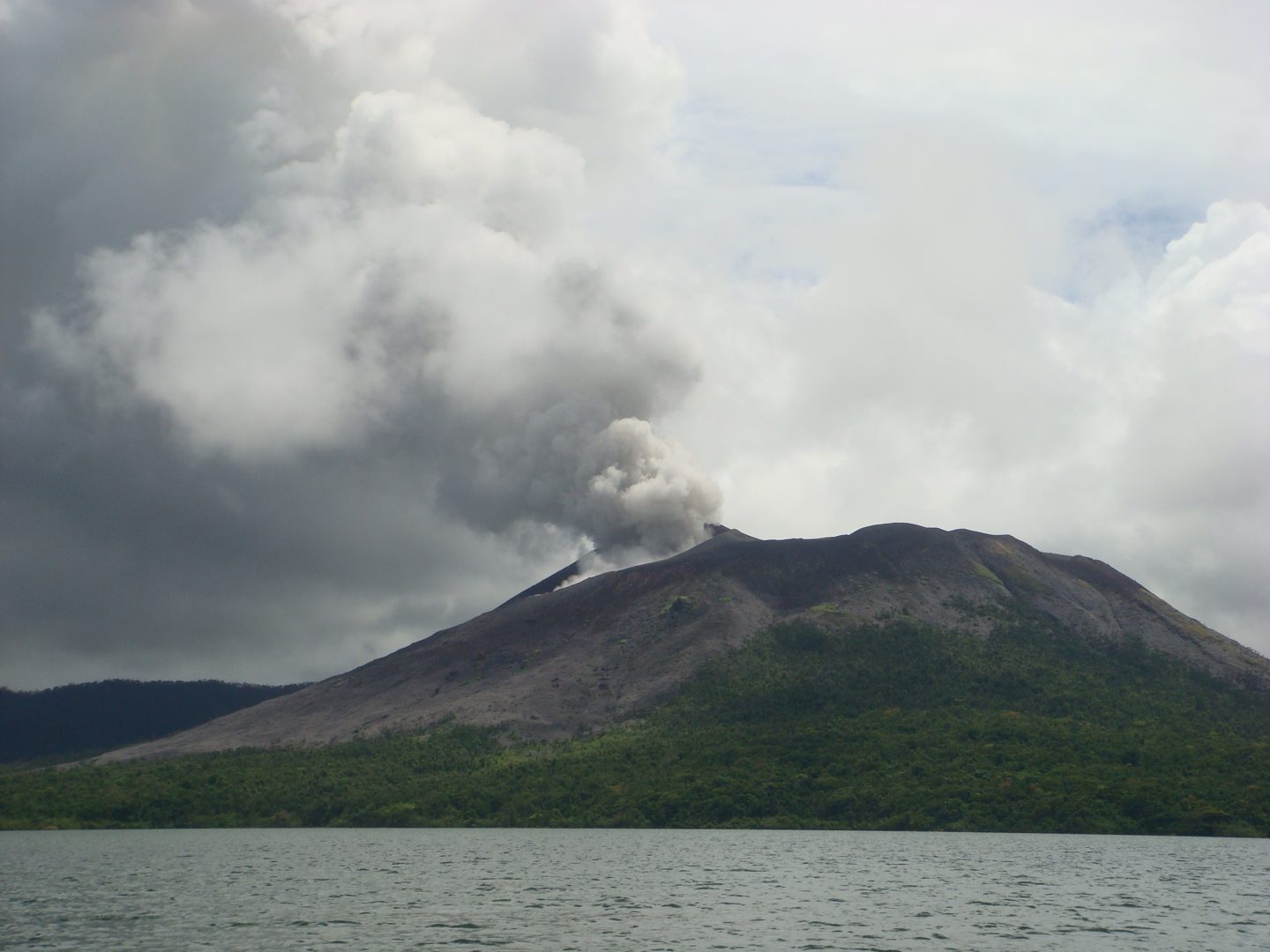
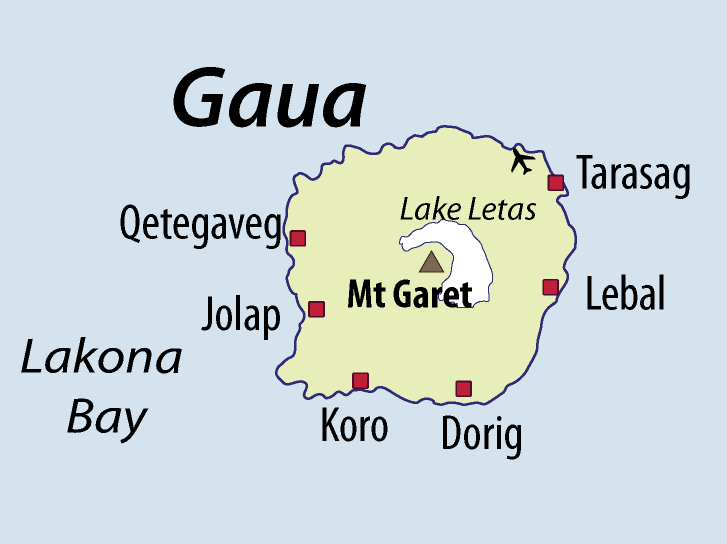
Mount Garet is a somma stratovolcano rising to 797 meters at the center of Gaua Island, part of the Banks Islands in northern Vanuatu. It sits within a large caldera approximately 6 by 9 kilometers in size, filled by Lake Letas, Vanuatu’s largest freshwater lake. The volcano’s formation began with a massive caldera collapse, followed by extensive ash eruptions and lava flows that shaped the island’s rugged terrain. Mount Garet’s summit features three active pit craters, regularly emitting steam and volcanic gases. Its volcanic rocks are primarily basaltic to andesitic, with distinct lava flows visible on the slopes. The volcano’s activity is closely monitored due to its unpredictable nature, with the last eruptive phase beginning in 1962 and continuing intermittent activity since. The surrounding landscape showcases fumaroles, sulfur deposits, and unique geological formations that tell the story of ongoing volcanic processes.
The Volcano Trek: Terrain and Hiking Experience
Trekking Mount Garet is a multifaceted adventure that challenges hikers with a variety of terrains and climatic conditions. The journey begins in tropical lowland rainforest, where thick vegetation and humid air envelop you. Trails here are often muddy and slippery, requiring sturdy hiking boots and careful footing. As you progress, the landscape transitions to volcanic ash plains and black lava fields, where the ground is uneven and composed of loose volcanic rock and hardened lava flows. This terrain demands good balance and endurance, as the volcanic soil can be unstable and sharp in places. The ascent to the summit involves a steep climb of approximately 500 meters over about 45 minutes from the last viewpoint, with sections of loose scree and rocky outcrops. Hikers experience significant altitude effects, including cooler temperatures and stronger winds near the crater rim. The crater area itself is rugged, with fumaroles emitting steam and sulfurous gases, adding an otherworldly atmosphere. Throughout the trek, hikers must be prepared for sudden weather changes, including tropical rain showers that can make trails slippery and visibility poor. The combination of dense jungle, volcanic ash, and rocky slopes makes this a moderate but rewarding trek, suitable for hikers with good fitness and some experience in tropical and volcanic environments. The trail also offers diverse sensory experiences, from the earthy smell of wet forest to the sharp scent of sulfur near the summit, and the visual drama of contrasting lush greenery and barren volcanic terrain.
What Makes the Mount Garet Trek Unique
Mount Garet’s trek stands out for its rare combination of active volcanic phenomena set within a pristine island environment. Unlike many volcano hikes, this trek offers the chance to circumnavigate and cross Lake Letas, the largest freshwater lake in Vanuatu, which fills the caldera surrounding the volcano. The lake’s serene waters contrast dramatically with the smoking volcanic cone rising from its center. The volcano’s three active craters regularly emit steam and gases, creating a mystical atmosphere. The trek also immerses hikers in authentic Ni-Vanuatu culture, with opportunities to visit traditional villages and witness unique water music dances performed by local women. The island’s isolation and limited tourism infrastructure preserve its wild character, offering an off-the-grid adventure. The lush rainforest, volcanic ash plains, and panoramic summit views combine to create a trekking experience that is both geologically fascinating and culturally enriching.
The Summit and Crater Experience
Reaching the summit of Mount Garet is a moment of profound awe. The crater rim offers sweeping views of Lake Letas, its calm waters encircling the smoking volcanic cone. The air is tinged with the sharp scent of sulfur, and steam rises from fumaroles, creating a surreal, almost primeval atmosphere. The ground beneath your feet is warm in places, a reminder of the molten forces below. Sounds of escaping gases hiss softly, punctuating the stillness. From this vantage point, the island’s dense jungle stretches out in every direction, framed by the vast Pacific Ocean beyond. The interplay of light and shadow across the crater and lake at sunrise or sunset enhances the dramatic landscape. This sensory immersion into the volcano’s active heart leaves a lasting impression of nature’s raw power and beauty.
Best Time to Trek Mount Garet
The optimal trekking season for Mount Garet is during Vanuatu’s dry months, from June to January. During this period, trails are more accessible and less slippery, and weather conditions are generally stable. The dry season reduces the risk of heavy tropical rains that can make the volcanic ash plains and forest paths treacherous. Trekking outside this window increases the likelihood of encountering muddy trails, swollen rivers, and limited visibility. Additionally, volcanic activity can fluctuate, so it is essential to check current volcanic alert levels before planning your trip. The Vanuatu Meteorology and Geohazards Department maintains an alert system, with Mount Garet currently at Level 2, indicating major unrest but low risk for visitors outside the immediate volcanic cone. Early morning climbs are recommended to avoid midday heat and to experience the spectacular sunrise views from the summit.
Trekking Routes and Trail Options on Mount Garet
Mount Garet offers flexible trekking options ranging from one-day hikes to multi-day wilderness adventures. The most popular route begins near Gaua Airport and can be tailored to a one, two, or three-day itinerary. The three-day trek includes hiking through dense rainforest, canoeing across Lake Letas, camping at local sites, and summiting Mount Garet. Accredited local guides such as Larry Aris, Victor Wetias, and Joses Kauvaka lead these treks, adjusting pace and difficulty to suit hikers’ fitness levels. The trail crosses diverse terrain, including river crossings, volcanic ash plains, and steep ascents to the crater rim. For those seeking a shorter experience, a one-day hike to the summit is possible but requires good fitness and early starts. The multi-day routes provide a deeper immersion into the island’s natural and cultural landscape, including visits to traditional villages and natural hot springs. Guided treks are strongly recommended due to the island’s remote location, challenging terrain, and active volcanic status. Self-guided options are limited and not advised without local knowledge.
Difficulty Assessment of Mount Garet Trek
Mount Garet is classified as a moderate volcano trek. The trail demands a good level of fitness due to steep ascents, uneven volcanic terrain, and tropical climate conditions. Hikers should be prepared for muddy and slippery forest paths, loose volcanic ash, and rocky slopes near the summit. Altitude gain is approximately 500 meters, with the summit at 797 meters above sea level, which may cause mild altitude effects for some. The trek does not require technical climbing skills but involves sustained physical effort and good balance. Weather conditions can add to the challenge, with sudden rain showers and strong winds near the crater rim. Overall, the trek is suitable for experienced hikers comfortable with tropical and volcanic environments, but beginners with good fitness can also participate with a guide and proper preparation.
Essential Volcano Trekking Gear for Mount Garet
Proper gear is crucial for a safe and enjoyable trek on Mount Garet. Recommended items include sturdy hiking boots with good grip to navigate slippery and rocky terrain, trekking poles to aid balance on uneven ground, and gaiters to protect against volcanic ash and mud. A windproof and waterproof jacket is essential to handle sudden tropical showers and summit winds. Due to volcanic gases, carrying a lightweight gas mask or respirator can be beneficial, especially near fumaroles. Headlamps are useful for early morning or late evening hiking. Hydration systems or water bottles with purification tablets are necessary, as natural water sources may require treatment. Sun protection, including a wide-brimmed hat, sunglasses, and high SPF sunscreen, is important due to limited shade on volcanic slopes. Insect repellent is recommended for forested sections. A small first aid kit, camera with spare batteries, and dry bags to protect electronics from moisture complete the essential packing list.
Safety and Volcanic Hazards on Mount Garet
Mount Garet is an active volcano with ongoing volcanic unrest monitored by the Vanuatu Meteorology and Geohazards Department (VMGD). The current alert level is 2, indicating major unrest but low risk for visitors outside the immediate volcanic cone. Hikers should remain vigilant for volcanic gases, especially sulfur dioxide, which can cause respiratory irritation. The crater rim and surrounding slopes may have unstable edges and loose volcanic rock, posing risks of falls or rockslides. Sudden weather changes, including heavy rain and strong winds, can increase trail hazards. It is essential to hike with accredited local guides who are trained in first aid and familiar with the volcano’s activity and terrain. Visitors should follow all safety instructions, avoid restricted zones near active vents, and stay informed of the latest volcanic activity updates from VMGD. Emergency communication can be limited due to the island’s remoteness, so preparation and caution are paramount.
Permits, Guides, and Logistics for Mount Garet Trekking
Trekking Mount Garet requires coordination with local tour operators and guides, as independent hiking is not recommended due to the volcano’s active status and challenging terrain. Accredited guides such as Larry Aris, Victor Wetias, and Joses Kauvaka offer tailored trekking experiences ranging from one to three days. These guides are certified by Vanuatu’s Department of Tourism and provide essential support, including navigation, cultural interpretation, and safety management. Permits and park entry fees are typically arranged through these tour operators, with costs for the full three-day trek averaging around US$500. This fee covers guiding services, canoe transport across Lake Letas, camping arrangements, and local community contributions. Logistics include flights to Gaua Island via Air Vanuatu, which operates several times weekly, often with connections through other islands. Upon arrival, guides meet trekkers at the airport and manage all ground transport and accommodation in local villages or campsites. Booking in advance through recognized operators or the Vanuatu Tourism Office is strongly advised to ensure availability and compliance with safety regulations. Visitors should prepare for limited infrastructure, carrying necessary supplies and equipment, and respecting local customs and environmental guidelines throughout the trek.
Where to Stay and Nearby Bases for Mount Garet Trek
Accommodation options on Gaua Island near Mount Garet are basic but authentic, reflecting the island’s remote and undeveloped character. Most trekkers stay in local village bungalows or community-run campsites that offer simple amenities such as sleeping mats, shared bathrooms, and communal cooking areas. These accommodations provide a unique opportunity to experience Ni-Vanuatu culture firsthand, with hosts often sharing traditional meals and stories. The villages are located within reasonable proximity to the trailheads, minimizing daily travel time. For those seeking more comfort, some small guesthouses on the island offer modest facilities, but luxury lodgings are not available. Visitors should be prepared for limited electricity, no Wi-Fi, and basic sanitation. It is recommended to book accommodations through your trekking guide or tour operator, who coordinate stays as part of the trekking package. Staying in local villages supports the community economically and enriches the trekking experience by fostering cultural exchange. For travelers arriving or departing, overnight stays in Port Vila or Luganville on other islands provide more extensive hotel options and transport connections.