
Trekking Tofua Volcano: A Demanding Adventure to Tonga’s Active Caldera Lake
Explore the challenging trek to Tofua Volcano in Tonga, an active stratovolcano featuring a vast caldera lake. This guide covers geology, terrain, routes, permits, safety, and accommodation for adventurous volcano hikers.
Quick Volcano Snapshot
| Attribute | Value |
|---|---|
| Volcano type | Stratovolcano |
| Elevation | 515 m |
| Location | Haʻapai island group, Tonga, South Pacific |
| Activity status | Active |
| Trekking difficulty | Demanding |
| Typical trek duration | 1 to 1.5 hours ascent |
| Altitude gain | Approx. 500 m |
| Terrain type | Volcanic soil, lava rock, tropical rainforest, rocky shore |
| Best season | May to October (dry season) |
| Temperature range | 22°C to 30°C |
| Permit requirement | Required; arranged via local tour operators or national park authorities |
Introduction: The Experience of Hiking Tofua Volcano
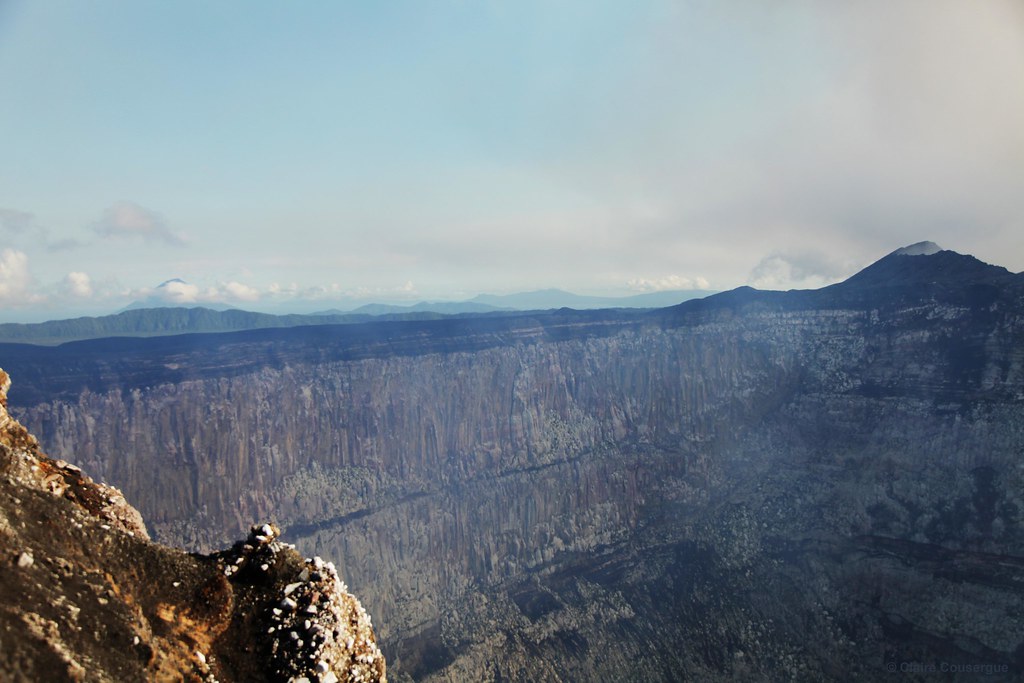
Approaching Tofua Volcano, the dramatic silhouette of its steep-sided cone rises sharply from the ocean, crowned by a vast caldera lake shimmering in vibrant blues and greens. The trek immerses you in a raw volcanic landscape where lush tropical rainforest meets barren volcanic soil. Each step on the trail reveals the island’s geological power, from the rugged lava flows to the steam rising faintly from fumaroles. Reaching the crater rim offers a breathtaking panorama of the caldera lake’s depths and the surrounding South Pacific seascape, a visceral reminder of Earth’s restless energy. This is not just a hike but a journey into the heart of an active volcano, where nature’s forces are palpable and awe-inspiring.
The Volcano Itself: Geological Background
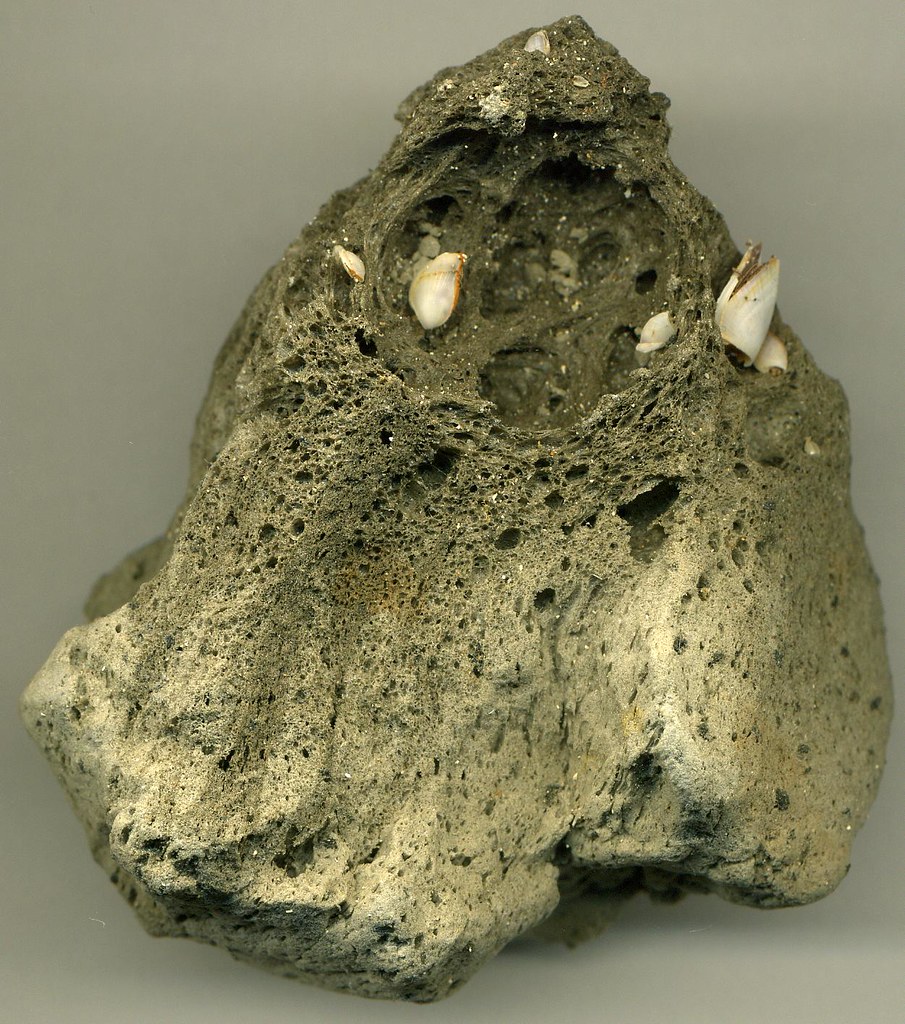
Tofua is a stratovolcano located in the Haʻapai island group of Tonga, part of the highly active Kermadec-Tonga volcanic arc formed by the subduction of the Pacific Plate beneath the Indo-Australian Plate. The island is roughly oval, about 10 by 8 kilometers, dominated by a large caldera approximately 5 kilometers in diameter. This caldera formed around 1,000 years ago during a major eruption that deposited volcanic material on islands over 40 kilometers away. Inside the caldera lies a deep freshwater lake, about 500 meters deep, surrounded by steep crater walls rising to 515 meters above the lake surface. The volcano’s eruptive products include basaltic andesites, andesites, and occasional dacite flows. Post-caldera activity is concentrated in three cones within the caldera, notably the Lofia cone, which hosts an active lava lake observed as recently as 2025. Fumarolic activity and sulfur deposits are present, highlighting ongoing volcanic processes. The island’s geology is a vivid record of explosive eruptions, lava flows, and caldera collapse, making it a fascinating destination for geology enthusiasts.
The Volcano Trek: Terrain and Hiking Experience
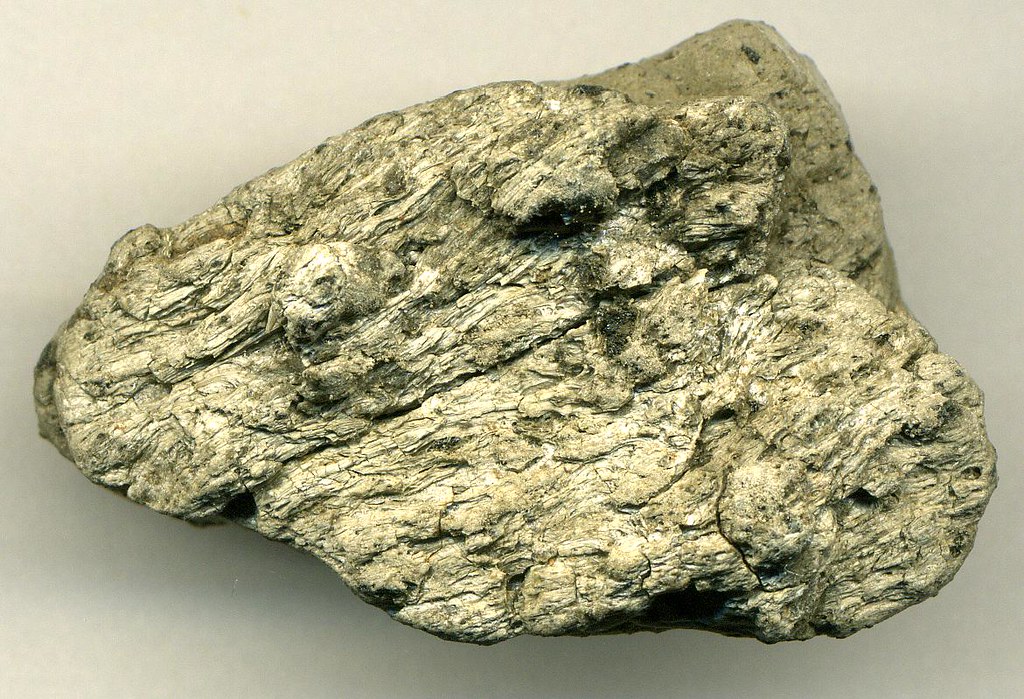
The trek to Tofua Volcano’s crater rim is a demanding adventure that challenges hikers with a variety of terrain and environmental conditions. The trail begins at sea level near the rocky shoreline, where volcanic rock and pebbles dominate the coast. From there, the path ascends steeply through dense tropical rainforest, characterized by thick vegetation including palms, fruit trees, and bushes. The forest floor is often soft volcanic soil mixed with leaf litter, which can be slippery after rain. As you gain elevation, the vegetation thins, revealing patches of volcanic ash and hardened lava flows. The trail becomes rockier and more uneven, requiring careful footing over loose pumice and jagged lava rock. Scrambling over volcanic boulders is common, demanding good balance and sturdy hiking boots. The steep slopes can be physically taxing, with an altitude gain of approximately 500 meters over a relatively short distance, making the climb strenuous. Wind conditions near the summit can be strong and cooling, contrasting with the humid warmth of the forest below. Temperature shifts are noticeable, and hikers should be prepared for sudden weather changes. The final approach to the crater rim offers exposed ridges with panoramic views but requires caution due to loose scree and unstable edges. Overall, the trek combines lush tropical hiking with rugged volcanic terrain, offering a unique and rewarding challenge for experienced hikers seeking an immersive volcanic experience.
What Makes This Volcano Trek Unique
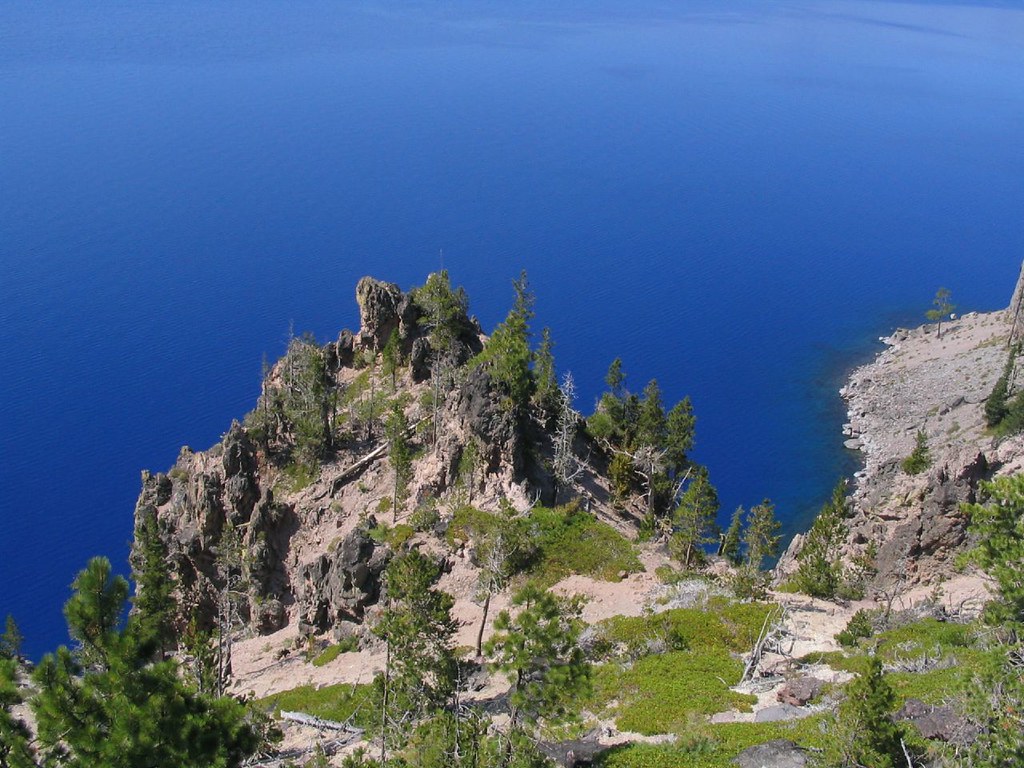
Tofua Volcano’s trek stands out for its dramatic caldera lake, one of the largest and deepest volcanic crater lakes in the South Pacific. The lake’s striking blue and green hues contrast vividly with the dark volcanic rock and lush rainforest surrounding it. Unlike many volcano hikes, Tofua offers the rare opportunity to witness an active lava lake within the Lofia cone, providing a direct glimpse into ongoing volcanic activity. The island’s isolation and status as a national park ensure a pristine environment largely untouched by mass tourism. The combination of tropical rainforest, volcanic terrain, and ocean views creates a diverse and visually stunning landscape. Additionally, the historical significance of Tofua, linked to Captain Cook’s observations and the Mutiny on the Bounty saga, adds a layer of cultural intrigue to the adventure. This trek is a blend of natural wonder, geological fascination, and remote island adventure, making it a truly unique volcano hiking experience.
The Summit and Crater Experience
Reaching the summit of Tofua Volcano is a moment of profound awe. The crater rim opens to reveal the vast caldera lake below, its waters shimmering with deep blues and vibrant greens, framed by steep crater walls. The air carries a faint sulfurous scent from fumaroles and steam vents, a subtle reminder of the volcano’s active nature. The ground near the crater edge is warm in places, with heat escaping from fumarolic activity. Sounds of escaping gases occasionally punctuate the stillness, adding to the sensory experience. From this vantage point, panoramic views stretch across the South Pacific Ocean and neighboring islands, with the nearby island of Kao visible on the horizon. The combination of natural beauty and geological power creates a humbling and exhilarating atmosphere, rewarding the effort of the demanding ascent.
Best Time to Trek This Volcano
The optimal time to trek Tofua Volcano is during Tonga’s dry season, from May to October, when rainfall is minimal and trail conditions are more stable. During these months, temperatures range from 22°C to 30°C, providing comfortable hiking weather. The dry season also reduces the risk of slippery volcanic soil and muddy trails. Avoid the cyclone season from November to April, as heavy rains and strong winds can make the trek hazardous and increase volcanic gas emissions. Volcanic activity is continuously monitored by Tonga Geological Services, and hikers should check for any alerts or restrictions before planning their trip. Early morning climbs are recommended to avoid midday heat and to experience clearer views. Seasonal volcanic gas buildup is generally low but can fluctuate; hikers should heed official warnings and carry appropriate safety gear if advised.
Trekking Routes and Trail Options
The primary route to Tofua Volcano’s crater rim begins at the island’s rocky shoreline, accessible by boat from nearby islands such as Lifuka in Haʻapai. The trail is a single, steep ascent through tropical rainforest and volcanic terrain, typically taking between 1 to 1.5 hours to reach the summit. This route is the most established and commonly used by hikers and guided tours. There are no alternative marked trails on the island due to its rugged and protected nature. Trekkers can tailor their experience by choosing a quick day hike or an extended multi-day adventure that includes camping on the island. Guided tours often combine the volcano hike with snorkeling, fishing, and island camping, providing a comprehensive wilderness experience. Self-guided hikers should arrange reliable boat transfers and carry sufficient supplies, as there are no facilities on the island. The trail’s demanding nature and lack of infrastructure mean that all hikers should be well-prepared and experienced in remote trekking conditions.
Difficulty Assessment
Tofua Volcano’s trek is classified as a demanding volcano ascent. The steep elevation gain of approximately 500 meters over a short distance requires good cardiovascular fitness and leg strength. The terrain includes uneven volcanic rock, loose pumice, and slippery volcanic soil, demanding sure-footedness and sturdy hiking boots. There is no technical climbing involved, but the trail’s ruggedness and exposure near the crater rim require caution. Altitude is moderate, so altitude sickness is not a concern, but the tropical climate can add to physical strain. The hike is unsuitable for beginners or those with limited hiking experience. Preparation, proper gear, and awareness of volcanic hazards are essential for a safe and successful ascent.
Essential Volcano Trekking Gear
Hikers tackling Tofua Volcano should equip themselves with sturdy hiking boots featuring excellent grip to navigate rocky and loose volcanic terrain. Trekking poles are recommended to aid balance and reduce strain on steep slopes. Lightweight, breathable clothing suitable for tropical climates is essential, along with a windproof jacket for cooler summit conditions. A headlamp is useful for early morning or late afternoon climbs. Given the presence of volcanic gases, carrying a gas mask or respirator is advisable, especially if fumarolic activity increases. Sun protection, including a wide-brimmed hat, sunglasses, and high-SPF sunscreen, is critical due to limited shade. Hydration systems or water bottles with sufficient capacity are necessary, as there are no water sources on the trail. A first aid kit, insect repellent, and emergency communication device complete the essential gear list for this remote and demanding trek.
Safety and Volcanic Hazards
Tofua Volcano is an active volcanic system with ongoing magmatic activity, including an active lava lake in the Lofia cone. Hikers must be vigilant about volcanic hazards such as sudden gas emissions, unstable crater edges, and loose volcanic rock that can cause falls. Volcanic gases like sulfur dioxide can pose respiratory risks; carrying a gas mask and monitoring local volcanic activity reports is essential. The Tonga Geological Services issues regular updates and hazard maps, including restricted zones around the volcano. Weather conditions can change rapidly, with strong winds and rain increasing risks on steep slopes. There is no permanent infrastructure or rescue services on Tofua, so hikers should be experienced, well-prepared, and preferably travel with a guide. Mariners are advised to keep a safe distance of at least 1.08 nautical miles from the island due to volcanic hazards. Adhering to official warnings and respecting park regulations ensures a safer trekking experience.
Permits, Guides, and Logistics
Trekking Tofua Volcano requires obtaining permits as the island is designated a national park and access is regulated to protect its fragile environment and ensure visitor safety. Permits can be arranged through Tonga’s national park authorities or via local tour operators specializing in volcanic adventures. Notable operators offering guided tours include Tonga Tour Guide and Diana Beach Resort Volcano Tours. These operators provide comprehensive packages that include boat transfers from Tongatapu or Haʻapai, camping equipment, meals, and expert guiding services. The boat journey to Tofua typically lasts around four hours and requires good swimming ability, as some transfers involve swimming to shore. Costs for guided tours range from approximately $560 USD per person for multi-day expeditions to private group packages costing several thousand Tongan Paʻanga. Independent trekkers must coordinate their own transport and carry all necessary supplies, as there are no accommodations or facilities on the island. Travel insurance with coverage for remote and adventure activities is strongly recommended. Due to the volcano’s active status, visitors should monitor volcanic activity updates from Tonga Geological Services and adhere strictly to safety advisories and restricted zones. Seasonal weather and volcanic conditions may affect accessibility, so flexible planning is advised.
Where to Stay Near the Volcano
Accommodation options near Tofua Volcano are limited due to the island’s uninhabited status and protected national park designation. Most visitors base themselves on nearby islands in the Haʻapai group, such as Lifuka Island, which serves as the primary gateway for boat transfers to Tofua. Lifuka offers a range of accommodations including guesthouses, small lodges, and eco-resorts. Notable options include Matafonua Lodge and Diana Beach Resort, both known for their warm hospitality and proximity to boat departure points. These lodges provide essential amenities such as comfortable rooms, meals, and tour booking services. For travelers seeking an immersive experience, some tour operators offer camping on Tofua itself, allowing overnight stays under the stars near the volcano. On Tongatapu, the main island of Tonga, accommodations range from budget guesthouses to mid-range hotels in Nukuʻalofa, the capital city, which is approximately a day’s travel from Haʻapai by boat and plane. Visitors should plan logistics carefully, as transport between islands can be infrequent and weather-dependent. Staying on Lifuka or Tongatapu provides the best access to services, supplies, and transport connections for the Tofua trek.