
Niuafo’ou Volcano Trekking Guide: Exploring Tonga’s Remote Active Shield Volcano
Discover the demanding trek across Niuafo’ou, Tonga’s northernmost active shield volcano. Explore its rugged lava fields, steep caldera rim, and the unique crater lake Vai Lahi. This comprehensive guide covers geological insights, trekking routes, safety tips, and local cultural experiences on this remote volcanic island.
Quick Volcano Snapshot
| Attribute | Value |
|---|---|
| Volcano type | Shield volcano |
| Elevation | 250 meters (820 feet) |
| Location | Niuafo'ou Island, Tonga, South Pacific |
| Activity status | Active |
| Trekking difficulty | Demanding |
| Typical trek duration | 4-6 hours |
| Altitude gain | Approximately 250 meters |
| Terrain type | Lava fields, rocky caldera rim, crater lake shores |
| Best season | May to November (dry season) |
| Temperature range | 24°C to 29°C (75°F to 84°F) |
| Permit requirement | No formal permits required, but local guidance recommended |
Introduction: The Experience of Hiking Niuafo’ou Volcano
Approaching Niuafo’ou volcano, the remote island’s rugged silhouette rises sharply from the vast Pacific Ocean. The trek immerses hikers in a landscape shaped by raw volcanic power — vast lava fields, steep caldera walls, and the shimmering crater lake Vai Lahi at the heart. The contrast between the black volcanic rock and the lush forested slopes creates a dramatic visual spectacle. As you ascend the demanding slopes, the sense of isolation deepens, with only the ocean and sky surrounding you. Reaching the crater rim offers a profound moment of connection to the Earth’s fiery forces, with panoramic views over the caldera and the island’s scattered villages. This trek is a journey into a living volcano’s heart, blending adventure, geology, and cultural immersion.
The Volcano Itself: Geological Background
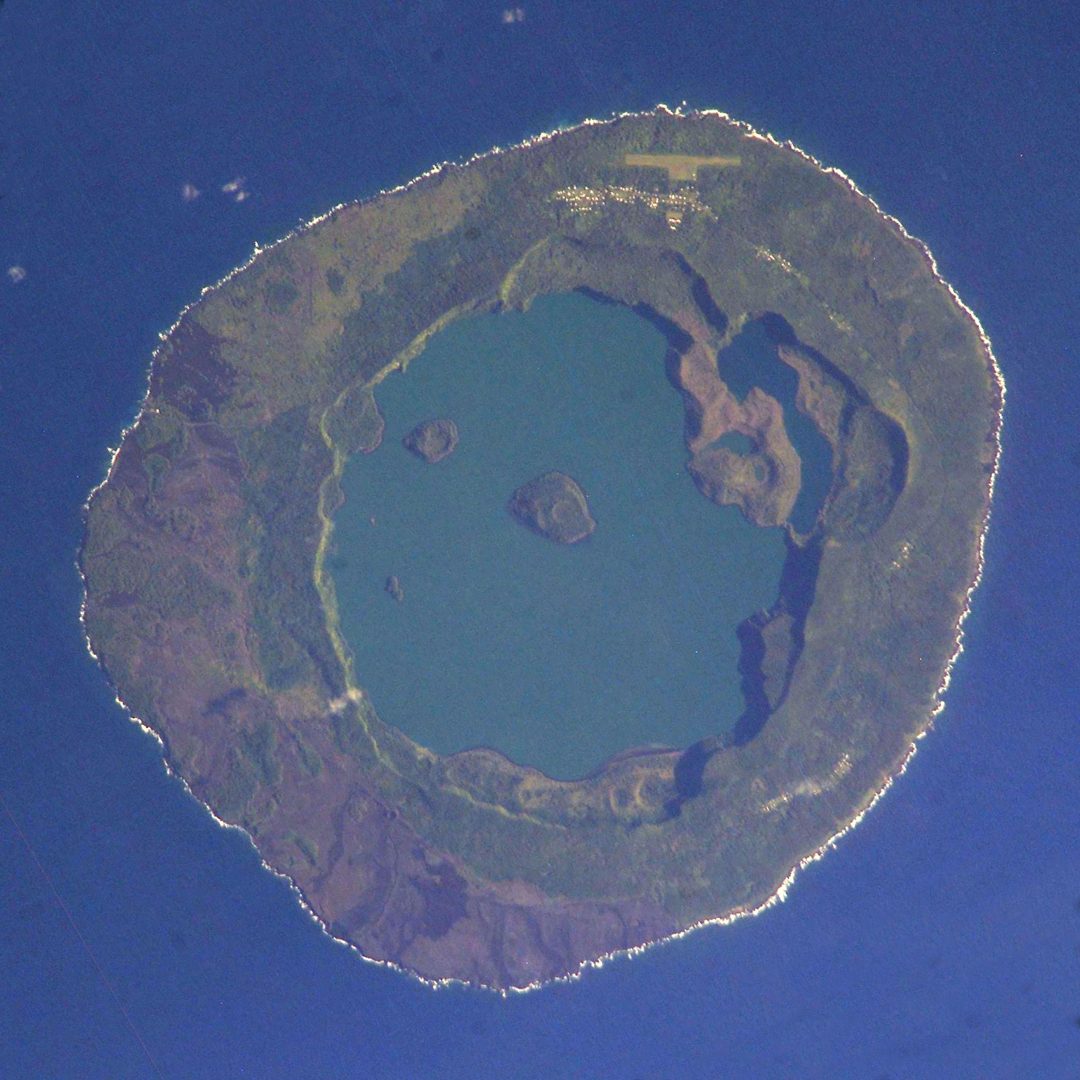
Niuafo’ou is a shield volcano located on an underwater ridge west of the main Tonga volcanic line. Its broad, gently sloping profile is typical of shield volcanoes formed by fluid basaltic lava flows. The island itself is the rim of a steep-sided caldera rising about 120 meters above sea level, with its highest point at Mokotu reaching 250 meters. The caldera encloses two crater lakes, the larger Vai Lahi and the smaller Vai Si’i, which are soda lakes formed by volcanic gases dissolving in the water. Niuafo’ou has been active since at least 1814, with frequent eruptions that have shaped its landscape, including lava flows that have destroyed villages and altered the coastline. The volcanic activity is characterized by lava fountains, multiple vents, and the formation of new land within the crater lakes. The island’s geology also features fumaroles and sulfur deposits, contributing to its dynamic volcanic environment.
The Volcano Trek: Terrain and Hiking Experience
Trekking Niuafo’ou volcano is a challenging adventure that demands physical fitness and careful preparation. The terrain is dominated by rugged lava fields and steep slopes formed by successive volcanic eruptions. Hikers begin at the island’s villages, typically from Futu or Angahā, and ascend through a landscape of jagged basaltic rock and black sand beaches. The initial approach involves navigating uneven, rocky ground with loose volcanic debris that can be slippery and unstable underfoot. As the trail climbs toward the caldera rim, the slope steepens significantly, requiring careful footing on ash and pumice deposits. The volcanic soil is often loose, making the ascent physically demanding, especially under tropical heat and humidity. Wind conditions near the summit can be strong and chilling, contrasting with the warmer lower elevations. The crater rim itself is exposed, offering little shelter from sun or wind, and hikers must be prepared for rapid temperature changes. Descending involves careful scrambling over sharp lava rocks and sliding on loose scree, which can be taxing on knees and ankles. The trail around the crater lake offers spectacular views but requires caution due to unstable edges and occasional fumarolic activity. Overall, the hike combines steep climbs, technical footing, and exposure to the elements, making it suitable for experienced trekkers seeking a demanding volcanic adventure.

What Makes This Volcano Trek Unique
Niuafo’ou stands out for its remote location and the dramatic caldera lake Vai Lahi, one of the largest crater lakes in the South Pacific. Unlike many volcanoes, the caldera rim forms a continuous ring around the lake, creating a rare volcanic island landscape. The island’s isolation means the trek offers an authentic experience with minimal tourism infrastructure, allowing visitors to connect deeply with the natural environment and local culture. The presence of rare wildlife, such as the endangered Tongan megapode bird that uses volcanic soils for nesting, adds ecological significance. The volcanic terrain features extensive lava fields, black sand beaches, and fumarolic areas, providing a diverse geological playground. The cultural experience of visiting traditional Tongan villages and sharing in local customs enhances the uniqueness of the trek. The combination of active volcanic features, a pristine crater lake, and cultural immersion makes Niuafo’ou a singular destination for adventurous volcano hikers.
The Summit and Crater Experience
Reaching the summit of Niuafo’ou volcano rewards trekkers with breathtaking views across the caldera and the surrounding Pacific Ocean. The crater rim, rising 120 meters above the lake, offers a commanding vantage point to observe the vast crater lake Vai Lahi, dotted with small islands and surrounded by forested slopes. The air is often tinged with the faint sulfurous scent of fumaroles, and the ground may feel warm in places where volcanic gases escape. The soundscape includes the gentle lapping of water against the lake’s shores and the occasional hiss of escaping steam. The panoramic vista encompasses the island’s villages, rugged coastline, and the endless ocean horizon, evoking a profound sense of the Earth’s dynamic forces. The summit experience is both humbling and exhilarating, connecting hikers to the volcanic processes that continue to shape this remote island.
Best Time to Trek Niuafo’ou Volcano
The optimal time to trek Niuafo’ou is during Tonga’s dry season, from May to November, when rainfall is minimal and trail conditions are more stable. The dry season offers clearer skies, cooler temperatures, and reduced risk of tropical storms or cyclones that can occur during the wet season from December to April. Early morning starts are recommended to avoid the midday heat and to experience calmer wind conditions near the summit. Trekking outside the wet season also reduces the likelihood of slippery volcanic ash and muddy trails. Visitors should monitor local weather forecasts and volcanic activity reports, as sudden changes in volcanic gas emissions or seismic activity can affect safety. Planning the trek during the dry months ensures a safer and more enjoyable hiking experience.
Trekking Routes and Trail Options on Niuafo’ou
Niuafo’ou offers a primary trekking route that ascends from the western village of Futu, the island’s main landing point, to the caldera rim overlooking the crater lake Vai Lahi. This route typically takes 4 to 6 hours round trip, depending on fitness and weather conditions. The trail begins with a gradual climb through coastal lava fields and black sand beaches before steepening as it approaches the caldera rim. There are no formal marked trails, so local guidance is highly recommended to navigate the rugged terrain safely. Alternative routes include paths from northern villages such as Angahā, which provide different perspectives of the volcano and access to cultural sites. These routes are less frequented and require careful planning and local knowledge. Guided treks are available through local operators who can arrange transportation, accommodation, and cultural experiences. Self-guided trekking is possible but challenging due to the island’s remoteness and lack of infrastructure. Overall, the trekking options emphasize a combination of volcanic exploration and cultural immersion.
Difficulty Assessment of Niuafo’ou Volcano Trek
Niuafo’ou volcano trek is classified as a demanding volcano ascent. The terrain includes steep slopes, loose volcanic ash, sharp lava rocks, and exposed ridges that require sure-footedness and good physical conditioning. The altitude is moderate at 250 meters, but the tropical climate and rugged terrain increase the challenge. There are no technical climbing sections, but the uneven ground and potential for strong winds near the summit demand experience with difficult hiking conditions. Fitness levels should be high, with endurance for sustained uphill walking and agility for scrambling over rocky surfaces. The lack of established trails and limited rescue infrastructure add to the difficulty, making local guides advisable for safety and navigation. This trek is best suited for experienced hikers comfortable with remote and volcanic environments.
Essential Volcano Trekking Gear for Niuafo’ou
Key gear for trekking Niuafo’ou includes sturdy hiking boots with excellent grip to handle sharp lava rocks and loose ash. Trekking poles are recommended to aid balance on uneven terrain and reduce strain on knees during descent. Lightweight, breathable clothing with sun protection is essential due to limited shade and strong tropical sun. A windproof jacket is advisable for summit conditions where winds can be brisk. Carry sufficient water and hydration systems, as there are no reliable water sources on the trail. A headlamp is useful for early starts or late finishes. A hat, sunglasses, and high-SPF sunscreen protect against intense UV exposure. A basic first aid kit, including blister treatment, is important. Due to occasional volcanic gases, a lightweight respirator or gas mask may be considered, especially near fumaroles. Navigation tools such as GPS or maps, and a fully charged mobile phone or satellite communicator, enhance safety in this remote environment.
Safety and Volcanic Hazards on Niuafo’ou
Niuafo’ou is an active volcano with a history of eruptions and seismic activity, making safety a paramount concern. Volcanic gases such as sulfur dioxide can accumulate near fumaroles and crater edges, posing respiratory risks. Hikers should avoid areas with strong gas emissions and be alert to changes in air quality. The caldera rim features unstable edges and loose scree, increasing the risk of falls. Falling rocks and sudden landslides can occur, especially after heavy rains or seismic tremors. The terrain’s sharp lava rocks can cause injuries if proper footwear is not worn. Weather can change rapidly, with strong winds and sudden rainstorms affecting trail conditions and visibility. Monitoring volcanic activity reports from the Tonga Geological Services or international agencies is essential before and during the trek. Local guides provide critical knowledge of current hazards and safe routes. Emergency response options are limited due to the island’s remoteness, so self-sufficiency and caution are vital.
Permits, Guides, and Logistics for Trekking Niuafo’ou
Niuafo’ou is a remote island with limited tourism infrastructure, and no formal permit system is currently required for trekking the volcano. However, visitors are strongly advised to coordinate with local authorities and community leaders to respect cultural protocols and ensure safety. Access to the island is primarily by boat, with infrequent services from Tonga’s main islands, making travel planning essential. Local tour operators such as Tonga Tour Guide and Tonga Pocket Guide can arrange guided treks, transportation, and cultural experiences. These operators provide invaluable knowledge of the terrain, assist with navigation, and enhance safety by monitoring volcanic activity. Costs for guided tours vary but typically include boat transfers, accommodation arrangements, and guiding fees. Visitors should bring sufficient supplies, as shops and services on Niuafo’ou are limited. Communication is sparse, so informing contacts of travel plans is recommended. The island’s small population warmly welcomes respectful visitors, and engaging local guides supports the community. Overall, trekking Niuafo’ou requires careful logistical preparation, reliance on local expertise, and a spirit of adventure.
Where to Stay and Nearby Bases for Niuafo’ou Volcano Trek
Accommodation options on Niuafo’ou are very limited due to its remote location and small population. Visitors typically stay in local village guesthouses or homestays in villages such as Futu, Angahā, or Muʻa. These simple accommodations offer basic amenities and an authentic cultural experience, often including home-cooked meals and opportunities to engage with local families. There are no formal hotels or resorts on the island. Visitors should prepare for rustic conditions, including limited electricity and no Wi-Fi. For those seeking more comfort, the nearest accommodations are located on Tonga’s main islands, such as Tongatapu or Vava’u, requiring additional travel by boat to reach Niuafo’ou. The island’s only landing place is at the lava flow in Futu, which serves as the primary base for starting the volcano trek. Staying in local villages provides proximity to trailheads and the chance to learn about Tongan culture firsthand. Due to the scarcity of facilities, advance arrangements through local contacts or tour operators are essential to secure lodging and support during the trek.