
Trekking Late Volcano: Exploring Tonga’s Dormant South Pacific Shield Volcano
Discover the unique experience of trekking Late Volcano, a dormant shield volcano in Tonga’s South Pacific. This moderate trek offers adventurers a rare chance to explore a volcanic coral atoll landscape, combining geological intrigue with island beauty. Learn about the volcano’s geology, trekking routes, safety considerations, and where to stay nearby for an unforgettable volcanic adventure.
Quick Volcano Snapshot
| Attribute | Value |
|---|---|
| Volcano type | Shield volcano |
| Elevation | Unknown (typical shield volcano elevation, low to moderate) |
| Location | Late Island, Tonga, South Pacific |
| Activity status | Dormant |
| Trekking difficulty | Moderate |
| Typical trek duration | 1-2 days |
| Altitude gain | Moderate (exact figures not documented) |
| Terrain type | Volcanic coral atoll, lava fields, tropical island terrain |
| Best season | May to October (dry season) |
| Temperature range | 24°C to 30°C (75°F to 86°F) |
| Permit requirement | No formal permits required, but guided tours recommended |
Introduction: The Experience of Hiking Late Volcano
Trekking Late Volcano immerses you in a rare volcanic landscape where the power of Earth’s forces meets the tranquil beauty of a South Pacific coral atoll. Approaching the volcano, you witness the contrast between lush tropical vegetation and the stark volcanic formations beneath your feet. The journey up the dormant shield volcano reveals sweeping views of the surrounding ocean and island chains, evoking a profound sense of geological wonder. Reaching the crater rim, hikers are rewarded with a serene panorama that blends volcanic heritage with island serenity, a unique experience far from the usual crowded trails.
The Volcano Itself: Geological Background
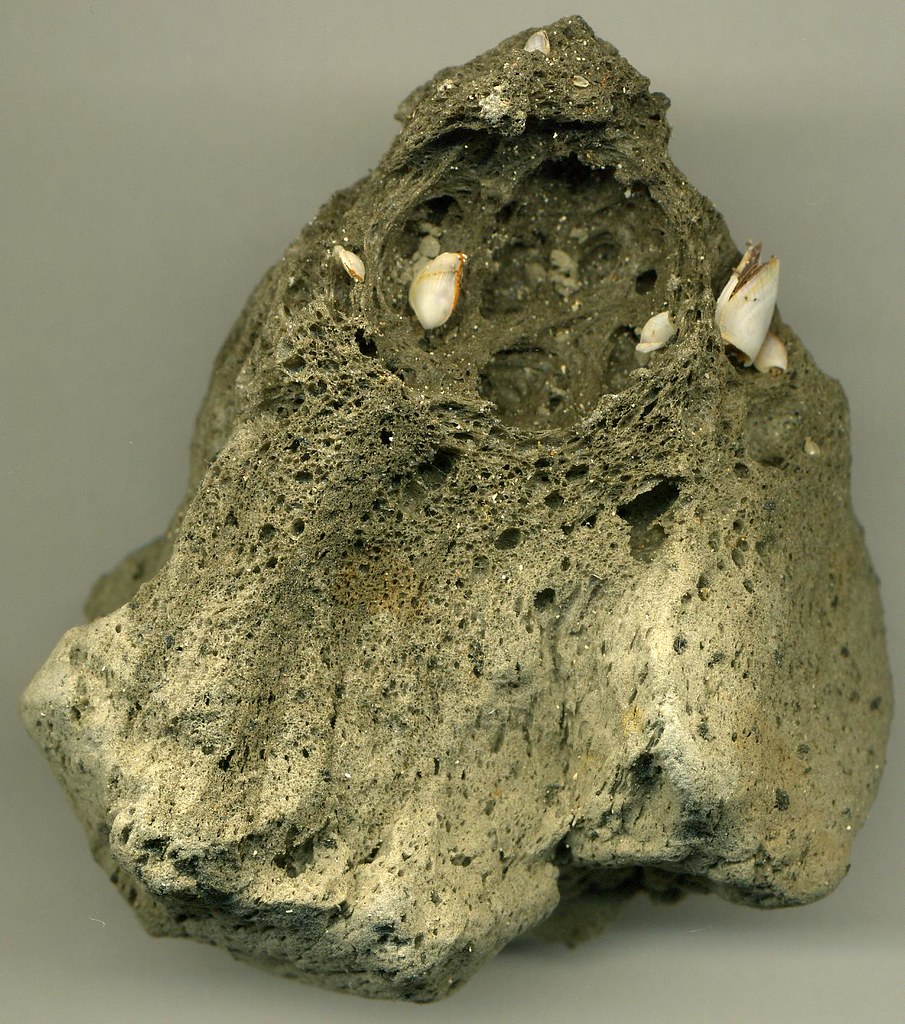
Late Volcano is a classic example of a shield volcano formed by the gradual accumulation of low-viscosity lava flows that spread widely, creating broad, gently sloping landforms. Unlike stratovolcanoes, shield volcanoes like Late erupt less explosively, building up layers of basaltic lava over millennia. This volcanic activity has contributed to the formation of the coral atoll that characterizes Late Island, blending volcanic rock with coral reef structures. The volcano is currently dormant, with no recent eruptions recorded, but its geological features include ancient lava flows, volcanic soils rich in minerals, and a crater that hints at its fiery past. The island’s volcanic origin is a fascinating study of how oceanic volcanic activity and coral growth intertwine to create unique island ecosystems.
The Volcano Trek: Terrain and Hiking Experience
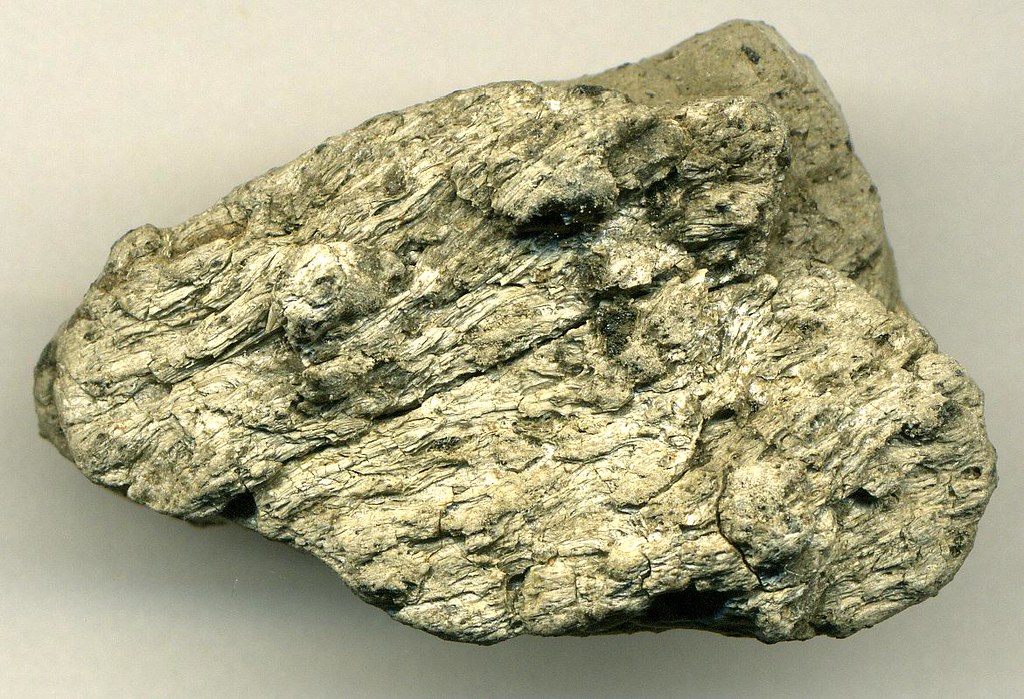
The trek across Late Volcano offers a diverse terrain that challenges and delights hikers with its volcanic and tropical island features. The trail begins at sea level, winding through coastal vegetation and coral beaches before ascending gentle slopes formed by ancient lava flows. The terrain is predominantly composed of hardened basaltic rock interspersed with patches of volcanic soil that support tropical flora. Hikers will encounter uneven surfaces with loose volcanic gravel and occasional rocky outcrops requiring careful footing. The volcanic slopes are generally moderate in gradient, typical of shield volcanoes, but the tropical climate adds humidity and heat, which can increase the physical demand of the trek. As you ascend, the landscape opens to panoramic views of the surrounding coral reefs and ocean, with the trail occasionally skirting the edges of the volcanic crater. The volcanic soil supports unique plant life adapted to this environment, adding botanical interest to the hike. Weather conditions can vary, with trade winds providing cooling breezes, but sudden tropical showers are possible, making waterproof gear advisable. The trail is not heavily trafficked, offering a sense of solitude and connection with the natural environment. Overall, the hiking experience balances moderate physical challenge with rich geological and ecological diversity, making it accessible to hikers with a reasonable level of fitness and a spirit of adventure.
What Makes This Volcano Trek Unique
Late Volcano’s trek stands out due to its rare combination of volcanic and coral atoll landscapes. Unlike many volcano hikes that focus solely on rugged volcanic terrain, Late offers the unique spectacle of a shield volcano rising from a coral island, blending geological and marine ecosystems. The dormant status of the volcano allows for safe exploration of its crater and slopes, while the surrounding coral reefs provide opportunities for snorkeling and marine observation. The cultural backdrop of Tonga, with its rich Polynesian heritage, adds depth to the experience, as visitors can engage with local communities and traditions. The remoteness and low visitor numbers ensure a pristine environment, offering solitude and an authentic connection to nature. This trek is a journey into a geological and ecological crossroads rarely found elsewhere.
The Summit and Crater Experience
Reaching the summit of Late Volcano, hikers are greeted by a broad, shallow crater rim that opens to expansive views of the South Pacific Ocean and the surrounding coral atoll. The crater itself is a silent testament to the volcano’s dormant state, with no active fumaroles or steam vents, but the volcanic rock and soil tell the story of past eruptions. The air carries a faint mineral scent, and the gentle ocean breeze contrasts with the rugged volcanic landscape. From the summit, the interplay of volcanic landforms and vibrant coral reefs below creates a breathtaking panorama. The experience is both humbling and exhilarating, offering a rare vantage point to appreciate the geological forces that shaped this island paradise.
Best Time to Trek Late Volcano
The optimal trekking season for Late Volcano is during Tonga’s dry season, from May to October, when rainfall is minimal and temperatures are comfortably warm. This period offers stable weather conditions, reducing the risk of slippery trails and tropical storms. Trekking outside this window is possible but requires preparation for sudden rain showers and higher humidity. Early morning starts are recommended to avoid midday heat and to enjoy cooler temperatures and calmer winds. The dry season also coincides with peak visibility for marine activities around the coral atoll, enhancing the overall adventure experience.
Trekking Routes and Trail Options
Late Volcano offers a primary trekking route that typically spans one to two days, starting from the coastal landing point on Late Island. The trail ascends gradually through coastal vegetation and volcanic terrain to the summit crater. Due to the island’s small size and limited infrastructure, there are no multiple formal trail options, but hikers can explore variations along the crater rim and nearby lava fields under guidance. Most trekkers opt for guided tours arranged through local operators, which include boat transfers from larger islands and camping options near the crater. The route is moderate in difficulty, with manageable elevation gain and terrain challenges. Self-guided trekking is possible but not recommended due to limited signage and the need for local knowledge of the terrain and weather conditions. The trail’s flexibility allows for day hikes or overnight camping experiences, with opportunities to combine trekking with snorkeling and cultural visits to nearby villages.
Difficulty Assessment
Late Volcano’s trek is classified as a moderate volcano trek. The terrain is generally gentle, characteristic of shield volcanoes, with steady but not steep ascents. Hikers should be prepared for uneven volcanic rock surfaces and occasional loose gravel, which require good balance and sturdy footwear. The tropical climate adds a layer of physical challenge due to heat and humidity, necessitating adequate hydration and sun protection. No technical climbing skills or equipment are required, making the trek accessible to hikers with moderate fitness levels. Altitude is not a significant factor, as the volcano’s elevation is relatively low compared to high mountain volcanoes. Overall, the trek offers a rewarding challenge suitable for adventurous travelers seeking a unique volcanic island experience without extreme physical demands.
Essential Volcano Trekking Gear
For trekking Late Volcano, essential gear includes sturdy hiking boots with good grip to navigate volcanic rock and loose gravel. Lightweight, breathable clothing suitable for tropical climates is recommended, along with a wide-brimmed hat and sunglasses for sun protection. A waterproof jacket or poncho is advisable due to potential sudden rain showers. Trekking poles can aid stability on uneven terrain. Carry sufficient water and a hydration system to stay hydrated in warm conditions. A headlamp is useful for early starts or overnight camping. Additionally, insect repellent and sunscreen are important for comfort and protection. While volcanic gases are minimal due to the volcano’s dormant status, a basic first aid kit is recommended. For snorkeling or marine activities around the coral atoll, bring appropriate swimwear and gear.
Safety and Volcanic Hazards
Late Volcano is currently dormant, significantly reducing the risk of volcanic eruptions or hazardous gas emissions. However, trekkers should remain cautious of uneven terrain, loose volcanic rocks, and potential slips or falls on gravelly slopes. Weather conditions can change rapidly in the tropics, with sudden rainstorms making trails slippery. It is advisable to trek with a local guide familiar with the terrain and weather patterns. There are no active fumaroles or steam vents, but hikers should respect any restricted areas and follow local safety guidelines. Emergency services and rescue infrastructure are limited due to the island’s remoteness, so preparation and communication plans are essential. Monitoring by local authorities and tour operators ensures that visitors are informed of any changes in volcanic activity or weather warnings.
Permits, Guides, and Logistics
Visiting Late Volcano does not require formal permits, making access relatively straightforward for adventurous travelers. However, due to the island’s remote location and limited infrastructure, most visitors arrange their trek through local tour operators who provide boat transfers, guiding services, and camping logistics. Notable operators include Diana Beach Resort Volcano Tours, Teta Tours Tonga, and Tonga Travel Troupe, all offering tailored experiences that combine volcanic trekking with cultural and marine activities. These operators handle transport from main islands such as Tongatapu or Ha’apai, ensuring safe passage to Late Island. Guided tours typically include expert local guides who share geological insights and ensure safety on the trail. Costs vary depending on the length of the trek and included services but generally cover boat transfers, meals, camping equipment, and guiding fees. Independent trekking is possible but not recommended without local knowledge due to navigation challenges and lack of facilities. Visitors should plan for basic camping conditions and bring necessary supplies, as there are no permanent accommodations on Late Island. Booking in advance is advised, especially during the dry season, to secure spots with reputable operators. Overall, the logistics require some planning but reward trekkers with a unique and well-supported volcanic adventure.
Where to Stay Near Late Volcano
Accommodation options near Late Volcano are primarily located on the larger islands of Tonga, such as Tongatapu and Ha’apai, which serve as bases for accessing Late Island. In Ha’apai, Pangai town offers several guesthouses and lodges, including Vaikona Lodge, known for its authentic island hospitality and comfortable amenities like private bathrooms and WiFi. For a more upscale experience, Diana Beach Resort on nearby islands provides organized volcano tours and comfortable lodging with meals and guided services included. On Tongatapu, the capital Nuku’alofa features a range of accommodations from budget guesthouses like Fifita’s Homestay to mid-range hotels such as Seaview Lodge & Restaurant, offering ocean views and modern comforts. These locations provide convenient access to boat transfers heading to Late Island. Amenities typically include local cuisine, cultural experiences, and tour booking assistance. Due to the remote nature of Late Island itself, no permanent accommodations exist there; overnight stays during the trek involve camping under the stars with equipment provided by tour operators. Travelers should plan to stay at these nearby bases before and after their volcanic expedition, enjoying the blend of Tongan culture, hospitality, and natural beauty.