Mount Baker Volcano Trekking Guide: Conquering Washington’s Glaciated Stratovolcano
Mount Baker, an active glacier-covered stratovolcano in Washington State, offers demanding glacier climbs and breathtaking alpine terrain. This guide covers its geology, hiking experience, routes, safety, permits, and accommodations for adventurous trekkers.
Quick Volcano Snapshot
| Attribute | Value |
|---|---|
| Volcano type | Stratovolcano |
| Elevation | 10,781 ft (3,286 m) |
| Location | Whatcom County, Washington, United States |
| Activity status | Active |
| Trekking difficulty | Demanding |
| Typical trek duration | 2-3 days for summit climbs |
| Altitude gain | Approximately 4,000 ft (1,220 m) from trailheads |
| Terrain type | Glacier-covered slopes, volcanic rock, snowfields |
| Best season | Late spring to early fall (May to September) |
| Temperature range | 20°F to 60°F (-6°C to 15°C) depending on elevation and season |
| Permit requirement | No mandatory permits for climbing; voluntary registration recommended |
Introduction: The Experience of Hiking Mount Baker
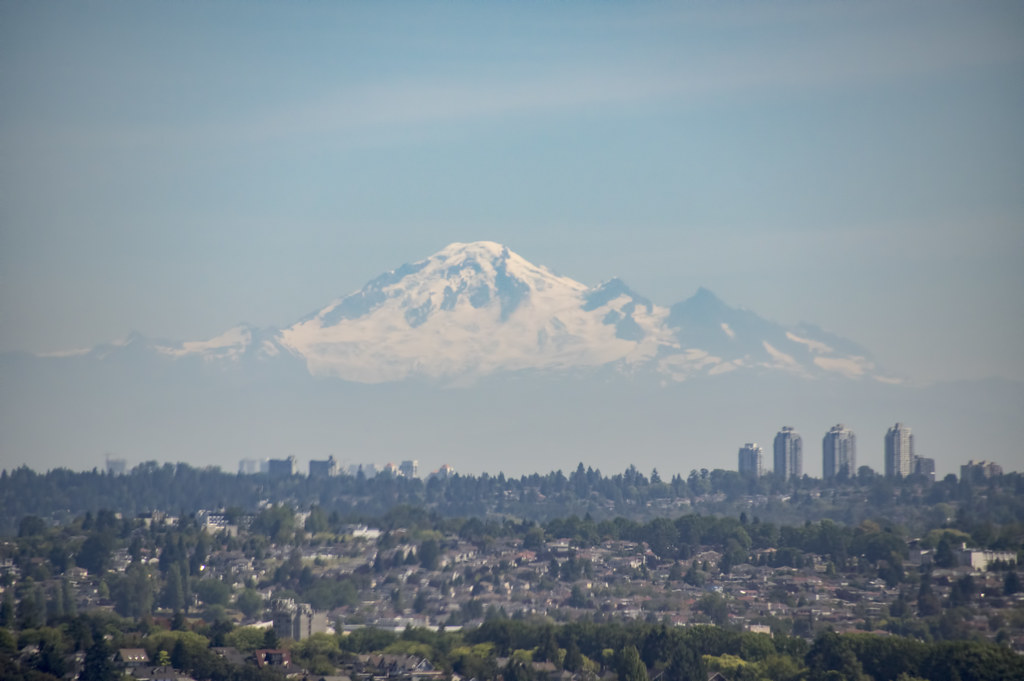
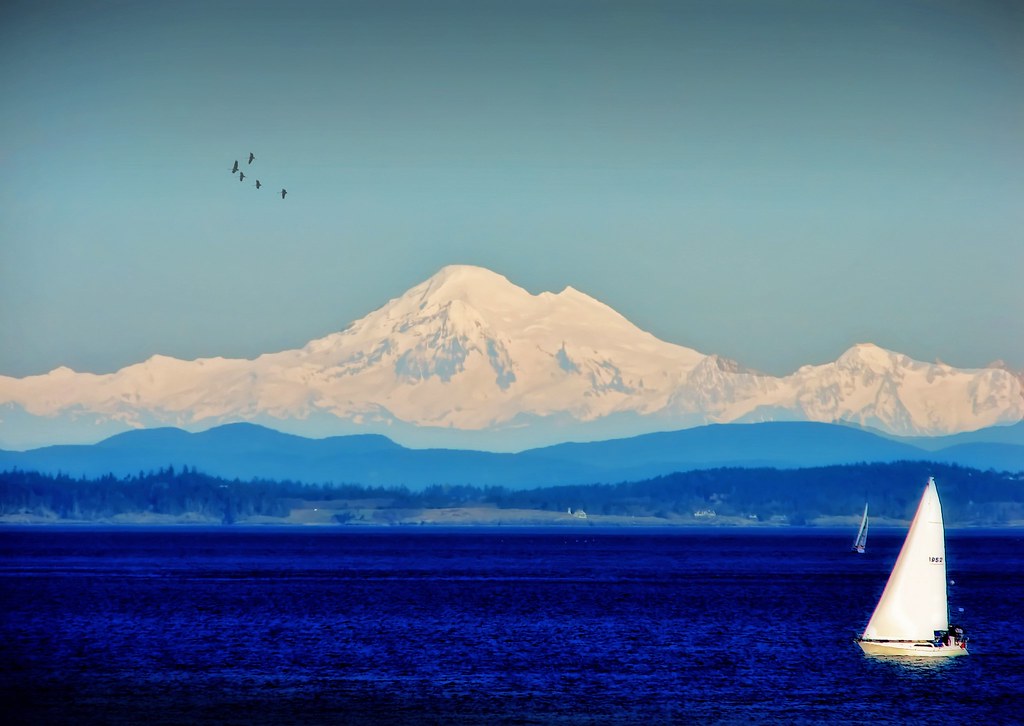
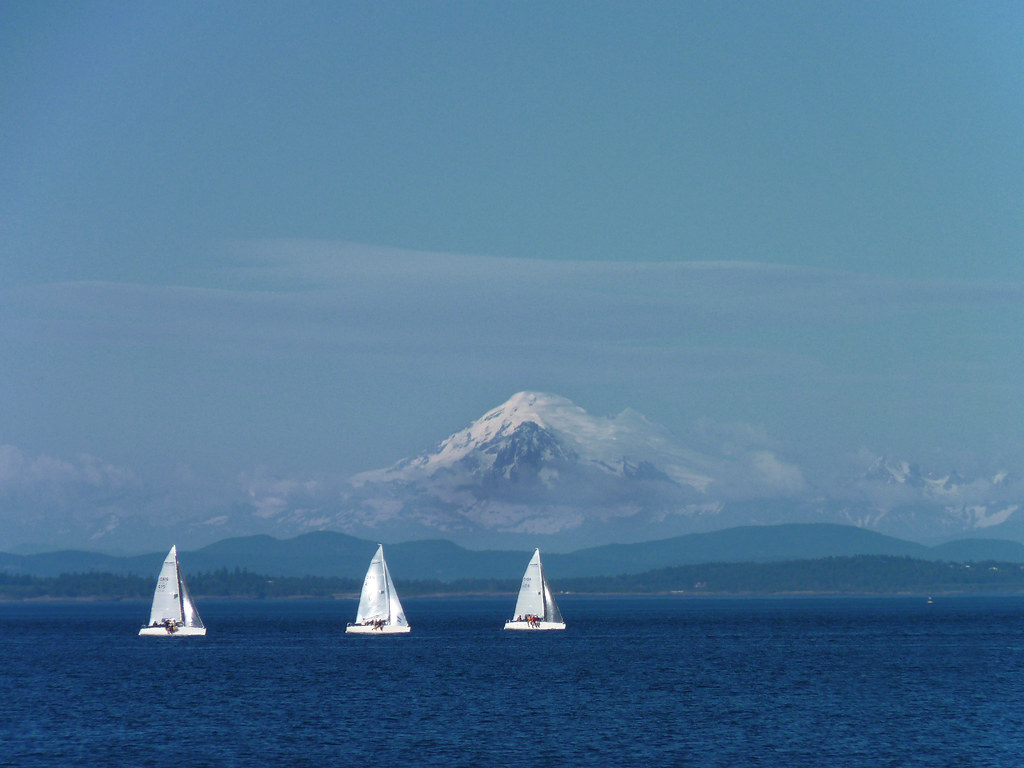
Approaching Mount Baker, the vast glaciated cone dominates the northern Washington skyline with an imposing presence. The interplay of ice and volcanic rock creates a stark, dramatic landscape where ancient glaciers carve deep valleys and crevassed icefields shimmer under the sun. Hiking here is a journey into a living geological monument, where the power of fire and ice is palpable. The ascent challenges climbers with shifting snowfields and rugged volcanic terrain, rewarding them with panoramic views of the North Cascades and the distant Pacific Northwest. Reaching the summit crater, surrounded by steaming fumaroles and ice, evokes a profound sense of standing on a dynamic, breathing mountain shaped by millennia of volcanic activity.
The Volcano Itself: Geological Background
Mount Baker is a young and active andesitic stratovolcano, part of the Cascade Volcanic Arc, formed over the past 140,000 years atop older volcanic structures largely eroded by glaciation. Its towering cone is heavily glaciated, with eleven named glaciers sculpting its flanks and valleys. The summit features a dual crater system: the ice-filled Carmelo Crater beneath the summit ice dome and the younger Sherman Crater to the south, which remains thermally active with frequent steam and gas emissions. These fumaroles deposit sulfur and hydrothermally altered minerals, creating vivid white and yellow clay deposits. The volcano’s eruptions, the last recorded in 1843, have shaped the landscape with lava flows and ash deposits, while its glaciers continue to carve the mountain’s rugged topography. This dynamic interaction of volcanic activity and glaciation makes Mount Baker a fascinating subject for geological study and a compelling destination for trekkers.
The Volcano Trek: Terrain and Hiking Experience
Trekking Mount Baker is a demanding alpine adventure that combines glacier travel, volcanic rock scrambling, and high-altitude endurance. The lower slopes transition from dense coniferous forests and subalpine meadows to open volcanic scree and persistent snowfields. As climbers ascend, the terrain becomes dominated by expansive glaciers such as the Coleman and Easton Glaciers, which require technical skills including crampon use, ice axe proficiency, and rope team travel to navigate crevasses and seracs safely. The volcanic rock beneath the ice is often loose and unstable, demanding careful foot placement and balance. Weather conditions can change rapidly, with strong winds and temperature drops common near the summit. The ascent involves negotiating steep snow slopes, ice barriers, and exposed ridges, where altitude and cold intensify physical challenges. Despite these difficulties, the trek rewards climbers with breathtaking views of glacial valleys, rugged peaks, and the vast Cascade Range. The mountain’s glacial environment demands respect and preparation, as fatigue can accumulate over long hours of climbing, and the terrain requires constant vigilance. Overall, Mount Baker offers a comprehensive high-Cascade experience where technical mountaineering skills meet the raw beauty of an active volcano.
What Makes This Volcano Trek Unique
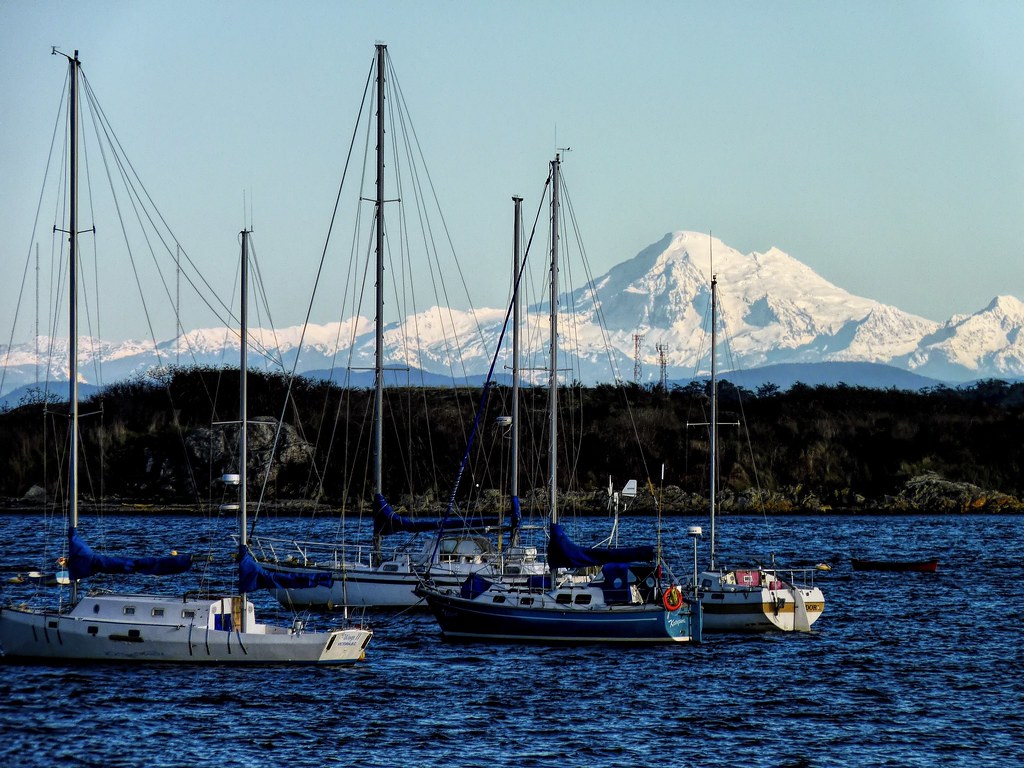
Mount Baker’s uniqueness lies in its combination of active volcanic features and extensive glaciation. It boasts the second-most thermally active crater in the Cascade Range, with continuous fumarolic activity at Sherman Crater creating an otherworldly landscape of steaming vents and sulfur deposits. The mountain’s heavy glacier cover, second only to Mount Rainier in the Cascades, offers climbers a rare opportunity to experience glacier travel on a prominent stratovolcano. The summit’s ice dome conceals a massive volcanic crater, blending fire and ice in a dramatic alpine setting. Additionally, Mount Baker’s accessibility from major urban centers like Seattle and Bellingham makes it a favored training ground for mountaineers seeking to hone glacier skills. The mountain’s diverse ecosystems—from lush forests to alpine tundra—add ecological richness to the volcanic adventure. This blend of geological activity, glacial grandeur, and wilderness accessibility makes Mount Baker a singular destination for volcano trekking enthusiasts.
The Summit and Crater Experience
Reaching Mount Baker’s summit is a profound moment marked by awe-inspiring vistas and sensory intensity. The summit ice dome, known as Grant Peak, rises above a concealed volcanic crater, while just below lies Sherman Crater, a steaming cauldron of volcanic gases and fumaroles. Climbers feel the heat radiating from vents and smell the sharp tang of sulfur in the crisp mountain air. The panoramic views stretch across the North Cascades, revealing jagged peaks, sprawling glaciers, and distant valleys. The summit’s cold, wind-swept environment contrasts with the warmth of the volcanic activity beneath the ice. Sounds of escaping gases whisper through the vents, adding to the surreal atmosphere. Standing here, one senses the mountain’s latent power and the delicate balance between ice and fire that defines Mount Baker’s character.
Best Time to Trek Mount Baker
The optimal climbing season for Mount Baker spans late spring through early fall, typically from May to September. During this period, snow conditions stabilize, and weather tends to be more favorable, reducing avalanche risk and improving glacier travel safety. Early summer offers firmer snowpack, ideal for crampon and ice axe use, while late summer may expose more rocky terrain as snow melts. Climbers should avoid winter and early spring due to heavy snowfall, avalanche danger, and extreme cold. Weather on Mount Baker can change rapidly; clear mornings can give way to afternoon storms, so climbers must monitor forecasts closely. Volcanic activity is continuously monitored, but no seasonal closures currently restrict access. Early morning summit attempts are common to avoid afternoon winds and to enjoy sunrise views. Planning climbs during stable weather windows maximizes safety and summit success.
Trekking Routes and Trail Options
Mount Baker offers several primary climbing routes, each with distinct challenges and characteristics. The Coleman Glacier route is the most popular and accessible, starting from the Coleman-Deming Glacier trailhead. This route involves glacier travel with crevasse navigation and moderate technical climbing, typically taking two to three days including acclimatization and training. The Easton Glacier route, beginning near the Mount Baker Ski Area, is another favored path featuring extensive glacier crossings and steep snow slopes. Both routes require glacier travel skills and proper equipment. For experienced climbers, the Boulder Ridge and North Ridge routes provide more technical challenges with rock scrambling and mixed terrain. These routes are less frequented and demand advanced mountaineering expertise. Guided climbs are widely available, offering instruction and support for novices and intermediates. Self-guided ascents require thorough preparation, knowledge of glacier travel, and awareness of current mountain conditions. Trailheads are accessible by road, with parking available near the ski area and trail access points. Climbers should plan for variable conditions and allow extra time for weather delays.
Difficulty Assessment
Mount Baker is classified as a demanding volcano ascent due to its glacier-covered terrain, altitude, and technical requirements. Climbers must be proficient in glacier travel, including crampon use, ice axe techniques, rope team movement, and crevasse rescue. The altitude of 10,781 feet poses moderate risk of altitude sickness, requiring acclimatization and physical fitness. The terrain includes steep snow slopes, loose volcanic rock, and exposed ridges, demanding endurance and careful navigation. Weather variability and cold temperatures add to the challenge. While non-technical routes exist, all summit attempts involve glacier travel, making this unsuitable for beginner trekkers without mountaineering experience. Fitness levels should be high, with climbers prepared for multi-day ascents carrying heavy packs. Overall, Mount Baker offers a comprehensive alpine climbing experience that tests technical skills, fitness, and mountain judgment.
Essential Volcano Trekking Gear
Climbing Mount Baker requires specialized gear suited for glacier travel and alpine conditions. Essential items include sturdy mountaineering boots compatible with crampons, crampons themselves, and an ice axe for self-arrest and climbing. Trekking poles assist on lower slopes. A climbing harness, ropes, and crevasse rescue equipment are necessary for glacier safety. Layered clothing with moisture-wicking base layers, insulating mid-layers, and waterproof outer shells protect against cold, wind, and moisture. Gloves, hats, and balaclavas guard against frostbite. A helmet is recommended for rockfall protection. Headlamps are essential for early starts and low-light conditions. Sunglasses and high-SPF sunscreen protect from intense UV radiation at altitude and snow glare. Hydration systems and high-energy food sustain energy levels. Navigation tools such as maps, GPS devices, and altimeters aid route finding. Gas masks or respirators are generally not required but may be considered if fumarolic gas concentrations increase. Proper gear preparation is critical for safety and success on Mount Baker.
Safety and Volcanic Hazards
Mount Baker is an active volcano with ongoing fumarolic activity, posing unique hazards to climbers. Volcanic gases such as sulfur dioxide can accumulate near Sherman Crater, potentially causing respiratory irritation. Climbers should avoid prolonged exposure to fumaroles and monitor air quality. The glacier-covered terrain presents risks of crevasses, serac falls, and unstable snow bridges, requiring technical skills and caution. Loose volcanic rock and scree increase the danger of rockfall and slips. Sudden weather changes can bring storms, high winds, and whiteout conditions, complicating navigation and increasing hypothermia risk. Although the last eruption occurred in 1843, the volcano is continuously monitored by the US Geological Survey’s Cascades Volcano Observatory, which provides alerts and hazard assessments. Climbers should register voluntarily with local ranger stations, inform others of their plans, and carry emergency communication devices. Awareness of avalanche conditions and adherence to safety protocols are essential for a secure ascent.
Permits, Guides, and Logistics
Mount Baker does not require mandatory climbing permits; however, voluntary registration with the Mount Baker Ranger District or local ranger stations is strongly recommended for safety and emergency response. The Mount Baker Wilderness and National Recreation Area are managed by the US Forest Service, which enforces regulations to protect the environment and ensure visitor safety. Overnight trips in designated wilderness areas may require advance planning and adherence to group size limits and camping restrictions. Several reputable guide services operate on Mount Baker, including Northwest Alpine Guides, Alpine Ascents International, and Mountain Bureau LLC. These companies offer multi-day guided climbs, mountaineering courses, and technical training tailored to various skill levels. Guided climbs provide essential instruction in glacier travel, crevasse rescue, and safe route navigation, significantly increasing summit success rates and safety. Logistics typically involve travel to trailheads accessible via the Mount Baker Highway (State Route 542), with parking available near the ski area and Coleman-Deming Glacier trailhead. Climbers should prepare for variable weather, carry appropriate gear, and plan for multi-day ascents with camping or base camp accommodations. Early season climbs may require snowshoes or skis for approach. Food, water, and emergency supplies must be carried, as no services exist on the mountain itself. Coordination with guide services often includes gear rental, transportation from major cities like Seattle or Bellingham, and detailed itinerary planning.
Where to Stay Near Mount Baker
Accommodations near Mount Baker range from rustic lodges to private vacation rentals, providing convenient bases for climbers and hikers. The Mount Baker Lodge, operated by The Mountaineers, offers a cozy mountain retreat with bunk rooms, meals, and drying facilities, located near the ski area and trailheads. Reservations are recommended, especially during peak climbing season. For more private stays, Mt. Baker Lodging manages over 90 self-catered cabins, chalets, condos, and vacation homes in the foothills and nearby towns such as Maple Falls and Glacier, WA. These properties vary from modest cabins to luxury estates like Red Mountain Lodge, featuring private trails and spacious amenities suitable for groups. The nearby city of Bellingham, approximately 30 miles west, provides a wide selection of hotels including Hotel Bellwether on Bellingham Bay, Chrysalis Inn & Spa, and Home2 Suites by Hilton, offering comfortable urban accommodations with dining and shopping options. Many lodgings are pet-friendly and open year-round. Proximity to trailheads varies, with some properties within a 30-minute drive, facilitating early starts for summit attempts. Visitors benefit from the region’s hospitality, combining wilderness access with modern comforts to support a successful Mount Baker expedition.

![Saleaula Lava Fields volcano trek - Lava Church at Saleaula [DSC_3278]](https://volcanohiking.com/wp-content/uploads/2026/03/01-lava-church-at-saleaula-dsc-3278.jpg)