Crater Lake Volcano Trekking Guide: Exploring Oregon’s Deepest Volcanic Caldera
Discover the breathtaking Crater Lake, formed by the collapse of Mount Mazama volcano. This guide covers the geology, hiking terrain, routes, safety, permits, and accommodations for trekking in Crater Lake National Park, Oregon.
Quick Volcano Snapshot
| Attribute | Value |
|---|---|
| Volcano type | Caldera |
| Elevation | 7,000 to 8,000 feet (2,100 to 2,400 m) caldera rim |
| Location | Klamath County, Oregon, United States |
| Activity status | Dormant |
| Trekking difficulty | Easy to Moderate |
| Typical trek duration | Half-day to full-day hikes |
| Altitude gain | Up to 1,076 feet on popular trails |
| Terrain type | Volcanic caldera rim, lava outcrops, forested trails, rocky shores |
| Best season | July to September |
| Temperature range | 40°F to 75°F (4°C to 24°C) in summer |
| Permit requirement | Park entrance fee required; permits for backcountry camping |
Introduction: The Experience of Hiking Crater Lake
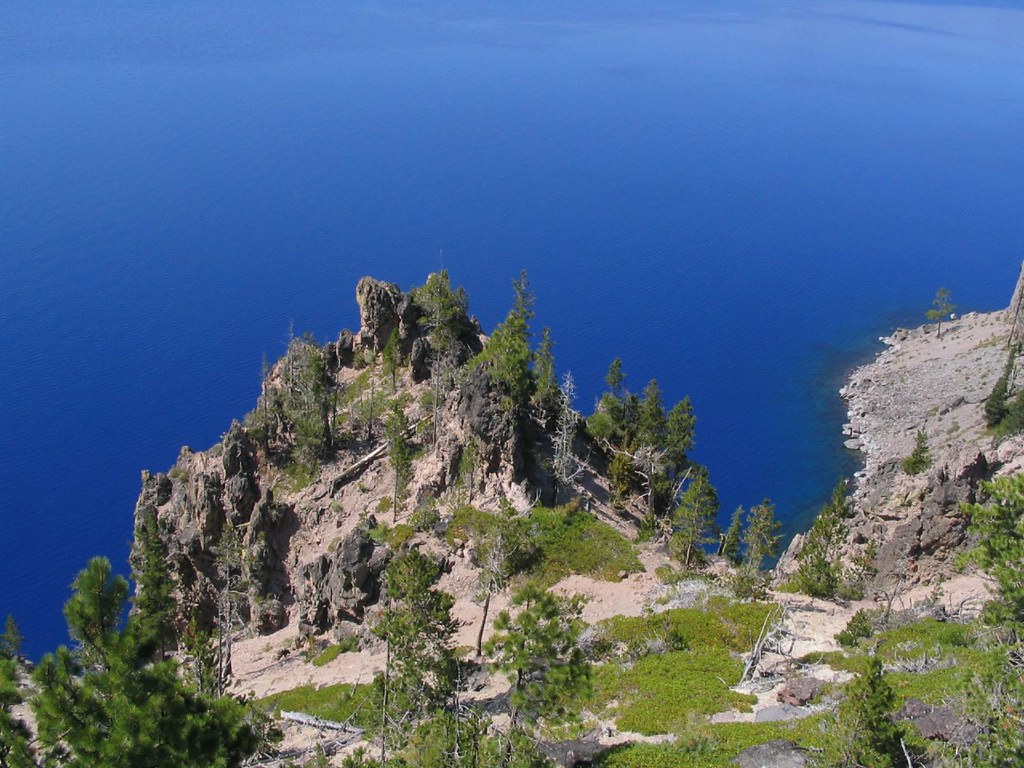
Approaching Crater Lake is like stepping into a geological masterpiece. The vast caldera rim towers above the deepest lake in the United States, its waters a mesmerizing deep blue that contrasts starkly with the rugged volcanic cliffs and surrounding pine forests. Hiking here offers a profound sense of connection to Earth’s fiery past, with every step revealing layers of volcanic history beneath your feet. The silence around the lake is punctuated only by the wind and distant calls of wildlife, enhancing the emotional impact of standing on the edge of a collapsed volcano. Reaching viewpoints like Watchman Peak or the shores at Cleetwood Cove rewards trekkers with panoramic vistas that capture the lake’s vastness and the dramatic landscape sculpted by ancient eruptions.
The Volcano Itself: Geological Background
Crater Lake occupies the caldera of Mount Mazama, a massive stratovolcano that once soared approximately 12,000 feet before its cataclysmic eruption about 7,700 years ago. This eruption was so powerful that it emptied the magma chamber beneath the volcano, causing the summit to collapse inward and form a vast caldera over 2,100 feet deep. Over millennia, the caldera filled with rain and snowmelt, creating the pristine lake seen today. The lake’s remarkable clarity and deep blue color result from the absence of inflowing streams, which prevents sediment and minerals from clouding the water. Within the lake lie volcanic features such as Wizard Island, a cinder cone formed by later eruptions, and Phantom Ship, a natural rock pillar. The surrounding cliffs reveal layers of volcanic ash, pumice, and lava flows, offering a vivid record of Mount Mazama’s explosive past and the dynamic processes that shaped this iconic landscape.
The Volcano Trek: Terrain and Hiking Experience
Hiking around Crater Lake offers a diverse and captivating terrain shaped by volcanic activity and natural erosion. The trails vary from gentle forest paths to steep climbs along the caldera rim, providing options for a range of fitness levels. The Rim Drive encircles the lake, featuring over 30 overlooks where hikers can pause to absorb sweeping views of the lake’s cobalt waters and the rugged cliffs rising sharply from its edge. Popular hikes include the Watchman Peak Trail, which ascends approximately 1,076 feet over 3.5 miles, rewarding trekkers with panoramic vistas of the lake and Wizard Island. The terrain here is a mix of volcanic rock, loose pumice, and forested sections with lodgepole pines and firs. The Cleetwood Cove Trail is the only legal access to the lake shore, descending steeply through mixed forest and rocky outcrops to the water’s edge. Hikers should be prepared for variable weather, including sudden wind gusts along exposed ridges and cooler temperatures near the lake. The volcanic soil can be loose and uneven, requiring sturdy footwear and careful footing. Seasonal snow can linger into early summer, adding to the challenge but also enhancing the landscape’s beauty. Overall, the hiking experience combines geological wonder with accessible trails, making Crater Lake a unique destination for volcano enthusiasts and nature lovers alike.

What Makes This Volcano Trek Unique
Crater Lake’s trek stands out for its unparalleled combination of geological significance and natural beauty. It is the deepest lake in the United States, formed within a volcanic caldera created by one of the most powerful eruptions in North America’s recent geological history. The lake’s intense blue color and exceptional clarity are rare among volcanic lakes worldwide, attributed to its isolated water source and lack of sediment inflow. The presence of Wizard Island, a volcanic cinder cone rising from the lake’s surface, adds a striking feature rarely seen in other calderas. The surrounding Cascade Range provides a dramatic backdrop of forested peaks and volcanic formations. Additionally, the park’s well-maintained trails and scenic overlooks allow visitors to intimately explore the caldera rim and its volcanic features without technical climbing. The blend of accessible hiking, profound geological history, and breathtaking vistas makes Crater Lake a singular volcano trekking experience.
The Summit and Crater Experience
Reaching the summit of Watchman Peak or standing at the caldera rim offers a breathtaking encounter with the power of volcanic forces. From these vantage points, hikers gaze down into the vast, sapphire-blue lake that fills the collapsed heart of Mount Mazama. The air is crisp and often carries a faint scent of pine and earth. The sheer cliffs plunge dramatically into the water, emphasizing the caldera’s immense depth. The sight of Wizard Island rising from the lake’s surface evokes the image of a volcano within a volcano, a testament to the ongoing geological processes beneath the surface. The silence is profound, broken only by the wind or the distant call of birds. The experience is both humbling and exhilarating, as visitors stand on the edge of a landscape shaped by cataclysmic eruptions and millennia of natural transformation.

Best Time to Trek This Volcano
The optimal time to hike Crater Lake is during the summer months, from July through September, when the weather is warmest and most park facilities are open. During this period, temperatures typically range from 40°F to 75°F, providing comfortable conditions for trekking. Snowpack from winter usually melts by mid-summer, opening trails and roads such as Rim Drive. Early summer and late fall can still see snow and unpredictable weather, limiting access to some areas. Winter months bring heavy snowfall averaging over 40 feet annually, closing many roads and trails but offering opportunities for snowshoeing and cross-country skiing. Visitors should check current conditions before planning their trip, as weather can change rapidly. The summer months also coincide with peak wildflower blooms and reduced insect activity, enhancing the hiking experience.
Trekking Routes and Trail Options
Crater Lake National Park offers a variety of hiking routes catering to different interests and fitness levels. The Rim Drive Trail is a 33-mile loop around the caldera, accessible by vehicle and featuring numerous short walking trails to scenic overlooks such as Cloudcap Overlook and Pinnacles Overlook. For more immersive hiking, the Watchman Peak Trail is a popular 3.5-mile out-and-back route with an elevation gain of about 1,076 feet, leading to a historic fire lookout and panoramic views of the lake and Wizard Island. The Cleetwood Cove Trail is the only legal access to the lake shore, descending steeply 1.1 miles to the water’s edge, where visitors can swim or take boat tours to Wizard Island. Other trails include the Garfield Peak Trail, a moderate 3.4-mile hike with rewarding vistas, and the Discovery Point Trail, which passes through wildflower meadows and volcanic rock formations. Backcountry camping is permitted with a permit, allowing exploration of less traveled areas. Guided tours are available through operators like ExplorCraterLake, providing expert insights and logistical support.

Difficulty Assessment
Crater Lake’s hiking trails range from easy to moderate difficulty, making them accessible to a broad spectrum of outdoor enthusiasts. Most popular routes involve well-maintained paths with moderate elevation gains, such as the Watchman Peak Trail’s 1,076-foot ascent. The terrain includes volcanic rock, loose pumice, and forested sections, requiring good hiking shoes and moderate fitness. The altitude, ranging from 6,000 to 8,000 feet, may cause mild effects for some hikers, such as shortness of breath or fatigue, especially for those unaccustomed to higher elevations. Technical climbing is not required on standard trails, but caution is advised on exposed ridges and steep descents like the Cleetwood Cove Trail. Overall, the trek is classified as an easy to moderate volcano hike, suitable for families and casual hikers with proper preparation.
Essential Volcano Trekking Gear
When trekking Crater Lake, essential gear includes sturdy hiking boots with good traction to navigate volcanic rock and loose soil. Trekking poles can aid stability on steep or uneven terrain. Layered clothing is recommended to adapt to temperature changes, including a windproof jacket for exposed ridges. Sun protection is critical due to high elevation and limited shade: bring sunscreen, sunglasses, and a wide-brimmed hat. A hydration system or water bottles are necessary, as water sources are limited on trails. For early morning or late evening hikes, a headlamp is useful. While volcanic gases are minimal at this dormant volcano, carrying a basic first aid kit and a map or GPS device is advisable. If planning backcountry camping, permits and additional camping gear are required.
Safety and Volcanic Hazards
Crater Lake is a dormant volcano, with no recent eruptions and minimal volcanic gas emissions, making it a relatively safe destination for hikers. However, safety considerations include steep and sometimes unstable trail sections, particularly on the Cleetwood Cove Trail descending to the lake shore. Loose volcanic rock and pumice can increase the risk of slips and falls. Weather can change rapidly, with sudden wind gusts and temperature drops, especially at higher elevations. Visitors should stay on designated trails to avoid fragile ecosystems and hazardous cliff edges. The National Park Service monitors volcanic activity and provides updates; hikers should heed all warnings and park regulations. Backcountry hikers must obtain permits and be prepared for wilderness conditions. Emergency services are available but can be delayed due to the park’s remote location.
Permits, Guides, and Logistics
Visiting Crater Lake National Park requires a valid park entrance pass, currently priced at $30 per vehicle for a seven-day period. For frequent visitors, the America the Beautiful Pass offers access to multiple national parks. Backcountry camping within the park requires a permit, which can be obtained through the National Park Service. The only legal access to the lake shore is via the Cleetwood Cove Trail, which will be closed for repairs until 2029, limiting water access temporarily. Guided tours and hiking services are offered by operators such as ExplorCraterLake and local adventure companies, providing boat tours to Wizard Island, interpretive hikes, and logistical support. The park is open year-round, but many roads and facilities close during winter due to heavy snowfall. Visitors should plan transportation accordingly, with the nearest major airports in Medford and Klamath Falls. Road access is via US Highway 97 and Oregon State Route 62. Reservations for lodging and guided tours are recommended during peak summer months to ensure availability.
Where to Stay Near the Volcano
Accommodations within Crater Lake National Park include the historic Crater Lake Lodge, perched on the caldera rim with stunning lake views. The lodge offers 71 rooms, including accessible options, and operates typically from mid-May through early October. For a rustic experience, The Cabins at Mazama Village provide 40 rooms nestled in lodgepole pine forests, featuring private baths but no televisions or air conditioning. Mazama Village also hosts a campground with over 200 tent and RV sites, open seasonally. Outside the park, several lodging options are available within a short drive. Beckie’s Cafe at Union Creek Resort, located 25 minutes west of Mazama Village, is renowned for hearty meals and homemade pies. Nearby resorts such as Rocky Point Resort on Upper Klamath Lake offer cabins, RV sites, and boat rentals. Fort Klamath hosts Jo’s Motel and Campground, providing motel rooms, campsites, and an organic grocery store. For a more extensive selection, towns like Klamath Falls and Medford offer hotels, motels, and vacation rentals. These accommodations provide convenient bases for exploring the park and surrounding volcanic landscapes.