
Mount Benbow Volcano Trekking Guide: Conquer Vanuatu’s Active Complex Volcano
Mount Benbow on Ambrym Island, Vanuatu, is a demanding active complex volcano trek offering a rare chance to witness bubbling lava lakes and traverse vast volcanic ash plains. This comprehensive guide covers geology, trekking terrain, routes, safety, permits, and accommodation for an unforgettable volcanic adventure.
Quick Volcano Snapshot
| Attribute | Value |
|---|---|
| Volcano type | Complex volcano |
| Elevation | 1160m |
| Location | Ambrym Island, Malampa Province, Vanuatu |
| Activity status | Active |
| Trekking difficulty | Demanding |
| Typical trek duration | 1 to 3 days |
| Altitude gain | Approximately 800m from base to summit |
| Terrain type | Volcanic ash plains, lava flows, dense jungle, rocky slopes |
| Best season | August to January (dry season) |
| Temperature range | Tropical base (warm and humid) to cold, windy summit (night temperatures can drop significantly) |
| Permit requirement | Required; local accredited guides mandatory |
The Experience of Hiking Mount Benbow
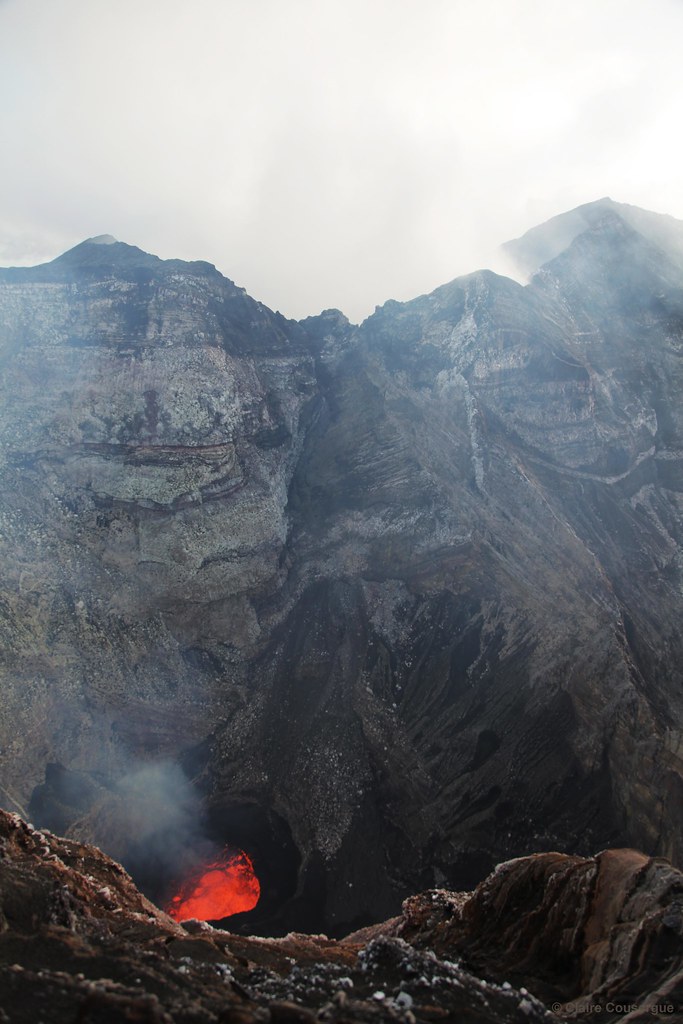
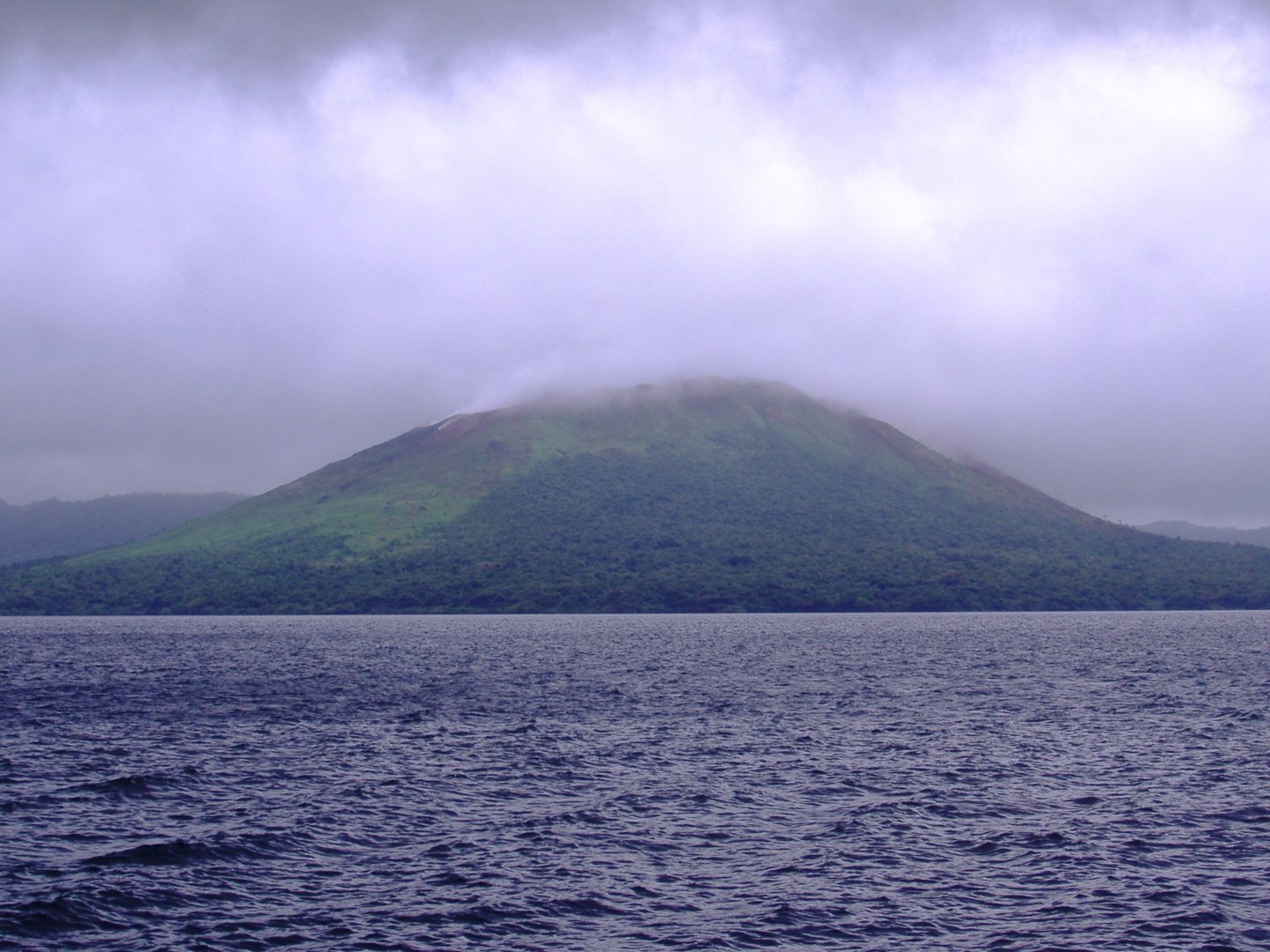
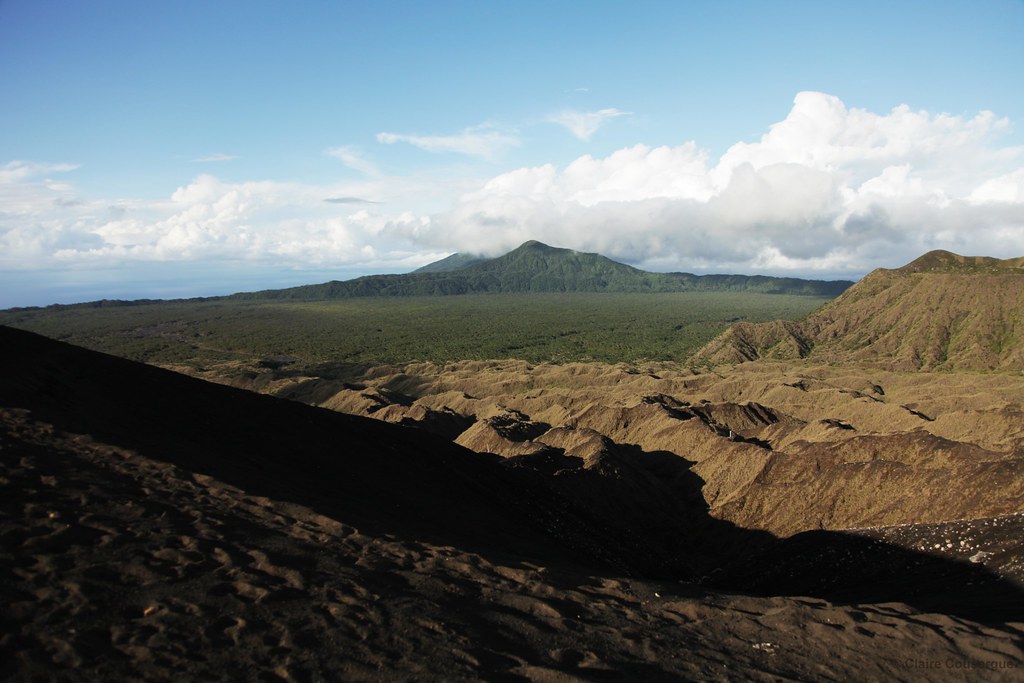
Approaching Mount Benbow, the landscape shifts dramatically from dense tropical jungle to a stark volcanic ash plain known as the Black Island. The air is thick with the raw power of the Earth, and the silence is punctuated only by distant rumbles from the active crater. Trekking here is a visceral encounter with geological forces, where every step on the coarse volcanic scoria brings you closer to the planet’s molten heart. The climb challenges your endurance as you ascend steep jungle trails, scramble over ancient lava flows, and finally reach the summit plateau. Standing at the crater rim, the sight of the bubbling lava lake and the smell of sulfurous gases evoke a profound sense of awe and connection to the fiery core beneath your feet.
Geological Background of Mount Benbow
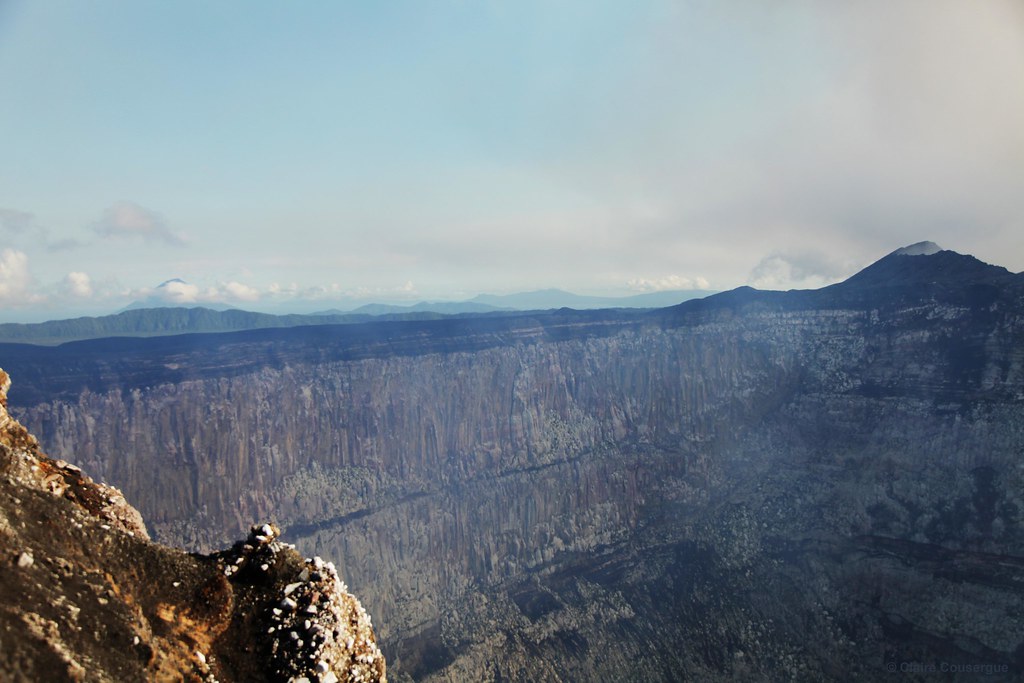
Mount Benbow is part of Ambrym Island’s vast complex volcano system, featuring a large 12-kilometer-wide caldera that hosts two prominent active cones: Benbow and Marum. This complex volcano formed through repeated eruptions of basaltic lava flows and explosive activity that shaped the island’s rugged terrain. The volcano is renowned for its historically persistent lava lakes within the craters, a rare geological phenomenon. These lava lakes have been visible for decades, though recent eruptions have altered their activity. The volcano’s eruptions are typically strombolian to vulcanian in style, producing lava fountains, ash plumes, and lava flows confined mostly within the caldera. The caldera floor is covered with thick deposits of volcanic ash, scoria, and lava, interspersed with fumaroles emitting sulfur-rich gases and steam. This dynamic environment offers a unique window into volcanic processes and the ongoing evolution of a complex volcanic system.
Terrain and Hiking Experience on Mount Benbow
The trek to Mount Benbow is a demanding journey through diverse and challenging terrain that tests both physical endurance and mental resilience. The hike typically begins at sea level near Craig Cove or other local villages, progressing through dense, humid tropical jungle. This initial section features narrow, often overgrown trails where hikers must navigate slippery mud, tangled roots, and thick vegetation. Guides frequently use machetes to clear the path, and trekkers should be prepared for close encounters with biting insects such as mosquitoes and ticks.
After several hours, the landscape abruptly transforms as the trail emerges onto the volcanic ash plains known locally as the Black Island. This vast plateau is composed of coarse volcanic scoria and ash, creating a barren, otherworldly environment. The ash is abrasive and loose, making footing unstable and requiring sturdy, broken-in hiking boots with excellent grip. The terrain here is exposed, with little shade and frequent strong winds that can chill the air, especially near the summit.
The ascent to the crater rim involves steep climbs over loose volcanic rock and hardened lava flows. Trekkers must use hands and feet to scramble over jagged rocks and navigate steep inclines. The altitude gain of approximately 800 meters can induce fatigue and mild altitude effects, though the elevation is moderate. Weather conditions can change rapidly, with sudden rain showers turning trails slippery and increasing the risk of falls.
Camping at the base camp on the ash plain offers a chance to rest and acclimatize before the final push to the summit. The overnight stay exposes hikers to cold temperatures and strong winds, requiring warm clothing and windproof gear. The summit trek itself is physically taxing but rewarding, culminating in panoramic views of the caldera and the active Benbow crater. The terrain around the crater rim is rugged and unstable, demanding caution and respect for volcanic hazards.
Overall, the hiking experience on Mount Benbow is a blend of tropical jungle adventure and stark volcanic wilderness. It demands good fitness, careful preparation, and reliance on experienced local guides to navigate the complex terrain safely.
What Makes the Mount Benbow Trek Unique
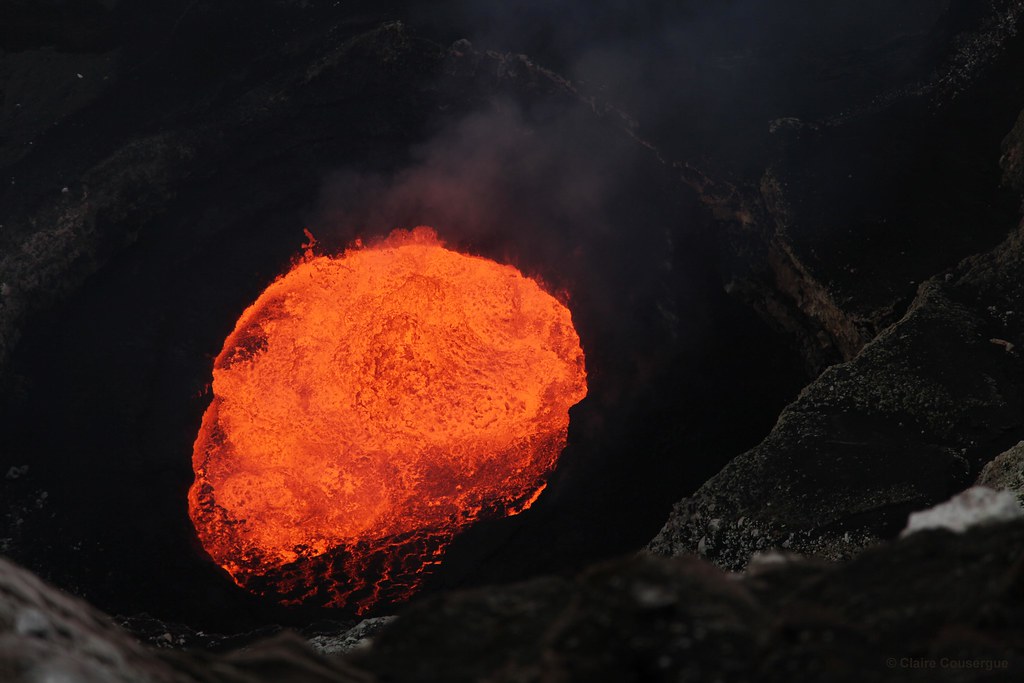
Mount Benbow offers a rare and thrilling opportunity to witness one of the world’s few active lava lakes within an accessible volcanic crater. This phenomenon creates a mesmerizing spectacle of glowing molten rock that bubbles and churns, illuminating the night sky. The volcano’s vast caldera, spanning 12 kilometers, provides a dramatic backdrop of volcanic ash plains contrasting sharply with the surrounding lush jungle.
The trek’s uniqueness also lies in its combination of tropical rainforest and volcanic desert ecosystems, offering hikers a diverse range of natural environments within a single journey. The cultural richness of Ambrym Island, known as the Black Island for its volcanic soil and mystical traditions, adds depth to the experience. Local guides share indigenous knowledge and stories, connecting visitors to the island’s heritage.
The physical challenge of the demanding terrain, the unpredictability of volcanic activity, and the raw elemental power visible at the crater rim make this trek an unforgettable adventure for serious volcano enthusiasts and adventure travelers alike.
Summit and Crater Experience at Mount Benbow
Reaching the summit of Mount Benbow is a moment of profound awe and exhilaration. The crater rim offers sweeping panoramic views across Ambrym’s vast caldera, with the neighboring Marum cone visible in the distance. The air is thick with the pungent smell of sulfur, and the ground vibrates subtly with the volcano’s restless energy.
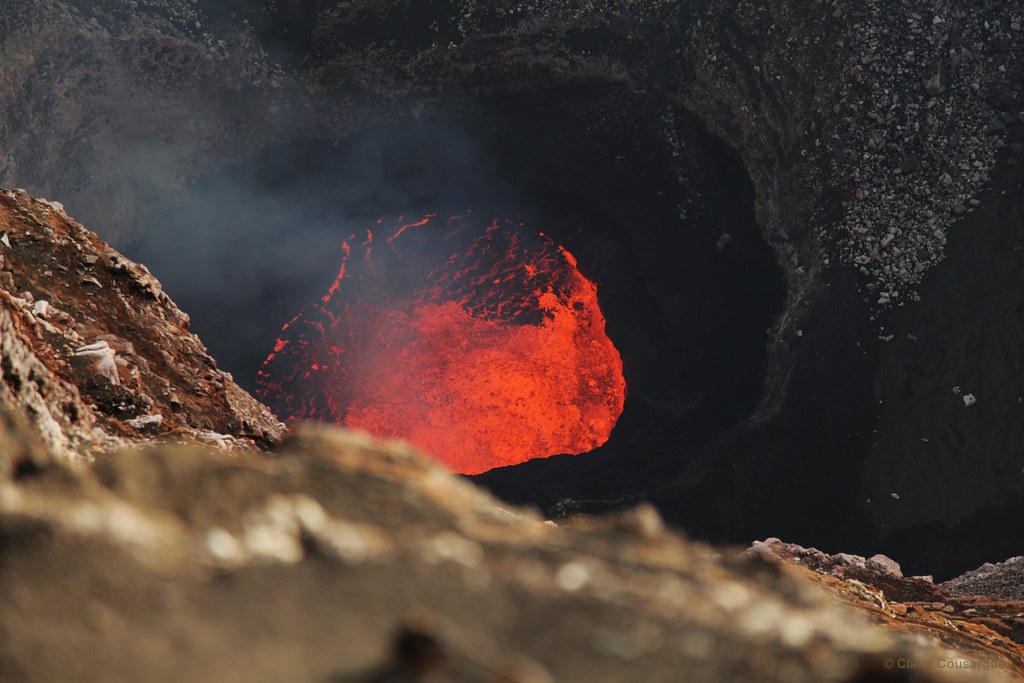
At the crater’s edge, hikers can observe the active lava lake, a rare and dynamic feature that glows with incandescent reds and oranges, casting an eerie light that flickers and dances. The heat radiating from fumaroles and steam vents is palpable, and the occasional loud explosions echo across the caldera, underscoring the volcano’s volatile nature.
The sensory experience is intense: the crackling sounds of escaping gases, the sulfurous aroma, the stark contrast of fiery lava against dark volcanic rock, and the vastness of the surrounding landscape combine to create a powerful connection to Earth’s inner forces. This is a place where the planet’s primal energy is on full display, rewarding those who have made the arduous journey with an unforgettable spectacle.
Best Time to Trek Mount Benbow
The optimal trekking season for Mount Benbow is during Vanuatu’s dry months, from August to January. During this period, trails are more accessible, and the risk of heavy rain turning paths into mudslides is reduced. The dry season also offers clearer skies, enhancing visibility of the volcanic features and summit views.
The rainy season, typically from February to July, brings frequent downpours that make the jungle trails slippery and the volcanic ash plains treacherous. Additionally, the unmaintained roads to trailheads become difficult to navigate, often requiring robust 4WD vehicles.
Volcanic activity levels also influence trekking opportunities. It is essential to monitor the Vanuatu Meteorology and Geohazards Department (VMGD) alerts, as the volcano can shift from unrest to eruption with little warning. Treks are only permitted when the alert level is at 1 or below, and access to the crater is restricted within a 2-kilometer danger zone during higher alert levels.
Early morning or late afternoon climbs are preferred to avoid midday heat in the jungle and to experience the dramatic glow of the lava lake at dusk or night. However, nighttime climbs require headlamps and careful navigation.
Trekking Routes and Trail Options on Mount Benbow
Mount Benbow offers several trekking options tailored to different levels of time commitment and adventure intensity. The most common routes start from villages such as Craig Cove, Port Vato, Ranvetlam, or Endu, accessible by local transport or 4WD vehicles.
The one-day trek is a strenuous round trip starting early from the trailhead, ascending through jungle and ash plains to the crater rim and back. This route covers approximately 10-12 hours of hiking, demanding excellent fitness and minimal rest stops. It allows hikers to witness the crater’s activity but limits time spent at the summit.
The two-day, one-night trek includes an overnight stay at a base camp on the volcanic ash plain. Day one involves hiking from the village to the base camp, crossing jungle and lava flows. Day two features a summit ascent with several hours at the crater rim to explore and observe volcanic activity before descending. This option provides a more relaxed pace and better acclimatization.
For those seeking an immersive experience, the three-day, two-night trek extends the stay at the summit area, allowing exploration of multiple viewpoints around the caldera and both Benbow and Marum cones. This itinerary increases the chance of clear weather and deeper volcanic insights.
All routes require the accompaniment of accredited local guides who ensure safety, navigation, and cultural interpretation. Self-guided trekking is strongly discouraged due to the challenging terrain and volcanic hazards.
Difficulty Assessment of the Mount Benbow Trek
Mount Benbow is classified as a demanding volcano trek. The combination of steep jungle ascents, unstable volcanic ash plains, and rocky crater rim terrain requires a high level of physical fitness and endurance. Trekkers should be comfortable with long hours of hiking, scrambling over uneven surfaces, and carrying their own gear.
Altitude is moderate at 1160 meters, but the rapid elevation gain and exposure to wind and cold at the summit can challenge those unaccustomed to mountain environments. The trail’s technical difficulty is moderate; no specialized climbing equipment is required, but sure-footedness and agility are essential.
The trek is not suitable for beginners or those with limited hiking experience. Preparation should include cardiovascular training, strength conditioning, and acclimatization to tropical and cooler mountain climates. Mental resilience is also important due to the remote setting and potential weather volatility.
Essential Gear for Trekking Mount Benbow
Successful trekking on Mount Benbow requires gear suited to both tropical jungle and cold volcanic summit conditions. Essential items include sturdy, broken-in hiking boots with strong grip to handle abrasive volcanic scoria and slippery jungle trails. Trekking poles are highly recommended to aid balance and reduce strain on steep ascents and descents.
Clothing should consist of lightweight, moisture-wicking layers for the humid base environment, combined with warm insulating layers such as fleece or lightweight down jackets for summit temperatures. A windproof and waterproof shell is critical to protect against sudden rain and strong winds.
Long trousers are necessary to protect against biting insects and dense vegetation. Insect repellent and a head net can provide additional protection. A headlamp is essential for early starts or nighttime crater visits.
Hydration systems or water bottles with sufficient capacity are vital, as water sources are scarce on the ash plains. Sun protection, including a wide-brimmed hat, sunglasses, and high SPF sunscreen, is important due to the exposed terrain.
Additional gear includes a first aid kit, personal medications, a camera for capturing volcanic phenomena, and a backpack with rain cover. For multi-day treks, camping equipment such as a lightweight tent, sleeping bag rated for cold temperatures, and cooking supplies are required.
Safety and Volcanic Hazards on Mount Benbow
Mount Benbow is an active volcano with inherent risks that require careful attention and respect. Volcanic gases such as sulfur dioxide can be harmful; hikers should heed warnings and avoid low-lying areas where gases accumulate. The crater rim and surrounding terrain are unstable, with loose rocks and steep drop-offs posing fall hazards.
Falling volcanic debris and sudden explosions are possible, especially during periods of increased activity. The Vanuatu Meteorology and Geohazards Department (VMGD) maintains real-time monitoring and issues alert levels that dictate access restrictions. Trekkers must comply with these advisories and local guide instructions.
Weather on Ambrym can change rapidly, with heavy rain causing slippery trails and flash flooding in ravines. Hypothermia risk increases at the summit due to cold winds and nighttime temperatures. Adequate clothing and preparedness are essential.
Emergency response infrastructure is limited; therefore, trekking with accredited local guides trained in first aid is mandatory. Guides are familiar with evacuation routes and communication protocols. Visitors should carry personal emergency supplies and inform others of their itinerary.
Respecting safety zones, avoiding restricted areas, and maintaining situational awareness are critical to minimizing risks on this volatile and remote volcano.
Permits, Guides, and Logistics for Mount Benbow Trekking
Trekking Mount Benbow requires obtaining permits and hiring accredited local guides, as mandated by the Vanuatu Department of Tourism and the Vanuatu Meteorology and Geohazards Department (VMGD). Permits regulate access to the active volcanic areas to ensure visitor safety and environmental protection.
Local guides are essential for navigating the challenging terrain, interpreting volcanic activity, and managing safety risks. Accredited guides have completed intensive training, hold business licenses, and possess first aid certification. They are familiar with current volcanic alert levels and evacuation procedures.
Tour operators offering Mount Benbow treks include Ambrym Volcano Trek – Vanuatu Island Discovery and My Vanuatu Expert. These companies provide organized packages ranging from one-day hikes to multi-day expeditions with camping arrangements. Booking through reputable operators ensures compliance with regulations and enhances the overall experience.
Access to Ambrym Island is typically via domestic flights from Port Vila to Craig Cove or Ulei Airports. From these points, 4WD vehicles transport trekkers to trailheads at Port Vato, Ranvetlam, or Endu. Road conditions are rough and can be impassable during the rainy season, so travel plans should allow flexibility.
Permit costs vary and are often included in guided tour fees. Visitors must register with local authorities and adhere strictly to VMGD volcanic alert levels. Entry is prohibited during elevated alert states, and exclusion zones around active vents (2 km radius around Benbow crater) must be respected.
Logistics for multi-day treks involve carrying camping gear or arranging porter support. Base camps on the ash plain provide basic shelter and bush toilets but no formal facilities. Trekkers should bring sufficient food, water, and emergency supplies.
In summary, careful planning, permit acquisition, and hiring certified guides are mandatory for a safe and successful Mount Benbow volcano trek.
Where to Stay and Nearby Bases for Mount Benbow Treks
Accommodation options near Mount Benbow are limited due to Ambrym Island’s remote and undeveloped nature. Most visitors stay in simple guesthouses or lodges in Craig Cove, the island’s main settlement and gateway for volcano treks. Craig Cove offers basic amenities including local eateries, small shops, and guesthouses such as Craig Cove Guesthouse, which provide comfortable beds and warm hospitality.
For those seeking cultural immersion, village homestays are available, offering authentic experiences with local families. These homestays provide modest accommodations and meals prepared with local ingredients, fostering deeper connections with Ambrym’s indigenous communities.
At the volcano base, camping is the primary option. Base camps on the volcanic ash plains are equipped with basic shelters and bush toilets but lack electricity and running water. Trekkers must be self-sufficient, bringing tents, sleeping bags, and cooking equipment. The stark environment at base camp contrasts with the lush jungle below, offering a unique wilderness experience.
Port Vato and Ranvetlam villages serve as alternative starting points for treks and have small guesthouses and community lodges. Transport between these villages and Craig Cove is possible via local 4WD vehicles or arranged transfers through tour operators.
Due to the island’s limited infrastructure, it is advisable to book accommodations and transfers well in advance through established tour companies or local contacts. Visitors should prepare for rustic conditions and limited connectivity.
For travelers arriving from abroad, the nearest international gateway is Bauerfield International Airport in Port Vila on Efate Island. Domestic flights connect Port Vila to Ambrym’s Craig Cove or Ulei Airports. From there, ground transport to trailheads is arranged by guides or tour operators.
Overall, staying near Mount Benbow requires embracing simplicity and adventure, with accommodations focused on proximity to trekking routes and authentic local experiences.