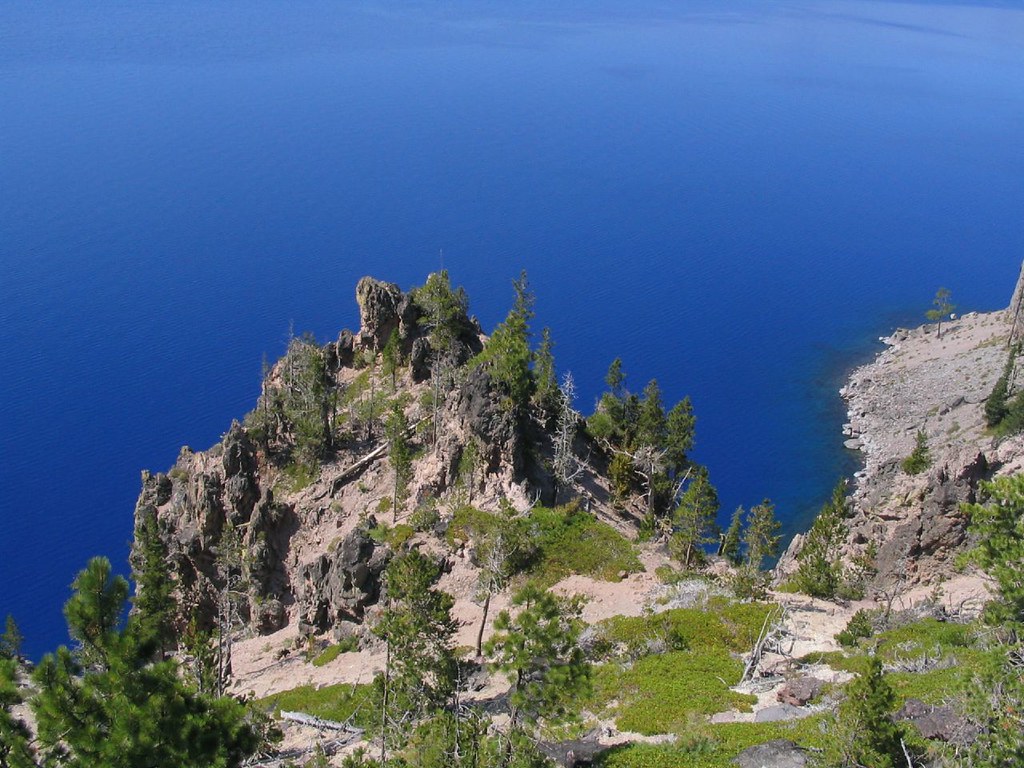

Mount Tabwemasana Volcano Trekking Guide: Conquer Vanuatu’s Highest Peak
Mount Tabwemasana, the highest peak in Vanuatu at 1,879 meters, offers a demanding and remote volcano trekking experience through dense tropical rainforest on Espiritu Santo Island. This guide covers the geology, terrain, routes, logistics, and cultural immersion involved in ascending this majestic stratovolcano.
Quick Volcano Snapshot
| Attribute | Value |
|---|---|
| Volcano type | Stratovolcano |
| Elevation | 1,879 meters (6,165 feet) |
| Location | Espiritu Santo Island, Vanuatu |
| Activity status | Dormant |
| Trekking difficulty | Demanding |
| Typical trek duration | 5 to 7 hours (day hike) or 3 to 6 days (expedition) |
| Altitude gain | Approximately 1,200 meters |
| Terrain type | Dense tropical rainforest, rocky paths, steep inclines, river crossings |
| Best season | May to October (dry season) |
| Temperature range | 20°C to 30°C (68°F to 86°F) |
| Permit requirement | Guided trek required; permits arranged through local operators |
Introduction: The Experience of Hiking Mount Tabwemasana
Approaching Mount Tabwemasana, Vanuatu’s highest peak, is an immersion into a world where raw nature and ancient geology converge. The trek begins in remote coastal villages, where the dense tropical rainforest rises steeply to meet the towering stratovolcano. As you ascend, the jungle’s vibrant greens contrast sharply with the rugged mountain silhouette, evoking a sense of stepping back into a primordial landscape. The air thickens with humidity and the scent of earth and foliage, while the chorus of endemic birds accompanies your climb. Reaching the summit offers a profound reward: panoramic views stretching across Espiritu Santo’s wild terrain to the shimmering Coral Sea. The emotional impact of standing atop this remote giant, embraced by clouds and sky, is a testament to the mountain’s enduring power and the spirit of adventure it inspires.
The Volcano Itself: Geological Background
Mount Tabwemasana is a classic stratovolcano, formed through successive layers of hardened lava, tephra, and volcanic ash. Rising to 1,879 meters, it is the highest point in Vanuatu and one of the tallest peaks in the Pacific region. The volcano’s twin peaks are steeped in local folklore, believed to represent a male and female pair that embrace under the night sky. Although currently dormant, the mountain’s geological history is marked by volcanic activity that shaped the rugged terrain and fertile soils supporting dense rainforest. The volcano’s slopes feature unique geological formations, including ancient lava flows and mineral deposits. Fumaroles and sulfur vents are not active today, but the mountain’s volcanic origins remain evident in its dramatic relief and the rich biodiversity it supports. The endemic tree species Metrosideros tabwemasanaensis is found only here, highlighting the volcano’s ecological significance.
The Volcano Trek: Terrain and Hiking Experience
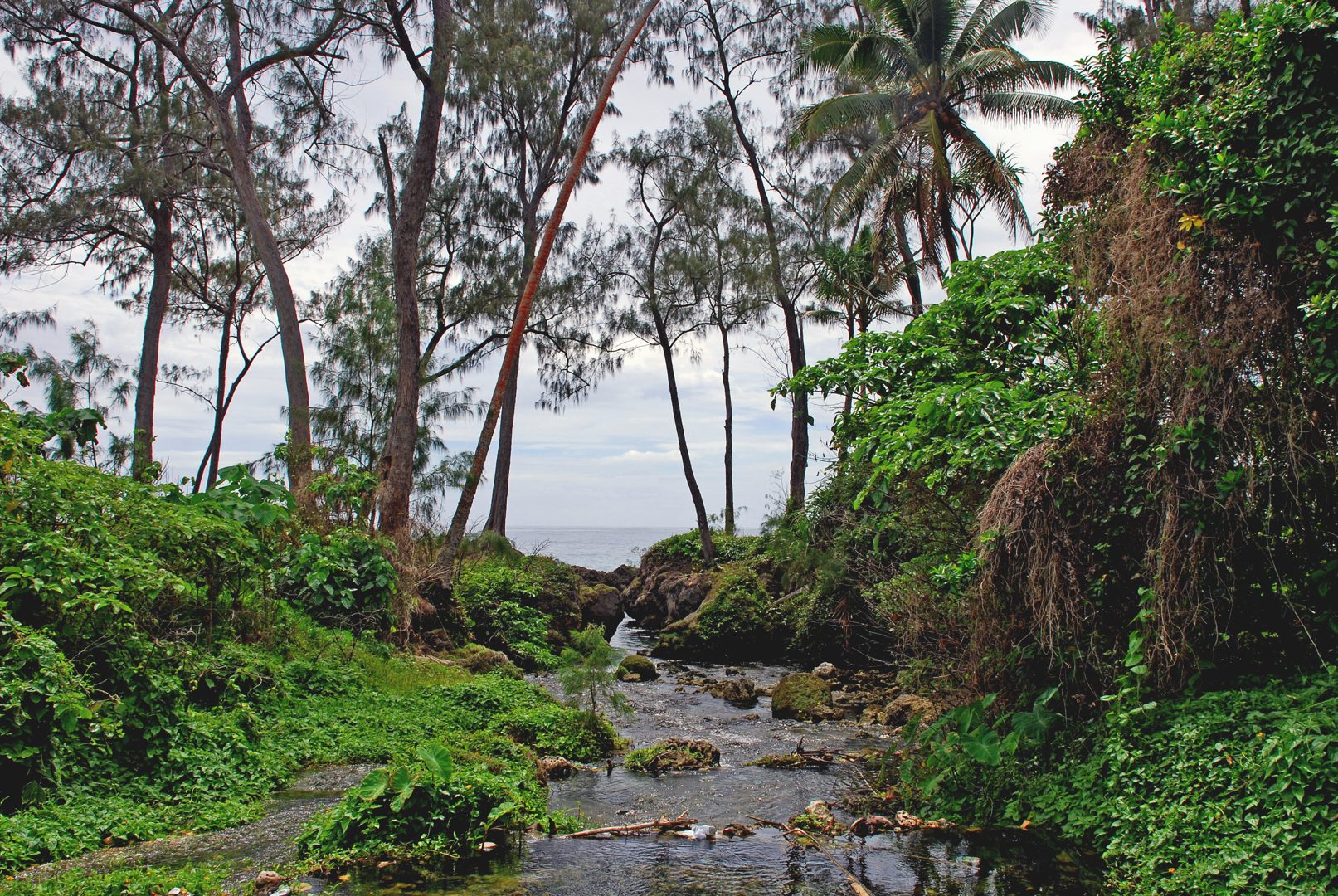
The trek up Mount Tabwemasana is a demanding journey through one of Vanuatu’s most remote and pristine landscapes. The trail begins near the village of Pango or Kerepua on the west coast of Espiritu Santo, accessible only by boat and truck from Luganville. From the start, hikers enter dense tropical rainforest characterized by towering trees, thick undergrowth, and a rich diversity of flora and fauna. The terrain is varied and challenging: expect steep ascents on slippery, uneven paths covered with roots and rocks, requiring careful footing and good balance. River crossings are common, with some sections involving trekking through shallow streams or along riverbanks. The trail is often muddy, especially after rain, and sections of scrambling over rocky outcrops test your agility and strength. As you climb higher, the forest canopy opens to reveal breathtaking lookout points overlooking the island and the Coral Sea beyond. The air cools and the wind picks up near the summit, where the terrain becomes more rugged and exposed. Altitude effects are mild but noticeable, and the physical demands require a good level of fitness and hiking experience. The trail is unmarked in places, making local guides essential for navigation and safety. Wildlife sightings include colorful birds like the Vanuatu kingfisher, butterflies, and occasional lizards basking on sunlit rocks. Waterfalls along the route provide refreshing rest stops and add to the trek’s natural beauty. Overall, the hike is a true test of endurance and determination, rewarding trekkers with a profound connection to Vanuatu’s wild heart and spectacular summit vistas.

What Makes This Volcano Trek Unique
Mount Tabwemasana stands apart as Vanuatu’s highest peak and one of the Pacific’s most remote volcano treks. Its uniqueness lies in the combination of challenging jungle terrain, cultural immersion, and ecological richness. Unlike many volcanic hikes dominated by barren lava fields, Tabwemasana’s ascent winds through lush tropical rainforest teeming with endemic species. The mountain’s twin peaks carry deep local significance, embodying ancient myths that enrich the trekking experience. The trail’s remoteness means few visitors, offering solitude and a sense of discovery rare in today’s world. The journey includes interactions with Ni-Vanuatu communities, whose traditional lifestyles and warm hospitality provide cultural depth to the adventure. The trek’s difficulty and logistical demands ensure it remains a true expedition, not a casual hike, appealing to serious adventurers seeking an authentic connection with nature and indigenous culture. Panoramic summit views over Espiritu Santo and the Coral Sea complete this unparalleled volcanic experience.
The Summit and Crater Experience
Reaching the summit of Mount Tabwemasana is a moment of profound achievement and awe. The twin peaks rise above the jungle canopy, offering sweeping panoramic views of Espiritu Santo’s rugged mountains, dense forests, and the vast Coral Sea stretching to the horizon. The air at the top is crisp and cool, a refreshing contrast to the humid climb through the rainforest. Although the volcano is dormant with no active crater activity, the summit’s geological presence is palpable. The silence is punctuated by the wind and distant bird calls, while the landscape below reveals the island’s volcanic origins. The summit’s exposed ridges provide dramatic vantage points for photography and reflection. The sense of standing on Vanuatu’s highest point, surrounded by untouched wilderness, evokes a deep connection to the earth’s primal forces and the island’s cultural heritage.

Best Time to Trek Mount Tabwemasana
The ideal time to trek Mount Tabwemasana is during Vanuatu’s dry season, from May to October. During these months, the weather is more stable with less rainfall, making the trail safer and more manageable. The dry season offers clearer skies and better visibility from the summit, enhancing the panoramic views. Trekking outside this period, especially during the wet season from November to April, can be hazardous due to slippery trails, swollen rivers, and increased insect activity. Early morning starts are recommended to avoid afternoon heat and potential tropical showers. Seasonal considerations also include local cultural events and village accessibility, so coordinating with guides and operators for the best timing is essential. Monitoring weather forecasts and local advice ensures a safer and more enjoyable trekking experience.
Trekking Routes and Trail Options
Mount Tabwemasana’s ascent is primarily accessed from the west coast of Espiritu Santo, with the village of Kerepua serving as the main gateway. Trekkers typically begin by traveling from Luganville to Tasiriki by truck, followed by a boat ride to Kerepua village. From Kerepua, the trail follows a river valley before ascending steeply through dense rainforest to the summit. The round-trip distance is approximately 9 kilometers (5.6 miles), with an elevation gain of about 1,200 meters. The hike can be completed as a challenging day trek in 5 to 7 hours for experienced hikers, but many opt for multi-day expeditions to fully experience the environment and local culture. Several tour operators offer 3 to 6-day packages that include village stays, cultural activities, and guided trekking. There are no marked trails or established base camps, so navigation relies on local guides familiar with the terrain. Alternative routes are limited due to the mountain’s ruggedness and dense jungle, making the Kerepua approach the standard and safest option. Trekkers should prepare for river crossings, steep ascents, and unmarked paths, emphasizing the importance of guided tours for safety and cultural respect.
Difficulty Assessment
Mount Tabwemasana is classified as a demanding volcano trek. The combination of steep, uneven terrain, dense jungle, and unmarked trails requires good physical fitness, hiking experience, and mental resilience. The altitude of 1,879 meters is moderate but can still affect those unaccustomed to elevation gain. Technical climbing skills are not necessary, but trekkers must be prepared for scrambling over rocks, navigating slippery river crossings, and managing fatigue over several hours of continuous ascent and descent. The remote location adds logistical challenges, including limited rescue options and the need for self-sufficiency. This trek is not suitable for beginners or casual hikers; it is best undertaken by those with prior experience in tropical mountain environments and the ability to carry essential gear. Local guides are mandatory to ensure safety and successful navigation.
Essential Volcano Trekking Gear
For trekking Mount Tabwemasana, essential gear includes sturdy hiking boots with strong grip for slippery and rocky terrain, trekking poles to aid balance and reduce strain on steep ascents and descents, and gaiters to protect against volcanic ash, mud, and insects. Lightweight, breathable clothing suitable for humid tropical conditions is recommended, along with a waterproof jacket for sudden rain showers. A headlamp is useful for early starts or late finishes. Given the dense jungle environment, insect repellent and a mosquito net are important. Hydration systems or water bottles with purification tablets are necessary due to limited water sources. Sun protection such as a wide-brimmed hat, sunglasses, and high-SPF sunscreen is essential as the canopy opens near the summit. A first aid kit, map, compass or GPS device, and a whistle for emergencies should be carried. Gas masks or respirators are not required as the volcano is dormant with no active gas emissions.
Safety and Volcanic Hazards
Mount Tabwemasana is a dormant volcano, so the risk of eruption or volcanic gas exposure is minimal. However, safety concerns arise from the challenging jungle terrain, including slippery slopes, loose rocks, and river crossings that can become dangerous after rain. Unstable crater edges are not a hazard here due to the dormant status and dense vegetation. Sudden weather changes, such as tropical storms or heavy rain, can increase risks of hypothermia, trail washouts, and flash floods. The remote location means emergency services are limited, making preparation and local guide support essential. Trekkers should monitor weather forecasts and heed local advice. Wildlife encounters are generally safe but require respect for the environment. Guides are trained to manage risks and ensure safe passage. It is important to carry communication devices and inform someone of your itinerary before departure.
Permits, Guides, and Logistics
Climbing Mount Tabwemasana requires careful logistical planning due to its remote location and challenging terrain. Access begins with travel to Luganville, the main town on Espiritu Santo Island, which is served by Santo-Pekoa International Airport. From Luganville, travelers take a truck to the village of Tasiriki, followed by a boat transfer to Kerepua village on the mountain’s west coast. The boat journey duration varies from 3 to 4 hours depending on weather conditions. The village of Kerepua is the primary base for summit attempts and cultural interactions. Permits to trek Mount Tabwemasana are managed locally through village authorities and must be arranged in advance, typically by booking with reputable tour operators. Guides are mandatory due to the unmarked and difficult trail; their expertise ensures safe navigation and enriches the experience with cultural insights. Leading operators include Wrecks to Rainforest, Vanuatu Ecotours, and Unmapped Expeditions, all offering multi-day trekking packages that include transport, accommodation, meals, and guiding services. Costs vary but expect to pay approximately 3,500 Vatu per night for community lodge accommodation, with additional fees for boat and truck transfers. Booking through established operators supports local communities and conservation efforts. Trekkers should prepare for limited infrastructure, carry necessary supplies, and confirm all arrangements well in advance. Communication with operators is essential to coordinate transport schedules and ensure a smooth expedition.
Where to Stay Near Mount Tabwemasana
Accommodation options near Mount Tabwemasana are limited but offer authentic experiences closely tied to local communities. The primary base for the trek is Kerepua village, located on the mountain’s west coast and accessible only by boat from Tasiriki. Here, the Tabwemasana Eco Lodge provides rustic but comfortable lodging with solar and hydro-powered electricity. The lodge accommodates up to 10 guests with a mix of double and single beds. Meals are prepared by local women, offering traditional Ni-Vanuatu cuisine. Staying at the lodge supports the village economy and provides cultural immersion opportunities such as weaving workshops, conservation park tours, and garden visits. For travelers seeking more conventional amenities, Luganville, approximately 2.5 hours by road from Tasiriki, offers a range of hotels, guesthouses, and lodges with modern facilities. Notable accommodations include Vatthe Lodge in Matantas and Vetape Guest House on nearby Tangoa Island. These locations serve as staging points before heading to the mountain and provide access to other attractions on Espiritu Santo. Due to the remote nature of the trek, it is advisable to spend at least one night in Kerepua to acclimate and coordinate with guides. Booking accommodations through tour operators ensures seamless logistics and enhances the overall trekking experience.