
Hiking Cinder Cone: A Complete Volcano Trekking Guide to Lassen Volcanic National Park
Explore the well-preserved Cinder Cone volcano in Lassen Volcanic National Park, California. This easy yet challenging hike offers panoramic views of volcanic landscapes, colorful Painted Dunes, and the Fantastic Lava Beds. Discover the geological history, trail options, essential gear, and accommodation near Butte Lake for an unforgettable volcano trekking adventure.
Quick Volcano Snapshot
| Attribute | Value |
|---|---|
| Volcano type | Cinder Cone |
| Elevation | 8,000 ft (2,438 m) approx. |
| Location | Lassen Volcanic National Park, California, United States |
| Activity status | Dormant |
| Trekking difficulty | Easy to Moderate |
| Typical trek duration | 3 hours round trip |
| Altitude gain | 846 feet (258 meters) |
| Terrain type | Loose volcanic cinders, lava beds, forest trails |
| Best season | June to November |
| Temperature range | 50°F to 80°F (10°C to 27°C) |
| Permit requirement | No permit required |
Introduction: The Experience of Hiking Cinder Cone
Approaching Cinder Cone, the landscape unfolds with stark volcanic drama. The towering cone rises sharply from the surrounding forest, its slopes a tapestry of dark lava flows and vibrant Painted Dunes. The trail begins gently, winding through woodlands before revealing the raw power of volcanic forces in the Fantastic Lava Beds. As you ascend the steep cinder slopes, the terrain shifts beneath your feet, challenging your balance and stamina. Reaching the summit, a breathtaking panorama greets you — a sweeping vista of Lassen Peak, Snag Lake, and the vast volcanic wilderness. The crater’s rim invites exploration, offering a rare glimpse into the heart of this dormant volcano. The hike is a journey through time and earth’s fiery past, an intimate encounter with nature’s elemental forces.
The Volcano Itself: Geological Background
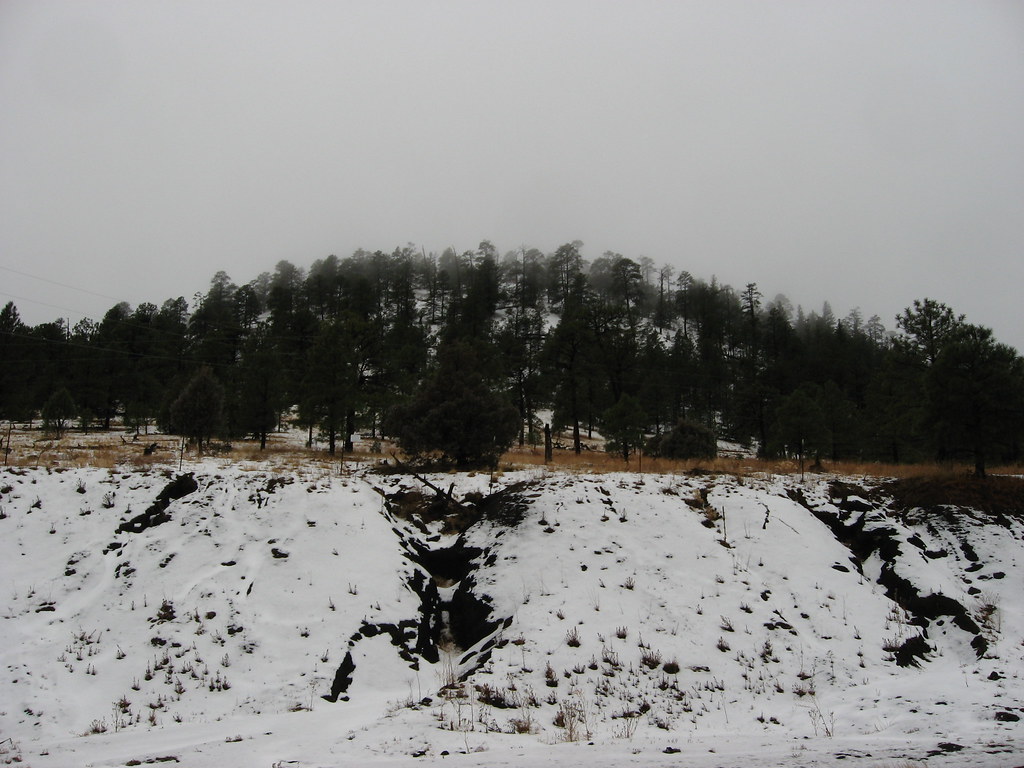
Cinder Cone is a classic example of a cinder cone volcano formed by explosive eruptions that ejected volcanic ash, cinders, and lava fragments. It last erupted in the 1600s, creating a well-preserved cone that rises approximately 846 feet above the surrounding terrain. The cone sits within Lassen Volcanic National Park, part of the Cascade volcanic arc, which is shaped by the subduction of the Juan de Fuca Plate beneath the North American Plate. The volcanic activity here has produced a diverse landscape of lava flows, obsidian deposits, and fumaroles. The Painted Dunes surrounding Cinder Cone display vivid hues caused by oxidized volcanic minerals, while the Fantastic Lava Beds are hardened flows that tell the story of past eruptions. This geological setting offers a unique window into volcanic processes and the dynamic forces shaping the region.
The Volcano Trek: Terrain and Hiking Experience
Hiking Cinder Cone is a distinctive experience defined by its volcanic terrain and changing trail conditions. The trail begins at the Butte Lake parking area, progressing through a gentle ascent bordered by Jeffrey pines and forested areas that provide welcome shade. Early on, hikers encounter the Fantastic Lava Beds — jagged, black volcanic rock formations that contrast sharply with the surrounding greenery. The trail surface here is firm but uneven, requiring careful footing. As the path approaches the cone, the terrain transforms dramatically. The trail becomes a sandy, loose cinder slope, similar in texture to coarse sand, which can be slippery and challenging to ascend. This section demands steady balance and moderate physical effort, especially during the final 200-foot climb to the summit. Trekking poles are highly recommended to aid stability on this steep, shifting surface. The ascent offers intermittent views of the Painted Dunes — colorful volcanic ash deposits in shades of red, orange, and yellow — which create a surreal, almost otherworldly landscape. The air here is often dry and can be windy, so hikers should prepare for exposure to sun and wind. Temperatures can vary significantly from the shaded forest to the exposed summit. Upon reaching the summit, hikers are rewarded with panoramic views encompassing Lassen Peak, Prospect Peak, Snag Lake, and the vast expanse of the Painted Dunes and lava fields. The crater rim trail allows for a half-mile loop around the volcano’s edge, providing varied perspectives of the volcanic features and the surrounding wilderness. Descending the cone requires caution, as the loose cinders can cause slipping. Many hikers find descending more challenging than ascending due to the unstable footing. The trail back to Butte Lake retraces the initial forested path, offering a pleasant cooldown with shaded sections and opportunities to rest. Overall, the hike is approximately 4 miles round trip with an elevation gain of 846 feet, typically completed in about 3 hours. While classified as easy, the loose volcanic cinders and steep summit climb add a moderate challenge, making it suitable for hikers with a reasonable fitness level and good balance. The trail is well-marked, and interpretive signs along the way provide insights into the volcanic history and natural environment.
What Makes This Volcano Trek Unique
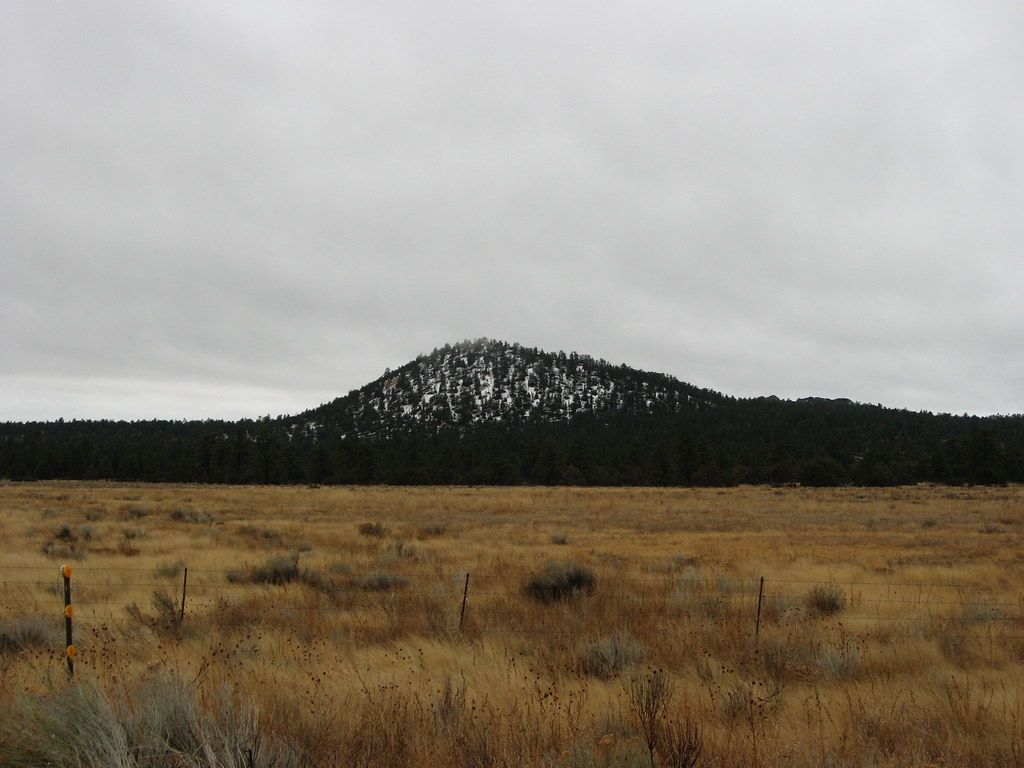
Cinder Cone stands out for its remarkably well-preserved volcanic features and the vivid contrast between its barren slopes and the surrounding forested landscape. The Painted Dunes, with their striking colors caused by oxidized minerals, create a surreal palette that is rarely seen on other volcano hikes. The Fantastic Lava Beds offer a rugged terrain of solidified lava flows that tell the story of the volcano’s fiery past. Unlike many volcanoes, Cinder Cone’s trail allows hikers to circle the crater rim and even descend into the crater itself, providing an intimate experience of the volcano’s structure. The panoramic views from the summit encompass multiple volcanic landmarks within Lassen Volcanic National Park, including Lassen Peak and Prospect Peak, offering a comprehensive volcanic vista. The trail’s historical significance adds to its uniqueness, as it follows part of the Nobles Emigrant Trail, a route used by pioneers crossing the region in the 19th century. This blend of geological wonder, natural beauty, and historical context makes the Cinder Cone hike a compelling adventure for volcano enthusiasts and hikers alike.
The Summit and Crater Experience
Reaching the summit of Cinder Cone is a moment of awe and accomplishment. The crater rim offers a 360-degree panorama of Lassen Volcanic National Park’s volcanic landscape. From here, hikers can see the jagged Fantastic Lava Beds stretching out below, the colorful Painted Dunes glowing in the sunlight, and distant peaks like Lassen and Prospect Peak piercing the horizon. The crater itself is a stark, bowl-shaped depression with loose volcanic ash and cinders underfoot. Walking along the rim, the air carries a faint scent of earth and minerals, though the volcano is dormant and free from sulfurous odors. The wind often sweeps across the summit, adding a brisk freshness to the experience. Descending into the crater reveals its scale and depth, offering a rare perspective on the volcano’s internal structure. The silence inside the crater contrasts with the expansive views above, creating a contemplative space to reflect on the power of volcanic forces. The summit experience is both humbling and exhilarating, a direct connection to the geological history etched into the landscape.
Best Time to Trek Cinder Cone
The optimal hiking season for Cinder Cone is from June through November when the trail is free of snow and weather conditions are generally stable. During these months, daytime temperatures typically range from 50°F to 80°F (10°C to 27°C), providing comfortable conditions for hiking. Early summer may still have residual snow in shaded areas, so checking current trail conditions before your hike is advisable. Fall offers crisp air and clear skies, ideal for photography and extended daylight. Winter and early spring are not recommended due to snow cover and icy conditions on the trail, which can make the loose cinder slopes hazardous. The trail is exposed, so hikers should be prepared for strong sun and wind, especially near the summit. No permits are required to hike Cinder Cone, but visitors should always check Lassen Volcanic National Park’s official website for any seasonal closures or alerts related to volcanic activity or weather.
Trekking Routes and Trail Options
The primary route to Cinder Cone begins at the Butte Lake parking area, accessible via a 6-mile dirt road off Highway 44. The trailhead is located near the boat ramp in the Butte Lake Day Use Area. The hike to the base of Cinder Cone is approximately 2.4 miles round trip, following the Cinder Cone Nature Trail. This section is relatively gentle and passes through forested areas and volcanic features, including interpretive stops that explain the geology and natural history. From the base, hikers can choose to ascend the steep 200-foot cinder slope to the summit, adding about 1.6 miles round trip and increasing the total hike to roughly 4 miles. The summit trail circles the crater rim, offering spectacular views. An additional trail leads down into the crater itself, allowing for exploration of the volcano’s interior. This loop around the crater rim adds approximately half a mile to the hike. The trail is well-marked and maintained, suitable for self-guided hikes. Guided tours are available through Lassen Volcanic National Park and local adventure companies, providing expert insights and logistical support. Hikers should plan for a 3-hour round trip duration, allowing time for rest, photography, and crater exploration. Water and sun protection are essential, as the trail is exposed in many sections.
Difficulty Assessment
Cinder Cone is classified as an easy to moderate volcano trek. The total distance of approximately 4 miles round trip with an elevation gain of 846 feet makes it accessible to most hikers with a reasonable fitness level. The main challenge lies in the steep ascent of the loose cinder slope near the summit, which requires good balance and careful footing. The sandy, shifting terrain can be tiring and slippery, especially on the descent. The trail surface varies from firm forest paths to loose volcanic ash and cinders, demanding sturdy hiking boots with good traction. Trekking poles are highly recommended for stability. Altitude is moderate at around 6,900 feet, which may affect some hikers with mild altitude sensitivity, but generally does not require special acclimatization. Overall, the hike is suitable for beginners with some hiking experience and for families with older children. It is not a technical climb and does not require specialized mountaineering skills.
Essential Volcano Trekking Gear
For hiking Cinder Cone, the following gear is recommended: sturdy hiking boots with good grip to handle loose cinders and rocky terrain; trekking poles to aid balance and reduce strain on knees during steep ascent and descent; sun protection including a wide-brimmed hat, sunscreen, and UV-protective sunglasses due to exposed trail sections; plenty of water (at least 2 liters) as there are no water sources along the trail; lightweight, breathable clothing with layers to adjust to temperature changes; a bandana or buff to cover your face on windy or dusty days; snacks or energy bars for sustained energy; a small first aid kit for minor injuries; a camera or smartphone for capturing the stunning volcanic landscapes; and a map or trail brochure, available at park visitor centers, to follow interpretive stops and trail features.
Safety and Volcanic Hazards
While Cinder Cone is dormant and poses no immediate volcanic threat, hikers should be aware of specific hazards related to the terrain and environment. The loose volcanic cinders on the summit slope can be slippery and unstable, increasing the risk of falls and ankle injuries. Trekking poles and careful footing are essential. The trail is exposed with little shade, making sunburn and dehydration real risks. Carry ample water and apply sunscreen regularly. Weather can change rapidly in mountainous areas; sudden winds and temperature drops are common near the summit. Dress in layers and be prepared for variable conditions. There are no active fumaroles or gas emissions at Cinder Cone, but visitors should always heed park warnings and avoid restricted areas. Wildlife encounters are rare but possible; maintain a safe distance from animals. Emergency services are limited in this remote area; hikers should inform someone of their plans and carry a fully charged phone or emergency communication device. Park rangers monitor volcanic activity and trail conditions, and visitors should check for updates before hiking.
Permits, Guides, and Logistics
Hiking Cinder Cone in Lassen Volcanic National Park does not require a permit, making it accessible for spontaneous visits. The trail is open approximately from June through November, depending on snow conditions and weather. The trailhead is located at the Butte Lake Day Use Area, accessible via a 6-mile dirt road off Highway 44. The road can be rough, so vehicles with good clearance are recommended. Parking is available but limited, especially during peak season. Several tour operators offer guided hikes and volcano trekking experiences in Lassen Volcanic National Park, including Lassen Volcanic National Park Guided Tours, Outdoor Adventure California, and Volcano Trekking Expeditions. These companies provide expert guides, interpretive information, and logistical support such as transportation and equipment rental. Guided tours typically include transportation from nearby towns, safety briefings, and detailed geological insights, enhancing the hiking experience for visitors unfamiliar with volcanic terrain. Visitors should bring their own water and food, as there are no services at the trailhead or along the trail. Restrooms are available at Butte Lake Campground when open. The park advises checking current trail conditions, weather forecasts, and any alerts before planning your hike. Seasonal closures or restrictions may apply due to wildfire risk or maintenance. For those planning extended stays, the park offers several campgrounds, including Butte Lake Campground near the trailhead, which requires reservations during peak season. Overall, the logistics for hiking Cinder Cone are straightforward, with ample resources available through the National Park Service and local tour operators to ensure a safe and rewarding volcano trekking adventure.
Where to Stay Near the Volcano
Accommodation options near Cinder Cone are centered around Lassen Volcanic National Park and the nearby communities, offering a range of choices from rustic campgrounds to comfortable lodges. Butte Lake Campground is the closest camping option, located within a short walk of the Cinder Cone trailhead. It offers tent and RV sites with basic amenities such as potable water and restrooms. Reservations are recommended during the summer months. For those seeking more comfort, the town of Chester, approximately 30 miles west of the park, provides several lodging options including motels, inns, and vacation rentals. Popular choices include the Chester Motel and Lassen Park Motel, both offering convenient access to the park. In the town of Mineral, about 20 miles south of the park, visitors can find cozy bed and breakfasts and cabins, such as the Mineral Lodge, which provide a quiet retreat after a day of hiking. Nearby private cabins and vacation rentals around Butte Valley offer secluded stays surrounded by nature, ideal for groups or families. Amenities in these accommodations typically include Wi-Fi, heating, and kitchen facilities, catering to a variety of traveler preferences. For extended stays, the park’s Loomis Museum area and Manzanita Lake area offer additional campgrounds and ranger programs, enriching the visitor experience. Visitors are advised to book accommodations well in advance during peak season (summer to early fall) due to high demand. Staying near Butte Lake provides the advantage of early trail access and the opportunity to explore other volcanic features in the park, making it an ideal base for volcano trekking enthusiasts.