
Trekking Savo Volcano: A Comprehensive Guide to Hiking Solomon Islands’ Active Stratovolcano
Explore the thrilling ascent of Savo Volcano, an active stratovolcano in the Solomon Islands. This guide covers geological insights, trekking routes, safety tips, permits, and accommodation options for an unforgettable volcanic adventure.
Quick Volcano Snapshot
| Attribute | Value |
|---|---|
| Volcano type | Stratovolcano |
| Elevation | 510 m |
| Location | Savo Island, Solomon Islands |
| Activity status | Active |
| Trekking difficulty | Moderate |
| Typical trek duration | 4 hours (round trip for main hike) |
| Altitude gain | Approximately 400 m |
| Terrain type | Lava fields, hot springs, fumaroles, volcanic ash slopes, tropical forest |
| Best season | Dry season (May to October) |
| Temperature range | 24°C to 32°C |
| Permit requirement | Local guide recommended; permits managed by local authorities |
The Experience of Hiking Savo Volcano
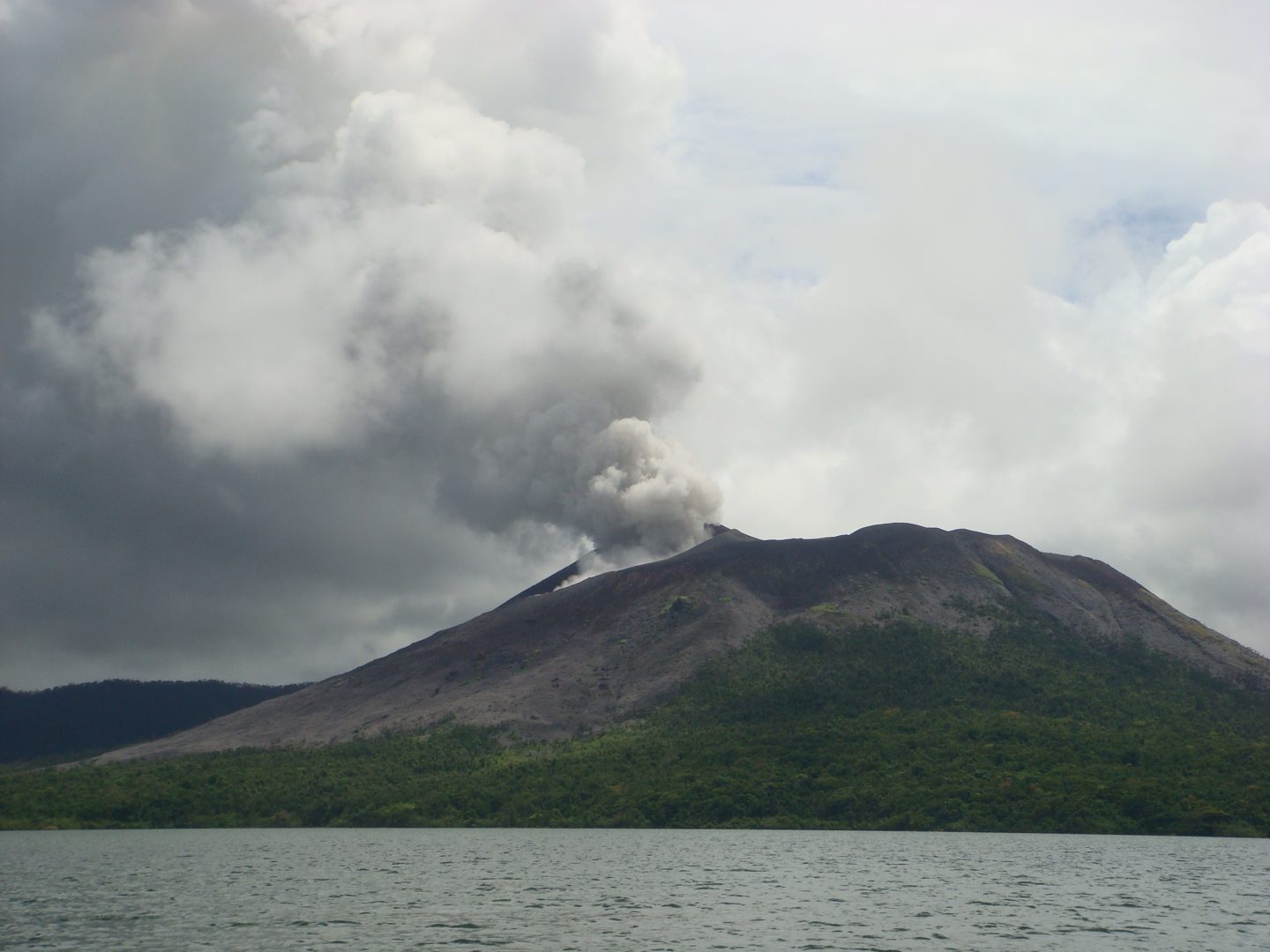
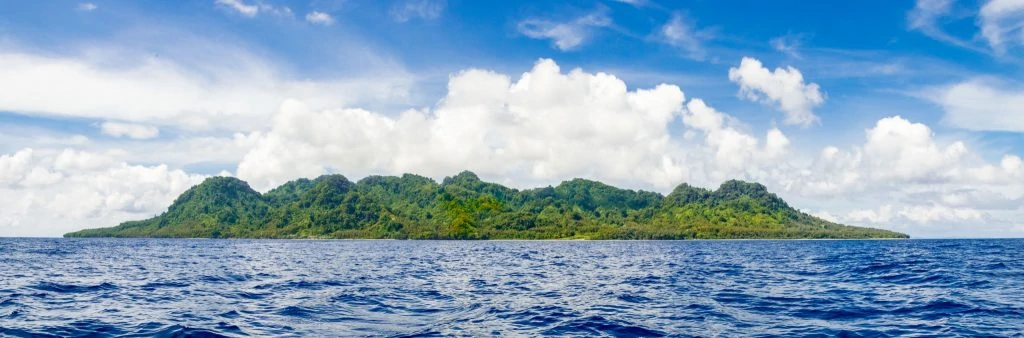
Approaching Savo Volcano, the island’s dramatic silhouette rises sharply from the Pacific Ocean, its active fumaroles hinting at the restless power beneath. The trek immerses hikers in a landscape where steaming vents and sulfurous hot springs contrast vividly with lush tropical greenery. The trail winds through rugged lava fields and dense forest, offering a sensory journey of heat, scent, and sound. Reaching the summit crater, hikers are rewarded with panoramic views of the surrounding islands and the vast ocean, alongside the raw spectacle of steaming vents and bubbling mud pools. This climb is a unique encounter with an active volcanic system in a remote South Pacific setting.
Geological Background of Savo Volcano
Savo Volcano is an andesitic stratovolcano formed by the subduction of the Pacific Plate beneath the Indo-Australian Plate, part of the Solomon Islands volcanic arc. The island itself is elliptical, approximately 6 by 7 kilometers, with a basal diameter extending to 9 kilometers below sea level. Its central summit area contains two craters, the largest measuring about 1.5 by 1 kilometer. Historically, Savo has experienced violent Vulcanian to Plinian eruptions, producing pyroclastic flows, lahars, and widespread ashfall. Notable eruptions occurred in the 1830s and 1840s, and the first recorded eruption was in 1568. Persistent hydrothermal activity manifests as fumaroles, hot springs, and steaming ground, indicating an active magmatic system beneath. The volcano’s high-potassium andesite composition is unusual for the region, contributing to its explosive potential. Its proximity to Honiara, the capital city of the Solomon Islands, heightens its hazard significance.
Terrain and Hiking Experience on Savo Volcano
The hike up Savo Volcano offers a diverse and challenging terrain that demands both physical fitness and careful preparation. The trail begins at sea level, ascending through tropical forest with thick vegetation and occasional muddy patches, especially after rain. As hikers gain elevation, the landscape transitions into rugged volcanic terrain characterized by loose volcanic ash, hardened lava flows, and scattered pumice stones. The path can be uneven and slippery, requiring sturdy hiking boots with good grip and gaiters to protect against volcanic ash and debris. Steeper sections involve scrambling over jagged lava rocks and navigating around fumaroles emitting sulfurous steam, which can be hot and potentially hazardous if approached too closely. The volcanic soil is brittle near the summit, with patches of steaming ground and hot springs that add to the surreal atmosphere but also require caution. Temperatures vary significantly, with the lower forested areas humid and warm, while the summit experiences cooler, windier conditions. Altitude gain is moderate at approximately 400 meters, but the tropical climate and volcanic terrain increase the perceived difficulty. The entire trek typically takes around four hours round trip for the main route, with options for shorter or longer hikes depending on the chosen path. Guides are highly recommended to navigate the complex terrain safely and to provide insights into the volcano’s geology and local ecology. Water sources along the trail are scarce and often sulfuric, so carrying sufficient drinking water is essential. The trail’s exposure to sun and wind varies, with little shade near the summit, making sun protection and layered clothing important. Overall, the hiking experience combines physical challenge with the thrill of exploring an active volcanic environment, offering spectacular views and a profound connection to the island’s dynamic natural forces.
What Makes the Savo Volcano Trek Unique
Savo Volcano stands out for its active hydrothermal features, including steaming fumaroles, hot springs, and bubbling mud pools that punctuate the volcanic landscape. The island’s rich biodiversity, notably the presence of megapode birds that nest in the warm volcanic sands, adds a rare ecological dimension to the trek. The proximity to Honiara allows for a remote yet accessible adventure, combining cultural encounters with traditional island life and volcanic exploration. The volcanic terrain’s contrast between lush tropical forest and barren lava fields creates a striking visual and sensory experience. The opportunity to witness an active volcanic system in a relatively untouched South Pacific setting, alongside the chance to swim with dolphins and explore local wildlife, makes this trek a multifaceted adventure.
The Summit and Crater Experience
Reaching the summit of Savo Volcano, hikers encounter a vast crater approximately 1.5 by 1 kilometer in size, marked by steaming fumaroles and hot springs. The air is thick with the scent of sulfur, and the ground beneath is warm and occasionally scalding near vents. The sound of escaping gases adds an eerie soundtrack to the panoramic views of the surrounding ocean and neighboring islands. The crater rim offers a dramatic vantage point to observe the volcano’s active hydrothermal system and the island’s rugged coastline. The experience is both humbling and exhilarating, providing a direct connection to the Earth’s inner forces.
Best Time to Trek Savo Volcano
The ideal time to trek Savo Volcano is during the dry season, from May to October, when rainfall is minimal and trail conditions are safer. Early morning starts are recommended to avoid the midday heat and humidity common in the tropics. The dry season also reduces the risk of slippery volcanic ash and muddy paths. Volcanic activity is monitored, but hikers should stay informed of any alerts or restrictions issued by local authorities. Avoid trekking during heavy rains or periods of increased seismic activity to minimize hazards.
Trekking Routes and Trail Options on Savo Volcano
Savo Volcano offers several trekking options catering to different fitness levels and interests. The primary route begins near the island’s coastal villages and ascends through tropical forest before reaching the volcanic terrain. The main hike to the summit crater typically takes about four hours round trip and is considered moderate in difficulty. A shorter, easier trail offers a half-hour return hike to a viewpoint overlooking the volcanic landscape, suitable for casual visitors. For experienced trekkers, a cross-island route traverses the dormant caldera and surrounding ridges, requiring at least three hours and offering a more comprehensive exploration of the island’s volcanic features. All routes benefit from local guides who provide navigation assistance, safety oversight, and cultural context. Access to the island is by private boat from Guadalcanal, with no regular ferry service, so logistics must be planned in advance.
Difficulty Assessment of the Savo Volcano Trek
The Savo Volcano trek is classified as a moderate volcano trek. The terrain includes steep ash slopes, loose volcanic rocks, and uneven forest paths that require good balance and endurance. Altitude is relatively low at 510 meters, but the tropical climate and volcanic terrain increase physical demands. No technical climbing skills are necessary, but hikers should be prepared for scrambling and navigating hot, unstable ground near fumaroles. A reasonable level of fitness and experience with hiking in tropical and volcanic environments is recommended.
Essential Volcano Trekking Gear for Savo Volcano
Key gear for trekking Savo Volcano includes sturdy hiking boots with good grip and ankle support, volcanic ash gaiters to protect against debris, and trekking poles for stability on uneven terrain. A wide-brimmed hat and high-SPF sunscreen are essential due to limited shade. Lightweight, breathable clothing with layers is recommended to adapt to temperature changes. Carry sufficient drinking water, as natural sources are sulfuric and unsafe. A headlamp is useful for early starts or late finishes. A gas mask or respirator is advisable if sulfur gas emissions intensify. First aid supplies and insect repellent are also important.
Safety and Volcanic Hazards on Savo Volcano
Savo Volcano poses several hazards including toxic volcanic gases such as sulfur dioxide, unstable and hot ground near fumaroles, and the risk of sudden eruptions or lahars. The volcano has a history of violent explosive activity, and pyroclastic flows have occurred in the past. Access is restricted in some areas, and local guidance is essential for safety. Hikers should monitor volcanic activity reports from regional seismic networks and heed warnings from the Solomon Islands Geological Survey Division. Wearing protective gear and maintaining a safe distance from steam vents reduces risk. Weather can change rapidly, increasing trail hazards. Emergency plans and communication means should be arranged before the trek.
Permits, Guides, and Logistics for Trekking Savo Volcano
Trekking Savo Volcano requires careful logistical planning due to its remote location and active status. Access to Savo Island is only possible by private boat, typically departing from Vila Village or Honiara on Guadalcanal. There are no regular ferry services, so arranging transport through local operators is essential. The Solomon Island Visitors Center in Honiara is a recommended point for booking tours and securing local guides. Tour operators such as Hapi Isles Tours & Transfers and Far and Away Adventures offer guided volcano treks, ensuring safety and cultural insight. Permits are managed locally, and while formal paperwork may be minimal, hiring a guide is strongly advised and often mandatory due to safety concerns and private land ownership. Costs for guided tours vary but generally include boat transfers, guide fees, and sometimes meals. Visitors should coordinate bookings via email or Facebook, as many operators lack dedicated websites. Carrying identification and respecting local customs is important. Due to the volcano’s active nature, monitoring updates from the Solomon Islands Geological Survey Division is recommended before planning a trek. Guides provide critical knowledge of trail conditions, volcanic hazards, and cultural sites, enhancing both safety and experience. Visitors should prepare for limited infrastructure on the island, bringing necessary supplies and ensuring communication plans are in place.
Where to Stay Near Savo Volcano
Accommodation options near Savo Volcano are limited but offer authentic island experiences. On Savo Island itself, Savo Sunset Lodge is the premier choice, located on the eastern side of the island with beachfront access and basic but comfortable rooms. The lodge features local cuisine, stunning ocean views, and serves as a convenient base for early morning volcano treks and wildlife excursions, including visits to megapode nesting sites. Facilities are rustic, emphasizing immersion in nature over luxury. For travelers preferring more amenities, Honiara on Guadalcanal Island, approximately 35 kilometers away, provides a wider range of hotels, guesthouses, and services. Honiara is the main gateway for reaching Savo Island, with an international airport and local transport options. Many visitors stay in Honiara and arrange day trips or overnight stays on Savo Island. Transport between Honiara and Savo is by private boat, typically a 40-minute ride from Vila Village. Due to the island’s limited infrastructure, it is advisable to book accommodations and transport in advance through local tour operators or the Solomon Island Visitors Center. Staying overnight on Savo Island enhances the trekking experience by allowing early starts to observe wildlife and avoid midday heat. Visitors should prepare for basic amenities and bring necessary supplies, as shops and services are minimal.